Are you looking for ways to avoid flat roof leaks, pooling water, or membrane damage? These problems can surface without warning and can interrupt business operations or disrupt daily life at home. Understanding how flat roof maintenance works and why it matters helps eliminate uncertainty, preventing small issues from becoming expensive emergencies. The knowledge shared below equips readers to protect their investment, improve roof performance, and avoid unnecessary disruptions.

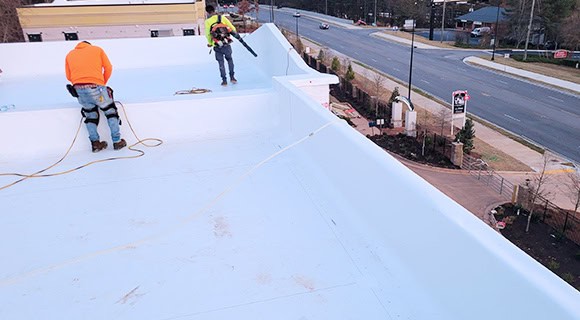
maintenance on commercial flat roofs

New Image Roofing Atlanta gathered information about flat roof systems, maintenance practices, preventive planning, and professional service standards that help property owners preserve roof integrity. This article explains why maintenance plays a crucial role in roof longevity, how a structured program prevents failure, and why working with an award-winning roofing contractor creates measurable value.

Flat Roof Systems and Maintenance Needs

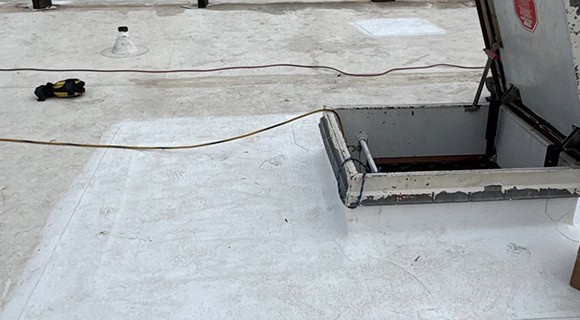
damaged membrane maintenance on commercial flat roofs

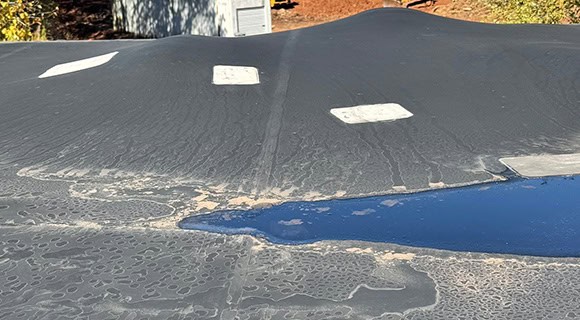
Flat roofs differ significantly from steep slope designs. Materials like TPOPVCEPDM, modified bitumen, and built-up roofing rely on proper drainage, sealed seams, and intact membranes to remain watertight. Unlike pitched roofs, flat surfaces allow water to linger if drainage paths become blocked. Over time, standing water accelerates membrane wear, stresses seams, and increases risk for leaks.

maintenance on commercial flat roofs standing water

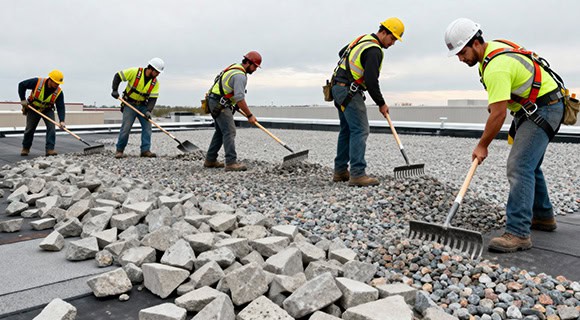
Maintenance focuses on identifying early warning signs before damage spreads. Routine inspections check membrane condition, flashing integrity, drainage performance, and penetrations around vents or HVAC units. Debris removal plays a critical role since leaves, dirt, or construction materials often clog drains and scuppers. Regular cleaning will reduce moisture retention, preventing algae and mold.

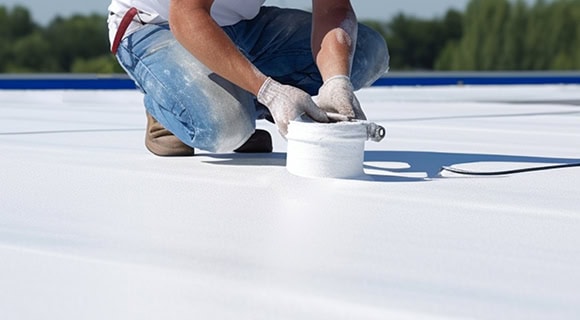
Small defects such as surface cracks or seam separation often remain invisible until water intrusion begins. Maintenance addresses these vulnerabilities early through targeted repairs, resealing, or reinforcement. This proactive approach protects insulation layers and structural components beneath roofing materials.

How Flat Roof Maintenance Extends Roof Longevity

flashing repair maintenance on commercial flat roofs

Flat roof systems achieve full lifespan potential only when consistently maintained. Manufacturers design materials to perform under specific conditions, including clean surfaces, clear drainage, and intact seams. Neglect shortens service life by exposing materials to constant moisture, ultraviolet radiation, and thermal movement.

Maintenance supports longevity by managing these stressors. Inspections identify ponding, where slope correction or drain adjustment improves water flow. Seam inspections ensure adhesives or welds remain secure. Flashing checks prevent water entry around edges or penetrations. Addressing these factors preserves membrane elasticity and strength. Preventive care also reduces temperature-related damage. Flat roofs expand and contract daily. When seams weaken, thermal movement causes splitting or blistering. Maintenance repairs these areas before expansion forces worsen damage.

Cost savings represent another longevity benefit. Emergency repairs often require extensive labor and material replacement. Routine care limits repair scopes and reduces long-term expenses. Roof owners gain predictable budgeting and fewer disruptions.

Flat Roof Maintenance and Leak Prevention

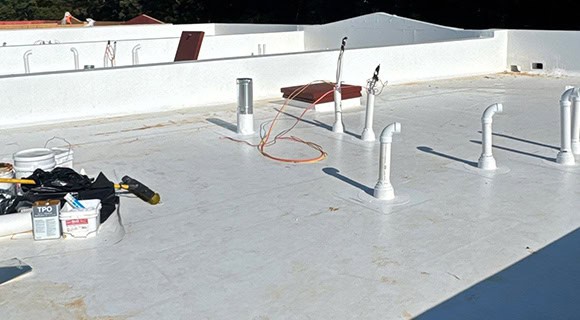
sealed penetrations and maintenance on commercial flat roofs

Leaks remain a primary concern for flat roof owners. Unlike a steep roof where water sheds quickly, flat systems depend on precise sealing. Maintenance reduces leak risk by maintaining watertight barriers.

Drain inspections ensure water exits efficiently. Surface inspections detect punctures from foot traffic or equipment servicing. Sealant renewal around penetrations maintains flexibility and adhesion. These steps work together to prevent moisture infiltration.

Maintenance also protects interior assets. Leaks damage ceilings, walls, insulation, electrical systems, and inventory. Preventing leaks safeguards property value and operational continuity.

New Image Roofing Atlanta Maintenance Contract

maintenance contract on commercial flat roofs

A structured maintenance agreement simplifies roof care and ensures consistency. New Image Roofing Atlanta Roof Maintenance Contract provides scheduled inspections, documentation, and prioritized service planning.
This program includes routine evaluations performed by trained professionals familiar with flat roofing systems. Inspections focus on membrane condition, drainage performance, flashing stability, and surface cleanliness. Findings are clearly documented with recommended actions.

Maintenance contracts also include minor repairs completed promptly, preventing escalation. Scheduled service reduces emergency calls and extends roof lifespan. Property owners gain peace through predictable care and professional oversight.

This proactive approach supports warranty compliance since many manufacturers require documented maintenance. Roof owners protect coverage while maximizing material performance.

Why Hire New Image Roofing Atlanta

best of buckhead maintenance on commercial flat roofs

Selecting a qualified roofing contractor determines maintenance success. New Image Roofing Atlanta brings proven expertise across commercial and residential flat roofing systems. Skilled technicians understand material behavior, installation standards, and maintenance best practices.

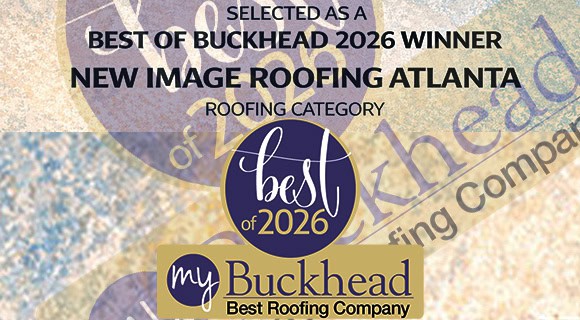
  • New Image Roofing Atlanta was recognized as a 2026 Best of Buckhead Winner for Roofing Services. This recognition reflects consistent service quality, customer satisfaction, and professional integrity.
  • The company emphasizes clear communication, thorough inspections, and transparent recommendations. Clients receive practical guidance rather than unnecessary upselling.
  • Emergency response capability ensures fast action during severe weather events.
  • Collaborative Approach – Seamless communication with architects, engineers, and general contractors ensures on-time delivery.
  • Commitment to Quality – Meticulous installation and maintenance methods backed by warranties, skill, and dedicated customer service.
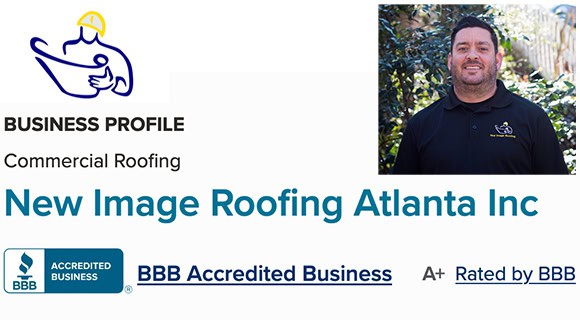
  • BBB Accredited Business – New Image Roofing Atlanta is an accredited A+ Rated roofing contractor.

bbb accredited maintenance on commercial flat roofs

Experience combined with local knowledge creates a strong foundation for long-term roof performance.

Flat Roof Maintenance and Cost Control

maintenance and cleaning on commercial flat roofs

Maintenance plays a direct role in financial planning. Routine care reduces unexpected expenses by identifying issues early. Minor repairs cost significantly less than large-scale replacements or interior damage remediation.

Maintenance programs allow property owners to accurately forecast expenses. Scheduled inspections and predictable service reduce budget volatility. Roof replacement planning becomes strategic rather than reactive.

Insurance considerations also favor maintenance. Documented care supports claims by demonstrating responsible ownership. Insurers often view maintained roofs as lower risk, supporting favorable outcomes.

Environmental and Energy Efficiency Benefits

Flat roof maintenance supports energy efficiency. Clean membranes reflect sunlight effectively, reducing heat absorption. Ponding water and dirt buildup reduce reflectivity and increase cooling costs.

Insulation protection represents another benefit. Moisture infiltration reduces insulation performance. Maintenance preserves thermal resistance and interior comfort.

Sustainable practices also benefit from an extended roof lifespan. Delaying replacement reduces material waste and environmental impact. Maintenance aligns with responsible property stewardship.

Key Takeaways for Why You Need Flat Roof Maintenance

maintenance information on commercial flat roofs

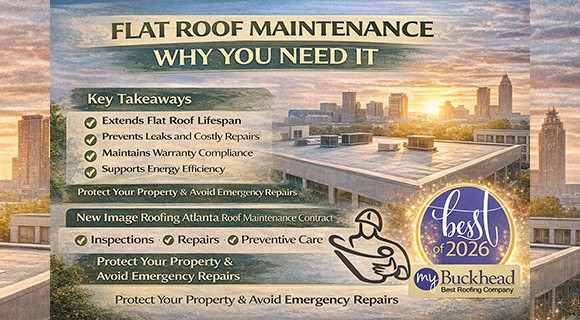
Flat roof maintenance represents a strategic investment rather than an optional expense. Consistent care protects materials, prevents leaks, and supports full service life. Property owners gain control through early detection and proactive solutions.

  • Maintenance preserves drainage efficiency. Clear drains reduce ponding water and material stress. Seam inspections help maintain watertight integrity across roof surfaces. Flashing checks protect vulnerable transition points.
  • A maintenance program supports cost management. Predictable service prevents emergency repairs and interior damage. Budget planning improves with scheduled inspections and documented findings.
  • Professional oversight matters. Experienced contractors identify issues quickly and apply the correct repair methods. Recognition, such as The Best of Buckhead 2026 Winner, highlights service reliability and expertise.
  • Maintenance also supports warranties and insurance claims. Documentation demonstrates responsible ownership and protects coverage eligibility.
  • Energy efficiency benefits remain significant. Clean, intact membranes reflect heat effectively and preserve insulation performance. Reduced energy demand supports operational savings.
  • Environmental responsibility aligns with maintenance goals. An extended roof lifespan reduces material waste and replacement frequency.

Flat roof maintenance delivers peace, performance, and protection. It transforms roofing from a reactive concern into a managed asset supporting property value and operational stability.

Maintenance for Flat Roofing Systems

This article explained why flat roof maintenance matters, how routine care extends roof longevity, and why professional oversight ensures consistent performance. Readers learned how inspections, drainage management, and preventive repairs protect flat roofing systems.

Applying these practices delivers positive outcomes. Roof owners experience fewer leaks, predictable expenses, improved energy efficiency, and longer roof service life. Maintenance supports operational continuity and investment protection.

Ignoring maintenance creates costly consequences. Unchecked ponding, seam failure, and membrane damage lead to leaks, interior loss, and premature replacement. Lack of care transforms manageable issues into major disruptions.

Sources:
gsa.gov/real-estate/historic-preservation/historic-preservation-policy-tools/preservation-tools-resources/technical-procedures/types-of-flat-roofing-and-factors-affecting-its-deterioration
web.mit.edu/parmstr/Public/NRCan/CanBldgDigests/cbd179_e.html

  New Image Roofing Atlanta

    2020 Howell Mill Rd NW Suite 232
Atlanta, GA 30318
(404) 680-0041

A commercial roof failure rarely announces itself quietly. Water intrusion, membrane separation, rising energy costs, or tenant complaints can disrupt operations and damage inventory within hours. Property owners/managers often struggle to determine whether a repair will suffice or full replacement is required. Understanding available commercial roofing services allows you to control risk, manage budget responsibly, and protect revenue streams before small defects escalate into structural liabilities.

professional services for commercial roofing

New Image Roofing Atlanta gathered information about commercial roof performance, inspections, material science, installation standards, maintenance strategy, and lifecycle cost analysis to provide building owners with a clear roadmap for roof management. This guide explores each service in detail (so you can make informed decisions that preserve asset value and operational continuity).

Key Takeaways for Commercial Roofing Services

professional service information for commercial roofing

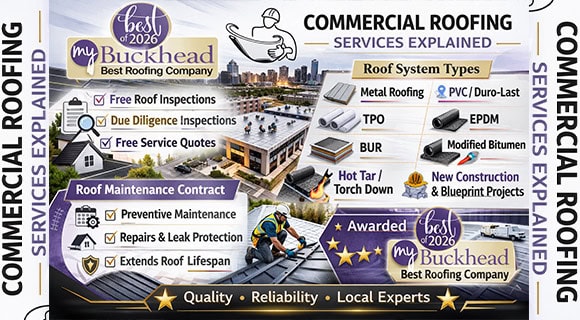
Commercial roofing strategy requires proactive management rather than reactive repair. Inspections form the foundation for informed decision-making. A comprehensive evaluation identifies membrane degradation, moisture infiltration, drainage inefficiencies, and flashing failure before damage spreads to insulation or interior structure.

  • Due diligence inspections protect financial stakeholders during acquisition or refinancing. Reliable roof data influences capital allocation and lease negotiations. Accurate lifespan projections prevent budget surprises.
  • System selection must align with building use and environmental exposure. Metal roofing delivers longevity and structural strength. PVC systems resist chemical exposure. TPO enhances energy efficiency through reflective surfaces. EPDM offers flexibility in temperature extremes. BUR and Modified Bitumen provide layered waterproof redundancy. Hot tar and torch-applied membranes require skilled installation but deliver strong performance when properly executed.
  • New construction and blueprint projects require early coordination and code compliance. Roofing integration during the construction phase ensures insulation, vapor control, and drainage planning function cohesively.
  • Preventive maintenance contracts provide a measurable return on investment. Scheduled inspections and minor corrections cost significantly less than emergency replacement or interior restoration. Documentation supports warranty claims and long-term planning.
  • Contractor selection can influence outcomes greater than material choice alone. Installation precision, seam welding quality, fastening patterns, and flashing detail determine system longevity. Recognition such as “Best of Buckhead” demonstrates sustained performance and customer trust.

Ignoring roof management invites structural deterioration, tenant dissatisfaction, operational downtime, and increased liability. Strategic roofing oversight safeguards revenue, asset value, and reputation.

Comprehensive Free Roof Inspections

professional inspection services for commercial roofing

Every commercial roofing project begins with a thorough evaluation. New Image Roofing Atlanta provides comprehensive free roof inspections tailored to flat and low-slope systems common in commercial construction.

Technicians assess membrane integrity, seam performance, flashing condition, drainage function, insulation moisture levels, and substrate stability. Infrared scanning may be used when necessary to detect trapped moisture beneath membrane surfaces. Detailed photo documentation and written findings support transparent recommendations.

This process ensures decisions are based on measurable data rather than assumptions, reducing the risk of unnecessary replacement or incomplete repair.

Due Diligence Roof Inspections

Commercial property transactions require clarity regarding roof condition and remaining service life. Due diligence inspections performed by New Image Roofing Atlanta provide structured reporting for buyers, sellers, lenders, and asset managers.

Reports detail the material type, installation history when available, visible deficiencies, repair priority, and estimated remaining lifespan. This information supports capital planning, lease negotiations, and acquisition decisions. Accurate roof data strengthens investment strategy and protects stakeholders from unexpected capital expenditure.

Note: New Image Roofing Atlanta charges a fee for these inspections, as a detailed roof report is produced after the inspection. This fee may be absorbed into the cost of any subsequent repair or replacement work completed by New Image Roofing Atlanta. Call 404-680-0041 or fill out this online submission form for more information.

Free Service Quotes

Following an inspection, clients receive a free service quote detailing scope, material specifications, labor requirements, projected timeline, and warranty coverage. Transparent pricing and defined deliverables allow building owners to evaluate return on investment before project initiation.

Commercial Roof System Types

Commercial buildings require roofing systems engineered for durability, load performance, and environmental exposure. Below is a detailed overview of systems installed by New Image Roofing Atlanta.

Metal Roofing

professional services for metal commercial roofing

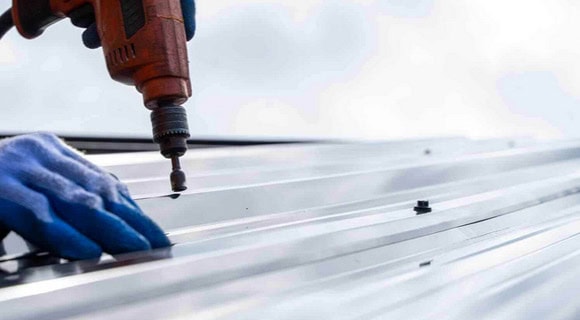
Commercial metal roofing systems utilize structural steel or aluminum panels designed for strength and longevity. Lifespan often ranges between 40 and 60 years, depending on the coating and environmental exposure.

Installation requires precision fastening systems that accommodate thermal expansion and contraction. Proper insulation and vapor barrier integration are critical for energy performance. Metal roofing performs well in high wind conditions and offers strong resistance to fire and impact.

PVC and Duro-Last Roofing

professional services for commercial pvc and duro last roofing

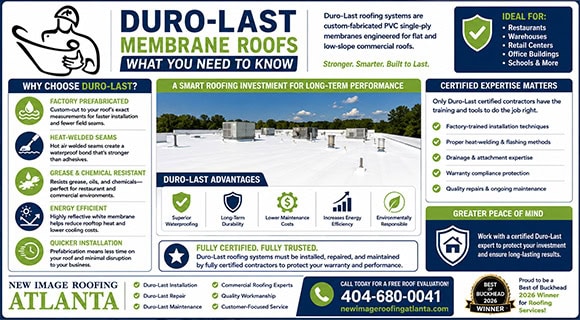
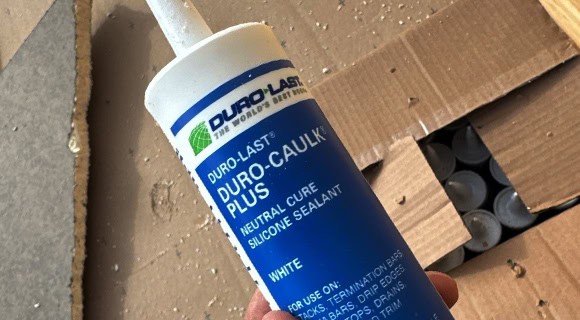
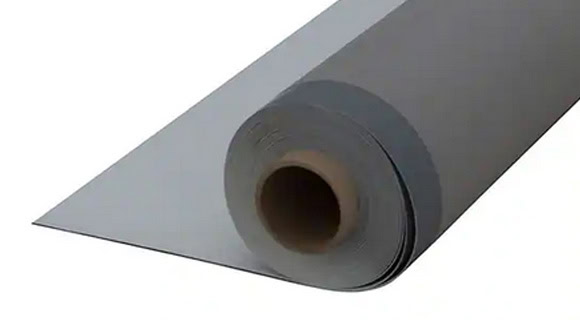
PVC membranes, including Duro-Last systems, are single-ply thermoplastic materials engineered for chemical resistance and durability. Average lifespan spans 20 to 30 years.

Installation involves heat-welded seams that create monolithic waterproof surfaces. Prefabricated sections may reduce field seaming and accelerate installation. PVC performs exceptionally well in restaurants and industrial facilities exposed to grease or chemical discharge.

Note: Duro-Last roofing systems may only be installed and maintained by Duro-Last certified technicians. Using unqualified installers and technicians will void any and all manufacturer’s guarantees and warrantees. New Image Roofing Atlanta is fully qualified and certified to install and maintain Duro-Last roofing systems.

TPO Roofing

professional services for commercial tpo roofing

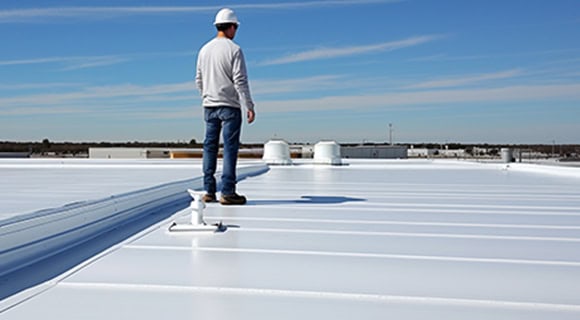
Thermoplastic Polyolefin, or TPO, is a reflective white membrane widely used in commercial construction. Lifespan typically ranges from 20 to 30 years.

Installation methods include mechanical fastening or full adhesion with heat-welded seams. TPO offers strong UV resistance and energy efficiency benefits, reducing cooling demand in warm climates.

EPDM Roofing

EPDM is a synthetic rubber membrane known for flexibility and resilience. The lifespan commonly reaches 20 to 25 years with proper maintenance.

Installation may be ballasted, mechanically fastened, or fully adhered. EPDM performs reliably under temperature fluctuation and resists hail impact.

Note: While EPDM roofing systems are no longer a “top choice” for roof installations, New Image Roofing Atlanta still provides full service and maintenance for installed EPDM systems.

BUR Roofing

professional services for commercial built up roofs

Built Up Roofing, known as BUR, uses multiple layers of asphalt and reinforcing fabric. The lifespan can reach 20 to 30 years, depending on maintenance practices.

Installation involves sequential layering, creating a thick waterproof protection. BUR systems are valued for redundancy and puncture resistance.

Modified Bitumen Roofing

Modified Bitumen membranes incorporate polymer-modified asphalt for enhanced flexibility and strength. Expected lifespan ranges between 15 and 25 years.

Installation methods include torch-applied, cold adhesive, or self-adhered systems. These membranes provide impact resistance and strong waterproofing performance.

Hot Tar and Torch Down Roofing

professional hot tar services for commercial roofing

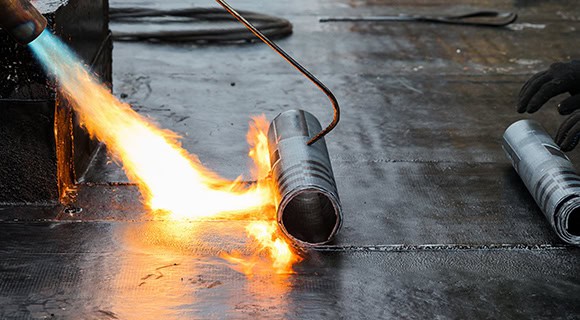
Hot tar systems utilize heated asphalt that is applied in layers to create durable, waterproof barriers. Torch-down systems involve heat fusion of modified bitumen membranes.

These systems require experienced crews due to heat application procedures. When installed correctly, the lifespan typically ranges from 15 to 25 years.

New Construction Roofing

professional services for new construction commercial roofing

New Image Roofing Atlanta collaborates with developers and general contractors on new construction projects. Roofing systems are selected based on building use, load calculations, energy codes, and architectural design.

Early coordination ensures proper deck preparation, insulation thickness compliance, and drainage planning. Correct sequencing prevents future moisture intrusion and premature membrane failure.

Blueprint Projects

Blueprint-driven installations demand strict adherence to engineered specifications. New Image Roofing Atlanta executes roofing plans aligned with structural drawings and code requirements.

Precise measurement, flashing fabrication, and drainage integration are essential. These projects often involve coordination with mechanical contractors and structural engineers to ensure seamless performance.

New Image Roofing Atlanta Maintenance Contract

professional services and maintenance for commercial roofing

Preventive maintenance protects commercial roofing investment and extends service life. New Image Roofing Atlanta offers structured roof maintenance contracts designed for roof preservation.

Maintenance typically includes semi-annual inspections, debris removal, drain clearing, seam reinforcement when necessary, flashing resealing, and minor repair correction. Detailed documentation supports warranty compliance and capital forecasting.

Routine oversight reduces risks of catastrophic leak events and helps facilities maintain operational stability.

Why Hire New Image Roofing Atlanta

best of buckhead professional services for commercial roofing

Commercial roofing demands technical expertise, safety compliance, and disciplined project management. New Image Roofing Atlanta combines experience with rigorous installation standards.

Each project adheres to structured safety protocols, manufacturer specifications, and quality assurance checks. Clear communication ensures that building owners understand the timeline, budget, and performance expectations.

In 2026, New Image Roofing Atlanta was recognized as a Best of Buckhead 2026 Winner for Roofing Services. This distinction reflects customer satisfaction, workmanship quality, and consistent service delivery within the commercial sector. Consider the following:

Versatile Installation and Maintenance Skills – Skilled teams trained in single-ply, BUR, modified bitumen, metal, and green roof systems.
Proven Track Record – A portfolio of successful projects across retail, industrial, healthcare, and office sectors.
Collaborative Approach – Seamless communication with architects, engineers, and general contractors ensures on-time delivery.
Commitment to Quality – Meticulous installation and maintenance methods backed by warranties, skill, and dedicated customer service.
BBB Accredited Business – New Image Roofing Atlanta is an accredited A+ rated roofing contractor.

bbb accredited professional services for commercial roofing

Clients benefit from transparency, accountability, and long-term partnership rather than transactional service.

Commercial Roofing Services

This article explained commercial roofing services offered by New Image Roofing Atlanta, beginning with inspections and due diligence evaluations, followed by a detailed review of roofing systems, maintenance programs, and construction coordination.

Implementing these services leads to improved building performance, predictable budgeting, and extended roof lifespan. Proactive inspection and maintenance preserve structural integrity and minimize operational disruption.

Neglecting roofing strategy exposes commercial property to leaks, structural compromise, tenant complaints, and escalating repair costs. Informed planning protects business continuity and long-term asset value.

Sources:
crca.org/Resources/Roofing-Specialties/Low-Slope-Commercial-Industrial-Institutional-Roofing
nrca.net

  New Image Roofing Atlanta

    2020 Howell Mill Rd NW Suite 232
Atlanta, GA 30318
(404) 680-0041

A flat roof that ponds water, leaks after every storm, or shows premature membrane wear creates constant stress for property owners. These problems often appear without warning and can lead to interior damage, lost productivity, and costly emergency repairs. Understanding why slope matters on flat roofing systems will offer building owners clarity, control, and a practical path toward long-term roof performance.

sloped flat roofing system

New Image Roofing Atlanta gathered information about flat roof design, slope engineering, insulation systems, and maintenance practices to explain why proper pitch remains one of the most critical factors in commercial roofing success. This article outlines how flat roofs function, how slope is integrated into modern systems, and how proactive planning protects both structure and budget.

Why Flat Roofs Are Not Truly Flat

sloped flat commercial roofing system

Despite the name, flat roofs always include a calculated pitch. Building codes and manufacturer standards require a slope to move water toward drains, scuppers, or gutters. A roof without slope traps moisture, accelerates membrane deterioration, and increases structural load during heavy rainfall.

Most commercial flat roofs use a minimum slope of one-quarter inch per foot. This slight pitch may seem insignificant to an untrained eye, yet it makes a significant difference in water movement. Even minor inconsistencies in slope can create low areas where water collects. Over time, standing water increases ultraviolet exposure, stresses seams, and weakens adhesives.

Flat roofing systems depend on gravity to function correctly. Without proper slope, even premium materials struggle to perform as intended. This explains why experienced roofing contractors prioritize slope evaluation during inspections and design phases.

How Flat Roofs Are Pitched During Installation

Slope can be achieved through several methods, depending on building design and roof condition. Structural slope uses angled framing during construction. While effective, this approach remains uncommon for retrofits due to cost and complexity.

prefabricated tapered insulation kit sloped flat roofing system

The most common solution involves tapered insulation systems. These insulation packages increase elevation gradually, guiding water toward drainage points. Tapered insulation arrives in prefabricated pieces that fit together precisely on the roof deck. Once installed, the roofing membrane attaches directly over the insulation, creating a seamless system that combines drainage, insulation, and waterproofing.

This method allows roofing professionals to correct poor drainage without altering structural components. It also improves energy efficiency by enhancing thermal performance across the roof surface. Proper layout and calculation remain essential, since poorly designed insulation patterns can worsen drainage rather than improve it.

Insulation Packages and Slope Engineering

tapered insulation sloped flat roofing system

Tapered insulation systems come in various materials, including polyisocyanurate and expanded polystyrene. Each piece features a specific thickness that increases gradually across the roof plane. Contractors design these layouts based on the drainage locations, the roof dimensions, and the building use.

Installation begins with substrate preparation. Roofing crews secure insulation layers directly to the deck, following a detailed shop drawing. Precision matters at every stage. A slight deviation can disrupt water flow and compromise system performance.

Once insulation installation is finished, the roofing membrane is applied using adhesives, fasteners, or heat welding (depending on material choice). The finished roof appears to be flat (but with an intentional pitch protecting the building long-term).

Common Problems Caused by an Inadequate Slope

standing water sloped flat roofing system

Roofs lacking proper slope often experience chronic ponding water. This condition can lead to membrane blistering, seam failure, and algae growth. Over time, moisture can penetrate insulation layers, reducing R value and increasing energy costs.

water damage sloped flat roofing system

Standing water also adds unnecessary weight to the roof structure. During heavy storms, this load strains decking and framing, raising the risk of collapse in extreme cases. Insurance claims frequently find roof damage caused by drainage failures rather than material defects.

Correct slope design prevents these issues and extends roof service life. It also supports manufacturer warranty compliance, since many warranties exclude damage related to ponding water.

New Image Roofing Atlanta Maintenance Contract

maintenance contract sloped flat roofing system

Preventive maintenance remains the best defense against slope-related roofing problems. The New Image Roofing Atlanta Roof Maintenance Contract provides scheduled inspections, drainage evaluations, and minor repairs that preserve system performance.

Technicians check drain flow, scupper function, and insulation integrity during each visit. Early detection allows corrective action before minor drainage issues escalate into costly damage. Maintenance plans also include detailed documentation that supports warranty requirements and long-term asset planning.

Consistent maintenance reduces potential emergency repairs and improves budget predictability for property owners. It also ensures that slope systems continue to perform as designed throughout the roof’s lifespan.

Why Hire New Image Roofing Atlanta

flat roofing systems slope best of buckhead

Flat roofing demands specialized knowledge, especially when slope engineering plays a critical role. New Image Roofing Atlanta brings proven expertise, local experience, and award-winning service. Recognized as a Best of Buckhead 2026 Winner for Roofing Services, the company delivers experience with tapered insulation design, drainage correction, and modern membrane systems.

The team thoroughly evaluates existing conditions, identifies hidden drainage challenges, and recommends solutions aligned with building use and budget goals. Skilled installation crews follow the manufacturer’s specifications, protecting warranty coverage and long-term performance. Consider the following:

Versatile Installation and Maintenance Skills – Skilled teams trained in single-ply, BUR, modified bitumen, metal, and green roof systems.
Proven Track Record – A portfolio of successful projects across retail, industrial, healthcare, and office sectors.
Collaborative Approach – Seamless communication with architects, engineers, and general contractors ensures on-time delivery.
Commitment to Quality – Meticulous installation and maintenance methods backed by warranties, skill, and dedicated customer service.
BBB Accredited Business – New Image Roofing Atlanta is an accredited A+ Rated roofing contractor.

bbb accredited roofer sloped flat roofing system

Clients benefit from transparent communication, detailed project planning, and ongoing support beyond installation. This commitment helps building owners avoid repetitive problems and maximize their roofing investment.

Visit New Image Roofing Atlanta’s Google Business Profile.

Key Takeaways for Flat Roof Slopes

why slope is crucial on flat roofing systems

Flat roofs rely on slope for proper performance, durability, and protection. Without adequate pitch, even high-quality materials fail prematurely. Understanding slope design empowers building owners to make informed decisions during the roof installation, repair, and maintenance planning.

  • Slope directs water toward drainage points, reducing the risk of ponding and membrane stress. Modern tapered insulation systems also provide an efficient method to pitch the roof without major structural modifications. These systems combine drainage improvement with thermal performance benefits.
  • Proper design and installation remain critical. Accurate calculations, precise layout, and skilled workmanship ensure that the slope functions as intended. Poor execution undermines system performance regardless of material quality.
  • Maintenance plays an equally important role. Regular inspections identify drainage issues early, preventing insulation saturation and membrane damage. A structured maintenance contract protects warranties and extends roof service life.
  • Hiring an experienced contractor ensures that the slope design aligns with building requirements and industry standards. Professional evaluation prevents costly mistakes and supports long-term roofing success.

Ultimately, slope transforms a flat roof from a liability into a reliable asset. Investing in proper pitch design and maintenance safeguards the building envelope, reduces repair frequency, and improves overall roof longevity.

Flat Roof Slope

This article explained why flat roofs require intentional slope, how pitch is built into modern systems, and how insulation packages support efficient drainage. Readers learned how slope protects membranes, reduces standing water, and extends the roof’s lifespan.

Applying these principles can allow for fewer leaks, lower maintenance costs, and improved building performance. Proper slope design combined with professional installation creates a roofing system that performs reliably year after year.

Ignoring slope issues can lead to recurring damage, increased repair expenses, and shortened roof service life. Understanding why slope matters helps property owners avoid these outcomes and protect their investment with confidence.

Sources:
iibec.org/wp-content/uploads/2025/03/2008-03-rooftop-taper.pdf
genflex.com/blog/roofing-insulation-overview
nrca.net/roofingguidelines/pdf?id=165028&k=1788982

  New Image Roofing Atlanta

    2020 Howell Mill Rd NW Suite 232
Atlanta, GA 30318
(404) 680-0041
Restaurant owners face a unique and costly pain point when roofing fails. Steam, grease-laden exhaust, constant foot traffic from maintenance crews, and strict health code standards all place intense pressure on a flat roof system. Even minor leaks or membrane damage can disrupt operations, contaminate kitchens, and lead to failed inspections. Knowing how restaurant roofing works and which systems perform best can help managers and owners prevent shutdowns, protect interiors, and maintain compliance with local regulations.

restaurant flat roofing systems

New Image Roofing Atlanta gathered information about restaurant-specific roofing demands, modern flat roof materials, maintenance practices, and inspection strategies that extend service life. This guide explains why some membranes outperform alternatives, which systems remain viable with added care, and how expert oversight prevents premature failure.

Restaurant Flat Roofing Systems Explained

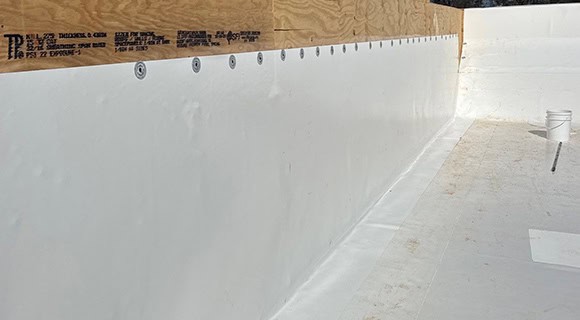
restaurant flat roofing systems parapet wall

Restaurants create environmental stress that exceeds typical commercial use. Heat exhaust, moisture vapor, grease discharge, and frequent rooftop access combine to degrade membranes quickly. Flat roof materials must resist chemical exposure, thermal cycling, punctures, and standing water while supporting sanitation standards.

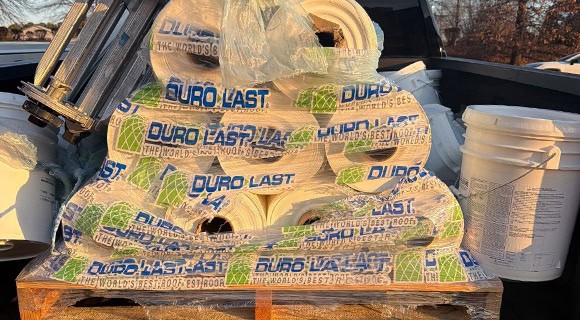
PVC roofing and Duro-Last membranes stand at the top due to strength, reflectivity, and resistance to grease. It includes heat-welded seams that create a continuous watertight surface. Duro-Last systems arrive prefabricated, reducing on-site seams and installation errors. Both materials clean up easily, repel contaminants, and resist bacterial growth. These advantages make them the gold standard for restaurant environments.

Other Acceptable Commercial Roof Options

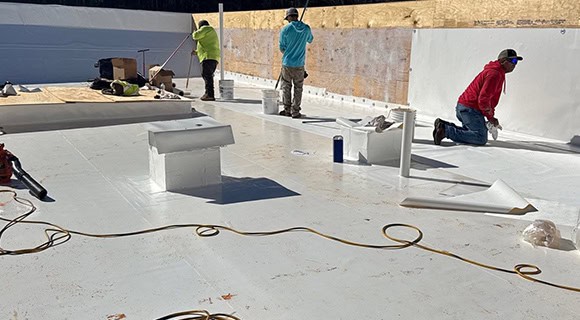
restaurant flat roofing systems membrane installation

TPO Roofing: Known for its reflective surface, TPO resists UV damage and heat absorption, requiring only periodic inspections and cleaning. The system is affordable and energy-efficient, but grease exposure can shorten its performance (without frequent aggressive cleanings).

Built-Up Roofing (BUR): Multiple layers of tar and gravel provide strength but require frequent inspections for cracks or surface blisters. This roofing system performs well under foot traffic but traps moisture, requiring frequent inspections and cleanings.

Modified Bitumen: Susceptible to damage from ponding water, modified bitumen needs routine evaluations and preventive coatings to remain intact. This system offers durability but absorbs residues that demand scheduled washing.

Metal Roofing: With proper installation and coatings, metal roofs can last over 40 years, only needing occasional fastener checks and surface cleaning. These roofs are appropriate for some structures (slope limitations restrict universal use).

Each alternative functions adequately with consistent maintenance. Without cleaning and inspection, these systems experience seam failure, membrane blistering, or drainage obstruction faster than a premium option.

New Image Roofing Atlanta Maintenance Contract

restaurant flat roofing systems maintenance

Preventive care determines whether a restaurant’s roof protects or becomes a liability. The New Image Roofing Atlanta Roof Maintenance Contract includes scheduled inspections, debris removal, grease mitigation, drainage review, and seam evaluation. Maintenance visits identify early wear before leaks develop, preserving warranty eligibility and budget planning. This proactive approach minimizes emergency repairs while supporting sanitation requirements.

Why Hire New Image Roofing Atlanta

restaurant flat roofing systems bbb accredited roofer

New Image Roofing Atlanta specializes in commercial roofing solutions tailored for food service operations. Crews understand kitchen exhaust, rooftop equipment, and restaurant facilities compliance standards. Experience with PVC and Duro-Last systems ensures accurate installation, seamless detailing, and long-term reliability. Clients receive clear documentation, responsive service, and operational schedule solutions. Consider the following:

  • Versatile Installation and Maintenance Skills – Skilled teams trained in single-ply, BUR, modified bitumen, metal, and green roof systems.
  • Proven Track Record – A portfolio of successful projects across retail, industrial, healthcare, and office sectors.
  • Collaborative Approach – Seamless communication with architects, engineers, and general contractors ensures on-time delivery.
  • Commitment to Quality – Meticulous installation and maintenance methods backed by warranties, skill, and dedicated customer service.
  • BBB Accredited Business – New Image Roofing Atlanta is an accredited A+ Rated roofing contractor.

Key Takeaways for Best Restaurant Flat Roofing System

restaurant flat roofing systems near me

Choosing a flat roof system for restaurant use demands careful material selection, professional installation, and structured maintenance. PVC and Duro-Last membranes dominate due to resistance against grease, chemicals, and moisture. These systems maintain integrity through heat-welded seams and smooth surfaces that simplify cleaning. A reduced seam count lowers leak risks while reflective properties support energy efficiency.

Alternate membranes (TPO, modified bitumen, metal, and built-up roofing) remain viable when supported by frequent inspections and cleaning. Without this care, grease buildup accelerates deterioration and compromises performance. Drainage design also matters. Standing water promotes membrane breakdown and interior humidity issues.

Installation quality remains essential. Even premium membranes fail without proper flashing details, equipment curbs, and exhaust protection. Experienced contractors anticipate restaurant-specific challenges and reinforce vulnerable areas during the installation.

Maintenance contracts extend roof life by preventing defects from escalating (while documentation from routine visits supports warranty claims and compliance audits). For restaurant owners seeking predictable costs and reliable protection, pairing superior materials with expert care delivers measurable value.

Restaurant Roofing Systems

In this article, you revealed restaurant roofing requirements, leading membrane choices, maintenance requirements, and contractor competence. Readers learned why PVC and Duro-Last systems outperform alternatives and how ongoing care preserves performance.

Proper roofing decisions result in fewer shutdowns, cleaner environments, improved energy efficiency, and long-term cost control. Restaurants benefit from uninterrupted service and strong protection against environmental stress.

Ignoring roofing needs leads to leaks, sanitation risks, equipment damage, and lost revenue. Delayed action increases repair expenses and threatens operational stability, making informed roofing decisions essential for restaurant success.

Sources:
dph.georgia.gov/sites/dph.georgia.gov/files/EnvHealth/Food/InterpretationManual/EnvHealthInterpretationManualPublicHealthReasons2016-01.pdf
agr.georgia.gov/basic-requirements-retail-food
garestaurants.org/news/why-routine-roof-inspections-are-key-to-keeping-a-business-running-smoothly

  New Image Roofing Atlanta

    2020 Howell Mill Rd NW Suite 232
Atlanta, GA 30318
(404) 680-0041