Tag Archive for: Atlanta Residential Roofing

Hurricane Milton is making landfall in Florida, and residents across the state must prepare for the potential devastation it could bring. With forecasts predicting high winds, torrential rain, and widespread flooding, Hurricane Milton could leave communities struggling to rebuild.

Hurricane Milton roof damage emergency resources contacts and disaster recovery

New Image Roofing Atlanta gathered information about Hurricane Milton, the damage and devastation it will likely leave in its path, valuable emergency resources, and what New Image Roofing has invested to assist the urgent upcoming recovery efforts.

New Image Roofing Florida 352-316-6008 is ready to assist residents and businesses with roofing and recovery needs. Below is a breakdown of the potential risks, necessary resources, and emergency contacts to help Floridians navigate this challenging time.

Potential Devastation from Hurricane Milton

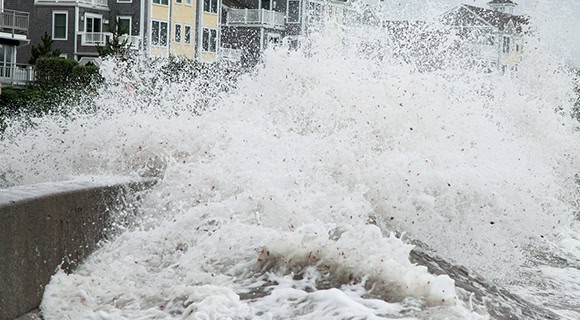
Hurricane Milton storm surge emergency resources contacts and disaster recovery

Hurricane Milton’s impact on Florida could be catastrophic. Forecasts show a Category 4 storm, and officials urge everyone to prepare for the worst. The potential damage from this hurricane could include:

Winds up to 150 mph – These extreme wind speeds can tear roofs off homes and businesses, uproot trees, and snap power lines. Flying debris could cause significant property damage and put lives at risk.

Torrential rainfall and flooding – Milton is expected to dump up to 20 inches of rain in certain areas, leading to flash flooding in low-lying regions. Coastal areas face the added threat of storm surge, which could inundate homes and infrastructure.

Watch this video to grasp the dangers of storm surge (a storm surge of 15 feet is expected with Hurricane Milton).

Power outages – Downed power lines will likely cause widespread outages. These outages may last days or weeks, leaving communities without access to essential services.

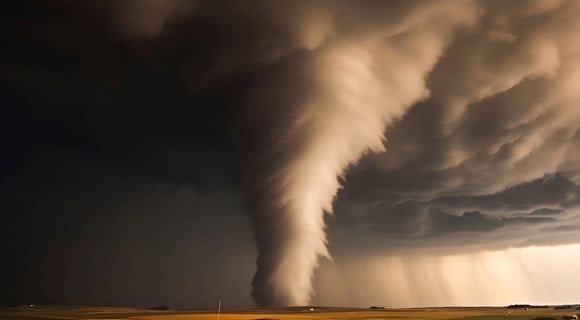
Tornadoes – Hurricane Milton’s powerful system could spawn tornadoes, particularly in the eastern parts of the state, causing additional destruction.

Watch this video to see Hurricane Milton’s approach to Florida’s west coast.

New Image Roofing Florida’s Response

New Image Roofing Florida has a strong history of helping communities recover after hurricanes. The company is prepared to assist with Hurricane Milton’s aftermath. As part of their commitment to helping Florida rebuild, New Image Roofing teams will be deployed to the most affected regions as soon as it is safe to begin repairs.

Rapid Deployment – New Image Roofing Florida teams are on standby, ready to travel to hurricane-affected areas to begin emergency repairs. Their teams specialize in patching damaged roofs, installing temporary tarps, and providing long-term roofing solutions.

Hurricane Milton response team emergency resources contacts and disaster recovery

NEW IMAGE ROOFING FLORIDA
352-316-6008

Residential and Commercial Assistance – New Image Roofing Florida is equipped to handle residential and commercial properties. Their priorities are to rapidly secure buildings, prevent further water damage, and help businesses reopen quickly.

Free Inspections and Estimates – The company offers free roof inspections and damage estimates for all affected Floridians.

Experienced Hurricane Recovery Teams – With years of experience handling the aftermath of powerful storms, New Image Roofing Florida will work efficiently to secure homes, schools, businesses, and critical infrastructure.

Federal and State Resources

In the wake of Hurricane Milton, Floridians will rely on various state and federal agencies to provide essential services. Below is a list of important contacts and resources for emergency assistance, shelters, and recovery support:

Federal Emergency Management Agency (FEMA)

Hurricane Milton emergency resources contacts and disaster recovery fema

Website: fema.gov
Phone: 1-800-621-FEMA (3362)

Services: FEMA provides disaster relief assistance, including temporary housing, emergency financial aid, and infrastructure repair.

American Red Cross

Hurricane Milton emergency resources contacts and disaster recovery American Red Cross

Website: redcross.org
Phone: 1-800-RED-CROSS (733-2767)

Services: The Red Cross offers shelter, food, and medical support during and after disasters.

Florida Division of Emergency Management (FDEM)

Hurricane Milton emergency resources contacts and disaster recovery fdem

Website: floridadisaster.org
Phone: 850-815-4000
State Assistance Emergency Line: 1-800-342-3557
Florida Relay Service: Dial 711 (TDD/TTY)

Services: FDEM coordinates state-wide emergency response, disaster recovery, and evacuation orders.

New Image Roofing Florida

Hurricane Milton Florida roof damage repair emergency resources contacts and disaster recovery

Website: newimageroofingfl.com
Phone: 352-316-6008

Services: New Image Roofing Florida provides full-service emergency roof inspections, patching up damaged roofs, installing temporary tarps, and providing long-term roofing solutions. The company will also coordinate/attend adjusters meetings with your insurance agency.

Florida Power & Light (FPL)

Hurricane Milton emergency resources contacts and disaster recovery fpl

Website: fpl.com
Phone: 1-800-468-8243

Services: FPL provides power outage reporting and updates on restoration timelines.

National Flood Insurance Program (NFIP)

Hurricane Milton emergency resources contacts and disaster recovery nfip

Website: floodsmart.gov
Phone: 1-888-379-9531

Services: NFIP provides information about flood insurance policies and assistance with claims after flood damage.

Florida Department of Transportation (FDOT)

Hurricane Milton emergency resources contacts and disaster recovery fdot

Website: fdot.gov
Phone: 1-850-414-4100

Services: FDOT manages road closures and traffic conditions. They provide real-time updates about safe evacuation routes and road repairs after a storm.

Local Florida County Emergency Services

Each Florida county has emergency management teams coordinating shelters, first responders, and relief efforts. Check your county’s website for specific contact numbers and resources. At-risk counties include:

Charlotte
Citrus
De Soto
Flagler
Glades
Hardee
Hernando
Hillsborough
Manatee
Pasco
Pinellas
Sarasota
Sumter

Visit WUSF (West Central Florida’s NPR station) website for valuable local information, emergency shelter, and guidance.

Website: wusf.org

Hurricane Season Risks and Preparedness

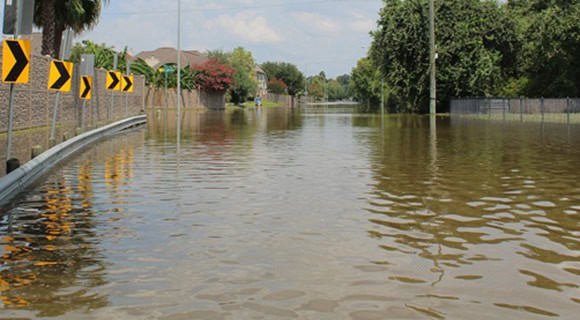
Hurricane Milton storm surge flooding emergency resources contacts and disaster recovery

Florida’s hurricane season runs from June 1 to November 30. Hurricane Milton is hitting just as the state braces for more potential storms. The danger doesn’t end when the hurricane passes. After a storm like Milton, communities are left vulnerable to future weather events. The risk of another hurricane striking Florida before Milton’s recovery remains high.

Weakening Infrastructure – After Milton, homes and businesses will be more susceptible to damage from weaker tropical storms or hurricanes. Unrepaired roofs and weakened structures could collapse or fail under minimal pressure.

Flooding Risks – Milton’s heavy rainfall and storm surge will saturate the ground and fill waterways. This will leave communities vulnerable to even small rain events, with the potential for additional flooding.

Power Restoration Delays – With Milton causing widespread outages, the power grid may remain unstable for weeks, making it difficult for residents to recover fully before the next storm hits.

Preparing for Future Storms – Residents must begin making plans now for the rest of hurricane season. Stock up on supplies, make sure your property is secure, and stay informed about future weather developments.

Additional Tips for Hurricane Preparedness

To ensure the safety of yourself and your loved ones, follow these guidelines when preparing for a Hurricane:

Evacuate if Ordered – Listen to local officials and immediately evacuate if you are in an evacuation zone. Delaying could put your life at risk.

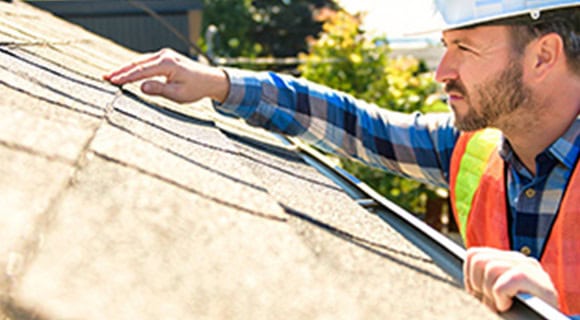
Secure Your Property – Install hurricane shutters, trim trees, and secure outdoor items. Consider having your roof inspected by New Image Roofing before the storm hits.

Hurricane Milton emergency resources contacts and disaster recovery roof inspection

Prepare a Disaster Kit – Include essentials like water, food, medications, flashlights, batteries, and important documents.

Stay Informed – Official sources like FEMA, FDEM, and the National Weather Service offer updates and information.

Read more about hurricane preparedness at newimageroofingatlanta.com/hurricane-preparedness-a-comprehensive-guide

Hurricane Milton Resources and Recovery

In this article, you discovered information about hurricane preparedness, potential severe damage to roofs and homes, post-hurricane emergency services and resources, and how to repair your home and roof after the storm.

Your awareness and preparedness for Hurricane Milton (and coming storms) will minimize damages and help you return to normal in the storm’s aftermath.

Lack of proactive measures and delayed action will leave you uninformed, in life-threatening situations, and severely challenged to get your home and roof repaired after a hurricane sweeps through your community.

New Image Roofing Florida – 352-316-6008

Sources:
fema.gov/disaster/current/hurricane-milton
climate.gov/news-features/event-tracker/hurricane-milton-rapidly-intensifies-category-5-hurricane-becoming
nhc.noaa.gov/refresh/graphics_at4+shtml/150217.shtml?cone

  New Image Roofing Atlanta
 

    2020 Howell Mill Rd NW Suite 232
    Atlanta, GA 30318
    (404) 680-0041
 

Natural disasters can leave a morbid path of destruction and families in need of urgent help. Learn how an Atlanta-based roofing company dispatched its assets and staff to assist East and South Georgia’s recovery efforts and help those affected return to normalcy.

hurricane helene emergency resources and disaster recovery

New Image Roofing Atlanta gathered information about Hurricane Helene, the damage and devastation it left in its path, valuable emergency resources, and what the company has invested to assist the urgent ongoing recovery efforts.

Hurricane Helene Devastation

hurricane helene emergency resources and disaster recovery hazlehurst georgia damage

Hurricane Helene came ashore with relentless force, causing significant destruction across the Southeastern United States. The storm brought powerful winds, torrential rain, and widespread flooding, severely damaging infrastructure and homes.

Wind Speeds – Helene brought sustained winds of up to 140 mph. These winds uprooted trees, tore roofs from buildings, and flattened homes and businesses.

Flooding – Inundating rainfall led to flash flooding, particularly in low-lying areas. The storm surge also pushed ocean water far inland, overwhelming dams, creeks, and rivers.

Tornadoes – The storm system spawned numerous tornadoes in its path, increasing the destruction, especially in rural areas.

hurricane helene and tornado emergency resources and disaster recovery

Injuries and Fatalities – Hurricane Helene resulted in more than 100 confirmed deaths (this number keeps rising), with many others still missing. Emergency response teams reported over 100 severe injuries from flying debris, collapsed structures, and drowning.

fema assistance hurricane helene emergency resources and disaster recovery

FEMA assistance is available for those affected by Hurricane Helene. Read more HERE and apply online HERE.

Watch this video from FEMA Accessible on how to register for individual assistance.

Structural Damage Across the Region

hurricane helene structural damage emergency resources and disaster recovery

The storm left entire neighborhoods in ruins, especially in Georgia, Florida, North Carolina, and South Carolina. Helene’s destructive winds and water caused the following:

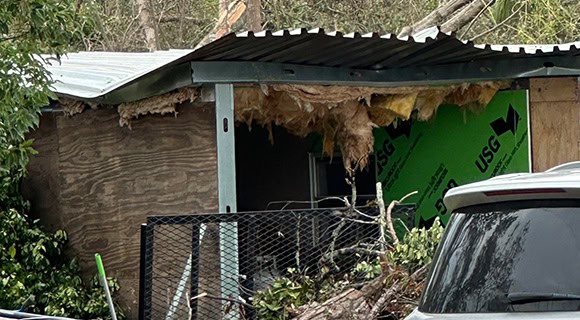
Residential Damage – Tens of thousands of homes sustained damage, with many losing roofs or collapsing under the weight of floodwaters.

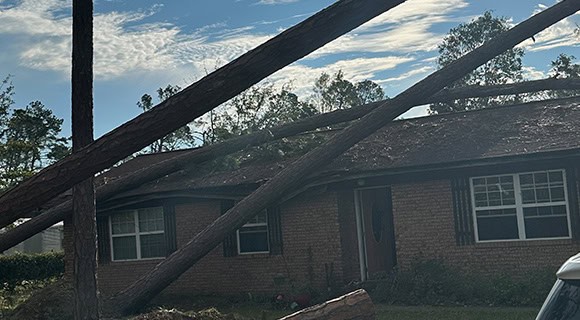
hurricane helene severe roof damage emergency resources and disaster recovery

Business Closures – Thousands of businesses in Hazlehurst and Valdosta closed indefinitely. Their buildings were either destroyed or severely compromised.

Infrastructure Failures – Highways and bridges sustained significant damage, limiting access to relief workers. Municipal buildings, hospitals, and schools also suffered extensive destruction.

Watch this video to see the extent of damages caused by Hurricane Helene.

Widespread Power Outages

Hurricane Helene crippled the Southeast’s power grid, leaving millions of people without electricity. Hazlehurst and Valdosta were among the communities that suffered prolonged outages.

Downed Power Lines – The hurricane’s winds snapped power lines and knocked down transmission towers. Repair efforts are underway, but power may not fully return to the region for several weeks.

Report Downed Power Lines to Georgia Power at (888) 891-0938 or 911.

Communication Issues – With the power grid offline, internet, cellular networks, and landline communications remain limited in many areas, further complicating relief and recovery efforts.

Water Supply and Sanitation – The lack of power affected water treatment plants, leading to boil-water advisories and concerns about sanitation in many affected areas.

New Image Roofing Atlanta’s Response

hurricane helene fast emergency response resources and disaster recovery

New Image Roofing Atlanta swiftly mobilized its teams to aid in the recovery efforts in the aftermath of Hurricane Helene. Understanding the critical role roofing companies play in storm recovery, New Image Roofing prioritized getting boots on the ground in Hazlehurst and Valdosta.

Team Deployment – New Image Roofing Atlanta teams immediately traveled to Hazlehurst and Valdosta, two of the hardest-hit regions. The teams are currently patching damaged roofs, removing debris, and offering long-term repair and replacement solutions.

hurricane helene emergency resources disaster response and recovery

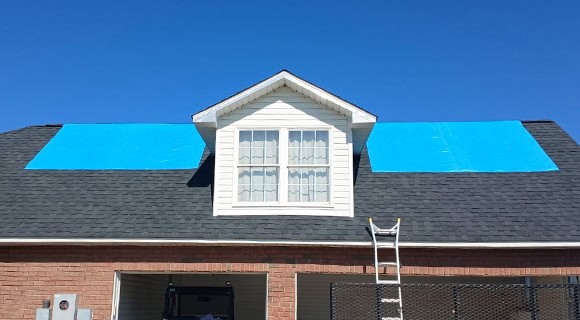
Emergency Repairs – Many homes and businesses needed immediate attention to prevent further water damage and protect the remaining structures. New Image Roofing’s crews have focused on temporary tarping solutions and quick roof repairs, with more extensive repairs and replacements to follow.

hurricane helene emergency resources and disaster recovery

Specialized Assistance – With decades of experience in disaster recovery, New Image Roofing’s teams are equipped to handle residential and commercial needs. They work with local authorities to prioritize the most vulnerable buildings, including shelters, hospitals, and schools.

hurricane helene emergency resources and disaster recovery teams

Community Commitment – New Image Roofing Atlanta aims to be more than just a repair service. The company provides free estimates and helps residents navigate insurance claims.

Our company is here to help! Contact us for your residential or commercial roofing needs at newimageroofingatlanta.com/contact or call 404-680-0041.

The Ongoing Hurricane Season

Hurricane Helene struck during a particularly active hurricane season, from June 1 to November 30. This leaves the Southeast vulnerable to additional severe storms before the end of the season. Experts warn that the region may not have enough time to fully recover from Helene before another significant weather event hits.

Vulnerability to Future Storms – With so many buildings already damaged or weakened, the danger of another hurricane or severe storm poses a significant threat. The region remains vulnerable to additional flooding, wind damage, and infrastructure collapse.

Forecast for More Storms – Meteorologists predict an increased likelihood of tropical storms or hurricanes hitting the Southeast before the season ends. Communities must brace for more potential disruptions and losses.

For more Hurricane preparedness information, read THIS ARTICLE.

Stay up-to-date with local and national weather at weather.com

Urgency of Repairs – With the possibility of another storm looming, the need for quick repairs and stabilization efforts is critical. New Image Roofing Atlanta’s teams are racing against time to restore homes and commercial properties before the next potential disaster.

Watch this video to learn how hurricanes form.

Recovery Challenges and the Road Ahead

Recovering from Hurricane Helene will be long and challenging, requiring significant resources and community cooperation. While roofing repairs and replacements are a vital first step, much work remains to bring life back to normal for those affected.

Housing Shortages – Many families remain displaced as their homes are uninhabitable. Temporary shelters are at capacity, and rebuilding efforts are slow due to material and labor shortages.

Economic Impact – Businesses, especially small local establishments, face tremendous financial strain. Without rapid rebuilding, many may not recover from the losses incurred during and after the hurricane.

Mental Health and Well-Being – The emotional toll of such devastation is often overlooked. Families are dealing with the loss of loved ones, homes, and livelihoods. The psychological impact of the hurricane will linger long after the physical recovery is complete. For help, contact SAMHSA at samhsa.gov/find-help/disaster-distress-helpline or call 24/7 at 1-800-985-5990.

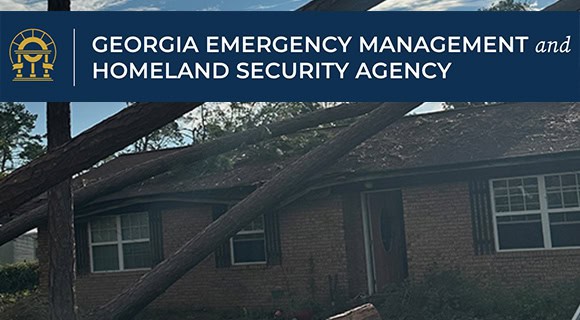
Individual Assistance – In Georgia, contact “Georgia Emergency Management and Homeland Security Agency” HERE, you can also call (404) 635-7200 or call toll-free at 1-800-879-4362.

georgia emergency management hurricane helene emergency resources and disaster recovery

Immediate Assistance – Contact The American Red Cross for immediate assistance at https://www.redcross.org/get-help.html or call 1 800 RED CROSS (1-800-733-2767).

Financial Help – See if you qualify for financial assistance at usa.gov/disaster-financial-help

Hurricane Helene Recovery Efforts

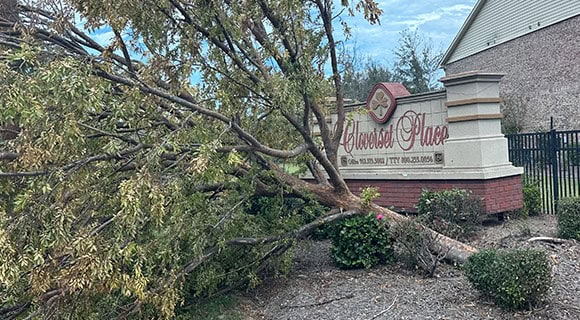
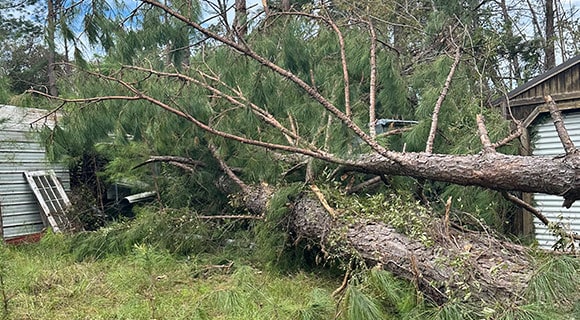
hurricane helene downed trees emergency resources and disaster recovery

Hurricane Helene left a trail of devastation in the Southeast, affecting Georgia and several neighboring states. The storm’s impact was immediate and severe, and the recovery process will take time and effort.

Hurricane Helene’s impact on the Southeast has been catastrophic. However, the response from companies like New Image Roofing Atlanta brings hope to affected communities. As the hurricane season continues, the urgency for rebuilding grows. Hazlehurst and Valdosta residents can rely on New Image Roofing’s commitment to restoring their homes and businesses, but the challenge remains far from over.

Hazlehurst and Valdosta, Georgia, communities were among the most significantly damaged.. To assist in the rebuilding efforts, New Image Roofing Atlanta dispatched specialized teams to help restore homes and businesses in these regions. These communities must remain vigilant, prepare for future storms, and support each other through the long road to recovery.

Sources:
fema.gov/press-release/20241004/fema-assistance-available-people-affected-hurricane-helene-more-45-million
usa.gov/hurricane-helene
epa.gov/hurricane-response/hurricane-helene
dhs.gov/news/2024/09/25/dhs-statement-safety-and-enforcement-during-hurricane-helene

  New Image Roofing Atlanta
 

    2020 Howell Mill Rd NW Suite 232
    Atlanta, GA 30318
    (404) 680-0041
 

Avoid costly structural damage and destructive power surges when lightning strikes your home. Understanding the power lightning carries and how to divert it will help prevent catastrophic lightning damage to your home.

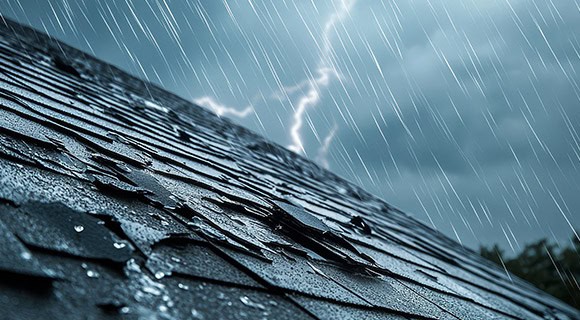
Lightning strike damage residential roof

New Image Roofing Atlanta gathered crucial information about how lightning strikes affect a home’s electrical systems, appliances, and structural integrity and what you can do to mitigate them.

How Lightning Forms

Lightning forms during thunderstorms resulting from imbalances between positive and negative charges in the atmosphere. Ice crystals and water droplets collide in a storm, creating an electrical charge buildup. A cloud’s upper portion typically holds positive charges, while the lower section becomes negatively charged.

When this imbalance grows large enough, nature corrects it by discharging electricity as a lightning strike. The bolt either moves within the cloud, between clouds, or between the cloud and the ground. A lightning strike to the ground occurs when the negative charge at the cloud’s bottom seeks to connect with positive charges on the Earth’s surface.

What Attracts Lightning?

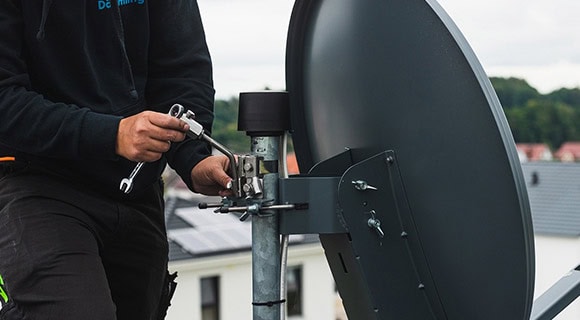
Lightning strike damage residential roof satellite

Lightning seeks the least resistant path to connect to the ground. This often means it targets tall or conductive objects. Here are some common attractors:

Tall Objects – Lightning frequently strikes the highest point in an area, like trees, utility poles, or a home’s roof.

Conductive Materials – Lightning is attracted to conductive materials like metals. Roofs with metal flashing or metal objects mounted on them (like satellite dishes, antennas, or chimneys) may become targets for lightning.

Water and Wet Surfaces – Water is an excellent electricity conductor. If a roof is wet, it can enhance conductivity, making it more attractive to lightning.

Note: Lightning doesn’t need to hit the exact rooftop to cause damage. Even nearby strikes can result in electrical surges and fires within your home.

Energy in a Lightning Strike

Lightning is powerful. The average lightning bolt can contain up to 1 billion electrical volts with temperatures exceeding 50,000°F (five times hotter than the sun’s surface). The energy released by a lightning strike can be up to 300 kilowatt-hours in a fraction of a second. This immense energy release can damage everything, including electronics, electrical wiring, and a home’s structural integrity.

Potential Damage to a Home’s Structure and Electronics

Lightning strike damage residential shingle roof

A direct lightning strike to a residential roof can cause various damages, including:

Fire Damage – The intense heat from a lightning strike can ignite combustible materials like wood and shingles on a home’s roof. Even metal roofs are not immune to fire risks since the heat can reach high enough temperatures to cause surrounding materials to catch fire.

Roof Damage – A lightning strike’s force can shatter roof tiles, damage shingles, or puncture holes in the roof. This leaves the home vulnerable to further damage from rainwater entering the structure.

Electrical Damage – Power surges are among the most common lightning results. When lightning strikes a home or nearby power lines, the surge can travel through electrical wiring, destroying appliances and electronics. Devices like televisions, computers, and HVAC systems are particularly vulnerable.

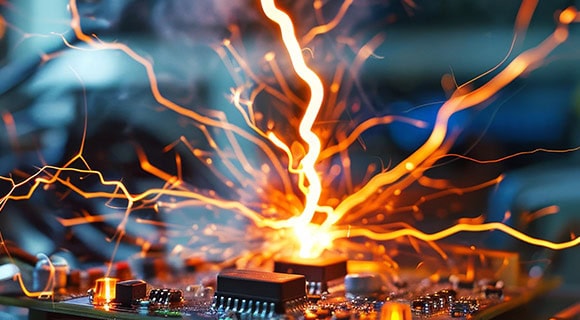
Lightning strike electronics damage residential roof

Plumbing Damage – If your home has metal plumbing, lightning can travel through it, leading to ruptures, leaks, or electrocution hazards.

Structural Damage – A lightning strike’s force can cause cracks in walls, damage to chimneys, and even foundation movement in extreme cases.

Who to Call After a Lightning Strike

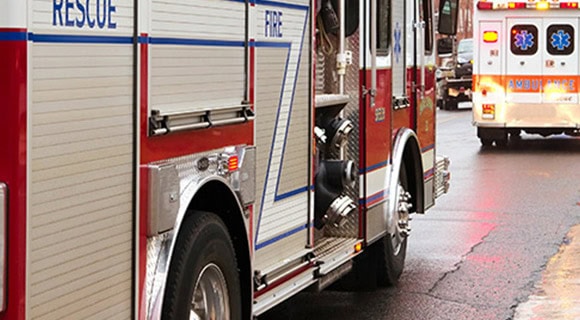
Emergency responders lightning strike damage residential roof

If your home is struck by lightning, you should immediately ensure your family’s and your property’s safety. Here’s who to contact:

Emergency Services – If you notice fire, smoke, or gas leak indications after a lightning strike, call 911 immediately. Lightning-induced fires can spread quickly, and first responders can prevent an issue from becoming catastrophic.

Electrician – Even if there are no immediate damage signs, have an electrician inspect your home’s electrical system. A surge from a lightning strike can cause hidden damage to your wiring, outlets, and appliances that may lead to future problems or fire risks.

RooferA licensed professional roofing contractor should inspect your roof for any damage caused by the strike. Even small punctures or cracks in the shingles can lead to leaks and water damage over time.

Plumber – If your home has metal plumbing, a plumber should inspect your pipes for damages. Lightning can cause holes in pipes or weaken them, leading to potential leaks or bursts later on.

Insurance Company – Lightning strikes are usually covered by homeowner’s insurance policies. Contact your insurance provider as soon as possible to report the damage and start the claims process. Be sure to document all visible damage and keep any receipts for emergency repairs.

Watch this video to learn more about insurance coverage and deductibles.

Preventing and Diverting Lightning Strikes

While you can’t stop a lightning strike from happening, there are several steps you can take to minimize damage risks to your home:

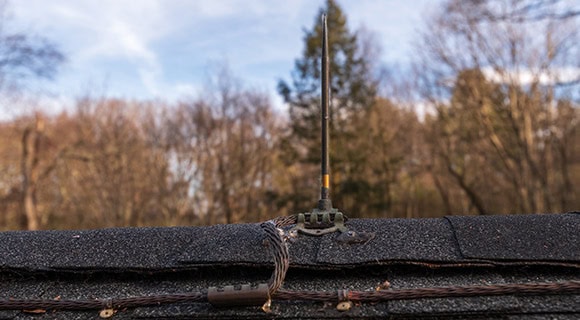
Install a Lightning Protection System – A lightning rod system is designed to direct a lightning strike’s energy safely into the ground, preventing damage to your home. The system typically includes rods, conductors, and ground rods that create a low-resistance path for the electricity to follow.

Lightning strike damage protection residential roof

Surge Protectors – Install whole-home surge protectors to help guard against power surges from lightning. These devices are connected to your home’s main electrical panel, preventing excess electricity from reaching your outlets and appliances.

Unplug Electronics – During a storm, it’s best to unplug sensitive electronics like televisions, computers, and kitchen appliances. While surge protectors help, unplugging devices offers maximum protection from surges.

Tree Trimming – Trees near your home can become targets for lightning. Keep them trimmed and ensure that large limbs are not hanging over your roof. If lightning strikes a tree, falling or ejected branches can cause significant damage to your roof.

Use Non-Combustible Roofing Materials – If you live in an area prone to lightning, consider using fire-resistant roofing materials like metal or tile. These materials are less likely to ignite compared to traditional asphalt shingles.

Read more about lightning strike prevention HERE.

Lightning and Residential Structures

In this article, you discovered how lightning strikes affect residential structures, the damage they cause, how to divert them, and what to do after one.

Knowing how to divert or prevent residential lightning strikes can help avoid costly structural and electrical damage.

Ignoring the need for lightning protection systems and using non-conductive material in your home’s construction can lead to catastrophic damage to your structure and electronic systems/equipment, resulting in an uninhabitable residence.

Sources:
noaa.gov/jetstream/lightning/lightning-safety
nvlpubs.nist.gov/nistpubs/Legacy/IR/nistir89-4113.pdf
nfpa.org/news-blogs-and-articles/blogs/2024/09/11/nfpa-780-and-protecting-buildings-from-lightning-strikes

  New Image Roofing Atlanta
 

    2020 Howell Mill Rd NW Suite 232
    Atlanta, GA 30318
    (404) 680-0041
 

Avoid panic and despair when a tree falls on your roof. Knowing how to promptly respond to a tree falling on your roof will help you minimize structural damages while restoring a safe and secure home for your loved ones.

Emergency repair or replacement after tree fell on roof

New Image Roofing Atlanta gathered crucial information about when a tree falls on your roof, ensuing inspections, recovery and repairs, and who to contact.

Immediate Damages to the Roof and Home

When a tree falls on your roof (shingle or membrane), the damage is immediate and potentially catastrophic. Whether a sloped (shingle) or low-slope roof, a tree impact can lead to severe structural damage, roof collapse, and secondary water, electrical, and gas problems. Consider the following:

Sloped Shingle Roofs

Emergency repairs after tree fell on house

Sloped shingle roofs, often found on residential homes, are more vulnerable to immediate damage when a tree falls on them. A tree impact can cause the following damage:

Roof Penetration – Depending on the tree’s size and weight, it can break through the shingle layers, underlayment, and sheathing, causing a large hole in the roof. This exposes your home to the elements, allowing rainwater, debris, and wind to enter the structure.

Structural Damage – Roof trusses and support beams, designed to hold up the roof, may be severely compromised. A heavy tree could cause the trusses to buckle or collapse entirely, damaging inside the home.

Water Damage – Once a roof is penetrated, rainwater can enter the attic and living spaces. Over time, this can lead to significant water damage, including mold growth, damage to insulation, and rot in the wooden roof and ceiling structures.

Gutter and Drainage Damage – A fallen tree can also damage gutters, downspouts, and the drainage system, causing water to accumulate around the foundation or enter the home through other vulnerabilities.

Low-Slope Roofs

Low-slope roofs, common on commercial buildings or modern homes, can also suffer severe damage from a tree fall. However, the damage may differ slightly from that of sloped roofs:

Membrane Damage – Low-slope roofs typically use a membrane (like TPO, EPDM, or PVC) for waterproofing. A tree impact can puncture or tear the membrane, allowing water to seep into the building.

Pooling Water – Low-slope roofs are more prone to water pooling. If a tree causes a depression or puncture, water may collect, worsening the damage and increasing the leak potential.

Ponding water after tree fell on roof

Structural Integrity – A large tree may cause a partial or complete collapse of the roof structure, leading to safety concerns for the structure’s occupants and making the roof unsafe for repair crews.

Inspecting Your Home After a Tree Impact

After a tree falls on your home, the first priority is safety. You should evacuate and call emergency services if there is any risk of injury or further damage. Here’s who to contact after the initial incident:

Emergency Services – If the tree has caused structural or physical damage, gas leaks, or electrical hazards, call 911 for immediate assistance.

Tree Removal Services – Contact a licensed tree removal service to safely remove the tree from your roof. Avoid trying to remove it yourself, as the weight and balance of the tree could cause further damage or injury.

Removal and emergency repair after tree fell on roof

Tip: Have the tree removal service tarp the affected area until a roofer can get onsite to evaluate the damage and begin emergency roof repairs or replacement.

Roofer – Hire a licensed roofing contractor to assess and repair the roof. They will check for broken trusses, holes, and water damage that may not be immediately visible.

For a free roof inspection and repair or replacement quote, contact newimageroofingatlanta.com today.

Gas, Water, and Electric Companies – After a tree impact, there is a risk that gas lines, water pipes, or electrical wiring may have been damaged. Contact the respective utility companies to inspect the home and ensure no leaks or fire hazards persist.

General Contractor – Once the roof and utilities are secured, a general contractor can assess any interior damage to walls, ceilings, and floors. They will coordinate necessary repairs to return your home to a livable condition.

Inspection Checklist

Water system leaks after tree fell on roof

Here are areas to thoroughly inspect after a tree falls on your roof:

Water Lines – Check for leaks or ruptures in the plumbing system if the tree has penetrated the roof into the living spaces.

Electrical Lines – Look for exposed wiring, shorts, or electrical fires. If you detect any issues, turn off the electricity at the main breaker and call an electrician.

Tip: If the tree fell through your power lines or the home’s connection, call your electric company to turn off the power until repairs are completed.

Gas Connections – If you smell gas or hear a hissing sound, evacuate immediately and call the gas company. A fallen tree could dislodge or break gas lines, leading to dangerous leaks.

Structural Integrity – Beyond the roof itself, inspect support beams, walls, and floors for shifting, cracks, or collapse.

Preventing Tree-Related Damage

Tree maintenance and pruning

While a tree falling on your home can seem like an unpredictable event, there are several steps you can take to prevent or minimize the damage:

Regular Tree Maintenance – One of the best ways to prevent a tree from falling on your home is by regularly maintaining the trees on your property. This includes trimming dead or weak branches, removing diseased trees, and ensuring that large trees are healthy and stable.

Plant Trees Away from Structures – When planting trees, place them far away from your home so (if they were to fall) they can’t reach the roof.

Note: Fast-growing trees can reach dangerous heights quickly, so it’s crucial to plan ahead.

Professional Tree Inspections – Hire a local arborist to inspect the trees on your property, especially if they are old or have suffered damage from storms. A professional can identify early signs of decay, disease, or weakness that may lead to a tree falling.

Find or verify an arborist HERE.

Install Impact-Resistant Roofing Materials – Consider upgrading to impact-resistant roofing materials. These materials, like metal or asphalt shingles with a Class 4 rating, are designed to withstand heavy impacts and may reduce the severity of damage if a tree falls on your home.

Post-Tree Fall Resources for Property Owners

After the tree is removed and your home is secured, you may need to contact several resources to assist in the recovery process:

Insurance Company – File a claim with your homeowner’s insurance provider to cover the costs of repairs and tree removal. Document all damages with photos and maintain receipts for any emergency expenses.

Watch this video for more information about insurance policies and deductibles.

Property Management – If you rent your home, contact your property manager to coordinate repairs and assessments with contractors.

Power Company – If the tree affected power lines, contact your local utility company to inspect and restore electrical services when it’s safe.

Water Company – If water lines are damaged, the water company can help repair them and ensure no leaks or contamination risks persist.

Gas Company – Ensure that any gas lines or meters affected by the tree impact are inspected and safely restored by your gas provider.

By taking prompt action and working with professionals, you can recover from the damages caused by a fallen tree while preventing further harm to your home.

Tree Roof Damage

In this article, you discovered what happens when a tree falls on your roof, who to call after a tree emergency, preventive measures, and crucial resources for homeowners.

Knowing what to do after a tree falls on your roof allows you to quickly initiate the repair and recovery process, returning your home to normal.

A delayed response to a tree falling on your home can result in severe or irreparable structural damage, potentially life-threatening situations, and costly repairs.

Sources:
ready.gov/thunderstorms-lightning
treesaregood.org/treeowner/treehazards
iii.org/article/if-a-tree-falls-on-your-house-are-you-covered

  New Image Roofing Atlanta
 

    2020 Howell Mill Rd NW Suite 232
    Atlanta, GA 30318
    (404) 680-0041