Tag Archive for: Commercial Roof Repair In Atlanta Ga

Keep commercial roofing problems from turning into leaks and costly repairs. Knowing what commercial roofing problems to watch for and what action to take can prevent severe roof damage.

problems and solutions for commercial roofs

New Image Roofing Atlanta explores 11 reasons commercial roofs develop significant problems and how to efficiently solve them.

1. Ponding Water

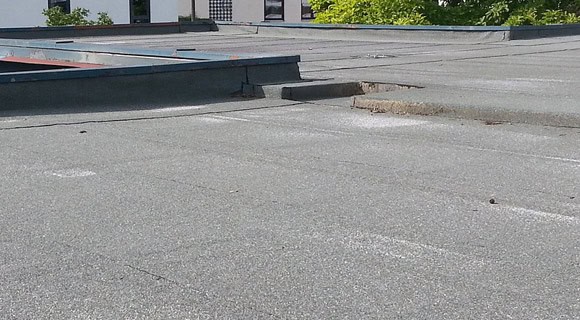
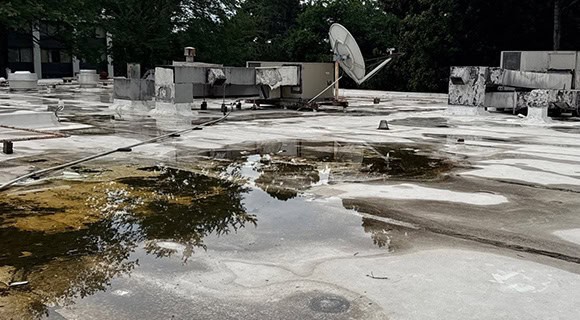
ponding water problems and solutions for commercial roofs

  • Problem: Low spots or poor drainage cause water to pool for more than 48 hours after rainfall.
  • Solution: Regrade insulation, clear blocked drains, and install tapered insulation systems to promote water flow.

2. Damaged or Missing Flashing

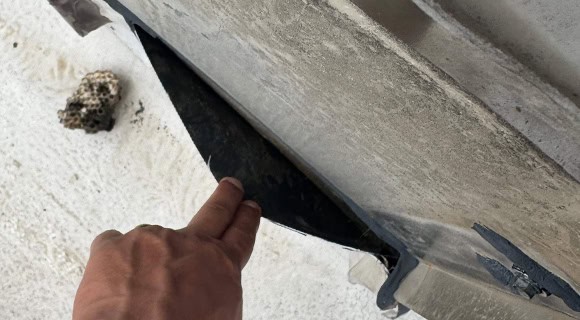
damaged flashing problems and solutions for commercial roofs

  • Problem: Flashing seals the edges, penetrations, and transitions on a roof. Damaged flashing allows water to infiltrate.
  • Solution: Inspect flashing regularly and replace any sections showing cracks, warping, or separation.

3. Membrane Punctures or Tears

membrane tear problems and solutions for commercial roofs

  • Problem: Foot traffic, dropped tools, or debris can puncture a membrane, letting moisture penetrate.
  • Solution: Install walkway pads for foot traffic and repair punctures immediately with manufacturer-approved patches.

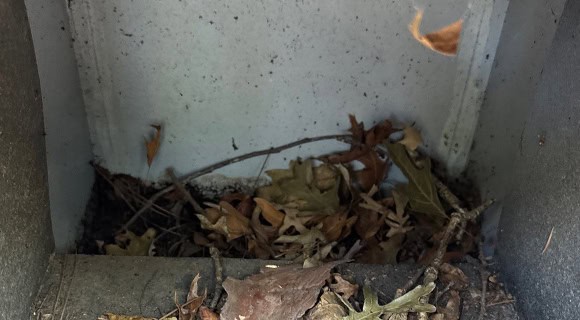
4. Clogged Roof Drains and Gutters

clogged drain problems and solutions for commercial roofs

  • Problem: Leaves, debris, and sediment block water flow, causing overflows and leaks.
  • Solution: Schedule regular drain and gutter cleanings to ensure continuous proper drainage.

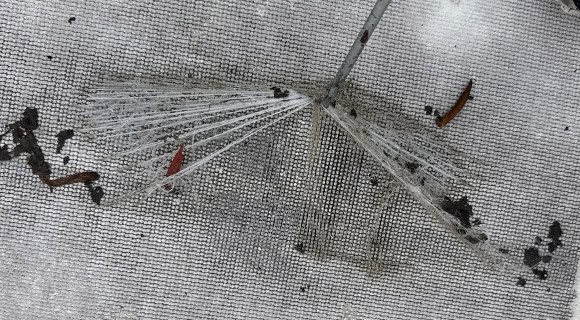
5. Poorly Installed Roofing Materials

unsealed membrane seam problems and solutions for commercial roofs

  • Problem: Inexperienced installers may leave seams unsealed or components misaligned.
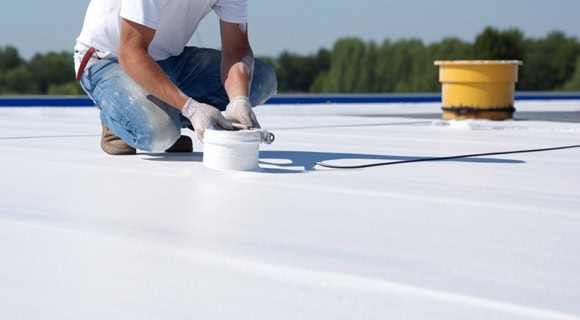
  • Solution: Hire certified, experienced commercial roofing contractors and conduct post-installation inspections.

6. Open Roof Seams

  • Problem: Seams between membrane sheets can loosen over time due to thermal expansion and contraction.
  • Solution: Seal open seams promptly using compatible adhesives or heat-welding methods.

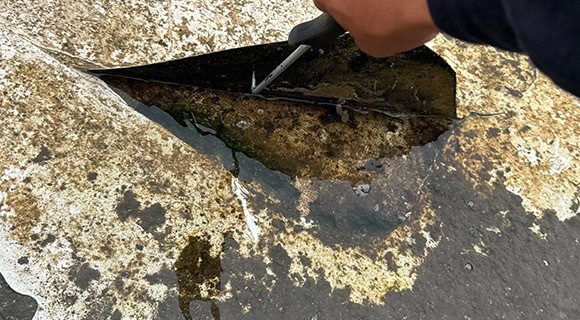
7. Blistering or Bubbling in Roofing Materials

  • blistered membrane problems and solutions for commercial roofs
  • Problem: Trapped moisture or air beneath the membrane causes raised blisters that weaken the roof surface.
  • Solution: Remove blistered sections, repair the substrate, and reinstall the membrane (following the manufacturer’s specifications).

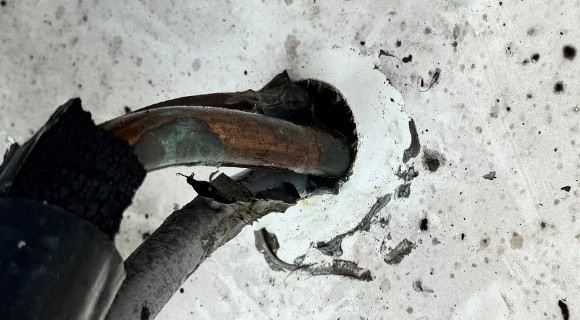
8. Damaged Roof Penetrations

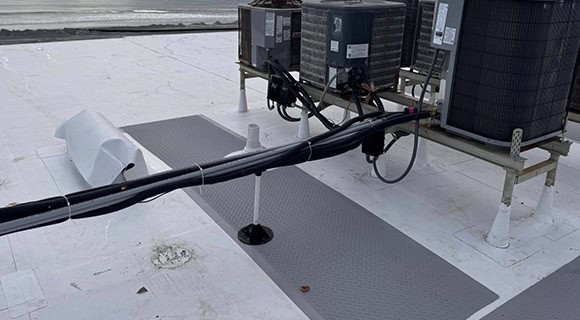
penetrations problems and solutions for commercial roofs

  • Problem: HVAC units, vents, skylights, and other penetrations are common issues when flashing or seals fail.
  • Solution: Inspect all penetrations during routine maintenance and reseal or replace components when deterioration appears.

Read more about commercial roof penetrations HERE.

9. Shrinking Roofing Membrane

  • Problem: Aging or poor-quality materials can shrink and pull away from edges and flashing.
  • Solution: Replace affected sections and upgrade to a higher-grade membrane with proper expansion capability.

10. Structural Movement

  • Problem: Building settling or structural shifting can crack roofing materials or break seals.
  • Solution: Use flexible roofing materials that can accommodate slight building movement and repair damaged areas quickly.

11. UV Damage and Weathering

weathered material problems and solutions for commercial roofs

  • Problem: Constant exposure to sunlight degrades roofing materials, making them brittle and prone to cracking.
  • Solution: Apply reflective roof coatings and replace damaged sections to extend the roof’s life.

New Image Roofing Atlanta Maintenance Contract
maintenance programs problems and solutions for commercial roofs

Preventive maintenance is the most effective way to avoid commercial roof problems. New Image Roofing Atlanta offers customized maintenance contracts designed to extend roof life, minimize repair costs, and prevent costly downtime.

A maintenance contract includes:

  • Scheduled Inspections – Professional inspections at least twice a year, plus after major weather events.
  • Detailed Reporting – Photos and written documentation outlining current roof conditions, needed repairs, and recommended upgrades.
  • Priority Service – Maintenance contract clients receive expedited scheduling for urgent repairs.
  • Preventive Repairs – Small issues (seam separation or minor punctures) are addressed before they lead to significant leaks.
  • Budget Planning – Annual maintenance reports help building owners forecast future roof expenses and plan capital improvements.

Routine maintenance under a professional contract ensures compliance with most manufacturer warranties and extends the lifespan of your roof.

Why Hire New Image Roofing Atlanta

bbb accredited contractor problems and solutions for commercial roofs

New Image Roofing Atlanta specializes in commercial low-slope roofing systems for businesses throughout the state of Georgia. By choosing our team, you benefit from:

Expertise in All Commercial Roof Types – TPO, PVC, EPDM, modified bitumen, and metal roofing systems.
Certified Installers – Our technicians are trained to meet or exceed manufacturer installation standards.
Advanced Diagnostic Tools – Infrared moisture scanning, drone inspections, and leak detection technology.
Commitment to Quality – We use only proven materials from trusted manufacturers.
Local Experience – We understand Atlanta’s climate challenges and design roofing solutions to withstand heavy rain, heat, and UV exposure.
BBB Accredited Business – New Image Roofing Atlanta is an accredited – A+ Rated – roofing contractor.

When you hire New Image Roofing Atlanta, you are not just getting a roof – you are getting a partner dedicated to keeping your building safe, efficient, and compliant with building codes.

Key Considerations for Commercial Roof Problems and Solutions

Commercial roofs face unique challenges due to their size, design, and exposure to harsh weather conditions. Identifying and addressing these problems quickly can save building owners thousands in repair costs and prevent operational disruptions.

1. Timely Detection is Crucial

Small leaks or cracks, if ignored, can quickly escalate into structural damage. Regular inspections detect issues like membrane punctures, ponding water, or flashing deterioration before they become emergencies.

2. Choosing the Right Materials

Different roofing systems offer varying levels of durability, weather resistance, and maintenance requirements. Selecting materials suited for the local climate and building usage ensures maximum lifespan and performance.

3. Preventive Maintenance is Cost-Effective

Implementing a consistent maintenance schedule reduces the frequency of major repairs and extends the service life of your roof. A maintenance plan typically includes inspections, debris removal, seam resealing, and cleaning drainage systems.

4. Skilled Contractors Make the Difference

The quality of installation and repair work directly impacts a roof’s performance. Hiring certified commercial roofing specialists guarantees that materials are installed to the manufacturer’s specifications and industry standards.

5. Documentation Protects Investments

Keeping detailed records of inspections, repairs, and upgrades supports warranty claims, insurance requests, and property valuation. It also helps track the roof’s condition over time.

Commercial Roof Leak Solutions

In this article, you discovered 11 of the most common commercial roof problems and the proven solutions for each, along with preventive maintenance strategies and contractor selection tips.

By acting quickly, working with experienced professionals, and following a consistent maintenance plan, you can protect your building from costly water damage, maintain structural integrity, and maximize the return on your roofing investment.

Neglecting roof issues or hiring unqualified contractors can lead to leaks, interior damage, mold growth, and premature roof failure, resulting in major repair expenses and potential business disruptions.

Sources:
gsa.gov/real-estate/historic-preservation/historic-preservation-policy-tools/preservation-tools-resources/technical-procedures/sources-of-flat-roof-failures-inspection-guidance
disastersafety.org/maintenance/how-to-inspect-and-maintain-your-commercial-roof

  New Image Roofing Atlanta
 

    2020 Howell Mill Rd NW Suite 232
    Atlanta, GA 30318
    (404) 680-0041
 

Avoid indecision when it is time to install or replace your commercial flat roof in Atlanta, Georgia. Understanding the roof installation process, materials, and maintenance needs is essential for a long lifespan. A professional roofing partner ensures your investment remains protected from the elements while maximizing energy efficiency and structural integrity.

commercial low slope roof installation

New Image Roofing Atlanta explores the commercial low-slope roof installation process, types of roofing systems, and why choosing the right contractor (like New Image Roofing Atlanta) matters.

Low-Slope Roof Inspection and Replacement Quote

The process begins with a thorough inspection to evaluate current roof conditions. Roofing professionals look for signs of ponding water, membrane blistering, seam separation, flashing deterioration, and underlying structural concerns.

After documenting problem areas and measuring total square footage, the contractor prepares a detailed replacement quote. This estimate outlines material recommendations, labor costs, disposal fees, insulation upgrades, and warranty options. Transparency at this stage ensures building owners can make informed decisions that meet both budget and performance goals.

Tear-Off and Roof Deck Preparation

commercial low slope roof installation deck preparation

Once the quote is approved, the tear-off phase begins. The old membrane, insulation, and flashings are carefully removed to expose the roof deck. If damage to the decking is discovered, repairs or full replacement are made before installation continues.

Deck preparation includes:

  • Cleaning and drying surfaces
  • Inspecting for ponding or slope issues
  • Installing new insulation to meet R-value standards
  • Laying a vapor barrier when needed

This foundation sets the stage for a watertight and energy-efficient roofing system.

Low-Slope Roof Installation Process

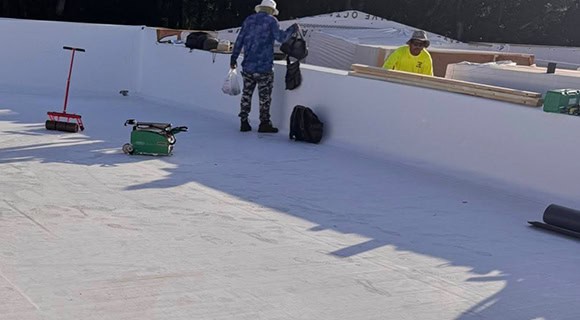
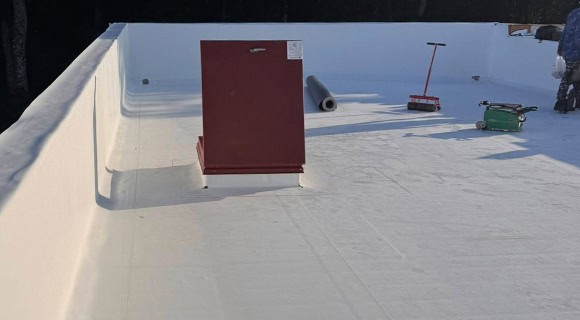
commercial low slope roof membrane installation parapet wall

The selected membrane system is installed (by the manufacturer’s guidelines and local codes). Installation methods vary based on the system type – mechanically fastened, fully adhered, or ballasted.

Key steps include:

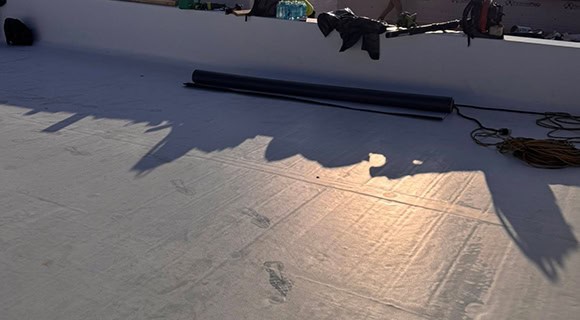
  • Rolling out membrane sheets
  • Sealing seams using heat welding or adhesive
  • Installing edge metal, flashings, and penetrations
  • Performing quality checks and leak testing

A well-installed low-slope roof protects against wind uplift, thermal expansion, and water intrusion.

Watch this video to see a completed New Image Roofing Atlanta commercial TPO low-slope roof installation.

Flat Roof System Types

Selecting an appropriate roofing system determines its performance and cost-efficiency. Below are four common systems used for commercial low-slope applications:

1. TPO (Thermoplastic Polyolefin)

commercial low slope roof installation tpo thermoplastic polyolefin

Installation Time: 3–7 days (depends on building size)
Lifespan: 15–20 years

Advantages: Reflective surface lowers cooling costs, heat-welded seams resist leaks, and recyclable material
Disadvantages: Vulnerable to punctures if walked on frequently

Maintenance: Annual inspection, seam check, debris removal

2. EPDM (Ethylene Propylene Diene Monomer)

commercial low slope roof installation epdm membrane

Installation Time: 4–8 days
Lifespan: 20–25 years

Advantages: Durable rubber membrane, excellent UV resistance, low material cost
Disadvantages: Seams sealed with adhesive instead of welding, which may degrade over time

Maintenance: Regular inspection of seams and patches

3. PVC (Polyvinyl Chloride)

commercial low slope roof installation pvc membrane

Installation Time: 3–6 days
Lifespan: 20–30 years

Advantages: High chemical resistance, fire resistance, and energy-efficient
Disadvantages: More expensive than TPO or EPDM, may become brittle over decades

Maintenance: Biannual checks, cleaning, and fastener inspection

4. Modified Bitumen

commercial low slope roof installation modified bitumen

Installation Time: 4–9 days
Lifespan: 15–25 years

Advantages: Multiple installation options (torch, cold adhesive, self-adhered), strong resistance to tears
Disadvantages: Labor-intensive, may require special equipment

Maintenance: Inspections after storms, resealing of seams

New Image Roofing Atlanta Maintenance Programs

commercial low slope roof installation expert maintenance

Every roofing system, regardless of its durability, benefits from proactive care. New Image Roofing Atlanta offers comprehensive commercial maintenance programs that extend a roof’s lifespan, reduce repair costs, and protect building assets.

Program features include:

  • Scheduled inspections (semi-annual or quarterly)
  • Cleaning of drains, gutters, and roof surfaces
  • Minor repairs to seams, flashings, or punctures
  • Detailed condition reports and photos
  • Storm damage assessments and insurance assistance

This maintenance plan minimizes surprises and ensures the roof’s performance remains consistent through Georgia’s hot summers and wet winters.

Why Choose New Image Roofing Atlanta 404-680-0041

commercial low slope roof installation bbb accredited roofer

New Image Roofing Atlanta has a reputation for quality workmanship, responsiveness, and commercial expertise. With a team trained in the latest flat roofing systems, they guide each project from inspection to final walk-through with professionalism and care.

Reasons to work with New Image Roofing Atlanta:

  • Expertise and Experience – New Image Roofing Atlanta brings years of experience and a team of highly trained professionals to every project. Their expertise ensures that every repair or replacement is done right the first time.
  • Commitment to Quality – New Image Roofing Atlanta delivers lasting results with top-tier materials and state-of-the-art techniques.
  • Customer-Centric Approach – The company prioritizes clear communication from start to finish, ensuring homeowners feel informed and confident throughout the process.
  • Comprehensive Services – Whether you need a minor repair, a replacement, or a maintenance program, New Image Roofing Atlanta has you covered.
  • BBB Accredited Business – New Image Roofing Atlanta is an accredited A+ rated roofing contractor.

Whether managing a retail space, warehouse, or office complex, property owners trust New Image Roofing Atlanta to deliver durable solutions on schedule and within budget.

Key Considerations for Commercial Low-Slope Roof Installation

1. Roof Slope and Drainage

Low-slope roofs require proper drainage to prevent ponding, which accelerates material wear and leaks. Ensure slopes meet minimum design requirements and install internal or scupper drains where needed.

2. Building Usage

Choose roofing systems based on usage. Restaurants, for example, may require PVC due to its chemical resistance. Offices may benefit from reflective TPO for energy savings.

3. Insulation Performance

Improving R-value during roof replacement helps reduce heating and cooling costs. Consider polyiso insulation or tapered systems to increase energy efficiency and drainage.

4. Local Climate

In Georgia, the hot summers, high humidity, and severe thunderstorms require robust roofing that can effectively handle thermal cycling and water. Select systems with proven performance in regional conditions.

5. Budget and Warranty

While initial cost matters, consider total lifecycle costs. Some systems offer extended warranties, lower maintenance needs, or utility savings that outweigh the upfront expense.

6. Contractor Reputation

Partner with a contractor that stands behind their work, offers warranties, and communicates clearly. Read reviews, check references, and verify licensing and insurance.

7. Post-Installation Support

A strong warranty and maintenance agreement will protect the investment. Select a contractor offering long-term service and annual evaluations.

commercial low slope roof installation material preparation

Commercial Flat Roof Installation

In this article, you discovered the commercial low-slope roof installation process, types of roofing systems, and why partnering with the right roofing contractor (like New Image Roofing Atlanta) matters.

Partnering with New Image Roofing Atlanta ensures your Georgia business stays protected, efficient, and secure. With our company, you get detailed planning, expert installation, and long-term care (with trusted materials, proven installation and maintenance systems, and a dedicated roofing team).

Your choices matter. Working with inexperienced or underqualified commercial roofers can result in a leaking roof, paralyzed business operations, a voided warranty, and costly repairs.

Sources:
basc.pnnl.gov/resource-guides/low-slope-flat-roofs
fema.gov/sites/default/files/documents/fema_p-2181-fact-sheet-3-3-2-roof-systems-low-slope-roofs.pdf

  New Image Roofing Atlanta
 

    2020 Howell Mill Rd NW Suite 232
    Atlanta, GA 30318
    (404) 680-0041
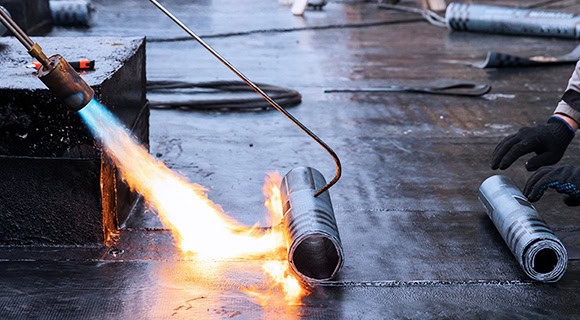
 

Wondering what keeps a membrane roof from blowing off in a storm? Knowing how membrane roofing systems are fastened or adhered to your structure will keep you from stressing over your roof when severe weather strikes.

atlanta georgia membrane roofing systems

newimageroofingatlanta.com gathered essential information about membrane roofing types, benefits, drawbacks, adherence methods, and maintenance programs.

Membrane Roofing Systems

atlanta georgia warehouse membrane roofing systems

Each membrane roofing type offers distinct advantages and drawbacks based on material composition, climate suitability, cost, and installation requirements.

1. EPDM (Ethylene Propylene Diene Monomer)

Benefits:

  • Highly resistant to UV radiation and ozone
  • Performs well in both hot and cold temperatures
  • Easy to install and maintain
  • Flexible and long-lasting

Drawbacks:

  • Black color absorbs heat, which can increase cooling costs
  • Vulnerable to punctures from sharp objects
  • May shrink over time if not installed properly

2. TPO (Thermoplastic Polyolefin)

Benefits:

  • White reflective surface reduces energy costs
  • Resistant to mold, tears, and punctures
  • Heat-weldable seams create a waterproof bond
  • Lightweight and environmentally friendly

Drawbacks:

  • Durability can vary depending on the manufacturer’s quality
  • Newer material, so long-term performance is still under review
  • It can become brittle in cold weather if improperly installed

3. PVC (Polyvinyl Chloride)

Benefits:

  • Excellent chemical and grease resistance
  • Welded seams provide superior waterproofing
  • High reflectivity helps reduce heat buildup
  • Proven track record in commercial applications

Drawbacks:

  • More expensive than EPDM and TPO
  • It can become brittle over time in colder climates
  • Environmental concerns regarding plasticizers used during manufacturing

4. Modified Bitumen

Benefits:

  • Durable and puncture-resistant
  • Easy to repair with torches or adhesives
  • Ideal for roofs with heavy foot traffic
  • Good resistance to temperature extremes

Drawbacks:

  • Installation often requires open flame or hot asphalt
  • Less flexible than single-ply systems
  • Shorter lifespan compared to EPDM or PVC

How Membrane Roofs Stay in Place

Membrane roofs, often used on flat or low-slope roofs, remain secure through specific installation methods engineered to resist wind uplift and external forces. The method chosen depends on the membrane, climate, building structure, and budget. Below are the most common techniques:

1. Mechanical Fastening

This method involves physically anchoring the membrane to the roof deck using screws and metal plates. Fasteners are placed at regular intervals, typically within membrane seams, which are then overlapped to hide and protect them.

Advantages:

  • Cost-effective
  • Fast installation
  • Suitable for various temperatures and weather conditions

Limitations:

  • Higher potential for air infiltration
  • It can be extremely noisy during strong winds
  • It may require more maintenance at seams and fastener points

2. Full Adhesion

atlanta georgia fully adhered membrane roofing systems

In a fully adhered system, installers apply contact adhesive to both the membrane and substrate, creating a continuous and secure bond across the entire roof surface.

Advantages:

  • Excellent resistance to wind uplift
  • Watertight seals reduce leaks
  • Enhances energy efficiency by minimizing air pockets

Limitations:

  • Requires dry, clean conditions for proper bonding
  • More expensive than mechanically fastened systems
  • Adhesive application may extend installation time

3. Ballasted Installation

atlanta georgia ballasted membrane roofing systems

Ballasted systems involve laying the membrane loosely over the insulation and securing it with heavy materials (gravel, pavers, or river stones). The weight holds the membrane in place and shields it from weather and UV rays.

Advantages:

  • Simple and fast to install
  • Very durable with added thermal mass
  • Easily removable for repairs or roof access

Limitations:

  • Adds significant weight to the structure
  • It can be difficult to detect leaks beneath the ballast
  • Not ideal for high-wind zones or buildings with low load capacity

Additional Membrane Reinforcement Methods

atlanta georgia heat welded membrane roofing systems

Besides the principal anchoring methods, membrane roofs include several features that enhance their longevity and resistance to uplift and leaks:

Seam Sealing: Seams are critical points in roofing. For TPO and PVC, seams are heat-welded; for EPDM, seams are bonded using rubber adhesive or seam tape. Proper sealing ensures waterproofing and structural integrity.

Flashing: Flashing around roof edges, vents, drains, and penetrations forms a continuous barrier against water intrusion and wind damage.

Edge Reinforcement: Fasteners are often added along roof perimeters and penetrations to secure vulnerable areas and improve resistance during storms or high winds.

Preventing Leaks with Roof Maintenance

atlanta georgia membrane roofing system maintenance

Commercial membrane flat roofs are straightforward but still require attention at times. Regular inspections and proactive maintenance can prevent costly damage and extend the lifespan of the entire roof system.

New Image Roofing Atlanta offers commercial roof maintenance programs designed to:

  • Identify early signs of wear or damage around boots, seals, and flashing
  • Reapply or repair flashing and sealants
  • Clear debris that could cause pooling/ponding water
  • Document roof conditions for warranty and insurance purposes
  • Schedule preventative maintenance to avoid unplanned downtime or repairs

A well-maintained roof can last significantly longer, and proactive care reduces emergency service costs.

bbb accreditted atlanta georgia membrane roofing systems

Key Considerations for Adhering Membrane Roofing

Selecting the correct method for adhering membrane roofing systems to substrates depends on multiple variables assessed during planning and design.

1. Roof Structure and Load Capacity:

Not every building can handle the weight added by a ballasted system. Before installation, engineers must evaluate whether the structure can support the chosen method.

2. Climate Conditions:

Regions with high winds or extreme weather require stronger adherence methods, like fully adhered or mechanically fastened systems. Ballasted systems may not be ideal for areas that experience hurricanes.

3. Energy Efficiency Goals:

White membranes (TPO and PVC) reflect sunlight and reduce heat gain, which contributes to energy savings. Fully adhered systems offer better insulation performance by eliminating air gaps.

4. Installation Environment:

Fully adhered roofs require specific temperature and moisture conditions for adhesives to cure properly. Mechanical fastening may be a better choice in colder or damp climates.

5. Maintenance and Accessibility:

If the roof requires frequent access, a ballasted or mechanically fastened system may be easier to inspect and maintain. Fully adhered roofs are best for minimal foot traffic to preserve membrane integrity.

Careful evaluation of these factors ensures not only proper installation but also long-term durability and performance.

Keeping Your Membrane Roof in Place

In this article, you discovered essential information about commercial membrane roofing types (benefits and drawbacks), adherence methods, and maintenance programs.

Membrane roofing systems provide long-lasting, weather-resistant protection when selected and installed. Whether choosing mechanical fastening, full adhesion, or ballast, each method plays a key role in ensuring roof stability.

Failure to understand how secure membrane roofing systems are will leave you paranoid about your roof every time the wind blows.

Sources:
panamacity.gov/DocumentCenter/View/3187/3533_en_VersiFleece_PVC_FullyAdhered_System_Sheet?bidId=
nps.gov/crps/tps/roofingexhibit/roofingtoday.htm
hud.gov/sites/dfiles/OCHCO/documents/1037L.pdf

  New Image Roofing Atlanta
 

    2020 Howell Mill Rd NW Suite 232
    Atlanta, GA 30318
    (404) 680-0041
 

Is your commercial metal roof causing mayhem with frequent damaging leaks? Knowing why metal roofing systems can leak and how to fix them will help you avoid business closure and significant revenue loss.

commercial metal roof leak

newimageroofingatlanta.com gathered essential information about metal roofing system leak causes and solutions and how a maintenance program with New Image Roofing Atlanta can help secure your structure and business.

Metal Roof Leak Causes and Solutions

commercial metal roof leak rust and corrosion

Metal roofs are known for their durability, energy efficiency, and longevity, often lasting 40 to 70 years when properly maintained. However, metal roofs are not immune to damage. Metal roof leaks typically arise from aging materials, poor installation, or environmental exposure. Below are common causes metal roofs may leak and their solutions:

1. Improper Fastener Installation

Cause: Overdriven, underdriven, or misaligned screws allow water to seep through.
Solution: Inspect and replace fasteners with the correct torque. Use neoprene washers for sealing.

2. Failed Seams or Laps

Cause: Expansion and contraction from temperature changes loosen panel seams over time.
Solution: Apply seam sealant or install standing seam clamps. Regular resealing is key.

3. Missing or Damaged Sealant

Cause: UV exposure or age breaks down sealant around joints and penetrations.
Solution: Remove deteriorated sealant and apply high-performance, UV-resistant roof sealant.

4. Rust and Corrosion

Cause: Prolonged exposure to moisture leads to metal oxidation.
Solution: Remove rust with wire brushing and treat with corrosion-resistant coating or replace sections.

5. Clogged or Damaged Gutters

commercial gutters and downspouts metal roof leak

Cause: Water overflows and penetrates roof edges when drainage is restricted.
Solution: Clear debris and install guards. Re-angle gutters to ensure proper water flow.

Read more about commercial gutters at newimageroofingatlanta.com/commercial-gutter-systems-everything-you-need-to-know

6. Improper Flashing

Cause: Incorrect or failed flashing around chimneys, vents, and edges causes entry points for water.
Solution: Replace faulty flashing with correctly sized, watertight alternatives.

7. Roof Penetrations (Vents, HVAC, Skylights)

Cause: Water seeps in where the roof is punctured for utilities or structures.
Solution: Reseal or reflash penetrations using compatible materials and secure closures.

For more on roof penetrations, read THIS article.

8. Punctures or Impact Damage

Cause: Hail, falling branches, foot traffic dents, or punctures in panels.
Solution: Patch minor holes with metal-compatible sealant or replace panels in severe cases.

Tip: With the right approach, including a professional maintenance plan, costly repairs can be avoided and roof performance maximized.

How New Image Roofing Atlanta’s Maintenance Program Helps

commercial metal roof leak repair and maintenance

Preventive maintenance is critical for extending the life of a metal roof. New Image Roofing Atlanta offers comprehensive maintenance programs that identify vulnerabilities before they become significant problems.

Program Benefits Include:

  1. Proactive Leak Detection – Regular inspections pinpoint areas of concern like worn fasteners, rust, or loose panels.
  2. Sealant and Flashing Updates – Teams reseal problem areas with durable, weather-resistant materials.
  3. Cleaning and Debris Removal – Roofs and gutters are cleared of leaves and debris to ensure proper drainage.
  4. Detailed Condition Reports – Documented findings and photos help plan budgets and prevent surprise repairs.
  5. Customized Maintenance Schedules – Plans are tailored to your roof’s age, material, and usage for maximum effectiveness.

With consistent care, your metal roof can exceed its expected lifespan, remain watertight, and maintain energy efficiency.

Metal Roof Inspection Guide

commercial metal roof leak inspection

Routine inspections help homeowners and facility managers catch potential issues early. Use this guide to evaluate metal roofs for signs of damage or wear:

  • Check for Loose or Missing Fasteners – Inspect all visible screws for tightness and secure fit.
  • Examine Panel Seams – Look for separation or visible gaps between metal panels.
  • Inspect Flashing – Ensure flashing around penetrations is firmly attached and sealed.
  • Look for Rust or Discoloration – Identify corrosion and address it promptly.
  • Assess Sealant Conditions – Cracked, peeling, or missing sealant should be replaced.
  • Inspect Gutters and Downspouts – Remove blockages and verify that water flows away from the building.
  • Look for Dents or Punctures – Assess recent storm or impact damage, especially after hail events.
  • Evaluate Roof Slope Drainage – Confirm that ponding water is not collecting in low areas.

Schedule professional inspections at least twice yearly – especially before and after storm seasons.

Four Reasons to Hire New Image Roofing Atlanta

commercial metal roof leak bbb accredited roofer

  1. Metal Roofing Expertise – New Image Roofing Atlanta specializes in metal systems and understands their unique vulnerabilities.
  2. Proven Leak Prevention – Through skilled inspections and high-quality maintenance programs, the company prevents water damage before it starts.
  3. Responsive Service – Prompt response times and clear communication ensure minimal disruption and quick resolutions.
  4. Honest, Transparent Estimates – Homeowners and property managers receive detailed assessments and fair pricing without hidden fees.

Whether you’re facing a minor leak or need a long-term partner in roof preservation, New Image Roofing Atlanta brings experience, reliability, and local dedication to every job.

Leaking Metal Roof Causes and Solutions

In this article, you discovered crucial information about leaking metal roofing systems – causes and solutions and how a maintenance program with New Image Roofing Atlanta can help secure your structure and business.

Your ability to detect problems with your metal roof and get them quickly solved will keep your business operating seamlessly while keeping your assets and employees safe and secure.

Failure to address problem areas and leaks on your commercial metal roof can cause business interruptions, revenue loss, and costly structural damage.

Sources:
disastersafety.org/maintenance/how-to-inspect-and-maintain-your-commercial-roof
ibhs.org/guidance/ricowi-roof-guide-low-slope-metal

  New Image Roofing Atlanta
 

    2020 Howell Mill Rd NW Suite 232
    Atlanta, GA 30318
    (404) 680-0041