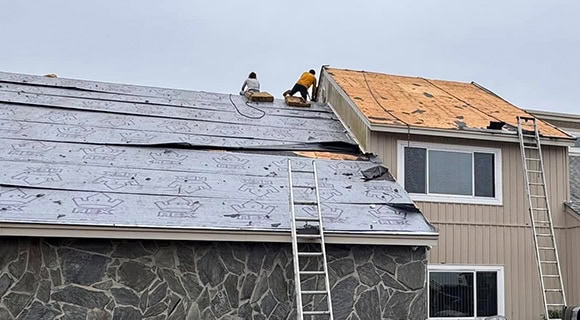
Tag Archive for: Emergency Roof Repair

Are you concerned about premature leaks, costly repairs, and unscheduled roof replacement? Understanding how to maintain your commercial roof can prevent unnecessary expenses and ensure it lives out its expected lifespan.

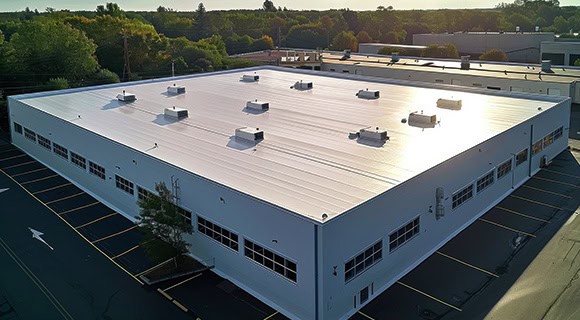
commercial roof extended lifespan

New Image Roofing Atlanta gathered information about strategies to maximize commercial roofing performance and longevity. Here, we explore how consistent cleaning, scheduled maintenance, and periodic inspections can protect your roofing system and building investment. You’ll also learn which roofing materials demand less upkeep, which ones require more frequent attention, and why preventive maintenance agreements are vital for long-term success.

Understanding Commercial Roof Maintenance

commercial roof maintenance extended lifespan

A commercial roofing system is one of the most critical structural components of any building. It endures everything – heavy rain, extreme sun, fluctuating temperatures, and debris buildup. Over time, exposure to these elements can deteriorate membranes, flashing, and drainage systems. Proper cleaning, maintenance, and inspection are crucial to preventing issues from developing into significant failures.

Regular maintenance includes removing debris, unclogging drains, inspecting seams, and checking for punctures or blisters. When performed quarterly or biannually, these tasks significantly reduce the likelihood of leaks or membrane breakdown. Roof coatings are another effective way to extend a roof’s lifespan by providing UV protection and waterproofing.

Note: Depending on your roof’s condition or complexity, a coating may not be recommended.

Low Maintenance vs. High Maintenance Roof Systems

Not all commercial roofs are created equal. Some are designed with materials that naturally resist wear and require minimal upkeep, while others demand more frequent attention.

Low Maintenance Roofs:

tpo commercial roof extended lifespan

  • TPO (Thermoplastic Polyolefin): Known for its reflective surface, TPO resists UV damage and heat absorption, requiring only periodic inspections and cleaning.
  • PVC Roofing: Highly resistant to chemicals, fire, and water, PVC membranes perform well in commercial and industrial environments with minimal maintenance.
  • Metal Roofing: With proper installation and coatings, metal roofs can last over 40 years, only needing occasional fastener checks and surface cleaning.

High Maintenance Roofs:

built up commercial roof extended lifespan

  • EPDM (Ethylene Propylene Diene Monomer): While durable, EPDM is prone to shrinkage and seam separation over time, demanding regular seam checks and sealant applications.
  • Built-Up Roofing (BUR): Multiple layers of tar and gravel provide strength but require frequent inspections for cracks or surface blisters.
  • Modified Bitumen: Susceptible to damage from ponding water, modified bitumen needs routine evaluations and preventive coatings to remain intact.

Knowing which system you have helps determine how aggressive your maintenance schedule should be.

New Image Roofing Atlanta Maintenance Contract
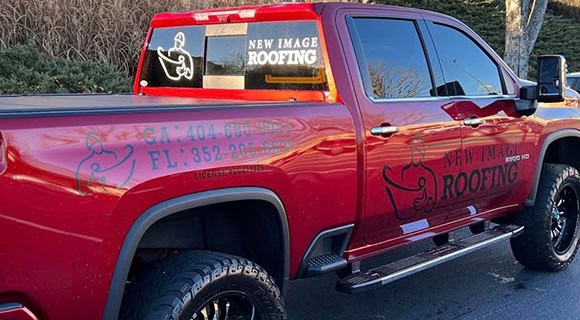
commercial roof extended lifespan maintenance contract

To help property owners protect their investments, New Image Roofing Atlanta offers comprehensive roof maintenance contracts designed for long-term care. These plans include scheduled inspections, professional cleaning, and detailed condition reports that highlight problem areas before they escalate.

By enrolling in a maintenance contract, businesses can ensure their roofing systems regularly receive expert attention. Technicians examine seams, flashing, drainage points, and penetration areas (where leaks commonly occur). Early problem detection and cost-effective repairs prevent more expensive damage later on.

Maintenance contracts also extend manufacturer warranties, as many roofing material providers require proof of regular upkeep. With this proactive approach, property owners not only preserve roof integrity but also maintain compliance with warranty conditions.

Why Hire New Image Roofing Atlanta

commercial roof extended lifespan bbb accredited roofer

New Image Roofing Atlanta stands out among regional roofing specialists for its commitment to quality, reliability, and customer service. The company’s expert team brings decades of experience working with all premier commercial roofing materials. Their technicians use advanced inspection tools to identify potential vulnerabilities invisible to the naked eye. Consider the following:

  • Versatile Installation and Maintenance Skills – Skilled teams trained in single-ply, BUR, modified bitumen, metal, and green roof systems.
  • Proven Track Record – A portfolio of successful projects across retail, industrial, healthcare, and office sectors.
  • Collaborative Approach – Seamless communication with architects, engineers, and general contractors ensures on-time delivery.
  • Commitment to Quality – Meticulous installation and maintenance methods backed by warranties, skill, and dedicated customer service.
  • BBB Accredited Business – New Image Roofing Atlanta is an accredited A+ Rated roofing contractor.
Key Considerations for Extending Your Commercial Roof’s Lifespan

commercial roof extended lifespan information

Extending the life of your commercial roof begins with consistent preventive care. While installation quality is critical, the true determinant of longevity lies in ongoing attention to detail. The following considerations can help ensure decades of protection and performance:

  1. Regular Inspections: Schedule at least two professional roof inspections annually – one in spring and one in fall. These inspections identify early damage caused by weather or debris.
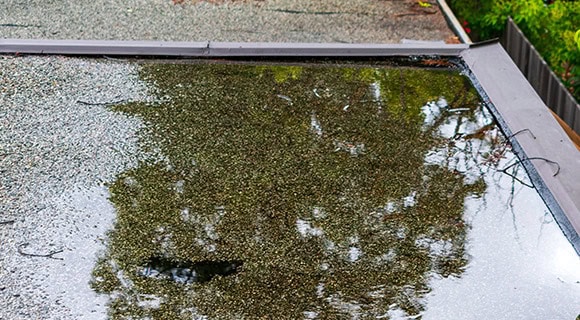
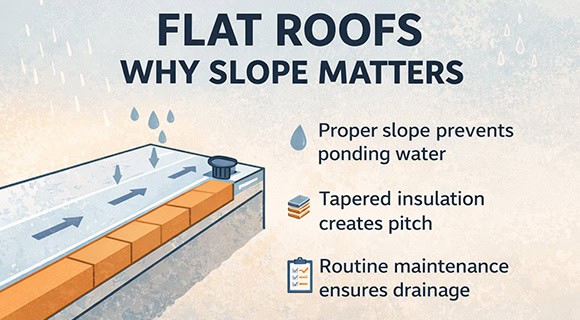
  2. Proper Drainage: Standing water is a leading cause of roof deterioration. Regularly clear drains, gutters, and scuppers to prevent ponding and membrane damage.
  3. Cleaning and Debris Removal: Accumulated dirt and organic matter trap moisture, encouraging algae growth. Keep surfaces clear to maintain reflective efficiency and prevent premature wear.
  4. Seam and Flashing Maintenance: Weak or damaged seams often lead to leaks. Professional resealing and flashing reinforcement help preserve roof integrity.
  5. Coating Applications: Reflective coatings can lower surface temperature, reduce UV exposure, and enhance energy efficiency.
  6. Documentation: Maintain a detailed record of inspections, repairs, and warranties. This documentation not only protects your warranty coverage but also provides valuable insight into roof performance over time.
  7. Hire Certified Professionals: DIY fixes can void warranties and lead to further issues. Always rely on certified roofing contractors for maintenance and repairs.

Following these steps ensures your commercial roofing system remains durable, efficient, and structurally sound for decades.

Making Your Commercial Roof Last Longer

In this article, you discovered how routine maintenance, cleaning, and inspections extend the lifespan of commercial roofing systems. You learned which roof materials require minimal upkeep, how preventive maintenance contracts protect long-term investments, and why hiring professionals like New Image Roofing Atlanta is essential.

By following these practices and working with experts, business owners can avoid costly replacements, maintain energy efficiency, and ensure structural integrity. A well-maintained roof provides consistent protection against harsh weather and prevents disruptions to daily operations.

Ignoring maintenance, neglecting inspections, or delaying repairs can result in leaks, interior damage, and expensive premature replacement. Without proactive care, even the best roofing system will fail sooner than expected, leading to unnecessary financial strain.

Protect your investment today by scheduling a free inspection with New Image Roofing Atlanta – your trusted partner in commercial roofing care and maintenance.

Sources:
web.mit.edu/parmstr/Public/NRCan/CanBldgDigests/cbd179_e.html
nrcia.org/roofing-maintenance-essential-tips-to-extend-the-lifespan-of-your-roof

  New Image Roofing Atlanta
 

    2020 Howell Mill Rd NW Suite 232
    Atlanta, GA 30318
    (404) 680-0041
 

Are you worried about the cost to fix roof leaks or why your home is constantly overheating? Understanding how ridge caps work, why they matter, and when to inspect or replace them can save thousands in future repairs.

residential shingle roof ridge cap

newimageroofingatlanta.com gathered information about the vital role ridge caps play in residential roofing systems, how they protect against moisture and heat, and why proper installation and maintenance are essential. Their expert team offers valuable insight into how homeowners can ensure their ridge caps perform effectively year-round.

What is a Ridge Cap?

residential roof ridge cap

A ridge cap is the finishing touch placed along the peak where two roof slopes meet. It seals the roof’s highest point, preventing rain, snow, and debris from penetrating while allowing trapped heat and moisture to escape through ventilation channels. Typically made from asphalt shingles, metal, or specialty vented materials, ridge caps are designed to integrate with the overall roof design both aesthetically and functionally.

A well-installed ridge cap not only adds a polished appearance to the roofline but also plays a vital role in the longevity and efficiency of the roofing system. Without it, even minor rainfall can seep into the underlying structure, leading to rot, insulation damage, and premature roof failure.

How a Ridge Cap Is Installed

Installing a ridge cap requires precision and expertise. Roofers begin by aligning the ridge line and ensuring the underlayment is correctly overlapped. Starter shingles or ridge-specific materials are placed first, then layered from one end to the other, overlapping each section to direct water away from seams.

Each piece is securely fastened with corrosion-resistant nails and sealants designed for high-exposure areas. On vented ridge systems, a vent roll or ridge vent is positioned beneath the cap shingles, providing airflow without allowing water entry. Proper alignment and sealing are crucial – even a slight misplacement can compromise water resistance or reduce ventilation efficiency.

When performed by trained professionals, ridge cap installation enhances both the protection and appearance of a roof. For homes in areas prone to heavy rain or fluctuating temperatures (like Atlanta), proper ridge cap installation helps maintain a consistent attic temperature and prevents costly weather damage.

Benefits of Ridge Caps for Roof Protection and Ventilation

residential shingle roof ridge ventillation

A ridge cap performs dual functions: sealing and ventilating.

  • Weather Protection – Ridge caps act as a weather-tight barrier at the roof’s most vulnerable junction, protecting against driving rain, melting snow, and wind-blown debris.
  • Improved Ventilation – Modern vented ridge caps facilitate air circulation within the attic. This reduces heat buildup in summer and prevents condensation in winter. Proper ventilation extends shingle life and prevents mold growth.
  • Enhanced Aesthetics – Ridge caps provide a clean, finished look that improves curb appeal while maintaining roof uniformity.
  • Increased Durability – Quality ridge materials are engineered to withstand wind uplift and UV exposure longer than standard shingles.

Without a functioning ridge cap, even the most robust roofing system becomes susceptible to leaks, warping, and premature wear.

New Image Roofing Atlanta Roof Maintenance Contract

residential shingle roof ridge cap maintenance contract

Preventive maintenance is key to extending roof life and ensuring ridge caps remain in excellent condition. New Image Roofing Atlanta offers comprehensive roof maintenance contracts designed to identify minor issues before they become significant problems.

Under this contract, homeowners receive periodic inspections where experts assess ridge cap integrity, ventilation efficiency, and shingle alignment. Technicians also check for nail pops, missing caps, or cracked seals that could allow water infiltration. Regular maintenance includes debris removal, sealing reinforcement, and vent cleaning to ensure airflow remains unobstructed.

This proactive service saves homeowners from emergency repairs caused by unseen ridge deterioration. It also ensures that warranties remain valid, as most manufacturers require regular maintenance for coverage eligibility.

Why Hire New Image Roofing Atlanta

residential shingle roof ridge cap bbb accredited roofer

New Image Roofing Atlanta specializes in residential and commercial roof systems, emphasizing precision, safety, and durability. Their technicians are trained in advanced roofing techniques, including ridge cap installation, replacement, and repair.

By choosing this team, homeowners gain access to:

  • Free roof inspections and detailed condition reports
  • Transparent estimates for repair or replacement
  • Expertise in energy-efficient ventilation solutions
  • High-quality materials designed for Georgia’s weather patterns
  • BBB Accredited Business – New Image Roofing Atlanta is an accredited A+ Rated roofing contractor.

The company’s commitment to excellence, professionalism, and reliability makes it Atlanta’s top choice for all roofing needs.

Key Considerations for Residential Roofing Ridge Caps

residential shingle roof ridge cap information

When evaluating ridge caps, several factors determine their effectiveness and longevity:

  1. Material Selection – Ridge caps must match the roof material in durability and texture. Asphalt shingle roofs require specialized ridge shingles, while metal roofs use contoured metal ridge caps with weatherproof fasteners.
  2. Ventilation Balance – A ridge cap is most effective when combined with soffit vents that allow balanced airflow. Improper venting can lead to attic moisture or heat buildup, weakening insulation and decking.
  3. Installation Precision – Correct nail placement, overlap direction, and sealant use determine water resistance. Improper installation can void manufacturer warranties and reduce performance.
  4. Weather Resistance – Choose ridge materials rated for local climate conditions. In Atlanta’s humid and storm-prone weather, wind-resistant, UV-protected ridge shingles are ideal.
  5. Maintenance Frequency – Regular inspections, especially after heavy storms, help detect early damage. Loose ridge shingles should be resealed immediately to prevent leaks.
  6. Signs of Damage – Cracks, curling edges, or visible gaps indicate compromised sealing. Addressing these early prevents costly repairs and structural decay.
  7. Professional Oversight – Even minor ridge repairs should be handled by experienced roofers familiar with ventilation dynamics and local code requirements.

Proper attention to these factors ensures that ridge caps perform their intended role — protecting, ventilating, and completing the roof’s structure.

Ridge Cap Benefits

In this article, homeowners discovered how crucial ridge caps are to a roof’s structural health, energy efficiency, and appearance. Understanding their purpose, installation methods, and maintenance requirements helps prevent issues like leaks, poor ventilation, and premature roof deterioration.

By having ridge caps inspected, maintained, and installed by experts such as New Image Roofing Atlanta, homeowners ensure lasting protection and performance. Regular roof care not only extends lifespan but also preserves property value while enhancing energy savings.

Neglecting ridge cap maintenance or improper installation can lead to severe damage, costly repairs, and loss of home comfort. Preventive service provides peace of mind, ensuring your home remains protected, efficient, and beautiful.

Sources:
forum.nachi.org/t/roof-ridge-caps/64523
afs.mgcafe.uky.edu/poultry/chapter-7-natural-ventilation-systems

  New Image Roofing Atlanta
 

    2020 Howell Mill Rd NW Suite 232
    Atlanta, GA 30318
    (404) 680-0041
 

When a building owner or manager begins to notice leaks, insulation issues, or higher-than-normal energy costs, the problem often starts at the roof. However, not every roof is built the same way. One of the biggest mistakes property owners make is assuming commercial and industrial roofing systems are the same. In reality, they differ in structure, materials, installation, and maintenance requirements. Understanding these differences helps decision-makers choose the right system for their property, prevent premature failure, and save money throughout the building’s lifespan.

installation and maintenance of industrial and commercial roofing systems

New Image Roofing Atlanta gathered information on how commercial and industrial roofing systems differ in scale, complexity, materials, installation needs, and maintenance requirements. This article addresses roofing types used in each category, why working with specialists (who understand code compliance and structural design) is crucial, and the long-term advantages of preventive maintenance.

Roof Scale and Complexity

installation and maintenance of industrial and commercial roofing systems infographic

Industrial Roofing:

Industrial roofing systems are built to handle immense scale and operational stress. They cover massive facilities like factories, distribution centers, and manufacturing plants (often spanning hundreds of thousands of square feet). These roofs must accommodate heavy machinery, ventilation systems, and chemical exhausts. Industrial roof design is intended for durability, function, and safety. Due to the sheer size of these structures, the installation process requires specialized equipment and planning to ensure stability and load-bearing integrity.

Commercial Roofing:

Commercial roofing systems are smaller in comparison and typically found on retail spaces, restaurants, offices, and hotels. These roofs combine energy efficiency and visual appeal, as these buildings interact with the public more directly. While smaller than industrial facilities, commercial roofs require careful planning to integrate aesthetic details (like color and shape). Installation must often occur around business hours to avoid disrupting customers and employees.

Primary Function and Material Selection

installation and maintenance of warehouse industrial and commercial roofing systems

Industrial Roofing:

Industrial roofs center on durability and performance under demanding conditions. These roofs must resist high temperatures, chemicals, and vibrations from machinery. Common materials include:

  • Metal Roofing: Known for exceptional longevity, load capacity, and heat resistance.
  • PVC Membranes: Offer strong chemical resistance. Ideal for factories and processing plants.
  • Modified Bitumen and Built-Up Roofing (BUR): Provide superior waterproofing and toughness in large-scale settings.

Industrial roofs rarely focus on aesthetics. They are intended for function and protection.

Commercial Roofing:

Commercial roofing materials prioritize energy efficiency and clean design. Public-facing buildings benefit from reflective surfaces and insulation that control indoor temperatures.

Popular options include:

  • TPO (Thermoplastic Polyolefin): A reflective, energy-efficient single-ply material ideal for flat or low-slope roofs.
  • EPDM (Ethylene Propylene Diene Monomer): A flexible and durable synthetic rubber known for easy repair.
  • PVC Roofing: Offers strength, flexibility, and resistance to environmental stress.
  • Built-Up Roofing (BUR): A layered system that provides consistent waterproofing.

Each material offers unique advantages depending on environmental conditions, operational needs, and budget.

Installation and Maintenance Requirements

equipment and walkway installation and maintenance of industrial and commercial roofing systems

Industrial Roofing Installation:

Industrial roofing installation involves complex logistical planning. The presence of heavy machinery, large ventilation systems, and specialized exhaust ducts requires precise design coordination. Roofers must ensure each component supports the overall structure and maintains safety standards. Industrial facilities also demand strict adherence to local building codes and Occupational Safety and Health Administration (OSHA) regulations.

Maintenance plays a crucial role in preserving industrial roofing systems. Regular inspections prevent issues from escalating into major structural failures. Leaks, corrosion, or chemical exposure can lead to costly downtime or equipment damage if not addressed promptly.

Commercial Roofing Installation:

supervised installation and maintenance of industrial and commercial roofing systems

Commercial installations are for buildings where appearance and efficiency are equally important. Contractors plan projects to minimize business disruptions, often scheduling work after operational hours. Proper drainage, insulation, and flashing details are essential for comfort and preventing water pooling.

Maintenance includes checking seams, drains, and flashing for leaks, cleaning debris, and verifying that reflective coatings remain intact for optimal energy performance. Preventive maintenance extends lifespan and reduces unexpected repair costs.

Expertise and Code Compliance

Both commercial and industrial roofing systems require specialists trained in blueprint reading, roofing materials, and local building codes. Done the right way, roofs depend on accurate load-bearing calculations, ensuring they sufficiently support equipment weight and environmental pressures without compromising safety.

For example, industrial roofs must handle the weight of HVAC systems, vents, and piping. Commercial roofs require precise slope design to ensure proper water runoff and insulation placement, to comply with energy codes.

Roofing specialists also ensure compliance with fire ratings, wind resistance standards, and insulation performance set by the International Building Code (IBC) and energy efficiency regulations. Using unqualified contractors can result in non-compliance, structural weaknesses, and voided warranties.

Common Roof Types for Commercial and Industrial Structures

Commercial Structures:

  • TPO Roofing: Cost-effective, reflective, and easy to maintain.
  • EPDM Roofing: Flexible with long-term resistance to ultraviolet light.
  • PVC Roofing: Durable, heat-welded seams for leak prevention.
  • Built-Up Roofing: Traditional asphalt layers provide reliable protection.

Industrial Structures:

  • Metal Roofing: High strength, long lifespan, and low maintenance.
  • Modified Bitumen: Excellent for chemical resistance and flexibility.
  • PVC Membranes: Resistant to harsh conditions and ideal for complex industrial settings.
  • Single-Ply Membranes: Lightweight and durable, allowing large coverage areas.

Selecting the right roof type depends on operational demands, climate, and maintenance capacity.

New Image Roofing Atlanta Maintenance Contract

installation and expert maintenance of industrial and commercial roofing systems

Preventive maintenance is the foundation for extending the life of any roofing system. New Image Roofing Atlanta’s Maintenance Contract offers customized care plans designed to identify potential issues early and keep roofs at peak efficiency.

Each contract includes scheduled inspections, detailed reports, and prompt repair recommendations. Maintenance tasks include clearing debris, checking seals, inspecting drains and flashing, and monitoring for structural stress. For industrial clients, specialized services address corrosion prevention, membrane reinforcement, and chemical damage monitoring.

Regular maintenance protects against premature wear, ensures warranty compliance, and saves money by preventing small leaks from becoming major repairs. Commercial properties also benefit from seasonal checkups that prepare roofs for rain, heat, or cold.

New Image Roofing Atlanta employs advanced diagnostic tools (like infrared moisture detection and drone inspections) to ensure no issue goes unnoticed. Every service is performed with safety, accuracy, and long-term value in mind.

Why Hire New Image Roofing Atlanta

bbb accredited installation and maintenance of industrial and commercial roofing systems

Hiring New Image Roofing Atlanta means partnering with a trusted leader in Georgia’s commercial and industrial roofing industry. With decades of experience, their certified team delivers dependable service, precise installation, and proactive maintenance tailored to your property type.

They understand that no two roofs are identical. Each project begins with a detailed assessment that accounts for structural load, drainage, energy performance, and design requirements. Their team adheres to strict safety protocols and complies with all local and federal codes. Consider the following:

  • Expertise in New Construction – Specialists with extensive knowledge in blueprint reading and code compliance.
  • Versatile Installation Skills – Skilled teams trained in single-ply, BUR, modified bitumen, metal, and green roof systems.
  • Proven Track Record – A portfolio of successful projects across retail, industrial, healthcare, and office sectors.
  • Collaborative Approach – Seamless communication with architects, engineers, and general contractors ensures on-time delivery.
  • Commitment to Quality – Meticulous installation methods backed by warranties and dedicated customer service.
  • BBB Accredited Business – New Image Roofing Atlanta is an accredited – A+ Rated – roofing contractor.

From emergency repairs to full-scale replacements, New Image Roofing Atlanta combines modern technology with craftsmanship to ensure every roof performs efficiently for years to come. Businesses and facility managers across Georgia rely on them for reliability, expertise, and results-driven solutions.

Key Considerations for Commercial and Industrial Roof Differences

torch down system installation and maintenance of industrial and commercial roofing systems

Understanding the distinctions between commercial and industrial roofs allows property owners to make informed decisions about maintenance, materials, and investment.

Purpose and Function:

For structural integrity and durability under extreme conditions, industrial roofs are installed. Commercial roofs emphasize energy savings and design integration.

Material Durability:

Industrial environments require heavy-duty materials (metal or reinforced membranes) that resist chemicals and heat. For comfort and curb appeal, commercial structures utilize reflective or energy-efficient materials.

Installation Complexity:

Industrial roofs require detailed planning (due to larger machinery and ventilation systems). Commercial installations must minimize disruption during business hours.

Maintenance Requirements:

Industrial roofs require regular inspections to manage stress from equipment and environmental exposure. Commercial roofs benefit from regular cleaning, leak detection, and coating maintenance.

Cost and Longevity:

Industrial systems typically have higher upfront costs but longer lifespans. Commercial systems may need more frequent repairs, but are easier to maintain.

Code Compliance:

Both roof types must meet load-bearing, fire resistance, and insulation standards. Only certified contractors can ensure compliance and performance.

Return on Investment:

A properly installed and maintained roof increases property value (while protecting assets and reducing operating expenses).

By recognizing these factors, property owners can select an appropriate roofing system and maintenance plan to meet their operational goals.

Commercial and Industrial Roofing

In this article, you discovered the critical differences between commercial and industrial roofing systems, their materials, installation processes, and maintenance requirements. It also emphasized the importance of hiring qualified professionals for compliance and longevity.

By understanding these differences and maintaining your roof with expert help (like that from New Image Roofing Atlanta), property owners ensure lasting protection, energy efficiency, and peace of mind. A proactive approach saves money, extends lifespan, and enhances performance.

Choosing the wrong roofing system or delaying maintenance can lead to premature roof failure, safety hazards, and expensive downtime. Poor planning today can result in significant losses tomorrow.

Sources:
construction21.org/articles/h/differences-between-commercial-and-residential-roofing.html
crca.org/Resources/Roofing-Specialties/Low-Slope-Commercial-Industrial-Institutional-Roofing

  New Image Roofing Atlanta
 

    2020 Howell Mill Rd NW Suite 232
    Atlanta, GA 30318
    (404) 680-0041

 

Water damage to fascia and soffit boards is a common – and underestimated – issue that homeowners face. It may start with peeling paint or minor discoloration near the roof edges. In time, the damage spreads deeper into wooden structures, insulation, and interior walls. Unchecked, this type of deterioration can lead to roofline failure, gutter collapse, and mold growth that threatens structural safety. Homeowners often discover the problem only when costly repairs are unavoidable. Understanding what causes fascia and soffit water damage, and knowing how to prevent it, can save thousands in repair costs while preserving curb appeal and property value.

water damage repair soffit and fascia

newimageroofingatlanta.com gathered information about the causes, prevention strategies, and key repair practices for fascia and soffit water damage. This guide explains what contributes to water infiltration, when to schedule preventive maintenance, and why professional roof specialists are essential for long-term protection.

Four Reasons Fascia and Soffits Suffer Water Damage

mold water damage repair soffit and fascia

1. Improper Gutter Installation or Maintenance

Gutters are the first defense against water infiltration. When they become clogged, detached, or poorly angled, rainwater overflows and seeps behind fascia boards. Continuous exposure leads to rot, mold, and eventual decay. Water-soaked gutters can even pull away from fascia boards due to excess weight, compounding structural damage. Routine cleaning and inspection prevent overflow and ensure drainage systems work efficiently during heavy rainfall.

2. Damaged or Missing Roof Flashing

Flashing acts as a seal around roof edges, penetrations, and joints. If flashing corrodes, cracks, or loosens, water finds its way beneath shingles and behind soffits. In time, trapped moisture weakens wooden fascia boards and promotes fungal growth. Properly installed and maintained flashing prevents this, especially in transition areas between roof planes, chimneys, and gutter lines.

3. Poor Attic Ventilation

Ventilation plays a critical role in maintaining balanced temperature and humidity. Inadequate airflow allows condensation to form under the roof decking. Moisture accumulation seeps downward into soffit panels and fascia boards, accelerating decay. Soffits are designed to ventilate the attic, but if they are blocked or undersized, moisture builds up faster than it can dissipate. Regular soffit vent inspections and cleaning can mitigate this issue and protect underlying materials.

4. Aging or Low-Quality Materials

Older fascia and soffit systems built with untreated wood or low-grade composites deteriorate quickly when exposed to water. Paint and sealant break down over time, leaving raw surfaces vulnerable. Using modern, weather-resistant materials such as PVC, fiber cement, or aluminum-clad wood can significantly reduce maintenance needs. Upgrading aging components prevents future damage, enhances energy efficiency, and increases curb appeal.

Preventing Fascia and Soffit Water Damage

severe water damage repair soffit and fascia

Prevention begins with proper installation, regular inspection, and seasonal maintenance. Homeowners should have gutters cleaned twice a year and securely fastened. Roof flashing must be checked for gaps or corrosion, and soffit vents should be kept clear of debris and insect nests. Painting or sealing wooden fascia and soffit boards every few years helps shield them from water penetration. Additionally, any signs of leaks near eaves, gutters, or siding should be investigated immediately to stop minor problems from escalating.

New Image Roofing Atlanta Roof Maintenance Contract

maintenance plan water damage repair soffit and fascia

New Image Roofing Atlanta offers a comprehensive Roof Maintenance Contract that includes detailed inspections, cleaning, and preventive services to safeguard fascia and soffit systems year-round. Under this plan, technicians assess roof drainage, flashing, and ventilation conditions to identify hidden moisture issues before they cause structural deterioration.

Each service visit includes:

  • Gutter and downspout cleaning to maintain optimal drainage.
  • Fascia and soffit panel inspection for cracks, paint failure, and water infiltration.
  • Sealant and caulk replacement along joints and seams.
  • Ventilation evaluation to ensure airflow efficiency and prevent condensation.
  • Minor repairs and adjustments to extend the roofline longevity.

This proactive approach saves homeowners from costly emergency repairs and helps maintain warranty coverage on roofing systems. Investing in a maintenance contract extends the roof’s lifespan, preserves structural integrity, and ensures energy efficiency.

Why Hire New Image Roofing Atlanta

bbb accredited water damage repair soffit and fascia

Fascia and soffit repairs require technical skill, precise installation, and a thorough understanding of roofing systems. New Image Roofing Atlanta employs licensed professionals trained in moisture control, load-bearing assessments, and exterior weatherproofing. The company’s team uses advanced diagnostic tools to detect hidden leaks, replace compromised boards, and restore full roofline functionality without disrupting daily life.

Choosing New Image Roofing Atlanta means partnering with a local leader committed to transparency, quality workmanship, and durable results. Consider the following:

  • Expertise – Decades of experience handling residential and commercial roofs.
  • Trusted inspections – Honest evaluations backed by detailed photos and reports.
  • Preventive solutions – Focus on extending roof life rather than rushing into replacement.
  • Emergency readiness – Quick response to storm damage or sudden leaks.
  • Commitment to customers – Transparent pricing, professional communication, and long-term support.
  • BBB Accredited Business – New Image Roofing Atlanta is an accredited A+ Rated roofing contractor.

From emergency repairs to complete roofline restoration, their solutions attend to residential and commercial roofing systems. They emphasize safety, longevity, and aesthetic appeal, ensuring every project exceeds industry standards.

Key Considerations for Fascia and Soffit Water Damage Repair

infographic water damage repair soffit and fascia

When addressing fascia and soffit water damage, understanding the underlying causes is essential to achieving lasting repairs. Below are the key considerations every homeowner should keep in mind:

1. Identify Source Before Replacing Materials

Repairing visible damage without locating the leak will only provide a temporary fix. Technicians should trace water intrusion back to its origin (gutters, roof flashing, or ventilation issues) to eliminate recurring problems.

2. Choose Weather-Resistant Materials

Modern construction materials offer significant advantages over traditional wood. PVC, aluminum, and fiber cement fascia and soffits resist rot, warping, and insect damage. These materials require minimal maintenance and are available in finishes that complement any architectural style.

3. Proper Installation Techniques

Incorrect installation is a leading cause of early water damage. Boards must be properly sealed and aligned, with precise overlaps and fastener spacing. Soffit vents should not be obstructed, and fascia boards must support gutter systems. Certified roofing professionals ensure correct installation to prevent moisture intrusion.

4. Routine Inspection and Maintenance

Even durable materials require upkeep. Annual inspections reveal small cracks, peeling paint, or signs of dampness before major issues develop. A professional inspection ensures ventilation remains clear and drainage systems operate correctly during storms.

5. Integrate Repairs With Broader Roof Care

Fascia and soffit systems are integral to roof performance. Repairs should be coordinated with general roof maintenance to maintain a balance between structure, drainage, and ventilation. Addressing roofline components holistically ensures consistent protection from weather extremes.

6. Consider Environmental Conditions

Regional climate affects roofline durability. In humid or high-rainfall regions, mold-resistant materials and sealants take priority. In colder climates, insulation and vapor barriers prevent ice dam formation that can damage fascia and soffit edges.

By approaching fascia and soffit repairs strategically, homeowners preserve both the functional and aesthetic aspects of their roofline. Proper planning and professional intervention deliver stronger, longer-lasting results that protect property value for decades.

weathering water damage repair soffit and fascia

Fascia and Soffit Damage

In this article, you discovered how fascia and soffit systems can suffer water damage (what causes these issues, and the preventive maintenance and professional repair that restore and protect the roof). Timely inspections, top-quality materials, and expert installation are priorities for these essential exterior components.

By following the practices outlined here and relying on professionals like New Image Roofing Atlanta, homeowners can prevent water infiltration, increase ventilation, and maintain a strong, attractive roofline. A proactive approach ensures that the home remains protected year-round, with lower maintenance costs and improved energy efficiency. Preventive care and timely repair are the most effective strategies for protecting your home’s exterior from long-term water damage.

Neglecting fascia and soffit maintenance can lead to progressive structural deterioration, hidden mold growth, and expensive repairs. Left untreated, minor leaks can undermine entire sections of roofing and siding, creating safety hazards and costly restoration projects.

Sources:
content.ces.ncsu.edu/preventative-home-maintenance
fieldreport.caes.uga.edu/publications/C1047-1/preventing-mold-in-your-home

  New Image Roofing Atlanta
 

    2020 Howell Mill Rd NW Suite 232
    Atlanta, GA 30318
    (404) 680-0041