Tag Archive for: Low Slope Roof Installation

Investing millions into a new commercial property only to discover roof leaks, structural weaknesses, or code violations is a nightmare. For many developers and property owners, this scenario becomes reality when roofing contractors lack the expertise required for new construction projects. Commercial roofing requires specialists who can interpret blueprints, apply building codes, and ensure the system supports an adequate load-bearing capacity.

new construction commercial roofer

New Image Roofing Atlanta gathered information about how new construction commercial roofing projects succeed when specialists are involved from the beginning. With knowledge of building regulations, structural engineering requirements, and diverse roofing systems, these professionals guarantee durability, compliance, and performance that align with long-term business needs.

Why New Construction Commercial Roofing Requires Specialists

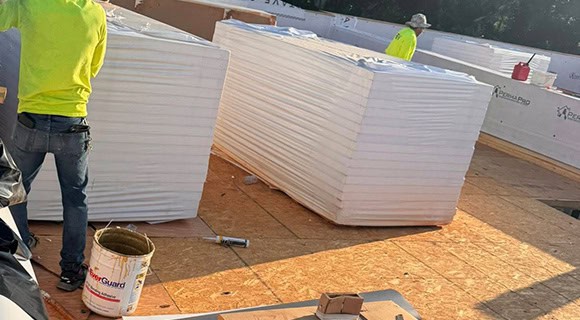
blueprints new construction commercial roofer

Commercial roofing differs dramatically from residential roofing. A new construction project demands precision, collaboration, and technical expertise. Specialists play critical roles in:

1. Reading Blueprints Accurately

A roof design must integrate seamlessly with architectural plans. Misreading blueprints can lead to improper installation, structural inefficiencies, and future maintenance issues.

2. Applying Building Codes

new construction commercial low slope roofing material

Local and national building codes dictate fire resistance, wind uplift ratings, drainage slopes, and insulation values. Specialists ensure compliance, avoiding costly penalties or rework.

3. Load Bearing Capacity

Commercial structures often support heavy HVAC systems, solar arrays, or rooftop equipment. Engineers and roofing experts must coordinate to guarantee load distribution across roof trusses and joists.

4. Coordination with Other Trades

Plumbing stacks, electrical conduits, and ventilation units penetrate commercial roofs. Specialists work alongside contractors to seal penetrations properly, preventing leaks.
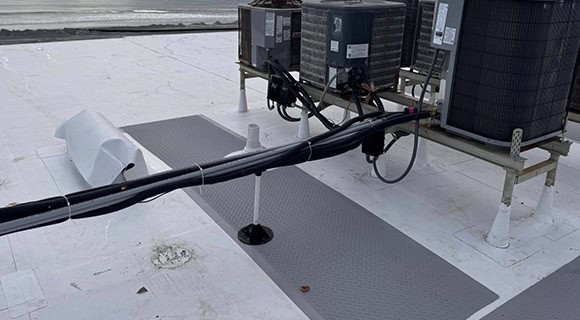
new construction commercial membrane roofer

The role of a commercial roofing specialist extends beyond installation – it’s about building a reliable protective system that aligns with architectural vision and safety standards.

Commercial Roof Systems
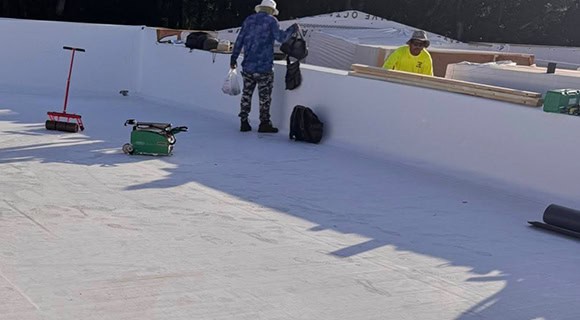
new construction commercial tpo low slope roofer

Different structures require unique roofing solutions – based on climate, budget, and function. Specialists help select and install the following roof types:

  • Single-Ply Membrane Roofing (TPOPVCEPDM) – Known for flexibility and resistance to UV rays, single-ply membranes are lightweight and ideal for flat or low-slope roofs. TPO offers energy efficiency, while EPDM provides long-term durability.
  • Built-Up Roofing (BUR) – A multi-layer system using asphalt and gravel, BUR creates redundancy and excellent waterproofing. It is heavy but long-lasting, making it suitable for industrial facilities.
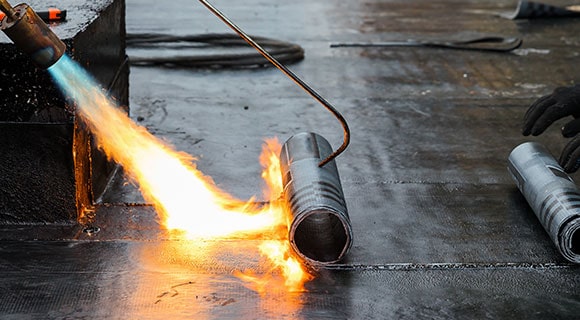
  • Modified Bitumen Roofing – This asphalt-based system (reinforced with fiberglass or polyester) provides strength, flexibility, and resistance to extreme weather. It is often installed with heat-welding or cold adhesives.
  • Metal Roofing – Standing seam and corrugated metal roofs deliver superior longevity and resistance to wind and fire. They are used for warehouses, retail centers, and office complexes.
  • Green and Cool Roofs – Sustainable options such as vegetative systems or reflective coatings improve insulation, reduce energy costs, and contribute to environmental certifications like LEED.

The right choice depends on project specifications, and specialists ensure materials and installation methods align with long-term performance goals.

New Image Roofing Atlanta Maintenance Contract
new construction commercial roofer maintenance plan

Even the best-installed commercial roofs require ongoing care. That’s why New Image Roofing Atlanta offers a comprehensive maintenance contract designed for property managers and building owners.

  • Scheduled Inspections – Twice-yearly checks ensure early detection of membrane cracks, seam separations, or drainage issues.
  • Detailed Reporting – Photo documentation provides clarity on roof conditions, making it easy to track repairs.
  • Preventive Repairs – Small leaks or punctures are fixed immediately, preventing widespread water damage.
  • Priority Emergency Service – Contract holders receive faster response during storm damage events.
  • Extended Roof Lifespan – Routine upkeep can add a decade or more to the life of a roof, protecting budgets and assets.

This proactive approach ensures that commercial roofing systems continue to perform long after installation is complete.

Why Hire New Image Roofing Atlanta

new construction commercial bbb accredited roofer

When selecting a roofing partner for new construction, experience and reliability are crucial factors. New Image Roofing Atlanta brings unique advantages:

  • Expertise in New Construction – Specialists with extensive knowledge in blueprint reading and code compliance.
  • Versatile Installation Skills – Skilled teams trained in single-ply, BUR, modified bitumen, metal, and green roof systems.
  • Proven Track Record – A portfolio of successful projects across retail, industrial, healthcare, and office sectors.
  • Collaborative Approach – Seamless communication with architects, engineers, and general contractors ensures on-time delivery.
  • Commitment to Quality – Meticulous installation methods backed by warranties and dedicated customer service.
  • BBB Accredited Business – New Image Roofing Atlanta is an accredited – A+ Rated – roofing contractor.

With New Image Roofing Atlanta, developers and property owners gain confidence that roofing systems will be built to last.

Key Considerations for New Construction Commercial Roofing
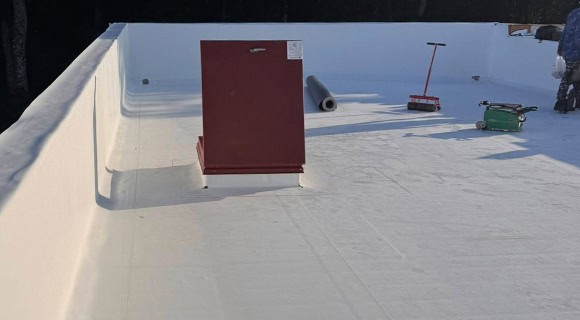
new townhome construction commercial roofer

Every commercial project is unique, but some key considerations apply universally. Property owners and project managers should keep the following in mind:

1. Blueprint Integration

Roofing specialists must analyze blueprints to ensure slope, drainage, and equipment placement are feasible. Collaboration during planning prevents misalignment during construction.

2. Building Code Compliance

Fire resistance, insulation R-values, and wind uplift ratings vary by jurisdiction. Codes evolve regularly, so up-to-date knowledge is crucial.

3. Budget vs. Longevity

Lower-cost roofing materials may reduce upfront expenses, but increase long-term repair costs. Specialists help balance immediate budgets with life-cycle value.

4. Energy Efficiency
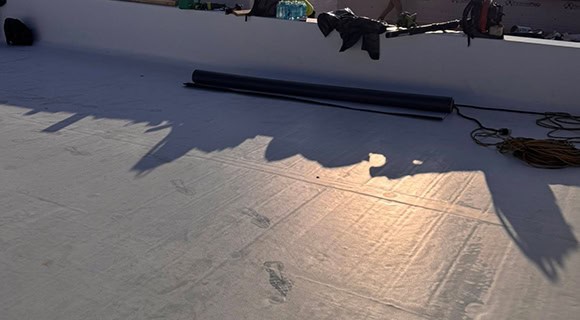
new construction commercial reflective membrane roofer

Roof design influences heating and cooling costs. Reflective membranes, proper insulation, or vegetative systems improve building performance.

5. Future Maintenance Needs

A well-designed roof should simplify inspections and repairs. Accessible drainage systems and durable materials minimize future disruptions.

6. Load Bearing and Safety

Heavy equipment or foot traffic requires reinforcement. Skipping structural analysis can jeopardize safety and lead to premature failure.

7. Contractor Reputation

Not all roofing companies are equal. Checking references, reviewing past projects, and confirming certifications reduces risk.

Keeping these considerations in focus ensures roofing systems meet performance standards and avoid costly setbacks.

new construction commercial low slope roofer

New Construction Roofing Atlanta

In this article, you discovered why expertise matters, the most common types of commercial roof systems, and how New Image Roofing Atlanta offers maintenance contracts and professional installation.

When you hire trained specialists and prioritize preventive maintenance, you secure roofing systems that last decades, safeguard tenants, and reduce long-term costs.

On the other hand, neglecting these measures invites hidden leaks, structural failures, and financial setbacks that can undermine the success of your entire property.

Sources:
ibhs.org/wp-content/uploads/Commercial-Roofs-Best-Practices.pdf
eere.energy.gov/buildings/pdfs/cool_roof_fact_sheet.pdf

  New Image Roofing Atlanta
 

    2020 Howell Mill Rd NW Suite 232
    Atlanta, GA 30318
    (404) 680-0041
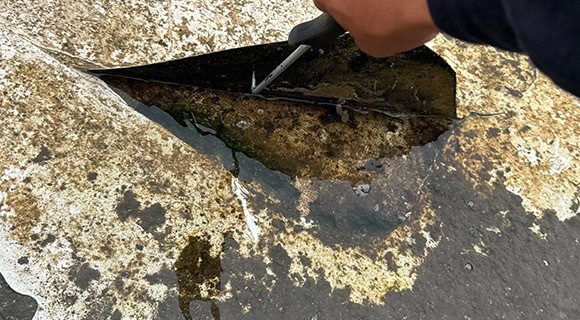
 

Keep commercial roofing problems from turning into leaks and costly repairs. Knowing what commercial roofing problems to watch for and what action to take can prevent severe roof damage.

problems and solutions for commercial roofs

New Image Roofing Atlanta explores 11 reasons commercial roofs develop significant problems and how to efficiently solve them.

1. Ponding Water

ponding water problems and solutions for commercial roofs

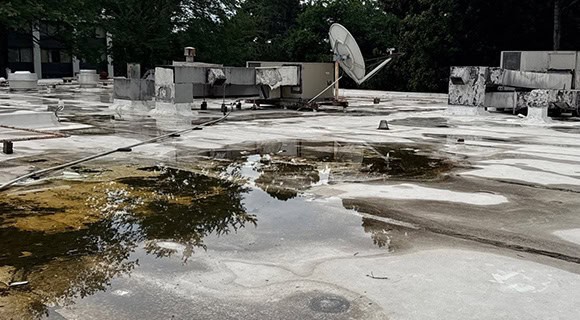
  • Problem: Low spots or poor drainage cause water to pool for more than 48 hours after rainfall.
  • Solution: Regrade insulation, clear blocked drains, and install tapered insulation systems to promote water flow.

2. Damaged or Missing Flashing

damaged flashing problems and solutions for commercial roofs

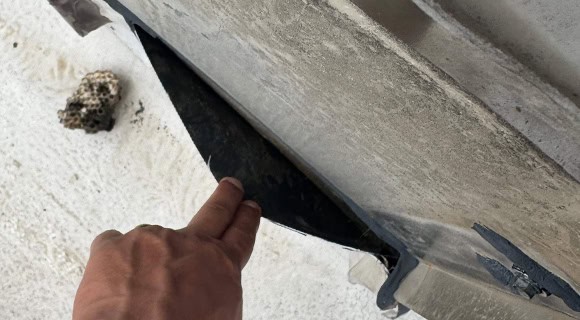
  • Problem: Flashing seals the edges, penetrations, and transitions on a roof. Damaged flashing allows water to infiltrate.
  • Solution: Inspect flashing regularly and replace any sections showing cracks, warping, or separation.

3. Membrane Punctures or Tears

membrane tear problems and solutions for commercial roofs

  • Problem: Foot traffic, dropped tools, or debris can puncture a membrane, letting moisture penetrate.
  • Solution: Install walkway pads for foot traffic and repair punctures immediately with manufacturer-approved patches.

4. Clogged Roof Drains and Gutters

clogged drain problems and solutions for commercial roofs

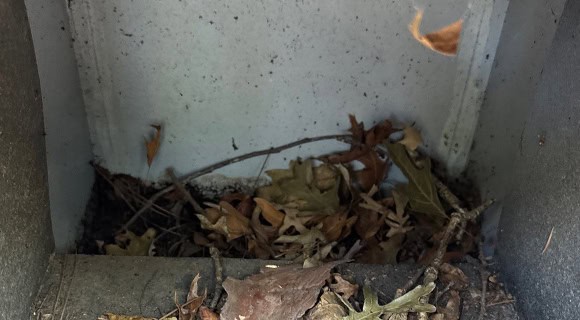
  • Problem: Leaves, debris, and sediment block water flow, causing overflows and leaks.
  • Solution: Schedule regular drain and gutter cleanings to ensure continuous proper drainage.

5. Poorly Installed Roofing Materials

unsealed membrane seam problems and solutions for commercial roofs

  • Problem: Inexperienced installers may leave seams unsealed or components misaligned.
  • Solution: Hire certified, experienced commercial roofing contractors and conduct post-installation inspections.

6. Open Roof Seams

  • Problem: Seams between membrane sheets can loosen over time due to thermal expansion and contraction.
  • Solution: Seal open seams promptly using compatible adhesives or heat-welding methods.

7. Blistering or Bubbling in Roofing Materials

  • blistered membrane problems and solutions for commercial roofs
  • Problem: Trapped moisture or air beneath the membrane causes raised blisters that weaken the roof surface.
  • Solution: Remove blistered sections, repair the substrate, and reinstall the membrane (following the manufacturer’s specifications).

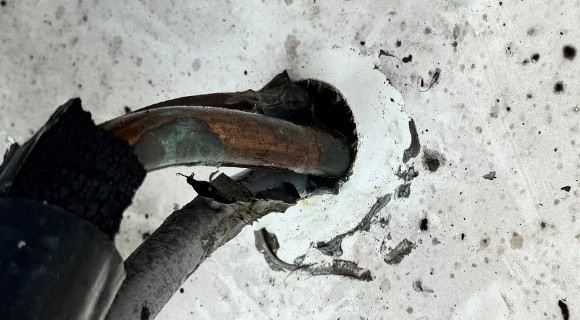
8. Damaged Roof Penetrations

penetrations problems and solutions for commercial roofs

  • Problem: HVAC units, vents, skylights, and other penetrations are common issues when flashing or seals fail.
  • Solution: Inspect all penetrations during routine maintenance and reseal or replace components when deterioration appears.

Read more about commercial roof penetrations HERE.

9. Shrinking Roofing Membrane

  • Problem: Aging or poor-quality materials can shrink and pull away from edges and flashing.
  • Solution: Replace affected sections and upgrade to a higher-grade membrane with proper expansion capability.

10. Structural Movement

  • Problem: Building settling or structural shifting can crack roofing materials or break seals.
  • Solution: Use flexible roofing materials that can accommodate slight building movement and repair damaged areas quickly.

11. UV Damage and Weathering

weathered material problems and solutions for commercial roofs

  • Problem: Constant exposure to sunlight degrades roofing materials, making them brittle and prone to cracking.
  • Solution: Apply reflective roof coatings and replace damaged sections to extend the roof’s life.

New Image Roofing Atlanta Maintenance Contract

maintenance programs problems and solutions for commercial roofs

Preventive maintenance is the most effective way to avoid commercial roof problems. New Image Roofing Atlanta offers customized maintenance contracts designed to extend roof life, minimize repair costs, and prevent costly downtime.

A maintenance contract includes:

  • Scheduled Inspections – Professional inspections at least twice a year, plus after major weather events.
  • Detailed Reporting – Photos and written documentation outlining current roof conditions, needed repairs, and recommended upgrades.
  • Priority Service – Maintenance contract clients receive expedited scheduling for urgent repairs.
  • Preventive Repairs – Small issues (seam separation or minor punctures) are addressed before they lead to significant leaks.
  • Budget Planning – Annual maintenance reports help building owners forecast future roof expenses and plan capital improvements.

Routine maintenance under a professional contract ensures compliance with most manufacturer warranties and extends the lifespan of your roof.

Why Hire New Image Roofing Atlanta

bbb accredited contractor problems and solutions for commercial roofs

New Image Roofing Atlanta specializes in commercial low-slope roofing systems for businesses throughout the state of Georgia. By choosing our team, you benefit from:

Expertise in All Commercial Roof Types – TPO, PVC, EPDM, modified bitumen, and metal roofing systems.
Certified Installers – Our technicians are trained to meet or exceed manufacturer installation standards.
Advanced Diagnostic Tools – Infrared moisture scanning, drone inspections, and leak detection technology.
Commitment to Quality – We use only proven materials from trusted manufacturers.
Local Experience – We understand Atlanta’s climate challenges and design roofing solutions to withstand heavy rain, heat, and UV exposure.
BBB Accredited Business – New Image Roofing Atlanta is an accredited – A+ Rated – roofing contractor.

When you hire New Image Roofing Atlanta, you are not just getting a roof – you are getting a partner dedicated to keeping your building safe, efficient, and compliant with building codes.

Key Considerations for Commercial Roof Problems and Solutions

Commercial roofs face unique challenges due to their size, design, and exposure to harsh weather conditions. Identifying and addressing these problems quickly can save building owners thousands in repair costs and prevent operational disruptions.

1. Timely Detection is Crucial

Small leaks or cracks, if ignored, can quickly escalate into structural damage. Regular inspections detect issues like membrane punctures, ponding water, or flashing deterioration before they become emergencies.

2. Choosing the Right Materials

Different roofing systems offer varying levels of durability, weather resistance, and maintenance requirements. Selecting materials suited for the local climate and building usage ensures maximum lifespan and performance.

3. Preventive Maintenance is Cost-Effective

Implementing a consistent maintenance schedule reduces the frequency of major repairs and extends the service life of your roof. A maintenance plan typically includes inspections, debris removal, seam resealing, and cleaning drainage systems.

4. Skilled Contractors Make the Difference

The quality of installation and repair work directly impacts a roof’s performance. Hiring certified commercial roofing specialists guarantees that materials are installed to the manufacturer’s specifications and industry standards.

5. Documentation Protects Investments

Keeping detailed records of inspections, repairs, and upgrades supports warranty claims, insurance requests, and property valuation. It also helps track the roof’s condition over time.

Commercial Roof Leak Solutions

In this article, you discovered 11 of the most common commercial roof problems and the proven solutions for each, along with preventive maintenance strategies and contractor selection tips.

By acting quickly, working with experienced professionals, and following a consistent maintenance plan, you can protect your building from costly water damage, maintain structural integrity, and maximize the return on your roofing investment.

Neglecting roof issues or hiring unqualified contractors can lead to leaks, interior damage, mold growth, and premature roof failure, resulting in major repair expenses and potential business disruptions.

Sources:
gsa.gov/real-estate/historic-preservation/historic-preservation-policy-tools/preservation-tools-resources/technical-procedures/sources-of-flat-roof-failures-inspection-guidance
disastersafety.org/maintenance/how-to-inspect-and-maintain-your-commercial-roof

  New Image Roofing Atlanta
 

    2020 Howell Mill Rd NW Suite 232
    Atlanta, GA 30318
    (404) 680-0041
 

Avoid indecision when it is time to install or replace your commercial flat roof in Atlanta, Georgia. Understanding the roof installation process, materials, and maintenance needs is essential for a long lifespan. A professional roofing partner ensures your investment remains protected from the elements while maximizing energy efficiency and structural integrity.

commercial low slope roof installation

New Image Roofing Atlanta explores the commercial low-slope roof installation process, types of roofing systems, and why choosing the right contractor (like New Image Roofing Atlanta) matters.

Low-Slope Roof Inspection and Replacement Quote

The process begins with a thorough inspection to evaluate current roof conditions. Roofing professionals look for signs of ponding water, membrane blistering, seam separation, flashing deterioration, and underlying structural concerns.

After documenting problem areas and measuring total square footage, the contractor prepares a detailed replacement quote. This estimate outlines material recommendations, labor costs, disposal fees, insulation upgrades, and warranty options. Transparency at this stage ensures building owners can make informed decisions that meet both budget and performance goals.

Tear-Off and Roof Deck Preparation

commercial low slope roof installation deck preparation

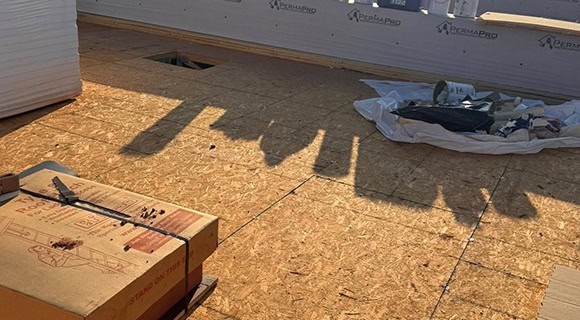
Once the quote is approved, the tear-off phase begins. The old membrane, insulation, and flashings are carefully removed to expose the roof deck. If damage to the decking is discovered, repairs or full replacement are made before installation continues.

Deck preparation includes:

  • Cleaning and drying surfaces
  • Inspecting for ponding or slope issues
  • Installing new insulation to meet R-value standards
  • Laying a vapor barrier when needed

This foundation sets the stage for a watertight and energy-efficient roofing system.

Low-Slope Roof Installation Process

commercial low slope roof membrane installation parapet wall

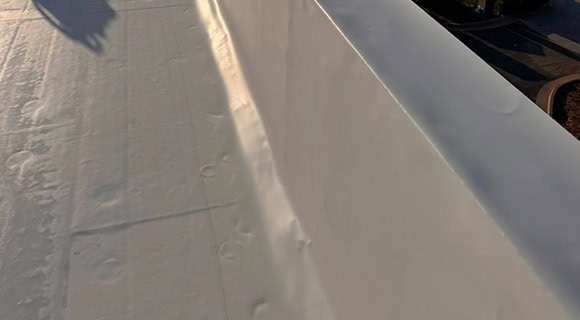
The selected membrane system is installed (by the manufacturer’s guidelines and local codes). Installation methods vary based on the system type – mechanically fastened, fully adhered, or ballasted.

Key steps include:

  • Rolling out membrane sheets
  • Sealing seams using heat welding or adhesive
  • Installing edge metal, flashings, and penetrations
  • Performing quality checks and leak testing

A well-installed low-slope roof protects against wind uplift, thermal expansion, and water intrusion.

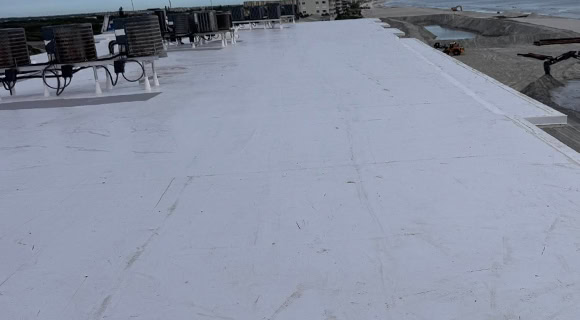
Watch this video to see a completed New Image Roofing Atlanta commercial TPO low-slope roof installation.

Flat Roof System Types

Selecting an appropriate roofing system determines its performance and cost-efficiency. Below are four common systems used for commercial low-slope applications:

1. TPO (Thermoplastic Polyolefin)

commercial low slope roof installation tpo thermoplastic polyolefin

Installation Time: 3–7 days (depends on building size)
Lifespan: 15–20 years

Advantages: Reflective surface lowers cooling costs, heat-welded seams resist leaks, and recyclable material
Disadvantages: Vulnerable to punctures if walked on frequently

Maintenance: Annual inspection, seam check, debris removal

2. EPDM (Ethylene Propylene Diene Monomer)

commercial low slope roof installation epdm membrane

Installation Time: 4–8 days
Lifespan: 20–25 years

Advantages: Durable rubber membrane, excellent UV resistance, low material cost
Disadvantages: Seams sealed with adhesive instead of welding, which may degrade over time

Maintenance: Regular inspection of seams and patches

3. PVC (Polyvinyl Chloride)

commercial low slope roof installation pvc membrane

Installation Time: 3–6 days
Lifespan: 20–30 years

Advantages: High chemical resistance, fire resistance, and energy-efficient
Disadvantages: More expensive than TPO or EPDM, may become brittle over decades

Maintenance: Biannual checks, cleaning, and fastener inspection

4. Modified Bitumen

commercial low slope roof installation modified bitumen

Installation Time: 4–9 days
Lifespan: 15–25 years

Advantages: Multiple installation options (torch, cold adhesive, self-adhered), strong resistance to tears
Disadvantages: Labor-intensive, may require special equipment

Maintenance: Inspections after storms, resealing of seams

New Image Roofing Atlanta Maintenance Programs

commercial low slope roof installation expert maintenance

Every roofing system, regardless of its durability, benefits from proactive care. New Image Roofing Atlanta offers comprehensive commercial maintenance programs that extend a roof’s lifespan, reduce repair costs, and protect building assets.

Program features include:

  • Scheduled inspections (semi-annual or quarterly)
  • Cleaning of drains, gutters, and roof surfaces
  • Minor repairs to seams, flashings, or punctures
  • Detailed condition reports and photos
  • Storm damage assessments and insurance assistance

This maintenance plan minimizes surprises and ensures the roof’s performance remains consistent through Georgia’s hot summers and wet winters.

Why Choose New Image Roofing Atlanta 404-680-0041

commercial low slope roof installation bbb accredited roofer

New Image Roofing Atlanta has a reputation for quality workmanship, responsiveness, and commercial expertise. With a team trained in the latest flat roofing systems, they guide each project from inspection to final walk-through with professionalism and care.

Reasons to work with New Image Roofing Atlanta:

  • Expertise and Experience – New Image Roofing Atlanta brings years of experience and a team of highly trained professionals to every project. Their expertise ensures that every repair or replacement is done right the first time.
  • Commitment to Quality – New Image Roofing Atlanta delivers lasting results with top-tier materials and state-of-the-art techniques.
  • Customer-Centric Approach – The company prioritizes clear communication from start to finish, ensuring homeowners feel informed and confident throughout the process.
  • Comprehensive Services – Whether you need a minor repair, a replacement, or a maintenance program, New Image Roofing Atlanta has you covered.
  • BBB Accredited Business – New Image Roofing Atlanta is an accredited A+ rated roofing contractor.

Whether managing a retail space, warehouse, or office complex, property owners trust New Image Roofing Atlanta to deliver durable solutions on schedule and within budget.

Key Considerations for Commercial Low-Slope Roof Installation

1. Roof Slope and Drainage

Low-slope roofs require proper drainage to prevent ponding, which accelerates material wear and leaks. Ensure slopes meet minimum design requirements and install internal or scupper drains where needed.

2. Building Usage

Choose roofing systems based on usage. Restaurants, for example, may require PVC due to its chemical resistance. Offices may benefit from reflective TPO for energy savings.

3. Insulation Performance

Improving R-value during roof replacement helps reduce heating and cooling costs. Consider polyiso insulation or tapered systems to increase energy efficiency and drainage.

4. Local Climate

In Georgia, the hot summers, high humidity, and severe thunderstorms require robust roofing that can effectively handle thermal cycling and water. Select systems with proven performance in regional conditions.

5. Budget and Warranty

While initial cost matters, consider total lifecycle costs. Some systems offer extended warranties, lower maintenance needs, or utility savings that outweigh the upfront expense.

6. Contractor Reputation

Partner with a contractor that stands behind their work, offers warranties, and communicates clearly. Read reviews, check references, and verify licensing and insurance.

7. Post-Installation Support

A strong warranty and maintenance agreement will protect the investment. Select a contractor offering long-term service and annual evaluations.

commercial low slope roof installation material preparation

Commercial Flat Roof Installation

In this article, you discovered the commercial low-slope roof installation process, types of roofing systems, and why partnering with the right roofing contractor (like New Image Roofing Atlanta) matters.

Partnering with New Image Roofing Atlanta ensures your Georgia business stays protected, efficient, and secure. With our company, you get detailed planning, expert installation, and long-term care (with trusted materials, proven installation and maintenance systems, and a dedicated roofing team).

Your choices matter. Working with inexperienced or underqualified commercial roofers can result in a leaking roof, paralyzed business operations, a voided warranty, and costly repairs.

Sources:
basc.pnnl.gov/resource-guides/low-slope-flat-roofs
fema.gov/sites/default/files/documents/fema_p-2181-fact-sheet-3-3-2-roof-systems-low-slope-roofs.pdf

  New Image Roofing Atlanta
 

    2020 Howell Mill Rd NW Suite 232
    Atlanta, GA 30318
    (404) 680-0041