Severe storms can leave homeowners facing damaged shingles, leaking ceilings, fallen trees, broken windows, and unexpected power outages. When multiple homes across a neighborhood sustain damage, finding reliable contractors and coordinating repairs can quickly become overwhelming. Knowing how to respond, protect your property, and organize professional restoration limits further damage, controls repair costs, and restores your home to normal faster.

New Image Roofing Atlanta gathered information about complete residential storm damage restoration to help homeowners throughout Atlanta and surrounding communities prepare for severe weather and recover after a damaging storm. This guide explains common storm-related property damage, immediate recovery steps, preventive maintenance strategies, and how New Image Roofing Atlanta partners with New Image Line Solutions, New Image Tree Solutions, New Image Roofing Florida, and D&D Village Construction to connect homeowners with local repair services and broader regional resources throughout the Southeast and Florida.
Key Takeaways for Complete Residential Storm Damage Restoration
- Inspect your property safely after a storm. Strong winds, hail, heavy rainfall, and falling trees can damage roofing, siding, windows, gutters, and other exterior components. Look for visible problems from the ground, but avoid climbing on a damaged roof or approaching downed power lines. Contact qualified professionals when a closer inspection is necessary.
- Address urgent hazards first. Downed electrical lines, unstable trees, damaged structural components, and exposed wiring can threaten household safety. Keep family members and pets away from dangerous areas. Contact emergency services when there is immediate danger, and notify the utility provider about downed electrical lines or other utility hazards.
- Prevent additional water damage. A damaged roof allows rainwater into attics, walls, ceilings, and living spaces. Fast professional assessment and temporary protection can reduce further exposure. If water reaches electrical systems, avoid affected areas until qualified professionals determine they are safe.
- Document damage before permanent repairs. Photograph damaged roofing, broken windows, fallen trees, wet interiors, and affected personal property. Keep written notes, contractor estimates, receipts, and records describing emergency work. Notify your insurance company promptly and follow its requirements for inspections, documentation, and claim submission.
- Coordinate the right recovery services. Residential restoration may require roofing contractors, tree specialists, electrical professionals, and general construction crews. New Image Roofing Atlanta works alongside New Image Line Solutions, New Image Tree Solutions, New Image Roofing Florida, and D&D Village Construction to support a coordinated approach when several types of damage need attention.
- Understand the purpose of temporary repairs. Emergency tarping, securing openings, and removing standing water can help protect a home while arranging permanent repairs. Temporary work does not replace a professional inspection, and homeowners should confirm which emergency expenses their insurance policy covers.
- Maintain your roof before severe weather arrives. Regular inspections can reveal deteriorated flashing, loose shingles, damaged roof edges, clogged gutters, and other vulnerabilities. Correcting problems early reduces the risk that ordinary wear becomes a major leak during the next storm.
- Evaluate contractors carefully. Confirm appropriate licensing where required, insurance coverage, relevant experience, and a clear written scope. Be cautious about high-pressure sales tactics, unexplained repair recommendations, and promises that insurance will cover every expense. Coverage decisions depend on the policy and insurer.
- Prepare for neighborhood-wide disruptions. Storms may affect roads, utilities, tree cover, and contractor availability across an entire community. Keep emergency contacts accessible, identify alternative arrangements for essential household needs, and communicate with neighbors when shared hazards affect access or safety.
- Create a long-term restoration plan. After controlling immediate hazards, prioritize repairs based on safety, weather exposure, and the potential for additional deterioration. Maintain records on completed work and establish a preventive maintenance schedule to help protect your home’s value and condition.
A well-organized recovery process helps homeowners make informed decisions during a stressful situation. By prioritizing safety, documenting damage, coordinating qualified professionals, and addressing vulnerabilities, families can reduce preventable complications and improve their readiness for future storms.
How Storms Damage Atlanta-Area Neighborhoods
The Atlanta region experiences thunderstorms, damaging wind gusts, hail, heavy rainfall, and occasional tornadoes. Tropical systems moving inland from the Gulf Coast or Atlantic Ocean can also bring periods of heavy rain and strong winds. When severe weather moves through a community, multiple homes may sustain damage in a short time, creating widespread demand for emergency inspections and restoration services.
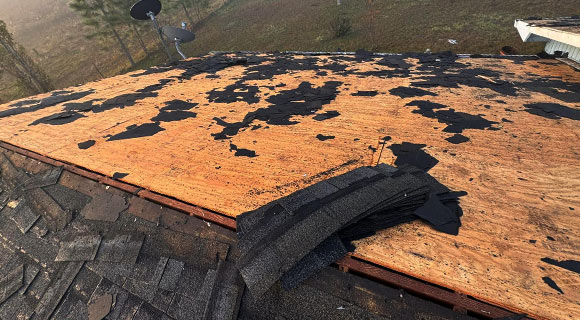
Roofing systems are often among the first parts of a home to experience storm damage. High winds can loosen or remove shingles, damage ridge caps, lift flashing, and expose vulnerable roof decking. Hail may damage certain roofing materials, while wind-driven debris can puncture roof surfaces or damage vents and other penetrations. Even a small opening allows rainwater into an attic and spread into ceilings, insulation, and walls.
Structural and exterior damage may also occur. Strong winds can break windows, damage siding, loosen gutters, and affect soffits, fascia, fences, and exterior doors. Falling trees or heavy limbs can damage roofs, garages, vehicles, and other structures. If water enters concealed spaces, deterioration may continue after rainfall stops.
Power grid disruptions create another challenge. Fallen trees and damaged utility infrastructure can interrupt electricity, affect refrigeration, disable security systems, and disrupt communication. Downed power lines present a serious hazard, and homeowners should never approach or handle them.
Because these problems frequently overlap, complete residential storm restoration involves more than repairing visible roof damage. Homeowners may need roofing evaluations, hazardous tree removal, utility coordination, water mitigation, and construction repairs.
What to Do After Residential Storm Damage
Check that everyone in the household is safe. Stay away from unstable structures, damaged electrical equipment, and downed power lines. If you suspect a gas leak, leave the area and contact emergency services or a utility provider from a safe location.
After addressing immediate dangers, inspect the property from the ground. Look for missing shingles, damaged gutters, broken windows, fallen limbs, and signs of water entering the home. Do not walk on a damaged roof or enter areas where ceilings appear unstable.
Photograph visible damage and contact your insurance carrier as soon as practical. Ask about required documentation, inspection procedures, deductibles, and deadlines. Keep copies of repair estimates and receipts for emergency measures. Don’t discard damaged property before documenting it (unless necessary to address immediate safety concerns).
Contact qualified professionals to evaluate roofing, trees, structural components, and other affected systems. Temporary protection may be necessary before permanent repairs can begin. If the home has significant structural damage or unsafe electrical conditions, follow professional guidance before allowing occupants to return to affected areas.
Finally, organize repairs according to urgency. Prioritize preventing additional water entry and resolving safety hazards over cosmetic improvements. A written plan helps coordinate contractors, monitor expenses, and keep household members informed throughout restoration.
Coordinated Storm Recovery Across the Southeast and Florida
When a major storm affects multiple neighborhoods, local contractors may face heavy demand. New Image Roofing Atlanta partners with complementary businesses to help homeowners access relevant services and broader regional resources.
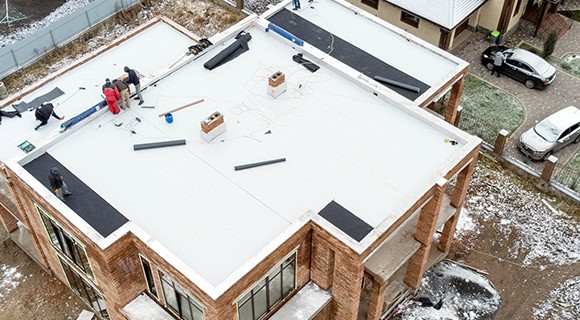
New Image Roofing Atlanta provides roof inspections, repair services, replacement solutions, and preventive maintenance. Its roofing services help homeowners identify storm-related damage, evaluate appropriate repair options, and address vulnerabilities that could permit additional water intrusion.
New Image Line Solutions supports recovery needs associated with its line-service capabilities. Homeowners should contact their utility provider or authorized professionals when electrical infrastructure is damaged. Work involving energized lines or utility equipment must be handled by appropriately qualified personnel.
New Image Tree Solutions assists with tree-related property hazards, including storm-damaged limbs, tree removal, pruning, and other tree care services. Removing dangerous vegetation can help restore access and reduce risks around homes, driveways, and surrounding structures. Tree work near utility lines requires proper coordination with the utility provider.
New Image Roofing Florida extends the roofing partnership to Florida, where hurricanes, tropical storms, wind-driven rain, and severe seasonal weather can create extensive residential damage. Appropriate inspections, temporary protection, and repairs can help Florida homeowners address roofing problems following damaging weather.
D&D Village Construction provides construction-related services that may be needed when storm damage extends beyond the roof. Depending on the project and service availability, construction professionals can help address damaged building components and other repairs needed to restore a home.
This partnership brings together complementary service capabilities intended to help homeowners coordinate different parts of a recovery project. Confirm specific services, coverage areas, licensing requirements, and availability directly with the relevant company. A coordinated approach can make it easier to identify priorities and arrange the appropriate professionals for each problem.
New Image Roofing Atlanta Roof Maintenance Solutions
Preventive maintenance helps homeowners identify roofing problems before severe weather turns them into costly repairs. No maintenance plan can guarantee protection against storm damage; regular inspections and timely repairs can reduce vulnerabilities and support long-term roof performance.
New Image Roofing Atlanta Roof Maintenance Solutions focus on evaluating roof conditions and identifying areas that require attention. An appropriate maintenance schedule depends on roof age, materials, installation details, exposure to trees, and previous repair history.
Inspections should examine shingles or roofing membranes, flashing, ridge caps, valleys, roof edges, vents, and other penetrations. Evaluate loose or deteriorated components and signs of moisture intrusion. Gutters and downspouts also need attention because clogged drainage can contribute to water problems around the roof and foundation.
Homeowners should consider additional inspections after significant storms, particularly when nearby properties have sustained damage or debris has struck the house. A professional may identify problems that are difficult to see from the ground, including displaced roofing materials or damage around flashing.
Keep inspection reports, photographs, invoices, and maintenance records in an organized location. These documents can help homeowners track recurring problems, plan future expenses, and communicate with contractors or insurance representatives. Property owners should also review applicable warranty requirements and understand which maintenance tasks their service agreement covers.
Regular maintenance cannot prevent every loss, but it can help identify manageable problems before they worsen. Combined with sound drainage, appropriate tree care, and a clear emergency plan, roofing maintenance provides an important layer of protection for residential properties.
Hire New Image Roofing Atlanta 404-680-0041
When a storm damages your roof, prompt professional evaluation can help determine what needs attention and which repairs should take priority. New Image Roofing Atlanta provides residential and commercial roofing services, including inspections, repairs, replacement solutions, and preventive maintenance support.
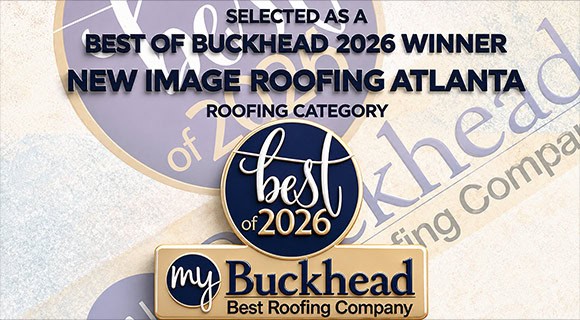
New Image Roofing Atlanta was chosen as a Best of Buckhead 2026 Winner for Roofing Services. Homeowners evaluating roofing contractors should consider this recognition alongside relevant experience, insurance coverage, written estimates, and the proposed scope of work for their specific property.
For roofing inspections, storm damage assessments, repair estimates, or maintenance information, contact New Image Roofing Atlanta at 404-680-0041 or visit https://newimageroofingatlanta.com/. Explain the property location, visible damage, and any urgent concerns so the company can determine appropriate next steps.
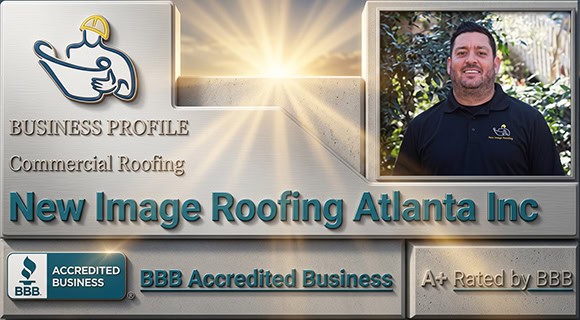
New Image Roofing Atlanta is a BBB accredited A+ Rated roofing contractor.
Call New Image Roofing Atlanta at 404-680-0041 to discuss your roofing needs.
When damage also involves fallen trees, utility-related hazards, or structural repairs, ask about coordinating with New Image Tree Solutions, New Image Line Solutions, New Image Roofing Florida, and D&D Village Construction. The right combination of services depends on the damage, location, and current availability.
Protect Your Home Before and After a Storm
Complete residential storm damage restoration requires homeowners to recognize common hazards, document losses, protect exposed areas, and arrange qualified repairs. Atlanta-area storms can damage roofs, structural components, power infrastructure, and trees across entire neighborhoods. Understanding the recovery process and coordinating the appropriate professionals can help families navigate these challenges more effectively.
Taking preventive action and responding promptly after severe weather can help protect your household, reduce additional damage, and make restoration easier to manage. Regular roof maintenance, organized insurance documentation, emergency contacts, and access to qualified contractors can improve preparedness and help homeowners make confident decisions when conditions are stressful.
Ignoring maintenance or postponing necessary repairs can lead to more serious problems. Small roof openings allow leaks; moisture can damage insulation and interior finishes, and unresolved tree or structural hazards can threaten household safety. Delays may also increase repair expenses and prolong disruption. Preparing ahead and addressing storm damage promptly can help homeowners protect their property and recover with fewer avoidable complications.
Atlanta, GA 30318
(404) 680-0041