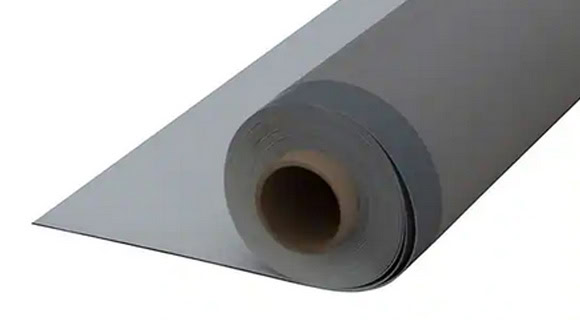
Tag Archive for: Residential Roof Repair Atlanta

Are you looking for a durable and economical roofing solution? A built-up roofing system (BUR) may be what you are looking for.

Commercial low slope or flat roofing

newimageroofingatlanta.com gathered information on built-up roofing systems (BUR), its benefits, installation, maintenance, and how it compares to other popular roofing systems. Consider the following:

What is Built-Up Roofing (BUR)?

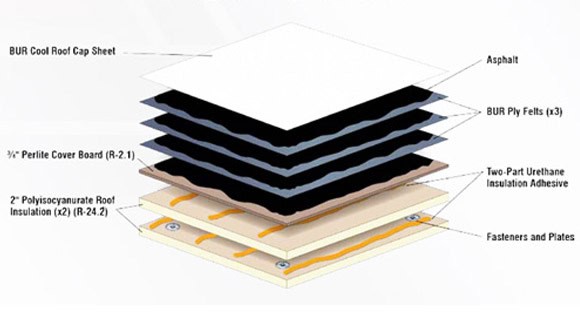
Built-Up Roofing (BUR) is a time-tested, staple roofing system in the construction industry. This roofing system is composed of multiple layers of bitumen (asphalt or coal tar) and reinforcing fabrics, typically fiberglass or organic felts. These layers are applied in a repetitive fashion, creating a seamless, durable membrane. Gravel or mineral granules are often embedded into the top layer to protect it from the elements and provide significant UV resistance.

BUR Installation

Installing a built-up roofing system is a somewhat labor-intensive process that requires the expertise of skilled roofing contractors. Here is a step-by-step guide to how BUR is installed:

Built up roofing system layers

  1. Deck Preparation – The process begins with preparing the roof deck, ensuring it is clean, dry, and in good condition. Existing roofing material is removed, and any necessary repairs are made.
  2. Vapor Barrier Installation – A vapor barrier is installed to prevent any moisture from entering the building through the roof. This layer is essential for maintaining a comfortable indoor environment.
  3. Insulation – Insulation is added to improve energy efficiency and temperature control. Insulation can help reduce heating and cooling costs.
  4. Felt Layers – The first layer of roofing felt is applied directly over the insulation. This is typically a base sheet, and is secured using hot asphalt or adhesive.
  5. Bitumen Application – Multiple layers of bitumen are applied over the base sheet. The bitumen is heated and spread evenly across the roof, followed by the application of a reinforcement fabric.
  6. Reinforcement Fabric – Fiberglass or organic felts are embedded into the hot bitumen. This adds significant strength and stability to the roofing system.
  7. Repeat – Steps 5 and 6 are repeated until the desired number of layers is achieved. A BUR system typically consists of three to five layers.
  8. Surface Layer – The top layer or cap sheet, is made of bitumen and covered with aggregate materials like gravel or mineral granules. This layer provides protection against weather and UV radiation.
  9. Final Inspection – After the surface layer is installed, a final inspection is performed to ensure that the roofing system is correctly installed, and there are no defects.
  10. MaintenanceRegular maintenance is essential for a BUR system to maximize its lifespan and performance. Periodic inspections, cleaning, and repair of any damaged areas are crucial to its long lifespan.

BUR Advantages

Built up roofing systems require a maintenance plan

Built-Up Roofing has several advantages contributing to its enduring popularity:

  • Proven Durability – BUR systems are known for their long lifespan, often exceeding 20 years or more with regular maintenance. The roofing system’s multiple layers and redundancy make it resistant to leaks and damage.
  • Waterproofing – The bitumen layers and reinforcing fabrics create a seamless, waterproof barrier that effectively protects the building from any water infiltration.
  • Thermal Performance – The insulation layers in BUR systems can enhance a building’s energy efficiency, reducing heating and cooling costs.
  • Fire Resistance – BUR systems can be made with fire-resistant materials, making them an excellent choice for buildings in regions prone to wildfires or with strict fire codes.
  • UV Resistance – The top layer of aggregate materials offers UV protection, extending the roofing system’s lifespan.

BUR Disadvantages

While Built-Up Roofing offers multiple benefits, it also comes with some drawbacks:

  • Installation Complexity – BUR installation is labor-intensive and requires experienced roofers. This can increase the initial installation cost.
  • Weight – BUR systems can be heavy, potentially requiring additional structural support for some buildings.
  • Maintenance Requirements – Regular maintenance is crucial to ensure a BUR system’s longevity, which can add to the overall cost of ownership.
  • Odor and Fumes – The installation process involves heating bitumen, which releases unpleasant odors and fumes. Proper ventilation is necessary during installation.

TPO and PVC Roofing System Comparison

To make an informed decision about your roofing system, it’s essential to compare BUR to other popular options, like Thermoplastic Polyolefin (TPO) and Polyvinyl Chloride (PVC) roofing systems.

TPO Roofing Vs. BUR

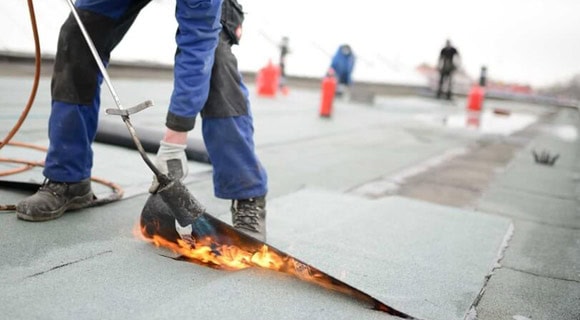
TPO membranes vs built up roofing

TPO roofing is a single-ply membrane roofing system made from a blend of rubber and other materials. Here’s how it compares to BUR:

  • Installation – TPO roofing is relatively easier and quicker to install compared to BUR, which can significantly reduce labor costs.
  • Durability – BUR is known for its durability and long lifespan, often exceeding TPO systems. TPO can be more vulnerable to punctures and tears.
  • Energy Efficiency – TPO roofing reflects sunlight effectively, helping reduce cooling costs. However, BUR systems with added insulation can achieve similar energy efficiency.
  • Cost – TPO roofing can be cost-effective in terms of installation, but BUR may provide better long-term value due to its durability.

PVC Roofing Vs. BUR

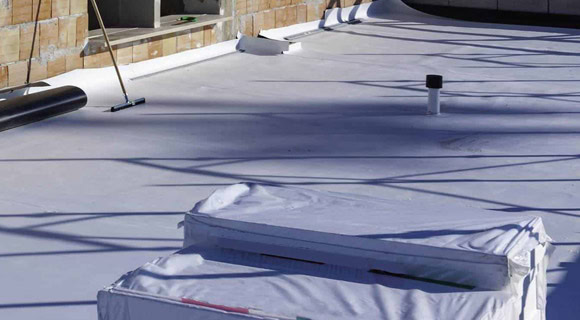
PVC membranes vs built up roofing

PVC roofing, like TPO, is a single-ply membrane roofing system made of polyvinyl chloride. Here’s how it compares to BUR:

  • Installation – PVC roofing installation is similar to TPO (ease and speed). It may be a more cost-effective option for initial installation.
  • Durability – BUR is often considered more durable and resilient against severe weather conditions. PVC roofing may be more prone to damage over time.
  • Energy Efficiency – PVC roofing has excellent UV resistance and reflects sunlight effectively, providing energy savings. However, BUR can achieve similar results with added insulation.
  • Cost – PVC roofing can be cost-effective for initial installation, but BUR offers better long-term value and longevity.

Subscribe to this YouTube Channel to see informative videos about roofing topics.

Built-Up Roofing Systems

In this article, you discovered what built-up roofing is, how it is installed, its advantages and disadvantages, and how it compares to other low slope roofing systems.

Understanding the various roofing system qualities, advantages, and disadvantages allows you to make an informed decision when determining which roofing system is best suited for your needs.

Unfamiliarity with roofing system advantages and disadvantages may lead you to installing an overpriced or improper roof on your residential or commercial structure.

Sources:
nps.gov/crps/tps/roofingexhibit/composition.htm
gsa.gov/real-estate/historic-preservation/historic-preservation-policy-tools/preservation-tools-resources/technical-procedures/types-of-flat-roofing-and-factors-affecting-its-deterioration
asphaltroofing.org/bur-multi-ply-built-up-roofing/

New Image Roofing Atlanta

2020 Howell Mill Rd NW Suite 232
Atlanta, GA 30318
(404) 680-0041
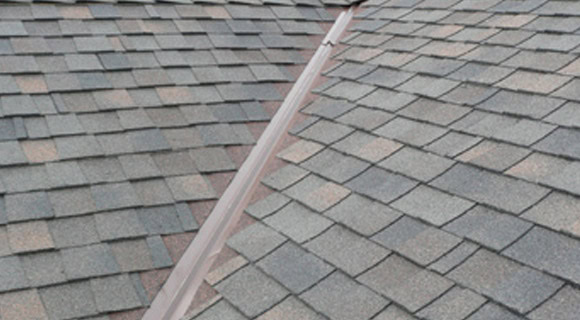
Prevent severe damage to your home and landscape and devastating injuries to your roofers and loved ones. When safety equipment is utilized properly, and safety procedures are adhered to, costly damages and severe injuries can be prevented.

Residential roofing safety includes using ppe hard hats and fall arrest systems

newimageroofingatlanta.com gathered essential information on equipment and requirements that ensure roofing crew and occupant safety, including any necessary permits, emergency preparedness plans, and severe weather forecasts.

Safety Equipment and Requirements

Roofing work can be hazardous, and the consequences of neglecting safety measures can be severe (ranging from minor injuries to fatal accidents). Ensuring safety is not only a legal and ethical obligation but a practical one that minimizes delays, additional costs, and potential damage to the property. Consider the following roofing crew safety equipment:

Personal Protective Equipment (PPE): Roofers should wear the appropriate PPE, including:

  • Hard Hats
  • Safety Glasses or Face Shields
  • Hearing Protection
  • Gloves
  • Non-Slip Footwear.

Residential roofing safety includes using personal protective equipment or ppe

PPE provides protection against falling debris, sharp objects, and noise-related issues.

Fall-Arrest Systems: Fall-arrest systems are critical for all roofing projects. Roofers must have access to fall arrest systems, which typically consist of:

  • Harnesses
  • Lifelines
  • Anchor points

Residential roofing safety includes using harnesses ropes and fall arrest systems

Note: Roofing companies must provide training on the proper use of these systems to prevent falls from heights.

Roof Brackets and Toe Boards: These devices help create a safer working platform on the roof, reducing slip or fall risks. Roof brackets secure to the roof’s surface and provide a stable platform for workers to stand on.

Ladders and Access Equipment: High-quality ladders and access equipment, like scaffolding, should be used to provide safe entry and exit points to the roof. Proper ladder setup and secure anchoring are essential to prevent accidents.

Roofing Tools and Equipment: Roofing crews should have access to specialized tools and equipment like:

  • Roofing Nail Guns
  • Roofing Knives
  • Safety Knives

Residential roofing safety includes using the right tools

Note: These tools are designed to enhance efficiency while minimizing risks associated with manual labor.

Tip: All cutting or trimming equipment must be kept sharpened to prevent incidents from over-used or dull blades.

Safety Requirements for Occupants

While much of the safety responsibility falls on the roofing crew, homeowners and occupants also have a crucial role to play in ensuring safety during a roof replacement project.

Clear the Work Area: Before the roofing crew arrives, homeowners should remove any obstacles around the house that could hinder their work. This includes:

  • Outdoor Furniture
  • Landscape Accessories
  • Vehicles
  • Equipment

Residential roofing safety includes removing outdoor furniture and equipment from the area around the home

Tip: If you have limited space to store these items, rent a storage unit for their safe-keeping.

Communication with Roofing Crew: Establishing clear communication with the roofing company and installation crew is essential. Discuss any concerns or special requirements you may have, like protecting delicate landscaping or pet safety.

Children and Pet Safety: Ensure that children and pets are kept safely away from the work area. The noise and presence of workers on the roof can be unsettling or disorienting for them. Consider temporary accommodations or playdates away from the home.

Secure Loose Items: Secure any loose items in your attic or upper floor to prevent them from falling during the roof replacement. Vibrations from the work can dislodge objects.

Tip: When roof installation is complete, verify that any wall fasteners haven’t come loose from vibrations caused by the nailing or pounding.

Follow Instructions from Roofing Crew: It’s crucial to follow any safety instructions provided by the roofing crew. This may include remaining inside the house or keeping windows closed during certain phases of the roofing project.

Read more about residential roofing systems at newimageroofingatlanta.com/residential-roofing-what-you-need-to-know/

Regulatory Compliance and Permits

Roofing projects are subject to local building codes and regulations. Compliance with these codes – when applicable – is mandatory to ensure the safety and structural integrity of the roof.

It’s essential for roofing companies to obtain any necessary permits and inspections before and after the project. Homeowners should verify that their roofing contractor is licensed, insured, bonded, and that they adhere to all local and/or regional regulations.

Emergency Preparedness

Both the roofing crew and occupants should be prepared for emergencies. Roofing companies should have an emergency plan in place, including:

  • First Aid Kits
  • Fire Extinguishers
  • Protocols for handling accidents or injuries

Residential roofing safety includes having a plan for incident and injury response

Homeowners should know how to contact emergency services and be familiar with evacuation routes in case of fire or other emergencies.

Weather Considerations

Weather can significantly impact the safety of a roofing project. Roofing work should not proceed in adverse weather conditions, like:

  • Rain
  • High Winds
  • Icy Conditions

It’s essential to monitor weather forecasts and reschedule work if necessary to prevent accidents related to slippery surfaces or unstable conditions.

Crew and Resident Communication

Residential roofing safety includes clear communication

Clear communication between the roofing crew and homeowners is vital for ensuring safety. Homeowners should be informed of the project’s timeline, potential disruptions, and safety measures. Likewise, the roofing crew should be aware of any unique circumstances or concerns within or around the home.

Note: Following safety requirements, complying with regulations, and maintaining open communication will keep the crew and occupants safe throughout a successful and secure roofing project. Safety should always be the top priority when embarking on any roofing endeavor, as it protects lives, property, and peace of mind.

Subscribe to this YouTube Channel to see informative videos about roofing topics.

Roof Replacement Safety

In this article, you discovered essential information about the safety equipment and requirements needed to keep your roofing crew and loved ones safe during a residential roof replacement.

Meticulous attention to safety procedures and equipment usage will keep your roofers and home’s occupants from suffering life threatening injuries when mishaps occur.

Disregard for safety protocols can lead to devastating injuries when a roofer loses their balance or material slides off the roof falling to the ground.

Sources:
osha.gov/sites/default/files/2018-11/fy12_sh-23536-12_StudentReferenceMaterials.pdf
cdc.gov/niosh/construction/pdfs/cf2022-wtw-508.pdf
nachi.org/fall-arrest-systems.htm

New Image Roofing Atlanta

2020 Howell Mill Rd NW Suite 232
Atlanta, GA 30318
(404) 680-0041
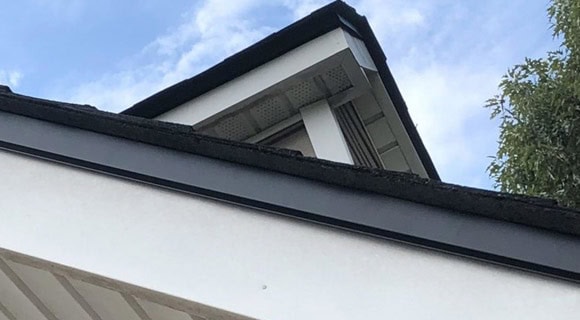
Avoid crushing out of pocket expenses when your residential roofing system requires repairs or replacement. Knowing how roofing maintenance plans are structured and what they cover will help your home’s roof meet or exceed its life expectancy.

newimageroofingatlanta.com gathered crucial information about various types of roofing maintenance plans, how they impact warranties like No Dollar Limit (NDL), installation (workmanship) warranties, and manufacturing warranties, and addresses the optimal frequency for scheduling your home’s roof maintenance.

Roofing Maintenance Plans

Your roof is your home’s first line of defense against the elements, and it plays a crucial role in safeguarding your property. To ensure its longevity and effectiveness, regular roof maintenance is essential.

Annual Roof Inspection and Maintenance

Annual inspections are the most common roofing maintenance plan type. It involves scheduling a professional roofing contractor to inspect your roof once per year, typically in the spring or fall, and perform necessary cleaning and/or maintenance tasks. Consider the following:

Benefits – Regular inspections and maintenance can detect minor issues before they escalate into significant problems, extending your roof’s lifespan. It also helps identify and fix leaks, damaged shingles, and other issues promptly.

Cost – The cost varies depending on your roof’s size and complexity, but the investment is usually minimal compared to the potential costs of neglecting maintenance.

Bi-Annual Roof Inspection and Maintenance

Some homeowners opt for bi-annual maintenance plans, scheduling inspections and maintenance tasks twice per year. This is particularly beneficial in regions with extreme weather conditions. Take the following into consideration:

Benefits – More frequent inspections allow for quicker problem and defect detection, reducing the risk of expensive repairs. It’s especially useful for properties in areas prone to severe storms, heavy rainfall, or harsh winters.

Cost – While bi-annual maintenance plans may cost slightly more than annual plans, the added peace of mind and potential savings on repair costs make it a worthwhile investment.

Seasonal Roof Inspection and Maintenance

Residential roofing systems benefit from seasonal inspections and maintenance

Seasonal maintenance involves scheduling inspections and maintenance tasks in every season (spring, summer, fall, and winter). It’s the most comprehensive plan. Consider the following:

Benefits – This approach ensures that your roof is well-prepared and maintained for the specific challenges each season brings, like clearing debris in the fall or addressing ice damming in the winter.

Cost – Seasonal maintenance plans may be more expensive due to the increased inspection frequency, but they provide the highest protection level for your roof.

Visit and subscribe to this professional roofer’s YouTube channel for informational videos about residential roofing maintenance plans and other industry topics.

Impact on Warranties

Regular roof maintenance is closely tied to warranties provided by manufacturers and contractors. These warranties offer peace of mind and financial protection in case of unexpected and catastrophic issues.

No Dollar Limit (NDL) Warranty

An NDL warranty is one of the most comprehensive warranties available and provides protection against material and workmanship defects. However, it often requires proof of regular maintenance.

Regular maintenance is crucial to ensure the roof’s long-term performance and to prevent issues that could void the NDL warranty.

Installation (Workmanship) Warranty

Residential roofing systems benefit from professional installation and maintenance

Installation (Workmanship) warranties are typically offered by roofing contractors and cover the workmanship involved in installing the roof. These warranties also often depend on regular maintenance.

If a roofing contractor installed your roof, their warranty may specify that regular maintenance is necessary to keep the warranty valid.

Manufacturing Warranty

Manufacturing warranties cover defects in roofing materials and are usually provided by the manufacturer. The terms of these warranties often require proper installation and maintenance.

Neglecting maintenance can lead to the manufacturer denying warranty claims, leaving you responsible for the total cost of repairs or replacements.

Roof Maintenance Frequency

Determining how often you should schedule roof maintenance depends on various factors, including climate, your roof’s age, and its current condition. Here are some general guidelines:

Annual Maintenance – An annual inspection and maintenance plan are suitable for most residential roofs in moderate climates with minimal weather extremes.

Bi-Annual Maintenance – Consider bi-annual maintenance if your region experiences harsh weather conditions, frequent storms, or if your roof is over a decade old.

Seasonal Maintenance – If you live in an area that experiences extreme seasonal variations or your roof is older and more susceptible to damage, a seasonal maintenance plan is ideal.

Note: Request a quote for a roof maintenance plan when scheduling an inspection, repair, or replacement.

Residential roofing systems benefit from a maintenance plan with a professional roofing company

Read more about roof and home maintenance at newimageroofingatlanta.com/home-maintenance-tips-homeowners-must-know/

Maintenance Plans for Residential Roofing

In this article, you discovered how roofing maintenance programs extend your roof’s lifespan, help preserve your warranties, and how often you should schedule maintenance visits.

Signing a residential roofing maintenance program will help you avoid out of pocket repair and replacement costs, aid your roof in reaching its maximum life expectancy, and heighten your sense of security when at home.

Failure to acquire a residential roof maintenance program can result in expensive out of pocket repair or replacement costs or your roof’s premature and catastrophic failure.

Sources:
hud.gov/sites/documents/HUDGB5C3GUID.PDF
nrcia.org/why-homeowners-need-annual-roof-inspections/
garca.org/page-1150861

New Image Roofing Atlanta

2020 Howell Mill Rd NW Suite 232
Atlanta, GA 30318
(404) 680-0041
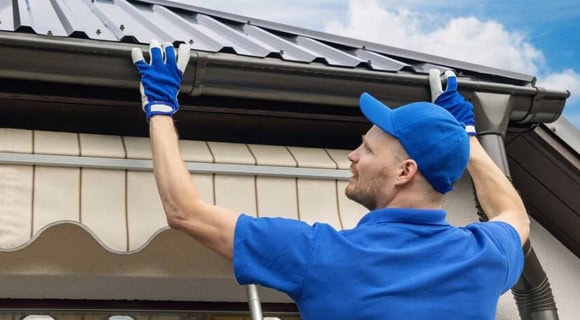
Keep catastrophic damages from significantly reducing your home’s value. Knowing how to maintain your home and what warning signs to watch for will protect your home’s value and potentially save your life.

Regular home maintenance includes inspecting and tightening loose ends

newimageroofingatlanta.com gathered the following home maintenance tips to help homeowners maintain their homes in the best possible condition while preserving their value.

Essential Home Maintenance Tips

Some repairs are inevitable as a homeowner, keeping caught up on monthly and seasonal tasks around your home can prevent major damages and save you significant money over time. Consider the following home maintenance tips:

HVAC System Maintenance – Heating, ventilation, and air conditioning (HVAC) systems are essential in maintaining indoor comfort. Consider the following HVAC requirements:

Regular home maintenance includes servicing your HVAC unit

  • Change air filters every 1-3 months to ensure proper air quality and system efficiency.
  • Schedule annual professional HVAC inspections to clean, service, and optimize the system’s performance.

Note: A malfunctioning HVAC unit can emit foul odors, cause severe water damages, and cause a life-threatening house fire.

Roof and Gutters – Your roof shields your home from the elements. It is essential to keep it in good condition. Be observant of the following tips:

Regular home maintenance includes roof and gutter inspections

  • Inspect your roof for missing or damaged shingles.
  • Address any issues promptly to prevent leaks.
  • Clean gutters and downspouts regularly to prevent water buildup (causes water damage and mold growth).

Read this article to understand why roof ventilation is crucial to your roofing system’s performance and longevity.

Tip: Contact this professional residential roofer to help keep your roofing system in its best condition.

Plumbing Maintenance – Prevent plumbing mishaps and disasters by promptly addressing corrosion, pipe bursts, leaks and clogs. The following tips will help you prevent significant plumbing malfunctions:

Regular home maintenance includes plumbing inspections and repair

  • Check faucets, toilets, and pipes for leaks regularly.
  • Learn the location of the main water shut-off valve to halt water flow in emergency situations.
  • Flush your water heater annually to prevent sediment buildup, maintaining its efficiency.
  • Protect external (outside) water lines from freezing weather.

Tip: Hire a professional plumber to thoroughly inspect your home’s plumbing system annually before freezing winter weather arrives.

Exterior Home Maintenance – Caring for your home’s exterior increases its curb appeal and protects it from the elements. Consider the following tips:

Regular home maintenance includes caring for its exterior

  • Refinish, repaint, or touch up siding and trim as needed to prevent weathering, rot, and decay.
  • Regularly inspect and clean decks, patios, and walkways to prevent decay, mold, mildew, and staining.
  • Maintain your trees pruned, mulched, and fertilized to keep them healthy and thriving.
  • Seasonally plant and refresh your garden with flowering plants and small shrubs.

Tip: Hire a local professional landscaper and tree service to keep your trees, garden, and lawn neat, trimmed, and healthy.

Window and Door Maintenance – Well-maintained windows and doors enhance energy efficiency and provide increased home security. Observe the following:

Regular home maintenance includes window and door inspections

  • Inspect doors and windows for drafts, cracks, or broken seals.
  • Lubricate hinges and locks to ensure they function smoothly.
  • Install door, window, and motion detectors.

Read more about window care and treatments at energy.gov/energysaver/articles/spring-home-maintenance-windows-windows-windows

Tip: Select a smart security system that automatically sends alerts to your smartphone and law enforcement when an intruder is detected.

Electrical Safety – Maintaining your home’s electrical system is crucial for safety. Routinely inspect the following:

Regular home maintenance includes inspecting your electrical system and connections

  • Test smoke detectors and carbon monoxide alarms monthly (annually replace batteries).
  • Check electrical outlets for loose panels, worn or frayed wiring, or signs of overheating.
  • Hire a professional electrician for periodic electrical system inspections.

Note: Signs of overheating include burn marks, sparks, warping, cracking, bubbling, and fixture malfunctions.

Pest Prevention – Regular pest inspections and prevention measures can save you from costly infestations and the illnesses they may bring into your home. Consider the following preventive measures:

Regular home maintenance includes regular pest control and prevention

  • Seal cracks and gaps around your home’s exterior to keep unwanted pests out.
  • Keep your living spaces clean and clutter-free, as pests are attracted to food residue, moisture, and clutter.

Tip: Hire a professional pest control service to inspect and treat your home after each winter season.

Appliance Maintenance – Home appliances provide daily conveniences (often overlooked), so it’s essential to keep them in working efficiently. Regularly clean refrigerator coils and clean lint filters in your dryer to prevent fire hazards.

Regular home maintenance includes taking care of your appliances

Tip: Follow manufacturer guidelines and timelines for maintaining appliances, like your dishwasher, oven, and washing machine.

Seasonal Maintenance – Different seasons bring unique maintenance challenges. Observe the following seasonal maintenance tasks:

  • Fall – Clean gutters and remove fallen leaves to prevent clogs. Winterize your home by insulating pipes and sealing gaps to conserve energy.
  • Spring – Check for winter damage and prepare your home for the warmer months.

Tip: Schedule maintenance visits after severe weather, tree falls, and other disruptive or unexpected events.

Maintenance Tips for Homeowners

In this article, you discovered several essential home maintenance tips to help keep your home functioning at peak performance.

Keeping your home properly maintained will enhance your comfort and foster a healthier environment for you and your loved ones.

Allowing your home’s maintenance to lapse can result in catastrophic damages and costly repairs.

Sources:
fcs.uga.edu/docs/HomeMaintChecklist_update_6.21.pdf
nwdistrict.ifas.ufl.edu/fcs/2020/11/02/8-fall-home-maintenance-tips/
extension.usu.edu/finance/faq/home-maintenance-checklist

New Image Roofing Atlanta

2020 Howell Mill Rd NW Suite 232
Atlanta, GA 30318
(404) 680-0041