Tag Archive for: Residential Roof Repair In Atlanta Ga

Keep roof leaks from causing costly structural damage and leaving you with ruined possessions. Understanding what causes residential roof leaks will help you resolve them before becoming an issue.

Leaking residential roofing system

New Image Roofing Atlanta gathered information about what causes residential roof leaks, how to fix or prevent them, how a maintenance program benefits you, and when to call your roofer.

Roof Leak Causes and Their Solutions

Leaking residential asphalt shingle roofing system issues

A leaky roof is a concerning issue for homeowners, as it can lead to structural damage, mold growth, and costly repairs if not addressed. Understanding common roof leak causes and their solutions is essential for maintaining your home’s integrity. Consider the following:

1. Missing Shingles

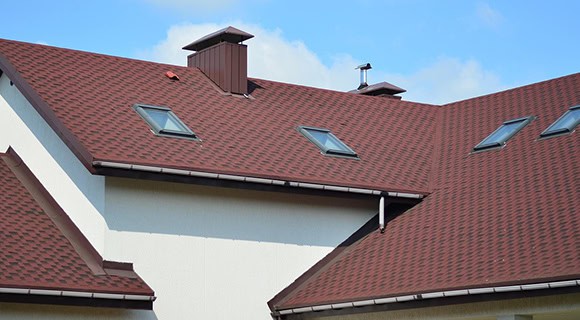
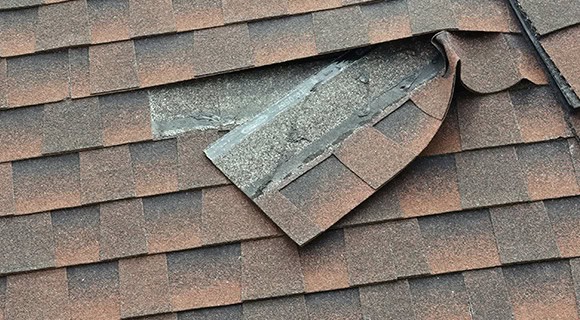
Shingles protect your roof by creating a water-resistant barrier. Strong winds, heavy rain, or age-related wear can cause shingles to come loose, warp, or fall off, exposing the underlying layers to water.

Solution – Replace missing or damaged shingles promptly. Ensure that new shingles match the existing material to maintain a uniform appearance and functionality. Regular inspections, especially after storms, can help identify missing shingles before significant damage occurs.

2. Bad Flashing

Flashing seals roof transitions, like where the roof meets a chimney or skylight. Over time, flashing can corrode, crack, or separate, leaving gaps that allow water to seep through.

Solution – Inspect and repair damaged flashing by applying a waterproof sealant or replacing it entirely. Proper installation during initial construction or repair is essential for long-lasting performance.

3. Faulty Penetration Boots

Penetration boots are rubber seals installed around roof penetrations, like vents and pipes, to prevent leaks. Over time, these boots can crack, degrade, or pull away from the pipe.

Solution – Replace worn or damaged penetration boots with new ones. Ensure they are sealed to prevent water infiltration. Adding a metal storm collar over the boot can provide additional protection.

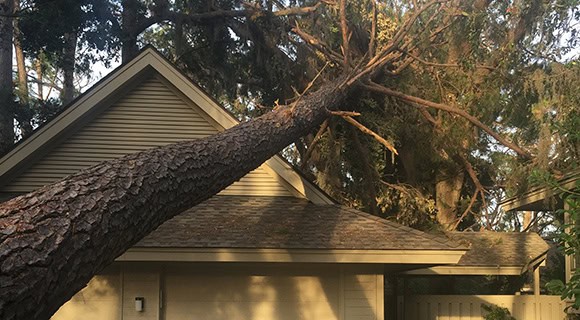
4. Branch or Limb Damage

Falling branches or overhanging limbs can puncture or scrape the roof surface, leading to leaks. This damage commonly occurs during storms or high winds.

Solution – Trim trees regularly to keep branches away from the roof. If a branch damages your roof, assess the extent of the damage and repair or replace the affected area immediately. Install protective roofing materials that resist impact damage.

5. Mold and Algae Growth

Mold, moss, or algae can grow on roof surfaces, especially in damp or shaded areas. These organisms trap moisture against the roof and weaken the materials over time.

Solution – Clean the roof regularly using a gentle, non-abrasive cleaning solution. Install zinc or copper strips to inhibit future growth. Ensure your roof has adequate ventilation to minimize moisture accumulation.

6. Damaged Shingles

Leaking damaged residential roofing system

Shingles can crack, curl, or blister due to aging, UV exposure, or severe weather. Damaged shingles are less effective at repelling water, leading to potential leaks.

Solution – Replace damaged shingles promptly. Use high-quality materials designed for your climate to ensure durability. Regularly inspect the roof to identify early signs of wear and tear.

7. Debris Accumulation

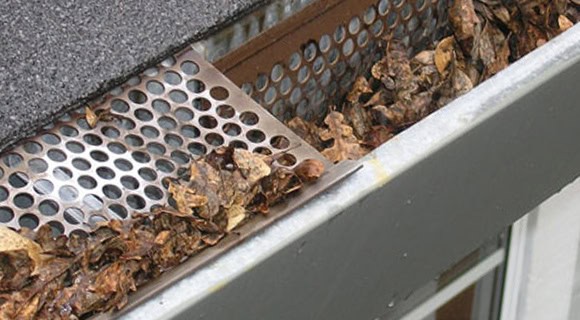
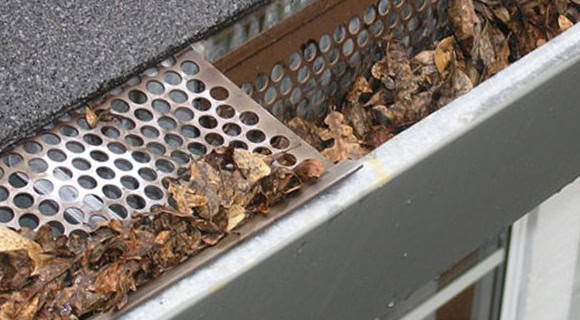
Leaves, dirt, and other debris can collect on your roof, particularly in gutters and valleys. This buildup can trap moisture, causing water to pool and eventually seep through the roofing material.

Solution – Clean your roof and gutters regularly to prevent debris accumulation. Install gutter guards to reduce the frequency of cleaning. For hard-to-reach areas, hire a professional to handle debris removal safely.

Roof Maintenance Program Benefits

Leaking residential roofing system inspection

Regular roof maintenance is a proactive approach that helps prevent costly repairs and prolongs your roof’s lifespan. A comprehensive program includes periodic inspections, cleaning, and minor repairs. Here are the key benefits:

Early Problem Detection – Inspections identify issues like damaged shingles or clogged gutters before they lead to leaks.

Improved Durability – Routine maintenance keeps your roof in optimal condition, allowing it to withstand weather extremes.

Cost Savings – Preventative measures are more affordable than emergency repairs or roof replacement.

Enhanced Safety – Regular maintenance reduces the risk of structural damage or collapse due to water infiltration.

When to Call a Professional Roofer

While some minor repairs can be handled by homeowners, roof leaks require immediate attention from a professional roofer. Delaying repairs can worsen the damage and increase repair costs. Here’s why calling a professional is critical:

Accurate Diagnosis – Professionals have the expertise to identify a leak’s root cause and address it effectively.

Proper Repairs – A licensed roofer uses high-quality materials and techniques to ensure long-lasting repairs.

Safety – Climbing onto a roof can be dangerous without proper training and equipment. Professionals minimize injury risks.

Warranty Protection – Many roofing materials come with warranties that require professional installation or repair to remain valid.

If you detect a roof leak, like water stains on ceilings, dripping water, or mold growth, contact a reputable roofing contractor immediately. Quick action can prevent further damage and protect your home.

Roof Leaks and Solutions

In this article, you discovered crucial information about why residential roofing systems can leak, their solutions, how a maintenance program benefits you, and when to call a professional roofer to address the problem.

Your ability to quickly identify developing roofing issues will position you to get them resolved before they cause severe roof and material damage.

Ignoring roofing issues can lead to significant structural damage, costly cleanup, and potential displacement from your home.

Sources:
hud.gov/sites/documents/HUDGB5C5GUID.PDF
extension.uga.edu/publications/detail.html?number=C1082&title=home-maintenance-checklist
blogs.oregonstate.edu/piperde/2023/06/20/roof-maintenance-tips-to-make-a-roof-last-longer

  New Image Roofing Atlanta
 

    2020 Howell Mill Rd NW Suite 232
    Atlanta, GA 30318
    (404) 680-0041

 

Prevent roof leaks and costly repairs from a damaged residential roof. Knowing how to spot roof damage and when to call a roofer keeps your home safe and protected from the elements.

Damage detection residential roof

New Image Roofing Atlanta gathered information about different roofing system damage requiring roof repair or replacement by a professional roofer and how a maintenance program protects your home.

Roof Damage and When to Call a Roofer

Recognizing signs of roof damage early and knowing when to call a roofer is crucial in preventing minor issues from turning into expensive repairs. Different roofing materials experience wear and tear in unique ways, and understanding these distinctions can help homeowners make informed decisions about repair or replacement.

Asphalt Shingle Roofs

Damage detection residential asphalt shingle roof

Asphalt shingles are popular for residential homes due to their affordability and durability. However, they are also prone to damage, especially under severe weather conditions.

Missing or Cracked Shingles – High winds, heavy rain, and hail can cause asphalt shingles to loosen, crack, or fall off. Missing shingles leave roof sections vulnerable to leaks, mold growth, and water damage. Damaged shingles should be repaired or replaced immediately to avoid further deterioration.

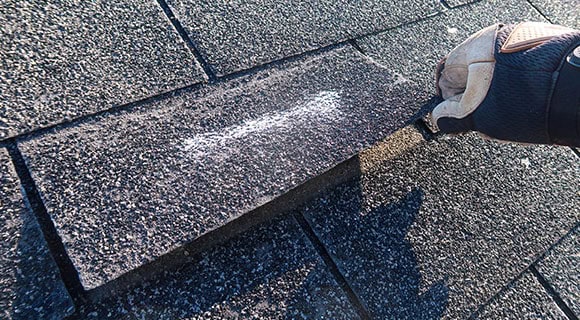
Granule Loss – Asphalt shingles contain granules that protect them from UV rays and enhance their durability. Granule loss is a common issue, particularly with older roofs, and can be identified by finding granules in gutters or downspouts. Significant granule loss means shingles have lost their protective layer, which reduces their lifespan and effectiveness. Call a roofer promptly if you notice granule buildup.

Curling or Buckling Shingles – Curling or buckling shingles often indicate water damage, age, or poor attic ventilation. If your shingles show signs of warping, it’s essential to have them inspected and potentially replaced, as they can allow water to seep beneath the roof surface, leading to leaks and structural issues.

Read more about residential roofing systems at newimageroofingatlanta.com/residential-roofing-what-you-need-to-know

Clay Tile Roofs

Damage detection residential clay tile roof

Clay tiles are known for their durability and aesthetic appeal, especially in warmer climates. Despite their longevity, clay tiles can still incur damage that warrants immediate attention.

Cracked or Broken Tiles – Clay tiles are highly resistant to most weather conditions. However, they can crack or break under heavy impact, like hail or falling debris. Cracked tiles should be replaced as soon as possible to prevent water penetration and potential damage to the underlayment.

Algae or Moss Growth – Algae and moss can build up on clay tile roofs, especially in humid climates. While this may seem like a minor issue, over time, growth can cause tiles to become slippery, making it dangerous for maintenance workers. It can also create cracks where water can enter. Regular cleaning and prompt growth removal can protect your clay tile roof’s integrity.

Loose or Missing Tiles – Clay tiles may loosen over time due to shifting foundations or strong winds. If left unaddressed, loose tiles can slide off, leading to gaps and allowing water to reach the underlayment, which may result in extensive water damage. It’s wise to call a roofer immediately if you notice missing or loose tiles.

Low-Slope Residential Roofs

Damage detection residential low slope roof

Low-slope or flat roofs are commonly used for commercial buildings but are also seen in residential structures. Because they don’t shed water as quickly as steeper roofs. They are more prone to water accumulation and damage.

Ponding Water – Flat roofs commonly suffer from standing water, especially after heavy rainfall. If water does not drain within 48 hours, it can weaken the roof material, increase the risk of leaks, and promote mold growth. A roofer can address poor drainage by inspecting drains or adding a slight slope for proper water flow.

Blistering or Bubbling – Blistering occurs when air or moisture gets trapped beneath the roof membrane. This can result from poor installation, heat, or general wear. Blistering may eventually burst, allowing water to infiltrate the roof and cause significant damage. Address blistering or bubbling promptly to prevent further issues.

Cracks or Splits in the Membrane – Low-slope roofs are vulnerable to cracking and splitting, particularly in areas that experience extreme temperature fluctuations. The expansion and contraction from temperature changes can weaken the roof membrane over time. Even minor cracks should be repaired quickly, as they can lead to leaks and structural concerns.

Roof Maintenance Contract

Damage detection and residential roof maintenance

A roof maintenance contract can provide homeowners consistent care, ensuring potential problems are addressed before they escalate. A professional roofer can spot issues like loose shingles, clogged gutters, and emerging leaks early, preventing the need for costly repairs.

With a maintenance contract, homeowners are assured their roof is monitored. Annual or bi-annual inspections allow roofers to check for damage or wear from seasonal changes, storms, or other weather events. Furthermore, a maintenance plan can include services like gutter cleaning, debris removal, and minor repairs, contributing to your roof’s overall health and longevity.

Annual Roof Inspections

Annual inspection damage detection residential roof

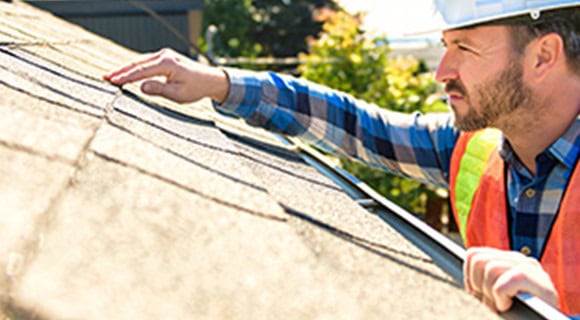
Regular inspections are the foundation of proactive roof care. During an inspection, a professional will assess the roof’s condition, looking for signs of damage, wear, and vulnerability. Here’s how these annual checks make a difference:

Early Detection – Roof leaks are common and costly issues homeowners face. An annual inspection can identify early signs of moisture infiltration, such as water stains, damp insulation, or mold growth in the attic. By addressing leaks early, homeowners can prevent extensive interior damage.

Structural Weaknesses Identification – Weather-related damage can cause minor weaknesses in a roof that may worsen over time. Inspections ensure that fractures, cracks, or loose shingles are caught before they develop into more severe problems.
Improved Roof Longevity

Timely maintenance extends a roof’s lifespan, reducing the need for premature replacements. A well-maintained roof is the best defense against weather damage, moisture, and wear.

Know When to Call a Roofer

When to call a roofer damage detection residential roof

A healthy roof is essential for a safe and secure home. Understanding the unique damage risks associated with different roof types – asphalt shingles, clay tiles, or low-slope roofs – helps homeowners take timely action when issues arise. Prompt repairs prevent problems from escalating, ensuring your home remains protected year-round. However, the best defense is a maintenance strategy with regular inspections.

Consider a roof maintenance contract as an investment in your home’s value and personal security. Partnering with a professional roofer for routine inspections ensures minor issues don’t become significant repairs, preserving your roof’s integrity and longevity. So, if you suspect any damage or haven’t had an inspection recently, calling a roofer might be the best decision for your home’s future.

Residential Roof Damage

In this article, you discovered residential roof damage signs, when to call a professional roofer, and how to benefit from a roof maintenance program.

Knowing how to spot residential roof damage, how to get it fixed, and why you should have a roof maintenance program will keep your home safe and help your roof reach or exceed its intended lifespan.

Not addressing residential roof damage can lead to severe leaks, extensive property damage, and costly repairs.

Sources:
sites.psu.edu/socialtrends/2022/11/16/is-your-roof-properly-maintained
campuspress.yale.edu/ledger/how-to-examine-your-house-for-damage-after-a-storm

  New Image Roofing Atlanta
 

    2020 Howell Mill Rd NW Suite 232
    Atlanta, GA 30318
    (404) 680-0041
 

Avoid costly structural damage and destructive power surges when lightning strikes your home. Understanding the power lightning carries and how to divert it will help prevent catastrophic lightning damage to your home.

Lightning strike damage residential roof

New Image Roofing Atlanta gathered crucial information about how lightning strikes affect a home’s electrical systems, appliances, and structural integrity and what you can do to mitigate them.

How Lightning Forms

Lightning forms during thunderstorms resulting from imbalances between positive and negative charges in the atmosphere. Ice crystals and water droplets collide in a storm, creating an electrical charge buildup. A cloud’s upper portion typically holds positive charges, while the lower section becomes negatively charged.

When this imbalance grows large enough, nature corrects it by discharging electricity as a lightning strike. The bolt either moves within the cloud, between clouds, or between the cloud and the ground. A lightning strike to the ground occurs when the negative charge at the cloud’s bottom seeks to connect with positive charges on the Earth’s surface.

What Attracts Lightning?

Lightning strike damage residential roof satellite

Lightning seeks the least resistant path to connect to the ground. This often means it targets tall or conductive objects. Here are some common attractors:

Tall Objects – Lightning frequently strikes the highest point in an area, like trees, utility poles, or a home’s roof.

Conductive Materials – Lightning is attracted to conductive materials like metals. Roofs with metal flashing or metal objects mounted on them (like satellite dishes, antennas, or chimneys) may become targets for lightning.

Water and Wet Surfaces – Water is an excellent electricity conductor. If a roof is wet, it can enhance conductivity, making it more attractive to lightning.

Note: Lightning doesn’t need to hit the exact rooftop to cause damage. Even nearby strikes can result in electrical surges and fires within your home.

Energy in a Lightning Strike

Lightning is powerful. The average lightning bolt can contain up to 1 billion electrical volts with temperatures exceeding 50,000°F (five times hotter than the sun’s surface). The energy released by a lightning strike can be up to 300 kilowatt-hours in a fraction of a second. This immense energy release can damage everything, including electronics, electrical wiring, and a home’s structural integrity.

Potential Damage to a Home’s Structure and Electronics

Lightning strike damage residential shingle roof

A direct lightning strike to a residential roof can cause various damages, including:

Fire Damage – The intense heat from a lightning strike can ignite combustible materials like wood and shingles on a home’s roof. Even metal roofs are not immune to fire risks since the heat can reach high enough temperatures to cause surrounding materials to catch fire.

Roof Damage – A lightning strike’s force can shatter roof tiles, damage shingles, or puncture holes in the roof. This leaves the home vulnerable to further damage from rainwater entering the structure.

Electrical Damage – Power surges are among the most common lightning results. When lightning strikes a home or nearby power lines, the surge can travel through electrical wiring, destroying appliances and electronics. Devices like televisions, computers, and HVAC systems are particularly vulnerable.

Lightning strike electronics damage residential roof

Plumbing Damage – If your home has metal plumbing, lightning can travel through it, leading to ruptures, leaks, or electrocution hazards.

Structural Damage – A lightning strike’s force can cause cracks in walls, damage to chimneys, and even foundation movement in extreme cases.

Who to Call After a Lightning Strike

Emergency responders lightning strike damage residential roof

If your home is struck by lightning, you should immediately ensure your family’s and your property’s safety. Here’s who to contact:

Emergency Services – If you notice fire, smoke, or gas leak indications after a lightning strike, call 911 immediately. Lightning-induced fires can spread quickly, and first responders can prevent an issue from becoming catastrophic.

Electrician – Even if there are no immediate damage signs, have an electrician inspect your home’s electrical system. A surge from a lightning strike can cause hidden damage to your wiring, outlets, and appliances that may lead to future problems or fire risks.

RooferA licensed professional roofing contractor should inspect your roof for any damage caused by the strike. Even small punctures or cracks in the shingles can lead to leaks and water damage over time.

Plumber – If your home has metal plumbing, a plumber should inspect your pipes for damages. Lightning can cause holes in pipes or weaken them, leading to potential leaks or bursts later on.

Insurance Company – Lightning strikes are usually covered by homeowner’s insurance policies. Contact your insurance provider as soon as possible to report the damage and start the claims process. Be sure to document all visible damage and keep any receipts for emergency repairs.

Watch this video to learn more about insurance coverage and deductibles.

Preventing and Diverting Lightning Strikes

While you can’t stop a lightning strike from happening, there are several steps you can take to minimize damage risks to your home:

Install a Lightning Protection System – A lightning rod system is designed to direct a lightning strike’s energy safely into the ground, preventing damage to your home. The system typically includes rods, conductors, and ground rods that create a low-resistance path for the electricity to follow.

Lightning strike damage protection residential roof

Surge Protectors – Install whole-home surge protectors to help guard against power surges from lightning. These devices are connected to your home’s main electrical panel, preventing excess electricity from reaching your outlets and appliances.

Unplug Electronics – During a storm, it’s best to unplug sensitive electronics like televisions, computers, and kitchen appliances. While surge protectors help, unplugging devices offers maximum protection from surges.

Tree Trimming – Trees near your home can become targets for lightning. Keep them trimmed and ensure that large limbs are not hanging over your roof. If lightning strikes a tree, falling or ejected branches can cause significant damage to your roof.

Use Non-Combustible Roofing Materials – If you live in an area prone to lightning, consider using fire-resistant roofing materials like metal or tile. These materials are less likely to ignite compared to traditional asphalt shingles.

Read more about lightning strike prevention HERE.

Lightning and Residential Structures

In this article, you discovered how lightning strikes affect residential structures, the damage they cause, how to divert them, and what to do after one.

Knowing how to divert or prevent residential lightning strikes can help avoid costly structural and electrical damage.

Ignoring the need for lightning protection systems and using non-conductive material in your home’s construction can lead to catastrophic damage to your structure and electronic systems/equipment, resulting in an uninhabitable residence.

Sources:
noaa.gov/jetstream/lightning/lightning-safety
nvlpubs.nist.gov/nistpubs/Legacy/IR/nistir89-4113.pdf
nfpa.org/news-blogs-and-articles/blogs/2024/09/11/nfpa-780-and-protecting-buildings-from-lightning-strikes

  New Image Roofing Atlanta
 

    2020 Howell Mill Rd NW Suite 232
    Atlanta, GA 30318
    (404) 680-0041
 

Avoid panic and confusion when a fire threatens to destroy your home. Knowing what to do after a home fire will help you secure your home and protect your loved ones.

Severe damage residential fire recovery

New Image Roofing Atlanta gathered crucial information and guidance on surviving and recovering from a catastrophic house fire.

1. Evacuating Your Home

Evacuating loved ones residential fire recovery

Experiencing a house fire will change your life in several (often traumatic or overwhelming) ways. Knowing the necessary steps required after the fire can help you regain control, ensure safety, and begin the recovery process. Consider the following:

Stay Calm and Follow Your Evacuation Plan

The first priority during a fire is your and your family’s safety. It’s vital to have an established evacuation plan that everyone in the household knows. During a fire:

  • Alert Everyone: If you detect a fire, immediately alert everyone in the house. Ensure that everyone knows how to get out quickly and safely.
  • Use the Safest Exit: Use the nearest exit to leave the house. Use a secondary exit or window when your primary exit is blocked by fire or smoke.
  • Avoid Smoke: If there is smoke, stay low where the air is cleaner, and cover your nose and mouth with a cloth.
  • Do Not Delay: Do not attempt to collect belongings or pets; focus on getting everyone out safely.
  • Gather at a Safe Location: Once outside, gather at a pre-designated meeting spot, away from the house, and ensure everyone is accounted for.

Assisting Those with Disabilities or the Elderly

Ensure that elderly or disabled family members are assisted during the evacuation. Assign a family member to help them if necessary and ensure everyone knows how to assist those who need it.

2. Calling Emergency Responders

Emergency responders residential fire recovery

The faster you engage emergency services, the less damage a fire can inflict on your home. Emergency responders typically arrive within minutes after an emergency call. Immediately do the following:

Contact 911 Immediately

Once everyone is safely outside, call 911 to report the fire. Provide the dispatcher with:

  • Your home’s address.
  • The nature and extent of the fire (if known).
  • Any known hazards, such as gas lines or flammable materials.
  • Whether anyone is still inside the house.

Tip: When calling emergency services, remain calm and concise (ensure the operator can understand you clearly).

Notify Neighbors

If the fire threatens neighboring homes, notify your neighbors and urge them to evacuate if necessary.

3. Cleanup After the Fire

Restoration services residential fire recovery

Fire and smoke damage may appear (and smell) much worse than it is. Here are the steps to get the cleanup started:

Assess the Damage

After the fire is extinguished and authorities have declared it safe to return, assess the damage. This includes:

  • Smoke Damage: Smoke can cause significant damage to walls, ceilings, and belongings. Smoke residue is acidic and can corrode metals and permanently stain surfaces.
  • Water Damage: Water used to extinguish the fire can cause its own set of problems, including waterlogged furniture, soaked walls, and potential mold growth.
  • Structural Damage: Inspect the home for any signs of structural damage, such as weakened walls, floors, or roofing.

Hire a Professional Cleanup Service

Ensure a thorough cleanup and restoration by considering a professional fire damage restoration company. These experts can:

  • Remove Smoke Residue: Use specialized cleaning agents and equipment to remove smoke stains and odors.
  • Water Extraction and Drying: Deploy industrial fans and dehumidifiers to dry out water-damaged areas and prevent mold.
  • Debris Removal: Safely remove fire-damaged materials and debris from your home.

Ventilate the Home

Open windows and doors to allow fresh air to circulate and help remove lingering smoke odors. This also aids in drying out any moisture from firefighting efforts.

Tip: Air movers (high-powered fans) can be placed near doors and windows to accelerate ventilation.

4. Ensuring Structural Integrity

The intense heat a fire produces can severely damage your home’s support beams (wood, metal, or concrete). Use the following to ensure you are entering a safely supported home.

Structural Inspection

Before making any repairs, it’s crucial to have your home inspected by a structural engineer to ensure it is safe to reoccupy. The engineer will:

  • Evaluate the Stability: Check the overall stability of the home, including load-bearing walls and support beams.
  • Inspect for Hidden Damage: Look for hidden damage that could compromise the home’s structural integrity.
  • Roof Inspection: Pay special attention to the condition of the roof, which may have been damaged by the fire or firefighting efforts.

Roof damage repair residential fire recovery

Roof Safety

A critical part of the post-fire inspection is assessing the roof’s condition. Even if the fire didn’t reach the roof, it might still be compromised by:

  • Heat Damage: Intense heat can cause roofing materials to warp or weaken.
  • Water Damage: Water used to fight the fire can seep into the roof structure, leading to potential water damage or mold growth.
  • Debris: Fire debris could have fallen onto the roof, adding weight and possibly causing damage.

If any issues are found, immediate repair or replacement is necessary to prevent leaks or further damage.

5. Post-Fire Resources

Roof damage residential fire recovery

After a fire, several key organizations and service providers should be contacted to help restore your home and begin the recovery process.

Insurance Company

Notify your insurance company as soon as possible to report the fire. They will:

  • Assign an adjuster to assess the damage.
  • Guide you through the claims process.
  • Cover fire, water, and smoke damage according to your policy.

Watch this video for more information about insurance policies and deductibles.

Property Management (if applicable)

If you rent your home, contact your property management company or landlord. They can:

Coordinate with your insurance and restoration teams.
Provide guidance on your responsibilities versus theirs in terms of repairs and restoration.

Utility Companies

Power Company

Contact your power company to:

  • Ensure the electricity is safely turned off if it wasn’t already done by emergency responders.
  • Safely restore power once repairs are complete.

Water Company

Reach out to your water company to:

  • Address any potential issues with water lines or flooding.
  • Ensure that water service is safe to resume.

Gas Company

If your home uses natural gas, contact the gas company to:

  • Ensure that the gas supply is safely shut off.
  • Conduct an inspection of the gas lines before turning the service back on.

Fire Restoration Services

damage restoration services residential fire recovery

A professional fire restoration service can handle the entire cleanup and restoration process. These professionals can work with your insurance company and can often provide comprehensive services, including:

  • Smoke and soot removal.
  • Water extraction and drying.
  • Structural repairs.
  • Roof inspection and repairs.

Local Government or Building Inspector

Damage inspection residential fire recovery

In some cases, local authorities or a building inspector may need to certify that the home is safe to occupy again. They will:

  • Conduct a final inspection after repairs are complete.
  • Issue any necessary permits or certifications for reoccupation.

Mental Health Services

Experiencing a fire can be a traumatic event. If you or your family members are struggling to cope with the aftermath, consider reaching out to mental health professionals for support.

Community Assistance Programs

Many communities have assistance programs for families affected by fires, including temporary housing, food, and clothing. Contact your local Red Cross or community center for help.

Before A House Fire

Installing fire detectors residential fire prevention

A crucial preventive measure to keep you and your loved ones safe from a fire in your home is:

Installing Smoke Alarms and CO2 Detectors

  • Properly working smoke alarms and CO2 detectors decrease your chances of dying in a fire by half.
  • Place smoke alarms and CO2 detectors on every level of your residence. Place them outside bedrooms on the ceiling or high on the wall (4 to 12 inches from ceiling), at the top of open stairways, or at the bottom of enclosed stairs and near (not in) the kitchen.
  • Test and clean smoke alarms and CO2 detectors once a month, and if your model uses a 9-volt battery, be sure to replace the battery annually when you change your clocks back to Standard Time in the fall.
  • Newer alarms with a lithium battery may not need to be changed annually but still require periodic cleaning and testing. Be sure to follow the manufacturer’s instructions for the model you have (if you do not have the physical instructions, they can be found with a simple Google search – type in the device’s make and model number and instructions). Replace smoke alarms and CO2 detectors every 10 years.

Read more about installing and maintaining smoke alarms at fortsmithar.gov/government/departments/fire/citizen-fire-resources/smoke-alarm-safety

Recovering from a House Fire

In this article, you discovered information and detailed guidance on surviving and recovering from a destructive house fire.

Recognizing the structural dangers your home presents after a fire will help you take the necessary steps to make sure your home is safe to occupy and get repairs and cleanup done quickly and efficiently.

Failing to quickly take action after a house fire will leave you with an uninhabitable and severely damaged home requiring extensive and costly repairs.

Sources:
usfa.fema.gov/downloads/pdf/publications/fa_46.pdf
gema.georgia.gov/house-fires
ready.gov/home-fires

  New Image Roofing Atlanta
 

    2020 Howell Mill Rd NW Suite 232
    Atlanta, GA 30318
    (404) 680-0041