Tag Archive for: Residential Roofing Companies In Atlanta Georgia

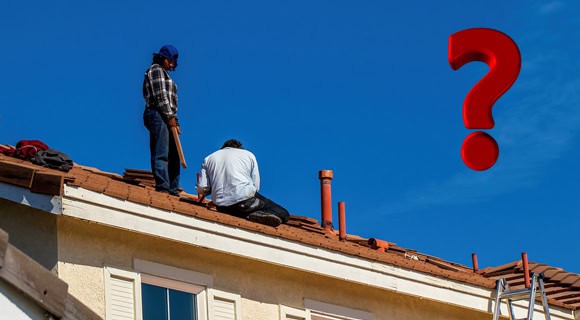
Worried about roof leaks flooding your home during heavy rainfall? Understanding what it takes to weatherproof your roofing system will help keep your home dry and safe this rainy season.

Roof weatherproofing includes inspections and preventive maintenance

New Image Roofing Atlanta gathered information about preparing your roofing system for the rainy season and how to avoid inconvenient leaks causing expensive structural damages.

When is the Rainy Season?

Rainy season (in the United States) runs from October to July, with varying rain and snowfall. Typically, monsoon season runs through July, August, and September. That is when potential afternoon thunderstorms are most frequent and severe.

Roof Gutter and Downspout Preparation

A roofing system relies on multiple components to shed water, keeping your home dry. There are also exterior factors that may influence how well your roof performs. Consider the following when preparing your roof for the rainy season.

1. Roof Inspection – Begin by inspecting your roof for any visible signs of damage. Look for missing or damaged shingles, cracked flashing, and areas with accumulated debris. Addressing these issues before the rainy season will help prevent leaks and potential water damage.

2. Clean Gutters and Downspouts – Clean gutters and downspouts are essential for efficient water drainage. Remove leaves, twigs, and other debris that may have accumulated in the gutters. Ensure that downspouts are clear and direct water away from the foundation.

3. Inspect Flashing – Check the flashing around chimneys, vents, and skylights. Damaged or deteriorating flashing can allow water to seep into your home. Replace any compromised flashing to maintain a watertight seal.

4. Clear Debris from Roof Valleys – Roof valleys are susceptible to debris buildup, hindering water flow and increasing the risk of leaks. Clear leaves and debris from roof valleys to facilitate proper drainage.

5. Trim Overhanging Branches – Overhanging branches can deposit leaves and debris onto your roof, clogging gutters and creating potential water retention areas. Trim branches to prevent such issues and reduce the risk of damage.

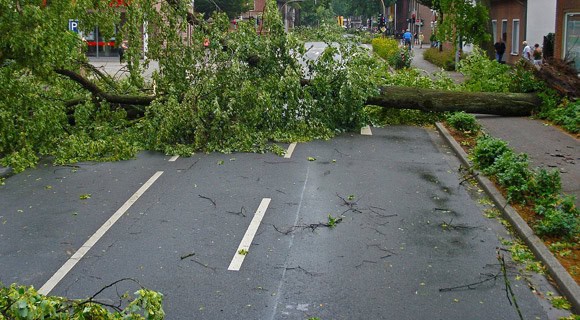
Roof weatherproofing includes pruning overhanging branches

6. Check Attic Ventilation – Adequate attic ventilation prevents condensation and ensures a dry attic. Inspect vents and ensure they are clear of obstructions to promote proper airflow.

7. Apply a Waterproof Sealant – Consider applying a waterproof sealant to vulnerable areas such as around vents, chimneys, and skylights. This extra layer of protection can help prevent water penetration during heavy rains.

8. Inspect and Secure Shingles – Loose or damaged shingles can be a source of leaks. Inspect and secure loose shingles and replace damaged ones to maintain a watertight roof surface.

Read more about how roofing systems shed water at newimageroofingatlanta.com/how-roofing-systems-drain-water/

What to Do when Your Roof Leaks

1. Identify the Source of the Leak – If you notice water stains on your ceiling or walls, it is crucial to identify the source of the leak. Trace the water damage back to its origin on the roof to pinpoint the affected area.

2. Temporarily Patch the Leak – You can apply a temporary patch using roofing cement or a patch-kit for minor leaks. This will help prevent further water infiltration until you can address the issue more thoroughly.

3. Clear Roof Debris – If debris is causing the leak, carefully remove it from the affected area. Use a broom or leaf blower to clear away leaves, twigs, or other materials obstructing proper drainage.

4. Unclog Gutters and Downspouts – Inspect and unclog gutters and downspouts to ensure unobstructed water flow. This can prevent water from pooling on your roof and exacerbating leaks.

5. Inspect Flashing and Sealants – Examine the flashing around vents, chimneys, and skylights for signs of damage. Apply fresh sealant to areas where the existing sealant has deteriorated or cracked.

6. Consult with a Professional Roofer – For more extensive or persistent leaks, it is advisable to consult with a professional roofer. Roofing experts have the skills and equipment to conduct thorough inspections and provide long-term solutions.

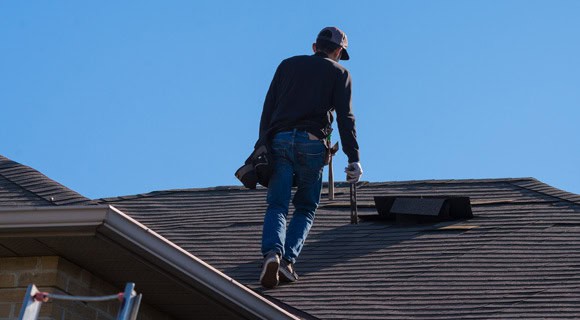
Roof weatherproofing includes having annual inspections

7. Schedule Prompt Repairs – Delaying repairs can lead to further damage and costly future repairs. Schedule repairs with a qualified roofing professional to address the underlying issues causing the leak.

8. Consider Preventive Measures – Once leaks are addressed, consider implementing preventive measures to protect your roof from future leaks. This may include regular roof inspections, routine gutter maintenance, and applying protective coatings or sealants.

Roof Maintenance Plan

Did you know new roofing systems can leak within five years after installation? In these cases, it’s not likely the roof allowing water in. It is more likely the sealant or flashing around penetrations, vents, and fireplaces has dried and cracked or become dislodged from severe weather or debris on the roof.

Keeping a maintenance plan with an annual inspection can help avoid untimely leaks and costly structural damage.

Roof weatherproofing includes fixing leaks

Weatherproofing Your Roofing System

In this article, you discovered valuable information on weatherproofing your home’s roofing system to keep your assets dry during heavy rainfall this rainy season and beyond.

Keeping your roof, gutters, and downspouts in their best working condition will allow them to properly shed water as the rainy season sets in.

Failing to weatherproof your roofing system leaves you at risk for leaks and severe structural damages like rot and mold.

Sources:
nps.gov/articles/monsoon-season.htm
nps.gov/crps/tps/roofdown/connections.htm

  New Image Roofing Atlanta
 

    2020 Howell Mill Rd NW Suite 232
    Atlanta, GA 30318
    (404) 680-0041
 

Worried about how your roof will perform during the frigid winter months? Knowing how to prepare your roofing system for a challenging and freezing winter will help you mitigate and prevent common wintertime residential roofing issues.

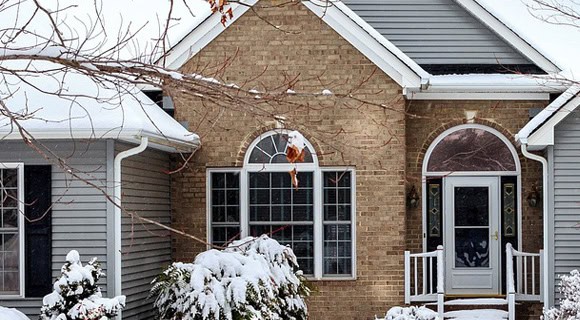
Winter roof damage from severe freezing weather

New Image Roofing Atlanta gathered information on winterizing your home’s roof for the winter months, damages caused by freezing temperatures and winter storms, and when to call your roofer.

Preparing Residential Roofing Systems for Freezing Weather

Your home’s roof is the primary defense against severe cold weather. Preparing your roof for extremely low temperatures is essential to its resilience and prevents potential costly damages. Consider the following strategies for winterizing your roof:

Inspect and Repair Shingles – Conduct a thorough roof shingle inspection. Look for any missing, damaged, or curled shingles. Replace or repair them to ensure a solid and protective surface.

Clean Gutters and Downspouts – Clean gutters are crucial for water drainage, especially during winter. Remove debris, leaves, and blockages from gutters and downspouts to prevent ice dams and water backups.

Winter roof damage resulting from frozen gutters and downspouts

Seal Roof Leaks – Address existing leaks (as quickly as possible) by sealing them with roofing cement or calling your roofer to fix them. Leaks can worsen during freezing temperatures, leading to ice formation and more significant damage.

Check Flashing and Ventilation – Inspect flashing around chimneys, vents, and skylights for visible signs of wear or damage. Ensure the roof’s ventilation system is unobstructed and functioning correctly to prevent condensation and ice buildup in the attic.

Read more about roof ventilation at newimageroofingatlanta.com/residential-roof-ventilation

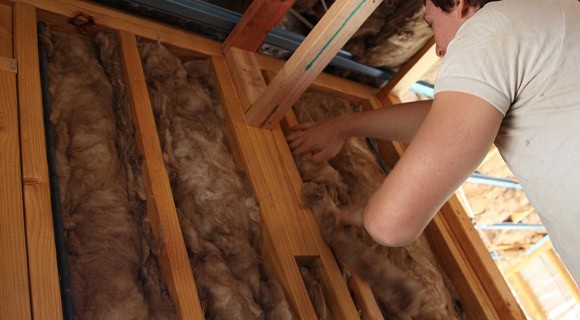
Insulate Attic Space – Proper attic insulation is essential for maintaining consistent and comfortable indoor temperatures. Insulate your attic to prevent heat loss, significantly reducing ice dams and damages caused by freeze-thaw cycles.

Winter roof damage can be minimized with attic insulation

Trim Overhanging Branches – Overhanging branches can accumulate snow and ice, increasing the load on your roof and potentially causing severe damage. Trim branches away from your roof to minimize falling debris and ice accumulation.

Install Ice and Water Shields – Consider installing ice and water shields along your roof’s eaves. These shields provide an extra protective barrier against ice dams and prevent water infiltration during freezing conditions.

Remove Snow Accumulation – After snowfall, promptly remove accumulated snow from your roof using a roof rake. Excessive snow load can strain the structure, leading to potential collapses or severe structural damage.

Caution: Call your roofer before trying to repair your roofing system alone. Attempts to DIY roof repairs can void warranties, cause an insurance claim denial, and result in costly out-of-pocket expenses.

Damages Caused by Freezing Weather

Most weather-related damages can be prevented by acquiring a Roof Maintenance Program. A maintenance program helps you detect issues and correct them long before they result in costly repairs.

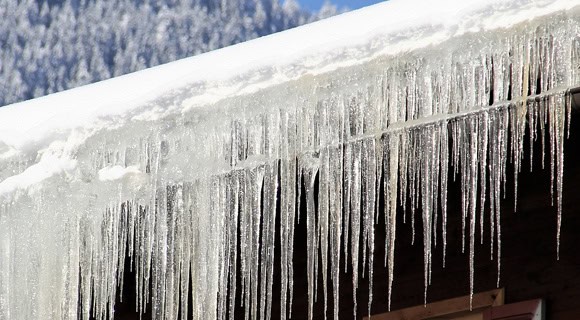
Ice Dams – A primary issue during freezing weather is ice dam formation. These dams occur when melting snow refreezes at the roof’s edge, leading to water backups and potential leaks.

Winter roof damage is caused from ice dams

Freeze-Thaw Cycles – Fluctuations between freezing and thawing can cause shingles and flashing to expand and contract. This repetitive cycle may result in cracks, leaks, and overall roofing material degradation.

Condensation – Inadequate attic ventilation can lead to condensation in cold weather. Condensation can contribute to ice dam formation and compromise the roof’s structural integrity.

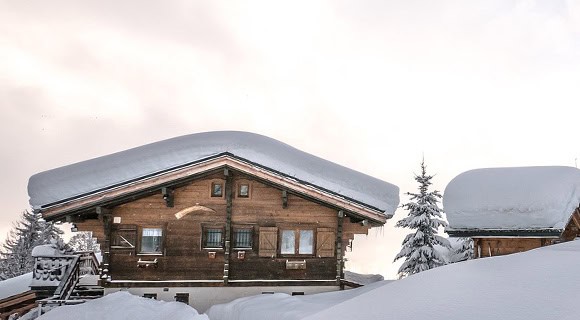
Snow Load – Excessive snow and ice accumulation on a roof can lead to a heavy load, potentially causing structural damage or even roof failure. It is crucial to monitor this accumulation and remove snow promptly.

Winter roof damage can result from excessive snow accumulation

Brittle Shingles – Freezing temperatures can make shingles more brittle and susceptible to damage. Brittle shingles are prone to cracking, breaking, and losing granules, significantly reducing their effectiveness in protecting your home.

When to Call Your Roofer

Persistent Ice Dams – If you detect persistent ice dams despite your preventive measures, it is time to call your roofer. Roofers can address the underlying issues causing ice dams and implement solutions to prevent further occurrences.

Leaks and Water Damage – Leaks are urgent issues that require immediate attention. If you notice water stains on your ceiling or walls, or if you experience leaks during thaw periods, immediately contact your roofer.

Snow Accumulation Concerns – If you are concerned about the snow load on your roof or cannot safely remove accumulated snow, it is advisable to call a professional roofer. Roofers have the expertise and equipment to address snow-related issues safely.

Note: While snow accumulation occurs more frequently in higher elevations, more powerful winter weather systems have been known to drop significant snow at lower elevations.

Structural Concerns – If you observe signs of structural damage, such as sagging or bowing, immediately call a roofer. Structural issues pose significant risks and should be addressed promptly to prevent further damage.

Emergency Repairs – In case of emergencies, like sudden leaks or damage caused by extreme cold, do not hesitate to call your roofer for emergency repairs. Prompt action can minimize the extent of the damage and prevent further issues.

When filing an insurance claim for roof repairs or replacement, it is crucial to understand how your deductible works in relation to your policy and payouts on approved claims. Watch this video for further information.

Residential Roofs in Freezing Weather

In this article, you discovered how residential roofing systems are prepared for extreme cold weather, potential wintertime damages, and when you should call your roofer.

Understanding how to winterize your home’s roof, detect problems early, and when to call for help will prevent severe structural damages and costly repairs.

Ignoring the need to prepare your roofing system for the winter months will leave it vulnerable to storms and requiring otherwise unnecessary repairs.

Sources:
weather.gov/grr/roofIceDams
cdc.gov/disasters/winter/beforestorm/preparehome.html
wusf.org/2022-02-05/how-to-best-protect-your-home-from-extreme-winter-storm-conditions
sites.psu.edu/socialtrends/2022/11/16/is-your-roof-properly-maintained/

  New Image Roofing Atlanta

    2020 Howell Mill Rd NW Suite 232
Atlanta, GA 30318
(404) 680-0041
Looking for answers to your most urgent roofing questions? Answering your questions and asking the questions you didn’t know you needed to ask will help you better negotiate your roof maintenance, repairs, installation, or replacement.

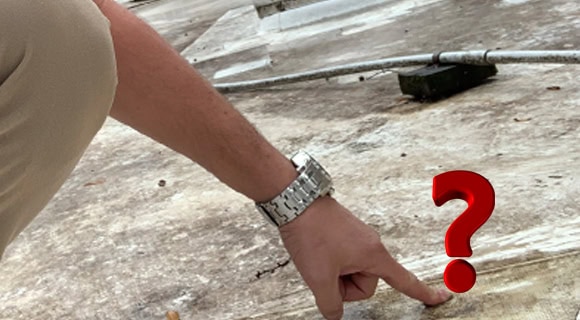
Homeowners frequently ask questions about roofing services and maintenance

New Image Roofing Atlanta gathered the 15 most asked roof-related questions – and answered them. Consider the following:

1 – How often should I inspect my roof?

Homeowners frequently ask questions about roof inspections

Answer: Regular inspections (twice a year) help identify potential issues before they develop into expensive repairs.

Tip: After severe weather events, it’s wise to meticulously check your roof and home for any storm damage.

2 – What are the signs of a damaged roof?

Answer: Look for the following:

  • Missing or damaged shingles
  • Leaks
  • Cracks or holes
  • Sagging areas
  • Signs of water damage (discoloration or moisture) on your ceiling
  • Sharp increases in heating or cooling expenses

Addressing these issues promptly can prevent more extensive damage.

3 – How long does a typical roof last?

Homeowners frequently ask questions about roofing system average lifespans

Answer: A roof’s lifespan varies based on the material:

Such extensive lifespans are only achieved with proper and consistent maintenance.

4 – Is it necessary to remove my old roof before installing a new one?

Answer: While it’s possible to layer a new roofing system over an existing one, it is often better to remove the old roof to inspect and address any underlying issues. This ensures a more reliable, long-lasting installation.

Tip: Your local building codes determine whether your old roof must be removed (typically, the limit is two roof layers on any structure).

5 – What influences the cost of a new roof?

Homeowners frequently ask questions about roof replacement costs

Answer: Material type, roof size, complexity, and your location are significant cost determinants. High-quality materials and professional installation contribute to a more durable and costly roof.

6 – Can I do roof repairs as a DIY project?

Answer: Minor repairs like replacing a shingle may be manageable for a DIY enthusiast. However, it is advisable to contract a professional roofer for more complex issues or complete roof replacements.

7 – How do I choose the correct roofing material for my home?

Homeowners frequently ask questions about residential roofing material

Answer: Consider factors like your budget, climate, and aesthetic preferences. Asphalt shingles are preferred for their affordability, while metal roofs offer durability and energy efficiency.

8 – What can I do to prevent roof leaks?

Answer: Regular maintenance, prompt repairs, and proper ventilation are crucial. Clear debris from gutters, inspect flashing and sealants around penetrations, and address any visible issues promptly to prevent leaks.

Note: Regular inspections, timely repairs, and choosing the correct materials contribute to the long-term health of your home.

Tip: Consult a professional roofing contractor for specific questions or concerns about your roof.

9 – How important is attic ventilation?

Homeowners frequently ask questions about attic ventilation

Answer: Proper attic and roof ventilation helps regulate temperature and humidity, preventing mold growth and premature aging. It also contributes to energy efficiency by significantly reducing the strain on your HVAC system.

10 – What is the significance of flashing on a roof?

Answer: Flashing, typically metal, seals the vulnerable areas of your roof, like intersections, valleys, and chimneys. Ensuring flashing is correctly placed, molded, and intact prevents water penetration and leaks.

11 – Are there environmentally friendly roofing options?

Homeowners frequently ask questions about eco friendly metal roofing

Answer: Yes, materials like metal, clay tiles, and recycled shingles are eco-friendly choices. They often have longer lifespans, reducing the need for frequent replacements.

12 – Can I install solar panels on my roof?

Answer: In many cases, yes. However, it’s essential to ensure your roof is structurally sound (to support the additional weight) and consult a professional to determine feasibility and assess the impact on your roof’s warranty.

Note: Solar panels must meet rigorous international inspection and testing standards, and a qualified installer will install them to meet local building, fire, and electrical codes. Solar energy systems undergo a thorough inspection (by a certified electrician) during installation.

13 – What steps should I take after a severe storm?

Homeowners frequently ask questions about storm roof damage

Answer: Immediately inspect your roof for visible damage. If you notice any issues, contact a roofing professional for a thorough inspection and necessary repairs.

14 – How do I find a reliable roofing contractor?

Answer: Seek recommendations from friends, family, or neighbors, and research online reviews. Ensure the contractor is licensed and insured (and provides a detailed written estimate).

15 – Is roof maintenance necessary if I don’t notice any issues?

Homeowners frequently ask questions about residential roof maintenance

Answer: Yes, preventive roof maintenance is crucial. Regular inspections and addressing minor problems promptly can extend your roof’s lifespan and save you from future costly repairs.

Note: Contact a Trusted Professional Roofer about a maintenance contract’s terms and price.

Common Roofing Questions

In this article, you discovered 15 commonly asked roofing questions addressing roof components, maintenance, cost factors, and their answers.

Knowing roofing basics will empower you to make well-informed decisions and keep a secure and durable roof over your head.

Ignoring roofing fundamentals will contribute to your roof and home’s decline in appearance and value.

Sources:
energy.gov/eere/solar/homeowners-guide-going-solar
wp.nyu.edu/insight/2023/03/30/is-your-roof-in-need-of-repair/
.nrcia.org/why-homeowners-need-annual-roof-inspections/

  New Image Roofing Atlanta

    2020 Howell Mill Rd NW Suite 232
Atlanta, GA 30318
(404) 680-0041
Avoid costly water damage from your roofing system’s inability to shed rainwater. Understanding how a roof sheds rainwater will help you determine what to install or repair to prevent leaks and costly water damages.

Roofing systems shed water using slope gravity gutters and downspouts

New Image Roofing Atlanta gathered information on how low-slope (flat) and steep-sloped roofing systems are engineered to shed rainwater.

Low-Slope Roofing System Water Drainage

Low-slope roofing systems, common in commercial and industrial buildings, present unique challenges when addressing water drainage. Unlike steep-slope roofs that allow water to naturally flow down and off the roof, low-slope roofs require a more intentional approach to prevent ponding while ensuring drainage.

Note: Low-slope roofing can be EPDM, TPO, PVC, or BUR systems.

Gravitational Flow and Slope Design

Successful water drainage on low-slope roofing systems relies in gravitational flow. While these roofs have a slight incline, it is not as steep as in residential roofing systems.

Low-slope roofs are designed to combat water accumulation challenges, with a subtle slope to guide water toward drainage points.

A roof’s slope is carefully calculated during the design phase, ensuring water flows efficiently toward designated areas where drains, scuppers, and gutters are placed strategically. This intentional slope is critical in preventing pooling water (ponding), as ponding leads to structural damage, leaks, and accelerated wear on the roofing material.

Roof Drains, Scuppers, and Gutters

Scuppers help low slope roofing systems shed water

Roof drains, scuppers, and gutters are the most common and cost-effective drainage solution for flat roofs. These components catch and direct rainwater as it rolls off the roof’s edge and divert the water into downspouts that dispense it at a safe distance from the foundation of the building. Consider the following:

  • Roof drains are essential components of low-slope roofing systems. These drains are typically installed at the lowest points of the roof to collect and funnel water away. They connect to a network of pipes that direct the water down and away from the building’s foundation.
  • Scuppers are openings along the edges of the roof’s parapet walls that allow water to drain into a downspout or directly off the roof. They act as overflow channels during heavy rainfall or when debris blocks primary drainage points.
  • Gutters are crucial in low-slope roofing systems as they channel water from the roof’s surface to downspouts. Regular maintenance (like keeping gutters clear of debris) is fundamental in preventing water blockages.

Low slope roofing systems shed water using drains

Note: Drains running through a building or structure (internal drains) are serviced by a plumber when they experience blockages.

Residential Shingle Roofing Systems

Roofing systems shed water using the roof slope and gravity

Residential shingle roofing systems with steeper slopes leverage gravity and the roofing materials’ natural properties to channel water efficiently. From asphalt to metal shingles, these systems shed water swiftly, preventing leaks and protecting the underlying structure.

Roof Slope and Gravity

The steep slope of residential shingle roofing systems is fundamental in their ability to shed water effectively. Gravity plays a significant role, pulling water downward and away from the roof’s surface. The slope’s angle, often significantly steeper than low-slope roofs, facilitates quick and efficient drainage.

The roof pitch is carefully calculated during the design phase to ensure optimal water shedding. While the primary purpose of this slope is to encourage water runoff, it naturally contributes to the structure’s aesthetic appeal, influencing its architectural style.

Visit this YouTube channel for informative roofing videos.

Overlapping Shingles and Surface Tension

Roofing systems shed water using overlapping shingles

The materials used in residential shingle roofing systems are selected for their durability and ability to shed water. These shingles overlap, creating a seamless barrier that prevents water from infiltrating the roof.

Surface tension, the cohesive property of water molecules, aids in shedding water. As rainwater flows down the roof, it adheres to the shingle surface. The overlapping design encourages the water to travel downward, preventing it from seeping between the shingles and compromising the roof’s integrity.

Note: Exposed nails may sometimes provide additional reinforcement. When said nails are not sealed properly, they may begin to back out, allowing water infiltration and costly damages.

Tip: Read more about residential sloped roofing systems at newimageroofingatlanta.com/residential-roofing-what-you-need-to-know/

Eaves, Flashing, Drip Edges, Gutters, and Downspouts

Collecting rain water and carrying it away from your home’s walls and foundation is the roof’s drainage system (eaves, flashing, drip edges, gutters, and downspouts). This system prevents soil erosion and foundation damage. Consider the following sloped roof drainage components:

Eaves – Eaves (the roof’s edges that overhang the exterior walls), play a crucial role in water drainage. They provide additional protection by preventing water from running down the walls and causing severe damage. Eaves also contribute to the roof’s aesthetic appeal, defining its silhouette.

Eaves at the edge of a roofing system help it shed water

Flashing – Flashing (typically metal) is strategically installed in vulnerable areas like roof valleys, chimneys, vents, and other penetrations. Flashing acts as a water-resistant barrier, directing water away from these critical points and preventing leaks.

Roofing system flashing helps it shed water

Drip Edges – Drip edges, installed along the outer edges of the roof, guide water into the gutters and away from the fascia. They protect the underlying structure from water damage and help prevent issues like wood rot.

Drip edges shed water off the roof away from the structure

Gutter Systems – Gutters and downspouts play a vital role in roofing systems by channeling water from the roof and away from the foundation. Regular maintenance (including keeping gutters clear of debris) is fundamental to prevent blockages that interrupt water flow.

Roofing systems shed water using gutters and downspouts

Note: Gutters and downspouts must be properly sized to accommodate water runoff volume. If a structure’s gutters are too small, they overflow when heavy rain falls.

Tip: A maintenance plan can help detect and correct drainage issues in their infancy before developing into costly damages.

Roof Drainage Systems

In this article, you discovered how roofing systems drain rainwater and the components that efficiently divert the runoff from the structure, preventing water damage.

Knowing how a roofing system sheds rainwater will enable you to make informed decisions when installing, maintaining, or repairing your residential or commercial roofing system.

Ignoring your roof’s drainage system can lead to leaks, costly water damages, and challenging structural repairs.

Sources:
nps.gov/crps/tps/roofdown/connections.htm
ctahr.hawaii.edu/wq/publications/Final_FactSheets/RoofRunoff558.pdf
nachi.org/roof-drainage-systems-part1-23.htm
nachi.org/roof-drainage-systems-part2-24.htm

New Image Roofing Atlanta

2020 Howell Mill Rd NW Suite 232
Atlanta, GA 30318
(404) 680-0041