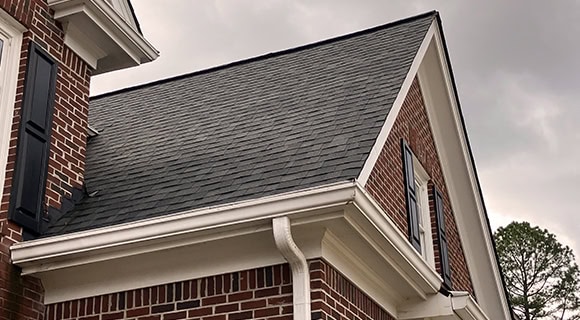
Tag Archive for: Residential Roofing In Atlanta Ga

Your roof protects your home every day, but how much do you really know about it? If you cannot name its age, material, repair history, or last major inspection, you may be making expensive roofing decisions without critical information. Understanding your roof’s history gives you a clearer picture of its current condition and helps you plan repairs, maintenance, or replacement before a small issue becomes a major problem.

roof history records and information

New Image Roofing Atlanta gathered information about the most important details every homeowner should know about their roof, including age, material, repair history, storm history, maintenance, and warranties. Every roof has a history. Learning that history can help you understand your current roofing conditions, recognize potential problems, budget for future work, and make better decisions about what comes next.

Key Takeaways for Knowing Your Roof’s History

roof history records and information infographic

Knowing your roof goes far beyond identifying its color or choosing a shingle style. Your roof has a timeline, and each event during that timeline can affect its present condition and future performance. Accurate records help when deciding whether to repair, maintain, or replace your roofing system.

1. Know Your Roof’s Age

Age provides an important starting point when evaluating a roof. Different roofing materials have different expected service lives, and climate, installation quality, ventilation, maintenance, and weather exposure can affect longevity.

If you do not know when your roof was installed, check closing documents, inspection reports, invoices, permits, warranty paperwork, or records from previous homeowners. A professional roof inspection can also help estimate age when documentation is unavailable.

Knowing the age does not automatically mean you need a replacement. A well-maintained roof may continue performing effectively for years. However, an older roof deserves closer attention because normal wear and weather exposure accumulate over time.

2. Identify Your Roofing Material

Knowing your roofing material helps determine the appropriate maintenance, needed repairs, and replacement options. Asphalt shingles, metal, tile, TPO, PVC, EPDM, modified bitumen, and other roofing systems each have different characteristics and maintenance requirements.

Material also matters when selecting replacement components. Using incompatible products or improper repair techniques can create additional problems. If you know exactly what covers your building, you can communicate more effectively with roofing professionals and make more informed decisions.

3. Document Your Repair History

A roof repair should become part of your roof’s permanent history. Keep invoices, photographs, inspection reports, contractor information, and descriptions of work completed.

Repair records can reveal patterns. For example, repeated repairs around one roof penetration could indicate an underlying flashing or installation problem rather than several unrelated leaks.

A complete repair history also helps a roofing contractor understand previous work before recommending new repairs. This can prevent unnecessary duplication and help identify areas that deserve additional inspection.

4. Record Storm History
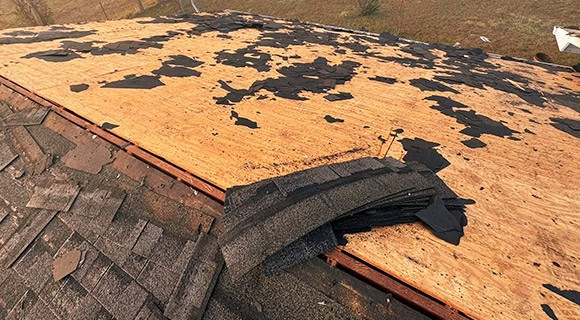
storm damaged roof history records and information

Atlanta-area roofs can experience intense weather, including thunderstorms, heavy rain, high winds, hail, and occasional severe storm events. Storm history matters because damage does not always become obvious immediately.

After a significant storm, document when it occurred and arrange a professional inspection if damage may have occurred. Photographs can provide useful evidence for future reference and insurance discussions.

Storm records become especially valuable when combined with repair records. If a roof experienced hail damage several years ago and received repairs afterward, that information gives a contractor useful context during a later inspection.

5. Track Maintenance

Preventive maintenance can extend useful roof life and help identify problems before they become expensive. Keep records showing when inspections occurred, what a contractor found, and what maintenance or repairs were completed.

Maintenance records can include gutter cleaning, flashing inspections, sealant replacement, drainage checks, membrane inspections, shingle evaluations, and other appropriate services.

A roof that receives regular attention provides more opportunities to identify developing problems early. A neglected roof can allow minor defects to progress into leaks, structural damage, interior damage, or premature replacement.

6. Understand Your Warranties

Roof warranties contain essential information about materials, installation, coverage periods, exclusions, maintenance requirements, and the claim submission procedures.

Keep copies of manufacturer and contractor warranties in a location where you can easily find them. Know which products were installed, who performed the work, and what conditions could affect warranty coverage.

Warranty information becomes particularly important when you experience a roofing problem. Before authorizing major work, review applicable warranty documents and determine whether a manufacturer or contractor should be involved.

Your Roof’s History Helps Tell Its Future

These six categories work together. Age tells you where your roof sits within its expected service life. Material tells you how to evaluate and maintain it. Repair history reveals previous problems and solutions. Storm history provides information about weather exposure. Maintenance records show how consistently your roof got attention. Warranty documents explain available protections.

Together, these details create a roofing record that can help you make decisions based on evidence rather than guesswork.

Why Every Roof Has a History
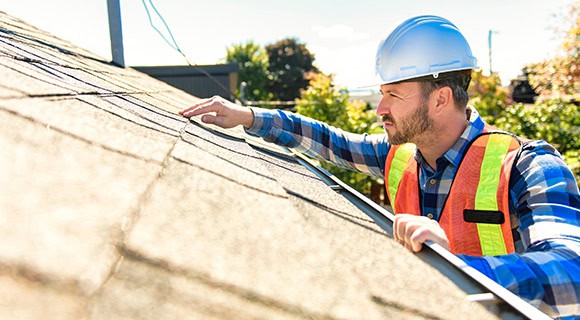
roof history records and information inspection

A roof does not suddenly become old or damaged overnight. Its condition develops through years of installation, weather exposure, repairs, maintenance, and environmental conditions.

Consider a roof that is 12 years old. Age alone tells only part of its story. Perhaps it received regular inspections, experienced minimal storm damage, and had prompt repairs whenever minor issues appeared. Another 12-year-old roof may have experienced multiple severe storms, recurring leaks, neglected maintenance, and several temporary repairs.
Both roofs are the same age but may show conditions differently.

This is why homeowners should avoid judging roofing needs based solely on age. A roofing professional needs to consider the complete picture.

Your roof’s history can also become important when buying or selling a property. A documented history demonstrates responsible maintenance and gives prospective buyers useful information about past roofing work.

Good records also make conversations with contractors easier. Instead of saying, “I think someone repaired this area a few years ago,” you can provide dates, invoices, photographs, and descriptions. Better information supports better decisions.

New Image Roofing Atlanta Roof Maintenance Solutions
roof history records and information maintenance solutions

Preventive maintenance addresses roofing concerns before developing into larger problems. New Image Roofing Atlanta can help property owners evaluate roofing conditions and identify areas that may require attention.

A maintenance program can include professional inspections, roofing material evaluation, flashing and penetration examination, drainage assessments, and identification of visible deterioration. Commercial properties may benefit from scheduled inspections because larger roofing systems can have multiple areas where problems may develop.

Maintenance also creates documentation. Each inspection and completed service becomes another chapter in your roof’s history.

Rather than waiting for water stains, active leaks, or visible damage to force a decision, preventive maintenance allows you to stay ahead of developing problems.

For homeowners and commercial property owners, the goal is simple – understand current conditions, address problems appropriately, and protect long-term roofing performance.

When Should You Update Your Roof Records?
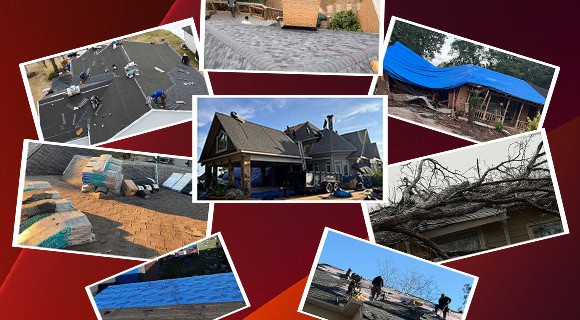
roof history photographic records and information

Update your roofing records whenever something changes. This includes:

  • A professional roof inspection
  • A completed repair
  • A major storm
  • A roof cleaning or maintenance service
  • A warranty claim
  • Replacement of flashing or other components
  • Installation of a new roof
  • Discovery of a recurring leak
  • A change in property ownership

Take photographs when appropriate and keep invoices with your roofing records. Digital copies stored in a secure location can make information easier to retrieve when needed.

You can create a simple roof history document with the installation date, material, contractor, repairs, inspections, storm events, maintenance dates, and warranty information.

That document may become one of your most useful home maintenance records.

Hire New Image Roofing Atlanta 404-680-0041
roof history records and information best of buckhead

When you need professional assistance evaluating your roof, New Image Roofing Atlanta can help you understand its current condition and determine its next steps. Professional inspections can uncover visible concerns that may not be apparent from ground level and provide valuable information for future planning.

New Image Roofing Atlanta was chosen as a Best of Buckhead 2026 Winner for Roofing Services, recognizing the company within Buckhead’s local business community.

Whether you need a roof inspection, repair evaluation, maintenance planning, or a better understanding of an aging roofing system, an experienced roofing contractor can give you more confidence in your next decision.

roof history records and information bbb accredited roofer

New Image Roofing Atlanta is an accredited A+ Rated roofing contractor.

Call New Image Roofing Atlanta at 404-680-0041 to discuss your roofing needs.

How Your Roof History Can Save You Money

Understanding your roof does not necessarily mean spending more money. In many situations, better information can help you spend money more strategically.

For example, identifying a minor flashing problem during a routine inspection may allow you to correct it before water enters the building. Knowing your roof’s age can help you prepare financially for eventual replacement rather than being surprised by an emergency. Understanding warranty coverage may prevent you from paying for work that could qualify for available coverage.

Roof history can help distinguish between a roof that needs targeted repairs and one that has reached a point where replacement makes better financial sense.

The goal is not to replace a roof simply because it is old. The goal is to understand its condition well enough to make an appropriate decision.

Knowing Your Roofing System

Your roof’s history includes far more than its installation date. You discovered why age, material, repair history, storm history, maintenance records, and warranties all provide valuable information about your roofing system. You also learned that every roof has a history and how that history can guide future decisions.

When you know your roof, you can plan instead of react. Accurate records and regular professional evaluations can help you identify developing problems, maintain roofing performance, prepare for future expenses, and choose repairs or replacement based on actual conditions.

Without knowing your roof’s history, important information can disappear. Missed maintenance, undocumented repairs, unknown storm damage, and overlooked warranty requirements can contribute to unnecessary expenses and unexpected roofing problems. Start documenting your roof today, and use that information to make smarter decisions about what comes next.

  New Image Roofing Atlanta
 

    2020 Howell Mill Rd NW Suite 232
    Atlanta, GA 30318
    (404) 680-0041
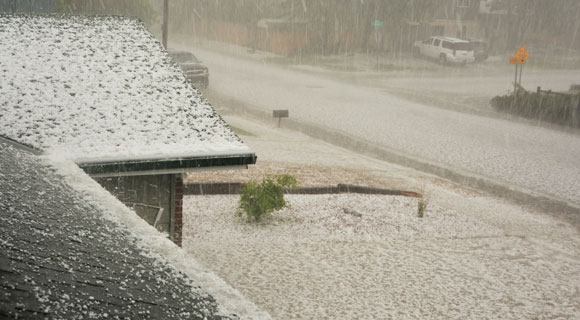
 

A roof replacement can feel like a major disruption for any homeowner. Questions about construction noise, weather delays, property protection, and how long your family will need to live around an active job site often create unnecessary stress. Fortunately, understanding the steps involved and realistic project timelines can help you plan ahead and ensure your new roof is properly installed without unnecessary surprises.

roof replacement timeline

New Image Roofing Atlanta gathered information on residential roof replacement timelines, installation procedures, weather considerations, material selection, and factors that influence project completion. This guide explains how long a typical roof replacement takes, what happens during each phase, what conditions may delay progress, and how regular maintenance helps maximize your new roof’s lifespan.

Key Takeaways for Roof Replacement Timeline

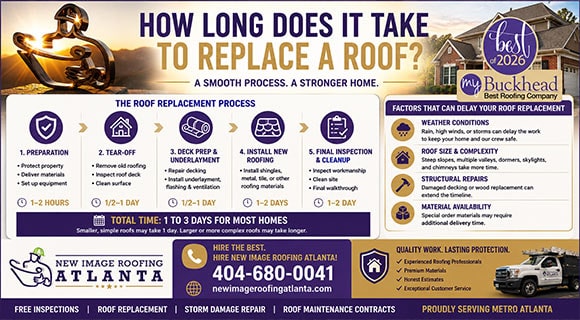
roof replacement timeline infographic

Most residential roof replacements require between one and three days for completion. Smaller homes with straightforward roof designs often finish within a single workday. Larger homes or roofs featuring multiple valleys, dormers, skylights, chimneys, or steep slopes may require several days. Material selection also influences installation time. Asphalt shingles generally install faster than tile, slate, or standing seam metal roofing systems.

Preparation begins before roofing materials arrive. Contractors inspect existing conditions, verify measurements, schedule material delivery, obtain permits when required, and monitor weather forecasts. Careful planning allows roofing crews to work efficiently while minimizing interruptions.

During installation, crews first protect landscaping, windows, siding, driveways, and surrounding property. Existing roofing materials are removed down to the roof decking. Contractors inspect decking for rot, moisture damage, or structural concerns before installing new underlayment, flashing, ventilation components, drip edge, and roofing materials.

Weather remains one major variable affecting project schedules. Heavy rain, thunderstorms, high winds, or lightning create unsafe working conditions while exposing roof decking to moisture. Professional roofing contractors prioritize safety and waterproof protection before resuming installation.

Unexpected structural repairs may also extend timelines. Damaged decking, deteriorated fascia boards, chimney repairs, or ventilation upgrades sometimes become visible only after existing roofing materials have been removed.

Communication remains another important takeaway. Experienced roofing contractors keep homeowners informed throughout each phase while explaining schedule adjustments if unexpected conditions arise.

Following installation, crews complete thorough cleanup using magnetic nail collection equipment, remove debris, inspect work, and perform final quality checks before considering the project complete.

Choosing an experienced contractor often determines whether your roof replacement proceeds efficiently. Proper planning, skilled installation, quality materials, and organized project management allow homeowners to receive beautiful new roofing systems with minimal disruption.

Typical Roof Replacement Timeline

Although every home differs, most residential roofing projects follow a similar schedule.

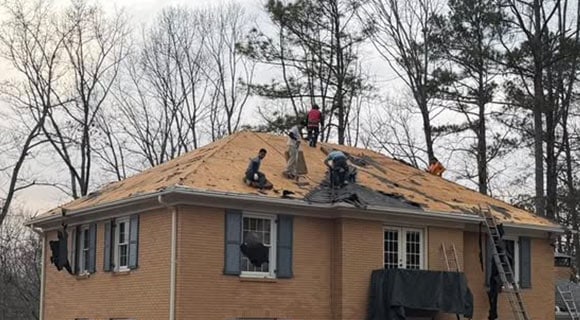
roof replacement timeline tear off

Roofing crews begin by protecting your property.

Preparation commonly includes:

  • Covering landscaping
  • Protecting windows
  • Positioning debris trailers
  • Delivering roofing materials
  • Setting up safety equipment

Crews then remove existing roofing materials down to the roof decking.

Once exposed, contractors inspect decking for damage before installing replacement materials.

Day 1 or Day 2 – Roof Deck Preparation

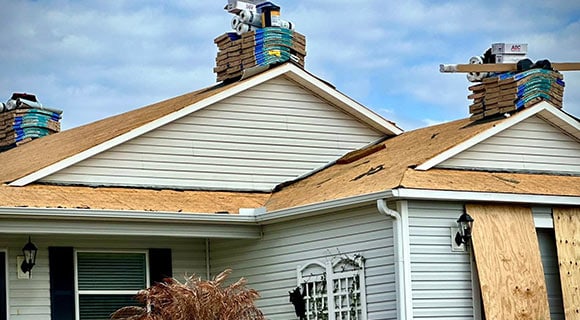
roof replacement timeline deck preparation

After tear-off, contractors repair any damaged decking discovered during inspection.

Next, crews install:

  • Drip edge
  • Ice and water barriers where required
  • Synthetic underlayment
  • Flashing
  • Ventilation components

These materials create waterproof protection beneath finished roofing materials.

Day 2 or Day 3 – Installing New Roofing Materials

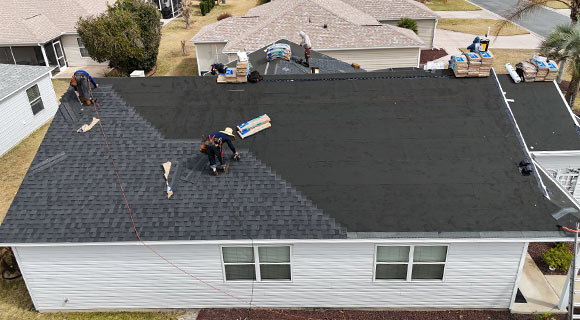
roof replacement timeline material installation

Once preparation finishes, installation begins.

Depending on the roofing system selected, crews install:

  • Architectural asphalt shingles
  • Standing seam metal roofing
  • Cedar shake
  • Concrete tile
  • Clay tile
  • Synthetic roofing materials

Experienced crews work methodically while maintaining manufacturer installation requirements.

Final Inspection and Cleanup

roof replacement timeline cleanup final inspection

Before leaving, roofing professionals complete several important tasks.

These include:

  • Ridge cap installation
  • Sealant application
  • Flashing inspection
  • Debris removal
  • Magnetic nail sweep
  • Final quality inspection

Your contractor should also review completed work with you and answer any remaining questions.

Average Roof Replacement Times by Roofing Material

Approximate installation timelines include:

Roofing Material – Typical Timeline

  • Asphalt Shingles – 1 to 2 days
  • Metal Roofing – 2 to 5 days
  • Cedar Shake – 3 to 5 days
  • Concrete Tile – 5 to 8 days
  • Clay Tile – 5 to 8 days
  • Slate Roofing – 6 to 10 days

Actual schedules vary depending on roof size and complexity.

Factors That Can Delay Roof Replacement

roof replacement timeline severe weather delay

Several conditions may increase project duration.

Weather – Rain remains one primary scheduling concern.

Additional weather delays include:

  • High winds
  • Lightning
  • Extreme heat
  • Severe storms

Professional contractors never compromise safety to maintain schedules.

Roof Size – Larger homes naturally require additional labor and installation time.

More roofing materials, longer ridges, additional valleys, and greater square footage all increase project duration.

Roof Complexity – Simple gable roofs install much faster than complicated roof designs.

complex roof replacement timeline

Complex features include:

  • Multiple dormers
  • Skylights
  • Chimneys
  • Valleys
  • Steep slopes
  • Roof transitions

Each feature requires additional flashing and detailed workmanship.

Structural Repairs – Unexpected repairs sometimes appear after tear-off.

Common examples include:

  • Rotten decking
  • Water damage
  • Damaged fascia
  • Sagging framing
  • Ventilation deficiencies

Correcting these problems before continuing installation protects your investment.

Material Availability – Although uncommon, specialty roofing materials occasionally require additional delivery time.

Planning material orders early helps reduce scheduling delays.

How Homeowners Can Help Projects Stay on Schedule

Property owners can improve project efficiency by:

  • Moving vehicles away from work areas
  • Securing pets
  • Removing fragile patio furniture
  • Trimming nearby tree branches when necessary
  • Providing driveway access
  • Discussing questions before installation begins

These simple preparations allow roofing crews to begin work immediately.

New Image Roofing Atlanta Roof Maintenance Contract

roof replacement timeline maintenance strategy

A new roof represents a significant investment that deserves regular professional care. Preventive maintenance identifies developing concerns before they become expensive repairs while helping maximize manufacturer warranty coverage and roof lifespan.

A New Image Roofing Atlanta Roof Maintenance Contract provides scheduled inspections performed by experienced roofing professionals. Each visit includes careful evaluation of shingles, flashing, pipe boots, ridge vents, sealants, drip edge, gutters, valleys, roof penetrations, and surrounding components.

Maintenance services may include:

  • Annual roof inspections
  • Storm damage evaluations
  • Minor roofing repairs
  • Flashing inspections
  • Sealant replacement
  • Gutter cleaning
  • Debris removal
  • Preventive maintenance recommendations
  • Detailed inspection reports

Routine maintenance often extends roof life while reducing long-term ownership costs.

Hire New Image Roofing Atlanta 404-680-0041

roof replacement timeline 2026 best of buckhead

Choosing a qualified roofing contractor provides confidence throughout every phase of roof replacement. New Image Roofing Atlanta delivers residential and commercial roofing services using premium materials, experienced installation crews, and exceptional customer service.

Their team specializes in asphalt shingles, standing seam metal roofing, low-slope roofing, storm damage restoration, roof inspections, preventive maintenance, and complete roof replacement throughout Metro Atlanta.

New Image Roofing Atlanta proudly earned recognition as a “Best of Buckhead” 2026 Winner in Roofing Services because of its commitment to quality workmanship, customer service, and professional roofing expertise.

Whether your roof has reached the end of its service life or sustained storm damage, New Image Roofing Atlanta provides detailed inspections and honest recommendations tailored to your home’s needs.

roof replacement timeline bbb accredited roofer

For a free roof inspection or replacement estimate, call New Image Roofing Atlanta at 404-680-0041 or visit newimageroofingatlanta.com.

A Timeline for Roof Replacement

Replacing a roof involves careful planning, professional installation, thorough inspections, and quality materials working together to protect your home. This guide explained each phase involved in roof replacement, realistic completion timelines, common scheduling delays, and steps homeowners can take to keep projects moving efficiently. It also highlighted how preventive maintenance protects your investment long after installation finishes.

Homeowners who choose experienced roofing professionals, prepare properly, and maintain their roofs regularly enjoy dependable protection, improved curb appeal, increased property value, enhanced energy efficiency, and greater peace of mind during severe weather. Investing in quality workmanship today can provide decades of reliable performance.

Waiting too long to replace an aging or damaged roof can lead to leaks, structural deterioration, mold growth, insulation damage, and much higher repair costs. Ignoring maintenance or delaying necessary replacement may also shorten remaining roof life while placing your home at greater risk during heavy rain, hail, or high winds. Proactive action helps protect both your home and your financial investment for many years.

  New Image Roofing Atlanta
 

    2020 Howell Mill Rd NW Suite 232
    Atlanta, GA 30318
    (404) 680-0041
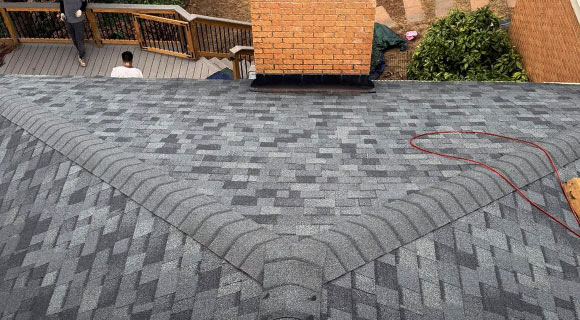
 

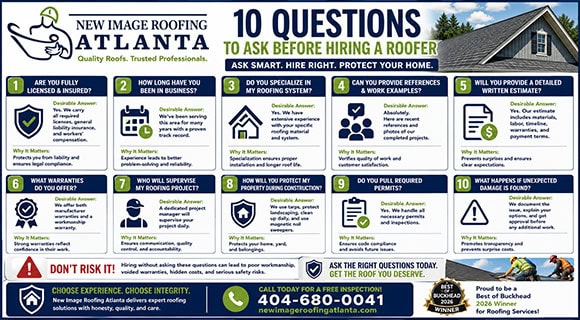
Hiring a roofing contractor without proper research can quickly turn a stressful roofing problem into a financial disaster. Many homeowners discover too late that poor workmanship, lack of insurance, unlicensed labor, and low-quality materials can lead to leaks, structural damage, failed inspections, and expensive repairs. Roofing projects represent a major investment, and choosing the wrong contractor can create long-term problems that affect both property value and safety. Knowing 10 crucial questions to ask before signing a contract can help homeowners avoid costly mistakes and hire qualified roofing professionals with confidence.

important roofing questions

New Image Roofing Atlanta gathered information about crucial roofing contractor qualifications, licensing requirements, warranties, insurance protections, and maintenance practices to help property owners make informed decisions before hiring a roofing company. This article outlines the ten most critical questions every homeowner should ask a roofer, explains desirable answers that indicate professionalism and reliability, and discusses the risks associated with hiring contractors without proper verification.

Key Takeaways for 10 Roofing Contractor Questions

important roofing questions infographic

One major takeaway is that roofing contractors should always be fully licensed and insured. A professional roofing company should willingly provide proof of business licensing, general liability insurance, and workers’ compensation coverage. These protections help shield homeowners from liability if accidents, injuries, or property damage occur during roofing projects. Contractors who hesitate to provide documentation may lack proper credentials or attempt to avoid accountability.

Another important takeaway involves experience and specialization. Roofing systems vary significantly between residential and commercial structures, and different materials require unique installation methods. Homeowners should hire contractors with direct experience related to their specific roofing type, whether asphalt shingles, metal roofing, tile roofing, or commercial membrane systems. Experienced contractors are more likely to recognize hidden structural issues and install roofing systems correctly.

Written estimates and detailed contracts are also essential. Reputable roofing companies provide clear written proposals outlining labor, materials, timelines, warranties, and payment schedules. Vague pricing or verbal agreements often lead to misunderstandings and unexpected costs later in projects.

Manufacturer certifications can further demonstrate professionalism. Some roofing systems require specialized training and certifications before installation or repair work can be performed according to manufacturer standards. Certified contractors generally receive updated training regarding installation techniques and product specifications.

References and previous project examples provide valuable insight into contractor reliability and workmanship quality. Established roofing companies should have portfolios, reviews, and references available for review. Homeowners should never rely solely on advertisements without verifying the actual project performance.

Maintenance planning is another critical factor many property owners overlook. Roofs require periodic inspections and preventive maintenance to maximize lifespan and reduce repair costs. Contractors offering maintenance programs demonstrate their long-term commitment to roofing performance rather than short-term sales.

Finally, choosing award-winning and trusted professionals improves project confidence. New Image Roofing Atlanta was selected as a “Best of Buckhead” 2026 Winner in Roofing Services because of its commitment to quality workmanship, customer service, and professional roofing expertise.

1. Are You Fully Licensed and Insured?

important roofing questions business license

This question should always come first.

Desirable Answer

A professional roofing company should immediately provide proof of:

  • State business licensing
  • General liability insurance
  • Workers compensation coverage

Why It Matters

Licensing demonstrates legal compliance and professional accountability. Insurance protects homeowners from financial responsibility if injuries or property damage occur during roofing work.

2. How Long Have You Been in Business?

important roofing company age questions

Experience matters significantly within the roofing industry.

Desirable Answer

Established roofing companies should have several years of documented experience and a strong local reputation.

Why It Matters

Long-standing companies are generally more stable and reliable. Contractors with extensive experience are better equipped to identify hidden roofing problems and provide durable solutions.

3. Do You Specialize in My Roofing System?

important roofing system questions

Not all roofers work with every roofing material.

Desirable Answer

Professional contractors should explain their direct experience with your roofing type, including:

  • Asphalt shingles
  • Metal roofing
  • Tile roofing
  • Flat roofing systems
  • Commercial membranes

Why It Matters

Incorrect installation methods can void warranties and shorten roof lifespan.

4. Can You Provide References and Work Examples?

important roofing questions work references

Reputable contractors should proudly showcase previous work.

Desirable Answer

Roofers should provide customer references, project photos, online reviews, and examples of completed projects.

Why It Matters

References help homeowners verify workmanship quality and customer satisfaction before signing contracts.

5. Will You Provide a Detailed Written Estimate?

important roofing questions estimates

Professional estimates should always be documented clearly.

Desirable Answer

Written estimates should include:

  • Material costs
  • Labor costs
  • Project timelines
  • Warranty details
  • Cleanup procedures
  • Payment schedules

Why It Matters

Detailed contracts reduce misunderstandings and protect both parties during roofing projects.

6. What Warranties Do You Offer?

important roofing warranty questions

Roof warranties vary significantly between contractors.

Desirable Answer

Roofing companies should explain both manufacturer warranties and workmanship warranties in writing.

Why It Matters

Strong warranty coverage demonstrates contractor confidence in installation quality and material performance.

7. Who Will Supervise My Roofing Project?

important roofing project supervision questions

Homeowners should know who oversees daily operations.

Desirable Answer

Professional companies should identify project managers or supervisors responsible for quality control and communication.

Why It Matters

Strong supervision improves organization, safety, and project consistency.

8. How Will You Protect My Property During Construction?

important roofing property protection questions

Roof replacements can create debris and landscaping risks.

Desirable Answer

Roofers should explain protective measures such as:

  • Tarp placement
  • Magnetic nail cleanup
  • Landscape protection
  • Debris containment

Why It Matters

Protective measures reduce property damage and improve overall project safety.

9. Do You Pull Required Permits?

important roofing questions permitting

Roofing permits are often legally required.

Desirable Answer

Professional contractors should handle permitting procedures and explain inspection requirements.

Why It Matters

Improper permitting can lead to fines, failed inspections, and future complications when trying to sell the property.

10. What Happens If Unexpected Damage Is Found?

important roofing damage discovery questions

Roofing projects sometimes reveal hidden structural issues.

Desirable Answer

Experienced contractors should explain how additional problems will be documented, priced, and communicated before repairs proceed.

Why It Matters

Clear communication prevents surprise expenses and project disputes.

Consequences of Hiring a Roofer Without Verification

important roofing questions qualifications

Failing to verify contractor credentials can create serious financial and structural problems.

Poor Workmanship

Unqualified contractors may install roofing materials incorrectly, resulting in leaks, premature deterioration, and warranty failures.

Lack of Insurance Protection

If uninsured workers are injured on your property, the homeowner may face legal liability and medical expenses.

Low Quality Materials

Some contractors cut costs by using substandard roofing products that fail prematurely.

Fraud and Abandonment

Dishonest contractors may demand large upfront payments before abandoning projects unfinished.

important roofing questions verification

Failed Inspections

Improper installation methods may violate local building codes and fail municipal inspections.

Reduced Property Value

Poor roofing workmanship negatively affects curb appeal, resale value, and buyer confidence.

New Image Roofing Atlanta Roof Maintenance Contract

important roofing maintenance questions

Preventive maintenance helps extend the roof’s lifespan and reduces repair costs. New Image Roofing Atlanta offers roof maintenance contracts designed to identify roofing issues before they become major structural problems.

Maintenance services may include:

  • Roof inspections
  • Flashing evaluations
  • Sealant repairs
  • Drainage cleaning
  • Minor shingle replacement
  • Storm damage assessments

Routine maintenance improves roof performance and helps homeowners address minor issues before major weather events occur.

Hire New Image Roofing Atlanta 404-680-0041

important roofing questions best of buckhead

Choosing a trusted roofing contractor provides peace of mind during roofing projects and emergency repairs. New Image Roofing Atlanta was selected as a “Best of Buckhead” 2026 Winner in Roofing Services because of its dedication to customer service, professional craftsmanship, and roofing expertise.

Their experienced team provides inspections, repairs, maintenance programs, and complete roof replacement services for residential and commercial properties throughout Atlanta. Professional roofing specialists understand local weather conditions, building requirements, and proper installation practices necessary for long-lasting roofing performance.

Working with qualified professionals helps homeowners protect their investment while ensuring roofing systems remain durable, safe, and code-compliant.

important roofing questions bbb accreditation

What To Ask A Roofer Before Signing A Contract

This article explained ten crucial questions homeowners should ask before hiring a roofing contractor and described desirable answers that indicate professionalism and reliability. You learned why licensing, insurance, references, warranties, written estimates, and experience are essential when evaluating roofing companies. You also discovered how preventive maintenance and professional oversight help protect roofing investments.

Asking these questions before hiring a roofer can help homeowners avoid scams, poor workmanship, and unnecessary financial risk. Careful contractor selection improves project quality, strengthens warranty protection, and increases confidence throughout roofing installation or repair processes.

Failing to verify roofing credentials and work quality can result in leaks, structural damage, failed inspections, financial losses, and dangerous safety risks. Hiring unqualified contractors is often more expensive than taking the time to properly evaluate professional roofing companies before work begins.

  New Image Roofing Atlanta
 

    2020 Howell Mill Rd NW Suite 232
    Atlanta, GA 30318
    (404) 680-0041
 

Are you concerned about interior rooms feeling dark, attic spaces feeling unusable, moisture appearing near roof transitions, or curb appeal feeling flat? These pain points typically originate from roof design rather than roofing material alone. Understanding dormers and their function within residential roofing helps homeowners make informed decisions that improve livability, ventilation, natural light, and long-term roof performance.

residential dormers

New Image Roofing Atlanta gathered information about residential dormer design, structural integration, roofing methods, and maintenance considerations to help homeowners avoid costly mistakes. This article explains what a dormer is, why it matters for roof systems, how proper installation protects a home, and why professional expertise plays a crucial role in long-term results.

What Is a Dormer in Residential Roofing

residential dormer inspection

A dormer is a roofed structure that projects vertically from a sloped roof surface. It typically contains a window and creates usable interior space while altering roof geometry. Dormers are common in homes with a steep-pitch roof, attic conversion, or upper expansion where headroom and daylight are limited.

From an architectural standpoint, dormers break up long roof planes and add visual balance. From a functional standpoint, dormers increase ventilation, introduce natural light, and allow attic areas to function as bedrooms, offices, or storage spaces. When properly designed, a dormer integrates seamlessly with the main roof while maintaining water-shedding performance.

Dormers come in several styles, including gable dormers, shed dormers, hip dormers, eyebrow dormers, and wall dormers. Each style impacts roof framing, drainage paths, and shingle layout differently. Choosing the right dormer style requires evaluating roof pitch, climate exposure, and interior goals.

How a Dormer Is Installed

residential dormer installation

Dormer installation begins with structural planning. Roof framing must be modified to create an opening without compromising load distribution. Rafters are cut and reinforced with headers to support weight transfer around the dormer opening. This step requires precision (improper framing can cause sagging, cracking drywall, or roofline distortion).

Once framing is complete, exterior walls are built and tied into the existing roof structure. Sheathing follows, creating a continuous surface for roofing materials. Flashing installation becomes critical at this stage. Step flashing, apron flashing, and counter flashing must be layered correctly to manage water flow where dormer walls intersect roof slopes.

Roofing installation continues with underlayment, ice and water barrier, and shingles, blending with the existing roof. Proper sequencing ensures water moves away from dormer transitions rather than collecting near seams.

How Dormers Are Roofed

shingled residential dormers

Roofing a dormer requires attention to slope changes and material compatibility. Dormer roofs may have a different pitch than the main roof sections, which may affect shingle exposure and fastening patterns. Underlayment selection must account for increased water concentration near dormer valleys.

Flashing systems serve as a primary defense against leaks. Metal flashing components must extend beneath shingles and behind siding to create layered protection. Counter flashing is embedded behind wall cladding to prevent moisture intrusion during heavy rainfall.

Ventilation considerations also matter. Dormers often alter attic airflow patterns. Ridge vents, soffit vents, or dormer-specific vents may be required to maintain balanced air movement and prevent heat buildup or condensation.

What a Dormer Does for a Roof System

residential dormer drainage

A dormer transforms roof performance beyond aesthetics. It increases usable interior volume by raising the ceiling height. This allows attic spaces to meet residential code requirements for living areas. Dormers also introduce vertical windows, which improve daylight distribution and reduce reliance on artificial lighting.

From a roofing perspective, dormers influence drainage paths. Water concentrates near valleys and sidewalls, making proper design essential. When executed correctly, dormers enhance roof efficiency rather than compromise it.

Dormers also support long-term roof health by improving ventilation potential. Better airflow reduces moisture accumulation that leads to mold growth, wood rot, and shingle deterioration.

Why a Dormer Is Necessary for Many Homes

residential dormer curb appeal

Many homes benefit from dormers when interior expansion is needed without altering the foundation footprint. Dormers provide a solution for homeowners seeking added living space while preserving yard area.

Dormers also improve resale value by increasing square footage usability and architectural appeal. Buyers often favor homes with well-integrated dormers (due to improved natural light and character).

In climates with varied seasonal conditions, dormers contribute to energy efficiency by improving insulation layout and ventilation balance. This results in better temperature regulation throughout the upper levels.

New Image Roofing Atlanta Maintenance Contract

residential dormer maintenance

Preventive maintenance protects dormers from premature failure. A New Image Roofing Atlanta Roof Maintenance Contract can provide scheduled inspections focusing on flashing integrity, shingle condition, sealant performance, and drainage flow near dormer transitions.

Maintenance visits identify early warning signs such as lifted shingles, cracked flashing, sealant shrinkage, and debris accumulation near dormer valleys. Addressing these issues early prevents leaks, interior damage, and structural repairs.

The contract also includes documentation support for warranty compliance and storm damage claims. Consistent maintenance extends roof lifespan while preserving dormer performance through seasonal changes.

Why Hire New Image Roofing Atlanta

best of buckhead residential dormers

Dormer work demands specialized roofing knowledge. New Image Roofing Atlanta brings expertise in structural integration, water management, and architectural consistency. The team understands how dormers interact with roof systems rather than treating them as standalone features.

  • New Image Roofing Atlanta was recognized as a 2026 Best of Buckhead Winner for Roofing Services, reflecting workmanship acuity, customer satisfaction, and community trust. This distinction highlights consistent performance across residential roofing projects, including dormer installations and repairs.
  • Collaborative Approach – Seamless communication with architects, engineers, and general contractors ensures on-time delivery.
  • Commitment to Quality – Meticulous installation and maintenance methods backed by warranties, skill, and dedicated customer service.
  • BBB Accredited Business – New Image Roofing Atlanta is an accredited A+ Rated roofing contractor.

bbb accredited residential dormers

Clients benefit from transparent communication, detailed project planning, and skilled installation crews trained in modern roofing standards. Each dormer project receives tailored solutions rather than generic approaches.

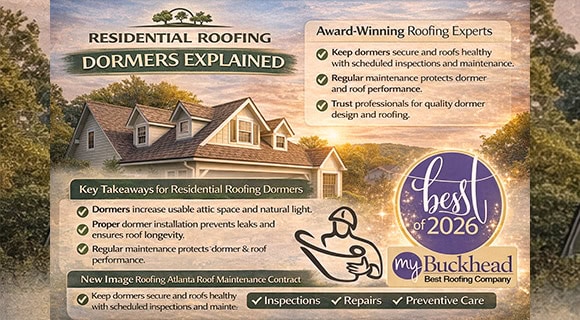
Key Takeaways for Residential Roofing Dormers

residential dormer information

Dormers represent both opportunity and responsibility within residential roofing. Understanding their function helps homeowners make decisions that support comfort, durability, and value.

  • Dormers increase usable interior space by modifying roof geometry. This allows attic areas to serve practical purposes such as bedrooms, offices, or living spaces. Without dormers, steep roofs often limit headroom and accessibility.
  • Installation quality determines long-term success. Structural framing must redirect loads properly while flashing systems manage water flow at complex intersections. Poor workmanship leads to leaks, rot, and repeated repairs.
  • Roofing materials and pitch compatibility matter. Dormer roofs interact with main roof sections through valleys and sidewalls. Shingle alignment, underlayment selection, and flashing integration protect vulnerable transition points.
  • Ventilation plays a critical role. Dormers change airflow patterns within attic spaces. Balanced ventilation prevents condensation, reduces heat buildup, and supports shingle longevity.
  • Preventive maintenance preserves dormer performance. Regular inspections identify early issues before they escalate. Maintenance contracts can provide predictable care, reducing emergency repair costs.
  • Professional expertise delivers measurable value. Experienced roofing contractors are familiar with local climate demands, building codes, and architectural requirements. This ensures dormers enhance roof systems rather than compromise them.
  • Recognition and reputation matter when selecting a contractor. Awards such as Best of Buckhead reflect consistent quality and client trust rather than isolated success.

Informed homeowners gain confidence. Knowledge permits homeowners to ask informed questions, evaluate proposals accurately, and protect long-term investment through proper planning.

residential dormer architecture

Dormers – Everything You Need To Know

This article explained what dormers are, how they integrate into residential roofing systems, and why proper installation and maintenance are crucial. Readers learned about structural framing, roofing techniques, ventilation considerations, and preventive care strategies related to dormers.

Applying this knowledge leads to improved interior comfort, enhanced curb appeal, stronger roof performance, and reduced long-term repair costs. Working with an experienced contractor ensures that dormers add value rather than risk.

When dormer design and maintenance are ignored, it can lead to leaks, structural stress, energy inefficiency, and costly repairs. Without proper understanding and professional support, minor issues escalate into major roofing failures.

Sources:
dallas.gov/departments/pnv/PublishingImages/Pages/Guides/DEFINITION%20OF%20DORMERS.pdf
copper.org/applications/architecture/arch_dhb/arch-details/flashings_copings/dormers.php

  New Image Roofing Atlanta

    2020 Howell Mill Rd NW Suite 232
Atlanta, GA 30318
(404) 680-0041