Tag Archive for: Roof Flashing

Is your leaking roof causing unsightly water damage and stains on your ceiling and walls? Understanding how your roof’s flashing and seals work in tandem with your roofing system helps you keep roof maintenance current and prevent nuisance leaks.

atlanta georgia residential roofing system flashing and seals

newimageroofingatlanta.com gathered essential information on how roof flashing, sealants, and boots prevent leaks. And how a maintenance program extends your roof’s lifespan.

Roof Flashing Types in Residential Roofing

Flashing acts as a directional barrier, guiding water safely off the roof and away from joints and intersections. It is most commonly made from aluminum, galvanized steel, or copper and installed where the roof surface meets vertical walls, chimneys, and roof valleys.

Step Flashing
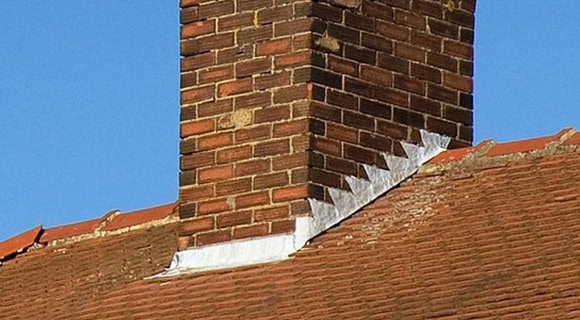
atlanta georgia residential roofing system chimney flashing and seals

Use: Applied where roofing meets vertical walls (around dormers and chimneys). Each piece overlaps the next, like steps, ensuring water flows downward.

Benefits:

  • Effective water redirection
  • Easily replaceable in sections

Drawbacks:

  • Requires careful installation
  • Misaligned pieces can cause leaks

Continuous (Apron) Flashing
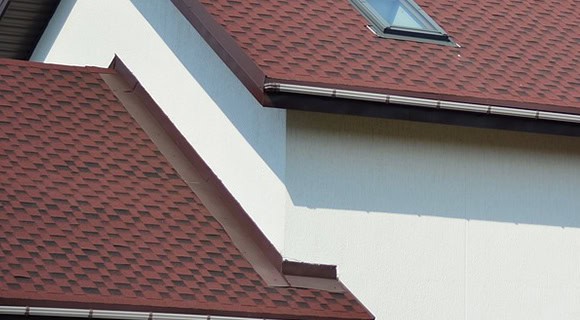
atlanta georgia residential roofing system continuous flashing and seals

Use: Sections of metal where the roof meets walls or chimneys.

Benefits:

  • Quick installation
  • Fewer pieces mean fewer potential weak points

Drawbacks:

  • Less flexible than step flashing
  • Prone to warping over time due to thermal movement

Valley Flashing
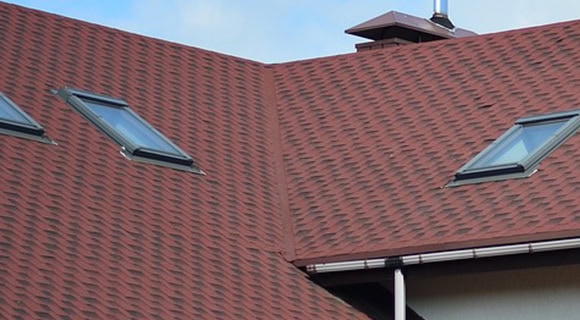
atlanta georgia residential roofing system valley flashing and seals

Use: Installed in valleys where two roof slopes meet, where water flow is most concentrated.

Benefits:

  • Provides durable protection in high-flow zones
  • Reduces buildup of debris and ice

Drawbacks:

  • Requires regular cleaning
  • Improper sizing may restrict water flow

Drip Edge Flashing
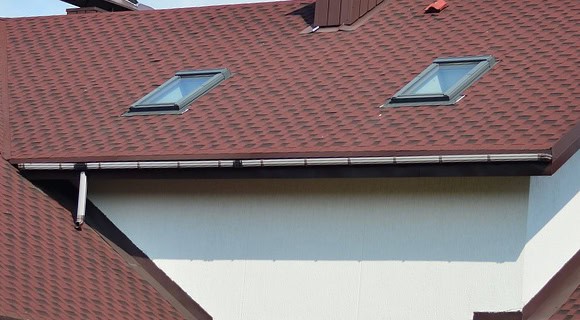
atlanta georgia residential roofing system drip edge flashing and seals

Use: Installed along eaves and rakes to protect the edges and guide water into gutters.

Benefits:

  • Prevents water from seeping under shingles
  • Protects fascia boards from rot

Drawbacks:

  • Often omitted on older roofs
  • Loosens when not securely nailed

Chimney and Skylight Flashing
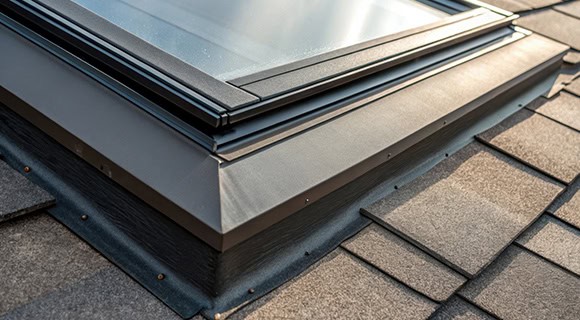
atlanta georgia residential roofing system skylight flashing and seals

Use: Custom-fit flashing designed to wrap around the base and sides of chimneys or skylights.

Benefits:

  • Critical for leak-prone features
  • Designed to adapt to unique shapes

Drawbacks:

  • Labor-intensive to install
  • Must be inspected regularly for separation or cracking

Roof Sealant Types
atlanta georgia residential roofing system seals

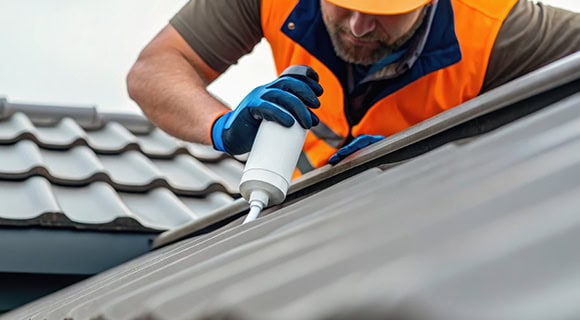
Sealants are flexible, weather-resistant compounds applied to fill joints, cracks, and gaps around flashing and other roofing features. They serve as a watertight backup system.

Silicone Sealants

Benefits:

  • Excellent UV resistance
  • Remains flexible in hot or cold climates

Drawbacks:

  • Not paintable
  • May be more expensive than other options

Urethane Sealants

Benefits:

  • Strong adhesion to various materials
  • Paintable and highly durable

Drawbacks:

  • Shorter lifespan under UV exposure
  • Requires a clean, dry surface for proper bonding

Acrylic Sealants

Benefits:

  • Cost-effective and easy to apply
  • Suitable for most climates

Drawbacks:

  • Shorter lifespan
  • May dry out and crack in extreme temperatures

Sealants complement flashing by sealing fine gaps, imperfections, or joints where water might infiltrate. Their flexible nature ensures that minor structural shifts or temperature changes don’t break the seal.

Residential Roof Penetration Boots
atlanta georgia residential roofing system penetration boot flashing and seals

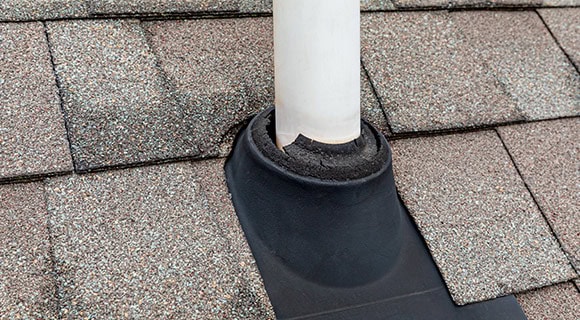
Penetration boots, also called pipe boots or flashing boots, surround vent pipes and plumbing penetrations.

Construction: Usually rubber or silicone collars fitted over pipes and sealed into the roof using metal flashing and adhesive.

Benefits:

  • Provide a waterproof seal around vent stacks
  • Flexible collar expands and contracts with weather

Drawbacks:

  • Rubber boots degrade under UV exposure
  • Should be inspected every 3–5 years

Boots fill a critical gap in roof protection. Without them, every vent pipe becomes a leak hazard.

How Flashing, Sealants, and Boots Prevent Leaks

Flashing redirects water away from weak points. Sealants fill gaps and cracks. Penetration boots seal around protrusions. Together, they create a watertight system designed to defend every vulnerable inch of a roof.

  1. Flashing is placed to overlap shingles and other roofing materials, creating a seamless path for water to flow away from walls, chimneys, and valleys.
  2. Sealants are applied where flashing meets surfaces (forming a continuous water barrier).
  3. Boots wrap around pipes and are tightly sealed into roofing layers, eliminating gaps where water could enter.

New Image Roofing Atlanta Maintenance Program
atlanta georgia residential roofing system flashing and seals maintenance

A professionally managed roof maintenance program ensures that flashing, sealants, and boots are inspected and maintained. At New Image Roofing Atlanta, our maintenance program is designed to extend the life of residential roofs by identifying potential failures before they result in leaks.

Here’s what homeowners can expect:

  • Bi-annual inspections to assess roof condition and document wear
  • Sealant touch-ups where weather or time has degraded existing materials
  • Flashing and boot replacement when rust, separation, or UV damage is found
  • Gutter and valley cleaning to maintain proper water flow

Many leaks develop slowly. Tiny cracks or separations in flashing and boots can go unnoticed until significant water damage occurs. We help homeowners avoid costly repairs and maximize roof lifespan. With regular maintenance, roofs that would fail after 15 years can often last 25 or more.

Key Considerations for Residential Roof Flashing, Boots, and Seals

Choosing flashing and sealant materials is only half the equation. Proper installation and inspections are essential to leak prevention.

1. Climate and UV Exposure:

Roofs in hot, sunny climates need materials that can resist intense UV rays. Silicone sealants and aluminum flashing perform well in these conditions, while rubber boots may degrade more quickly without UV protection.

2. Roof Slope and Drainage:

Low-slope roofs require robust flashing in valleys and seams as water moves slowly, increasing chances for seepage. Drip edges and fully sealed flashing should always be included in these systems.

3. Material Compatibility:

Mixing metals like copper and galvanized steel can result in galvanic corrosion. Installers must ensure all components are compatible and properly bonded.

4. Building Movement:

Temperature, soil conditions, and settling cause a home to shift. Sealants and boots must be flexible with these shifts. Silicone-based products provide superior elasticity.

5. Maintenance Intervals:

Flashing may last decades, but sealants and boots require attention every few years. Inspect roofs biannually (spring and fall are ideal).

6. Contractor Experience:

atlanta georgia residential roofing system flashing boots and seals

Improperly installed flashing can do more harm than good. Always hire qualified contractors with experience in your specific roofing.

Flashing, Seals, and Boots

In this article, you discovered essential information about how roof flashing, sealants, and penetration boots prevent leaks (and why a maintenance program can extend your roof’s lifespan).

A watertight roof is protected at every seam, slope, and pipe. Flashing, sealants, and boots are essential components in residential roofing. With thoughtful material selection, professional installation, and regular maintenance from trusted providers like New Image Roofing Atlanta, your roof can withstand a significantly longer lifespan.

Failure to maintain your roof’s flashing, sealants, and penetration boots can result in pesky leaks, unsightly water damage, and costly repairs.

Sources:
fema.gov/node/618044
basc.pnnl.gov/resource-guides/flashing-penetrations-existing-roofs
extension.umn.edu/protecting-home-rain-and-ice/sealing-roofs-walls-windows-and-doors-keep-water-out

  New Image Roofing Atlanta
 

    2020 Howell Mill Rd NW Suite 232
    Atlanta, GA 30318
    (404) 680-0041
 

Avoid costly water damage from your roofing system’s inability to shed rainwater. Understanding how a roof sheds rainwater will help you determine what to install or repair to prevent leaks and costly water damages.

Roofing systems shed water using slope gravity gutters and downspouts

New Image Roofing Atlanta gathered information on how low-slope (flat) and steep-sloped roofing systems are engineered to shed rainwater.

Low-Slope Roofing System Water Drainage

Low-slope roofing systems, common in commercial and industrial buildings, present unique challenges when addressing water drainage. Unlike steep-slope roofs that allow water to naturally flow down and off the roof, low-slope roofs require a more intentional approach to prevent ponding while ensuring drainage.

Note: Low-slope roofing can be EPDM, TPO, PVC, or BUR systems.

Gravitational Flow and Slope Design

Successful water drainage on low-slope roofing systems relies in gravitational flow. While these roofs have a slight incline, it is not as steep as in residential roofing systems.

Low-slope roofs are designed to combat water accumulation challenges, with a subtle slope to guide water toward drainage points.

A roof’s slope is carefully calculated during the design phase, ensuring water flows efficiently toward designated areas where drains, scuppers, and gutters are placed strategically. This intentional slope is critical in preventing pooling water (ponding), as ponding leads to structural damage, leaks, and accelerated wear on the roofing material.

Roof Drains, Scuppers, and Gutters

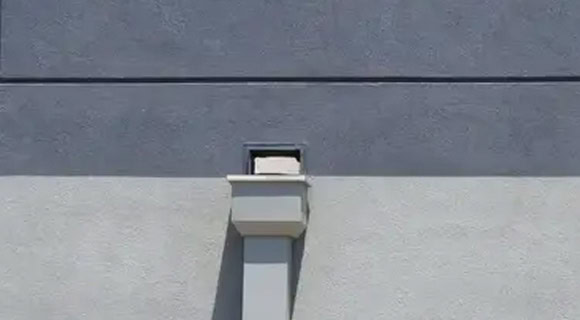
Scuppers help low slope roofing systems shed water

Roof drains, scuppers, and gutters are the most common and cost-effective drainage solution for flat roofs. These components catch and direct rainwater as it rolls off the roof’s edge and divert the water into downspouts that dispense it at a safe distance from the foundation of the building. Consider the following:

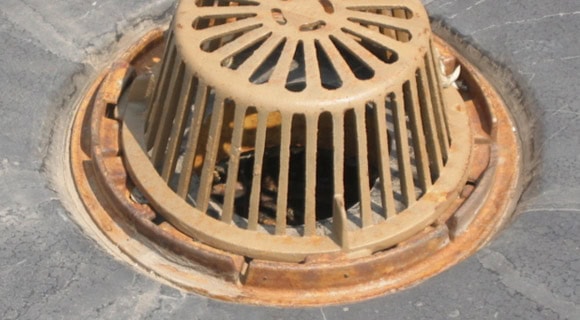
  • Roof drains are essential components of low-slope roofing systems. These drains are typically installed at the lowest points of the roof to collect and funnel water away. They connect to a network of pipes that direct the water down and away from the building’s foundation.
  • Scuppers are openings along the edges of the roof’s parapet walls that allow water to drain into a downspout or directly off the roof. They act as overflow channels during heavy rainfall or when debris blocks primary drainage points.
  • Gutters are crucial in low-slope roofing systems as they channel water from the roof’s surface to downspouts. Regular maintenance (like keeping gutters clear of debris) is fundamental in preventing water blockages.

Low slope roofing systems shed water using drains

Note: Drains running through a building or structure (internal drains) are serviced by a plumber when they experience blockages.

Residential Shingle Roofing Systems

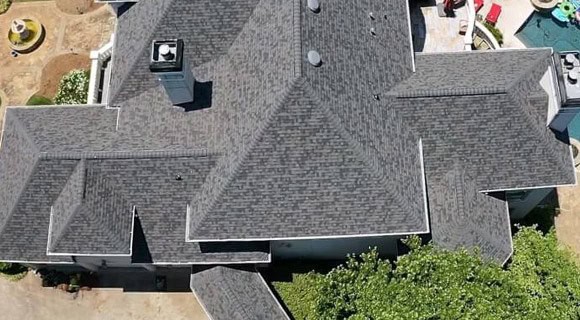
Roofing systems shed water using the roof slope and gravity

Residential shingle roofing systems with steeper slopes leverage gravity and the roofing materials’ natural properties to channel water efficiently. From asphalt to metal shingles, these systems shed water swiftly, preventing leaks and protecting the underlying structure.

Roof Slope and Gravity

The steep slope of residential shingle roofing systems is fundamental in their ability to shed water effectively. Gravity plays a significant role, pulling water downward and away from the roof’s surface. The slope’s angle, often significantly steeper than low-slope roofs, facilitates quick and efficient drainage.

The roof pitch is carefully calculated during the design phase to ensure optimal water shedding. While the primary purpose of this slope is to encourage water runoff, it naturally contributes to the structure’s aesthetic appeal, influencing its architectural style.

Visit this YouTube channel for informative roofing videos.

Overlapping Shingles and Surface Tension

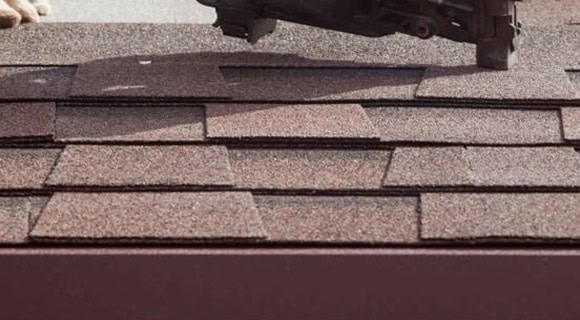
Roofing systems shed water using overlapping shingles

The materials used in residential shingle roofing systems are selected for their durability and ability to shed water. These shingles overlap, creating a seamless barrier that prevents water from infiltrating the roof.

Surface tension, the cohesive property of water molecules, aids in shedding water. As rainwater flows down the roof, it adheres to the shingle surface. The overlapping design encourages the water to travel downward, preventing it from seeping between the shingles and compromising the roof’s integrity.

Note: Exposed nails may sometimes provide additional reinforcement. When said nails are not sealed properly, they may begin to back out, allowing water infiltration and costly damages.

Tip: Read more about residential sloped roofing systems at newimageroofingatlanta.com/residential-roofing-what-you-need-to-know/

Eaves, Flashing, Drip Edges, Gutters, and Downspouts

Collecting rain water and carrying it away from your home’s walls and foundation is the roof’s drainage system (eaves, flashing, drip edges, gutters, and downspouts). This system prevents soil erosion and foundation damage. Consider the following sloped roof drainage components:

Eaves – Eaves (the roof’s edges that overhang the exterior walls), play a crucial role in water drainage. They provide additional protection by preventing water from running down the walls and causing severe damage. Eaves also contribute to the roof’s aesthetic appeal, defining its silhouette.

Eaves at the edge of a roofing system help it shed water

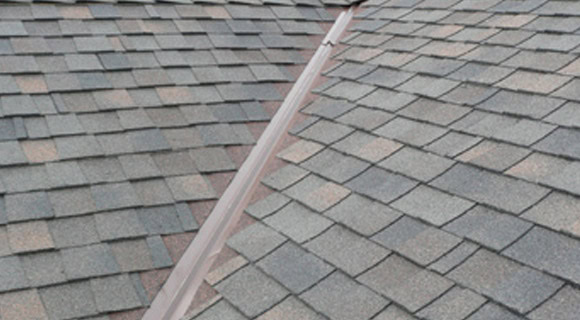
Flashing – Flashing (typically metal) is strategically installed in vulnerable areas like roof valleys, chimneys, vents, and other penetrations. Flashing acts as a water-resistant barrier, directing water away from these critical points and preventing leaks.

Roofing system flashing helps it shed water

Drip Edges – Drip edges, installed along the outer edges of the roof, guide water into the gutters and away from the fascia. They protect the underlying structure from water damage and help prevent issues like wood rot.

Drip edges shed water off the roof away from the structure

Gutter Systems – Gutters and downspouts play a vital role in roofing systems by channeling water from the roof and away from the foundation. Regular maintenance (including keeping gutters clear of debris) is fundamental to prevent blockages that interrupt water flow.

Roofing systems shed water using gutters and downspouts

Note: Gutters and downspouts must be properly sized to accommodate water runoff volume. If a structure’s gutters are too small, they overflow when heavy rain falls.

Tip: A maintenance plan can help detect and correct drainage issues in their infancy before developing into costly damages.

Roof Drainage Systems

In this article, you discovered how roofing systems drain rainwater and the components that efficiently divert the runoff from the structure, preventing water damage.

Knowing how a roofing system sheds rainwater will enable you to make informed decisions when installing, maintaining, or repairing your residential or commercial roofing system.

Ignoring your roof’s drainage system can lead to leaks, costly water damages, and challenging structural repairs.

Sources:
nps.gov/crps/tps/roofdown/connections.htm
ctahr.hawaii.edu/wq/publications/Final_FactSheets/RoofRunoff558.pdf
nachi.org/roof-drainage-systems-part1-23.htm
nachi.org/roof-drainage-systems-part2-24.htm

New Image Roofing Atlanta

2020 Howell Mill Rd NW Suite 232
Atlanta, GA 30318
(404) 680-0041