Tag Archive for: Roofing Contractors Near Me

Keep commercial roofing problems from turning into leaks and costly repairs. Knowing what commercial roofing problems to watch for and what action to take can prevent severe roof damage.

problems and solutions for commercial roofs

New Image Roofing Atlanta explores 11 reasons commercial roofs develop significant problems and how to efficiently solve them.

1. Ponding Water

ponding water problems and solutions for commercial roofs

  • Problem: Low spots or poor drainage cause water to pool for more than 48 hours after rainfall.
  • Solution: Regrade insulation, clear blocked drains, and install tapered insulation systems to promote water flow.

2. Damaged or Missing Flashing

damaged flashing problems and solutions for commercial roofs

  • Problem: Flashing seals the edges, penetrations, and transitions on a roof. Damaged flashing allows water to infiltrate.
  • Solution: Inspect flashing regularly and replace any sections showing cracks, warping, or separation.

3. Membrane Punctures or Tears

membrane tear problems and solutions for commercial roofs

  • Problem: Foot traffic, dropped tools, or debris can puncture a membrane, letting moisture penetrate.
  • Solution: Install walkway pads for foot traffic and repair punctures immediately with manufacturer-approved patches.

4. Clogged Roof Drains and Gutters

clogged drain problems and solutions for commercial roofs

  • Problem: Leaves, debris, and sediment block water flow, causing overflows and leaks.
  • Solution: Schedule regular drain and gutter cleanings to ensure continuous proper drainage.

5. Poorly Installed Roofing Materials

unsealed membrane seam problems and solutions for commercial roofs

  • Problem: Inexperienced installers may leave seams unsealed or components misaligned.
  • Solution: Hire certified, experienced commercial roofing contractors and conduct post-installation inspections.

6. Open Roof Seams

  • Problem: Seams between membrane sheets can loosen over time due to thermal expansion and contraction.
  • Solution: Seal open seams promptly using compatible adhesives or heat-welding methods.

7. Blistering or Bubbling in Roofing Materials

  • blistered membrane problems and solutions for commercial roofs
  • Problem: Trapped moisture or air beneath the membrane causes raised blisters that weaken the roof surface.
  • Solution: Remove blistered sections, repair the substrate, and reinstall the membrane (following the manufacturer’s specifications).

8. Damaged Roof Penetrations

penetrations problems and solutions for commercial roofs

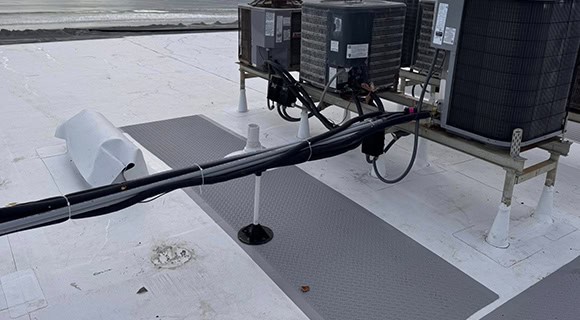
  • Problem: HVAC units, vents, skylights, and other penetrations are common issues when flashing or seals fail.
  • Solution: Inspect all penetrations during routine maintenance and reseal or replace components when deterioration appears.

Read more about commercial roof penetrations HERE.

9. Shrinking Roofing Membrane

  • Problem: Aging or poor-quality materials can shrink and pull away from edges and flashing.
  • Solution: Replace affected sections and upgrade to a higher-grade membrane with proper expansion capability.

10. Structural Movement

  • Problem: Building settling or structural shifting can crack roofing materials or break seals.
  • Solution: Use flexible roofing materials that can accommodate slight building movement and repair damaged areas quickly.

11. UV Damage and Weathering

weathered material problems and solutions for commercial roofs

  • Problem: Constant exposure to sunlight degrades roofing materials, making them brittle and prone to cracking.
  • Solution: Apply reflective roof coatings and replace damaged sections to extend the roof’s life.

New Image Roofing Atlanta Maintenance Contract
maintenance programs problems and solutions for commercial roofs

Preventive maintenance is the most effective way to avoid commercial roof problems. New Image Roofing Atlanta offers customized maintenance contracts designed to extend roof life, minimize repair costs, and prevent costly downtime.

A maintenance contract includes:

  • Scheduled Inspections – Professional inspections at least twice a year, plus after major weather events.
  • Detailed Reporting – Photos and written documentation outlining current roof conditions, needed repairs, and recommended upgrades.
  • Priority Service – Maintenance contract clients receive expedited scheduling for urgent repairs.
  • Preventive Repairs – Small issues (seam separation or minor punctures) are addressed before they lead to significant leaks.
  • Budget Planning – Annual maintenance reports help building owners forecast future roof expenses and plan capital improvements.

Routine maintenance under a professional contract ensures compliance with most manufacturer warranties and extends the lifespan of your roof.

Why Hire New Image Roofing Atlanta

bbb accredited contractor problems and solutions for commercial roofs

New Image Roofing Atlanta specializes in commercial low-slope roofing systems for businesses throughout the state of Georgia. By choosing our team, you benefit from:

Expertise in All Commercial Roof Types – TPO, PVC, EPDM, modified bitumen, and metal roofing systems.
Certified Installers – Our technicians are trained to meet or exceed manufacturer installation standards.
Advanced Diagnostic Tools – Infrared moisture scanning, drone inspections, and leak detection technology.
Commitment to Quality – We use only proven materials from trusted manufacturers.
Local Experience – We understand Atlanta’s climate challenges and design roofing solutions to withstand heavy rain, heat, and UV exposure.
BBB Accredited Business – New Image Roofing Atlanta is an accredited – A+ Rated – roofing contractor.

When you hire New Image Roofing Atlanta, you are not just getting a roof – you are getting a partner dedicated to keeping your building safe, efficient, and compliant with building codes.

Key Considerations for Commercial Roof Problems and Solutions

Commercial roofs face unique challenges due to their size, design, and exposure to harsh weather conditions. Identifying and addressing these problems quickly can save building owners thousands in repair costs and prevent operational disruptions.

1. Timely Detection is Crucial

Small leaks or cracks, if ignored, can quickly escalate into structural damage. Regular inspections detect issues like membrane punctures, ponding water, or flashing deterioration before they become emergencies.

2. Choosing the Right Materials

Different roofing systems offer varying levels of durability, weather resistance, and maintenance requirements. Selecting materials suited for the local climate and building usage ensures maximum lifespan and performance.

3. Preventive Maintenance is Cost-Effective

Implementing a consistent maintenance schedule reduces the frequency of major repairs and extends the service life of your roof. A maintenance plan typically includes inspections, debris removal, seam resealing, and cleaning drainage systems.

4. Skilled Contractors Make the Difference

The quality of installation and repair work directly impacts a roof’s performance. Hiring certified commercial roofing specialists guarantees that materials are installed to the manufacturer’s specifications and industry standards.

5. Documentation Protects Investments

Keeping detailed records of inspections, repairs, and upgrades supports warranty claims, insurance requests, and property valuation. It also helps track the roof’s condition over time.

Commercial Roof Leak Solutions

In this article, you discovered 11 of the most common commercial roof problems and the proven solutions for each, along with preventive maintenance strategies and contractor selection tips.

By acting quickly, working with experienced professionals, and following a consistent maintenance plan, you can protect your building from costly water damage, maintain structural integrity, and maximize the return on your roofing investment.

Neglecting roof issues or hiring unqualified contractors can lead to leaks, interior damage, mold growth, and premature roof failure, resulting in major repair expenses and potential business disruptions.

Sources:
gsa.gov/real-estate/historic-preservation/historic-preservation-policy-tools/preservation-tools-resources/technical-procedures/sources-of-flat-roof-failures-inspection-guidance
disastersafety.org/maintenance/how-to-inspect-and-maintain-your-commercial-roof

  New Image Roofing Atlanta
 

    2020 Howell Mill Rd NW Suite 232
    Atlanta, GA 30318
    (404) 680-0041

 

Prevent water from seeping under your shingles, rotting the wood beneath, and ruining your fascia boards. Understanding what a drip edge is, why it matters, and how to maintain it can protect your home from costly water damage while significantly extending your roof’s lifespan.

drip edge residential roofing system

newimageroofingatlanta.com gathered information about multiple drip edge types, materials, installation, and maintenance strategies to help homeowners make informed decisions.

What Is a Drip Edge?

A drip edge is a narrow metal flashing element installed along the edges of a roof (its primary purpose is to direct rainwater away from the fascia and underlying roof components into the gutters). Without it, water can run under the shingles and into the roof deck, leading to rot, mold, and structural deterioration.

Drip edges are typically installed at the eaves and rake edges of a roof, forming a barrier that prevents capillary action (when water travels upward under shingles) and blocks wind-driven rain from entering beneath the roofing materials. They also help guide water directly into gutters, improving drainage efficiency during heavy storms.

Why a Drip Edge Is Important for Your Residential Roofing System

  1. Prevents Water Damage – Keeps rainwater from seeping under shingles and damaging the roof deck and fascia boards.
  2. Protects Fascia and Soffit – Stops water from dripping behind gutters and rotting the wooden components of your roofline.
  3. Extends Roof Lifespan – Prevents moisture-related deterioration that can shorten the life of shingles and underlayment.
  4. Improves Gutter Function – Directs water precisely where it needs to go, reducing overflow and erosion.
  5. Meets Building Codes – Many states and municipalities require drip edges for new roof installations.

Types of Drip Edges

drip edge types residential roofing system

  • Type C (L-shaped) – A simple 90-degree bend that lies flat on the roof deck and extends downward along the fascia. Common in older installations and used in areas with mild weather conditions.
  • Type D (T-style) – Features a pronounced outward kick that pushes water further away from the fascia. Ideal for regions with heavy rainfall.
  • Type F (Gutter Apron) – Extends further over the roof edge and into the gutter, often used during gutter installations. Excellent for retrofitting existing roofs without drip edges.

Drip Edge Materials

  • Aluminum – Lightweight, rust-resistant, and available in many colors to match the roof trim. Ideal for most residential applications.
  • Galvanized Steel – Stronger than aluminum and coated for rust resistance. Works well in areas with high wind or heavy snow.
  • Copper – Highly durable, corrosion-resistant, and visually appealing, but more expensive. Common in high-end or historic homes.
  • Vinyl or PVC – Less common for drip edges but sometimes used in coastal areas due to saltwater corrosion resistance.

New Image Roofing Atlanta Maintenance Contract

drip edge residential roofing system mainttenance

A drip edge is only effective when it remains intact and sealed. Over time, storms, ice, and wind can loosen or corrode it, compromising your roof’s defense against water.

With a New Image Roofing Atlanta maintenance contract, you receive:

  • Comprehensive Inspections – Twice-yearly roof checks, plus post-storm evaluations to detect early damage.
  • Detailed Condition Reports – Including photos, descriptions, and recommendations for proactive repairs.
  • Preventive Repairs – Addressing loose or damaged drip edge sections before they lead to leaks or wood rot.
  • Priority Service – Maintenance clients receive expedited scheduling for urgent repairs.
  • Gutter and Edge Cleaning – Clearing debris to ensure drip edges and gutters function correctly.

This contract not only preserves your drip edge but also safeguards the entire roofing system, extending its service life and preventing unexpected repair bills.

Why Hire New Image Roofing Atlanta

drip edge residential roofing system bbb accredited

Choosing an experienced roofing contractor ensures your drip edge is installed and maintained to the highest standard. New Image Roofing Atlanta provides:

  • Expert Installation – Every drip edge is cut, fitted, and fastened according to manufacturer guidelines and local building codes.
  • High-Quality Materials – We utilize premium-grade aluminum, steel, or copper to match your roof’s needs.
  • Thorough Inspections – Our team checks every linear foot of your roof’s edge to verify full protection against water intrusion.
  • Local Expertise – We understand Atlanta’s climate and tailor solutions to withstand heavy rain, wind, and humidity.
  • Proven Track Record – Years of successful residential roofing projects and satisfied customers across Georgia.
  • BBB Accredited Business – New Image Roofing Atlanta is an accredited – A+ Rated – roofing contractor.

When you hire New Image Roofing Atlanta, you get a roofing partner committed to protecting your home with precision, reliability, and care.

Key Considerations for Residential Roof Drip Edge

drip edge installation residential metal roofing system

Drip edges might appear to be a minor detail, but they are one of the most important components in a weatherproof roofing system. Here are some factors homeowners should keep in mind:

1. Proper Installation Matters

Even the best materials will fail if installed incorrectly. The drip edge must be placed beneath the underlayment at the rake edges and above it at the eaves to ensure proper water flow.

2. Regular Inspections Prevent Major Repairs

Loose fasteners, corrosion, or gaps in sealant can lead to water infiltration. An annual inspection can detect these small issues before escalating.

3. Material Choice Impacts Longevity

If your home is in a coastal or high-moisture area, choose corrosion-resistant materials (aluminum or copper). For high-wind zones, opt for heavier-gauge steel.

4. Integration With Gutters Is Critical

A drip edge that is not correctly aligned with gutters can cause water to bypass them, leading to soil erosion and foundation damage.

5. Building Codes Require Compliance

Many jurisdictions have strict requirements for drip edges. Non-compliance can result in delays during property sales or winning insurance claims.

Watch this video for a brief description of insurance deductibles.

A well-installed and maintained drip edge provides decades of protection, prevents expensive water damage, and ensures your roof meets both performance and code requirements.

Residential Roof Drip Edge

In this article, you discovered drip edges, their various types, the materials available, and how proper installation and maintenance protect your residential roof from costly water damage.

With a high-quality drip edge and a professional maintenance plan, you can enjoy a longer-lasting roof, improved gutter performance, and peace of mind knowing your home’s structure is protected from the elements.

Neglecting a drip edge or failing to repair damages can lead to rot, mold, structural weakening, and expensive repairs that could have been avoided with routine maintenance.

Sources:
asphaltroofing.org/installation-of-drip-edge-at-eaves-and-rakes
asphaltinstitute.org/engineering/asphalt-roofing

  New Image Roofing Atlanta
 

    2020 Howell Mill Rd NW Suite 232
    Atlanta, GA 30318
    (404) 680-0041
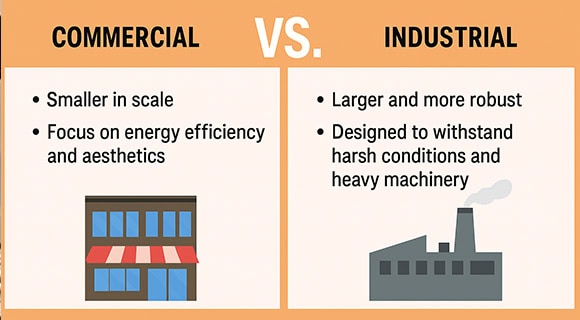
 

Avoid indecision when it is time to install or replace your commercial flat roof in Atlanta, Georgia. Understanding the roof installation process, materials, and maintenance needs is essential for a long lifespan. A professional roofing partner ensures your investment remains protected from the elements while maximizing energy efficiency and structural integrity.

commercial low slope roof installation

New Image Roofing Atlanta explores the commercial low-slope roof installation process, types of roofing systems, and why choosing the right contractor (like New Image Roofing Atlanta) matters.

Low-Slope Roof Inspection and Replacement Quote

The process begins with a thorough inspection to evaluate current roof conditions. Roofing professionals look for signs of ponding water, membrane blistering, seam separation, flashing deterioration, and underlying structural concerns.

After documenting problem areas and measuring total square footage, the contractor prepares a detailed replacement quote. This estimate outlines material recommendations, labor costs, disposal fees, insulation upgrades, and warranty options. Transparency at this stage ensures building owners can make informed decisions that meet both budget and performance goals.

Tear-Off and Roof Deck Preparation

commercial low slope roof installation deck preparation

Once the quote is approved, the tear-off phase begins. The old membrane, insulation, and flashings are carefully removed to expose the roof deck. If damage to the decking is discovered, repairs or full replacement are made before installation continues.

Deck preparation includes:

  • Cleaning and drying surfaces
  • Inspecting for ponding or slope issues
  • Installing new insulation to meet R-value standards
  • Laying a vapor barrier when needed

This foundation sets the stage for a watertight and energy-efficient roofing system.

Low-Slope Roof Installation Process

commercial low slope roof membrane installation parapet wall

The selected membrane system is installed (by the manufacturer’s guidelines and local codes). Installation methods vary based on the system type – mechanically fastened, fully adhered, or ballasted.

Key steps include:

  • Rolling out membrane sheets
  • Sealing seams using heat welding or adhesive
  • Installing edge metal, flashings, and penetrations
  • Performing quality checks and leak testing

A well-installed low-slope roof protects against wind uplift, thermal expansion, and water intrusion.

Watch this video to see a completed New Image Roofing Atlanta commercial TPO low-slope roof installation.

Flat Roof System Types

Selecting an appropriate roofing system determines its performance and cost-efficiency. Below are four common systems used for commercial low-slope applications:

1. TPO (Thermoplastic Polyolefin)

commercial low slope roof installation tpo thermoplastic polyolefin

Installation Time: 3–7 days (depends on building size)
Lifespan: 15–20 years

Advantages: Reflective surface lowers cooling costs, heat-welded seams resist leaks, and recyclable material
Disadvantages: Vulnerable to punctures if walked on frequently

Maintenance: Annual inspection, seam check, debris removal

2. EPDM (Ethylene Propylene Diene Monomer)

commercial low slope roof installation epdm membrane

Installation Time: 4–8 days
Lifespan: 20–25 years

Advantages: Durable rubber membrane, excellent UV resistance, low material cost
Disadvantages: Seams sealed with adhesive instead of welding, which may degrade over time

Maintenance: Regular inspection of seams and patches

3. PVC (Polyvinyl Chloride)

commercial low slope roof installation pvc membrane

Installation Time: 3–6 days
Lifespan: 20–30 years

Advantages: High chemical resistance, fire resistance, and energy-efficient
Disadvantages: More expensive than TPO or EPDM, may become brittle over decades

Maintenance: Biannual checks, cleaning, and fastener inspection

4. Modified Bitumen

commercial low slope roof installation modified bitumen

Installation Time: 4–9 days
Lifespan: 15–25 years

Advantages: Multiple installation options (torch, cold adhesive, self-adhered), strong resistance to tears
Disadvantages: Labor-intensive, may require special equipment

Maintenance: Inspections after storms, resealing of seams

New Image Roofing Atlanta Maintenance Programs

commercial low slope roof installation expert maintenance

Every roofing system, regardless of its durability, benefits from proactive care. New Image Roofing Atlanta offers comprehensive commercial maintenance programs that extend a roof’s lifespan, reduce repair costs, and protect building assets.

Program features include:

  • Scheduled inspections (semi-annual or quarterly)
  • Cleaning of drains, gutters, and roof surfaces
  • Minor repairs to seams, flashings, or punctures
  • Detailed condition reports and photos
  • Storm damage assessments and insurance assistance

This maintenance plan minimizes surprises and ensures the roof’s performance remains consistent through Georgia’s hot summers and wet winters.

Why Choose New Image Roofing Atlanta 404-680-0041

commercial low slope roof installation bbb accredited roofer

New Image Roofing Atlanta has a reputation for quality workmanship, responsiveness, and commercial expertise. With a team trained in the latest flat roofing systems, they guide each project from inspection to final walk-through with professionalism and care.

Reasons to work with New Image Roofing Atlanta:

  • Expertise and Experience – New Image Roofing Atlanta brings years of experience and a team of highly trained professionals to every project. Their expertise ensures that every repair or replacement is done right the first time.
  • Commitment to Quality – New Image Roofing Atlanta delivers lasting results with top-tier materials and state-of-the-art techniques.
  • Customer-Centric Approach – The company prioritizes clear communication from start to finish, ensuring homeowners feel informed and confident throughout the process.
  • Comprehensive Services – Whether you need a minor repair, a replacement, or a maintenance program, New Image Roofing Atlanta has you covered.
  • BBB Accredited Business – New Image Roofing Atlanta is an accredited A+ rated roofing contractor.

Whether managing a retail space, warehouse, or office complex, property owners trust New Image Roofing Atlanta to deliver durable solutions on schedule and within budget.

Key Considerations for Commercial Low-Slope Roof Installation

1. Roof Slope and Drainage

Low-slope roofs require proper drainage to prevent ponding, which accelerates material wear and leaks. Ensure slopes meet minimum design requirements and install internal or scupper drains where needed.

2. Building Usage

Choose roofing systems based on usage. Restaurants, for example, may require PVC due to its chemical resistance. Offices may benefit from reflective TPO for energy savings.

3. Insulation Performance

Improving R-value during roof replacement helps reduce heating and cooling costs. Consider polyiso insulation or tapered systems to increase energy efficiency and drainage.

4. Local Climate

In Georgia, the hot summers, high humidity, and severe thunderstorms require robust roofing that can effectively handle thermal cycling and water. Select systems with proven performance in regional conditions.

5. Budget and Warranty

While initial cost matters, consider total lifecycle costs. Some systems offer extended warranties, lower maintenance needs, or utility savings that outweigh the upfront expense.

6. Contractor Reputation

Partner with a contractor that stands behind their work, offers warranties, and communicates clearly. Read reviews, check references, and verify licensing and insurance.

7. Post-Installation Support

A strong warranty and maintenance agreement will protect the investment. Select a contractor offering long-term service and annual evaluations.

commercial low slope roof installation material preparation

Commercial Flat Roof Installation

In this article, you discovered the commercial low-slope roof installation process, types of roofing systems, and why partnering with the right roofing contractor (like New Image Roofing Atlanta) matters.

Partnering with New Image Roofing Atlanta ensures your Georgia business stays protected, efficient, and secure. With our company, you get detailed planning, expert installation, and long-term care (with trusted materials, proven installation and maintenance systems, and a dedicated roofing team).

Your choices matter. Working with inexperienced or underqualified commercial roofers can result in a leaking roof, paralyzed business operations, a voided warranty, and costly repairs.

Sources:
basc.pnnl.gov/resource-guides/low-slope-flat-roofs
fema.gov/sites/default/files/documents/fema_p-2181-fact-sheet-3-3-2-roof-systems-low-slope-roofs.pdf

  New Image Roofing Atlanta
 

    2020 Howell Mill Rd NW Suite 232
    Atlanta, GA 30318
    (404) 680-0041
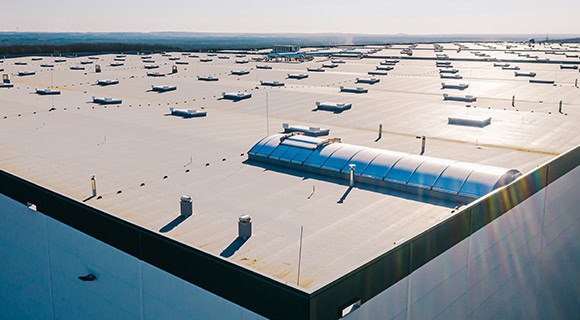
 

Are you frustrated with a leaking roof, damaged insulation, and mold growth? Understanding what causes roof leaks (and how to stop them) can help prevent costly repairs and protect property value.

causes and repairs for roof leaks

newimageroofingatlanta.com gathered essential information about roof leak causes in Georgia homes, explains the warning signs, preventative steps, and when it is time to call a professional roofer.

1. Wind Damage

causes and repairs for roof leaks wind damaged shingles

High winds can lift or remove shingles, exposing the underlayment and decking to moisture. Missing shingles leave open pathways for rainwater to seep through the roof system.

2. Hail Damage

Hailstones can bruise shingles or crack tile, creating hidden entry points for water. Even minor hail impacts can compromise a roof’s surface over time.

Read more about hail damage detection and getting it repaired HERE.

3. Moss Damage

Moss traps moisture against the roof surface and pushes under shingles as it grows. Over time, this leads to water penetration and rot.

4. Water Damage

Prolonged exposure to rainwater weakens flashing, loosens nails, and saturates underlayment. Eventually, moisture gets into ceilings and walls.

5. Ice Damage

causes and repairs for ice dam roof leaks

Ice dams form when snow melts and refreezes at the roof’s edge, blocking proper drainage. This backup forces water under shingles and into the home.

6. UV and Heat Damage

Constant sun exposure dries out roofing materials, causing them to crack, curl, or blister. Weakened surfaces allow rain to seep through even in light storms.

7. Structural Damage

Sagging roofs, uneven planes, or warped decking compromise water flow and cause pooling. Poor support may also lead to additional roof damage during wind or snow events.

8. Flashing Damage

causes and repairs for roof leaks penetration boot

Flashing around chimneys, skylights, and vents directs water away from critical seams. When flashing loosens or corrodes, water finds easy access into interior spaces.

Read more about flashing, boots, and seals at newimageroofingatlanta.com/residential-roof-leak-prevention-flashing-and-seals

9. Tree Damage

causes and repairs for roof leaks tree fell on roof

Overhanging branches scratch and wear down shingles while falling limbs puncture the roof. Even leaves and debris contribute to water backup and decay.

For tree pruning, risk assessment, or removal, call New Image Tree Solutions at 404-680-0041 for a free consultation and estimate.

10. Pest Damage

Rats, squirrels, birds, and insects chew through roofing components to build nests or gain access indoors. Their tunneling or nesting weakens protection layers and leads to water entry.

11. Mechanical Damage

Rooftop equipment, foot traffic, and DIY repairs can dislodge materials or leave gaps. Improper installation of HVAC or satellite dishes also creates vulnerabilities.

When roof damage warrants an insurance claim, watch this video for more information about how deductibles work.

Preventive Measures for Roof Leak Causes

Stopping leaks starts with regular maintenance and observation. These steps can significantly reduce the risk of sudden roof failure:

  • Inspect shingles after major storms
  • Clean gutters and downspouts every season
  • Remove overhanging tree branches near the roofline
  • Use zinc or copper strips to prevent moss buildup
  • Seal flashings and joints annually
  • Apply reflective coatings to combat UV damage
  • Schedule annual professional roof inspections
  • Ensure proper attic insulation and ventilation to avoid ice damming
  • Use pest deterrents and inspect for wildlife entry points

Being proactive instead of reactive can save thousands in damage repairs and keep a home protected year-round.

When to Call a Roofer

Some minor leaks can be managed temporarily, but many require immediate professional attention. Call a roofer if:

  • There are water stains on the ceiling or walls
  • Shingles are missing, broken, or curled
  • Flashing appears loose or deteriorated
  • There’s visible sagging or pooling on the roof
  • Mold or mildew develops in the attic
  • Storm debris has impacted the structure
  • Ventilation appears inadequate or blocked

A licensed roofer can identify the source of leaks, recommend solutions, and ensure that repairs are long-lasting and compliant with local codes.

New Image Roofing Atlanta Maintenance Programs

causes and repairs for roof leaks maintenance

New Image Roofing Atlanta offers preventive maintenance programs tailored to local homes and weather conditions. Regular inspections and service appointments are scheduled to identify wear and vulnerabilities before roof damage escalates. Each maintenance program includes:

  • Full roof inspection with written condition report
  • Clearing of debris from the roof surface and gutters
  • Resealing of flashing and exposed fasteners
  • Identification of minor roof damage before it turns into a leak
  • Recommendations for improvements or needed repairs

A maintenance program provides peace of mind, protects against seasonal hazards, and extends the life of a roofing system. For busy homeowners or commercial properties, it’s a cost-effective way to avoid unexpected roofing failures.

Why Choose New Image Roofing Atlanta

bbb accredited roofer causes and repairs for roof leaks

New Image Roofing Atlanta brings decades of local experience, top-tier materials, and a skilled team of certified professionals. From minor repairs to full roof replacements, the company provides the highest quality, reliability, and customer satisfaction.

Key reasons to work with New Image Roofing:

  • Prompt response to emergencies and storm damage
  • Expertise in asphalt, metal, and flat roof systems
  • Fully insured and licensed for residential and commercial work
  • Transparent pricing and detailed written estimates
  • Maintenance programs designed to extend roof life
  • BBB Accredited Business – New Image Roofing Atlanta is an accredited (A+ Rated) roofing contractor.

Whether dealing with minor leaks or preparing for the severe weather season, New Image Roofing Atlanta delivers dependable results and long-term protection.

Key Considerations for Roof Leak Causes and Solutions

Not every leak stems from dramatic storm damage. Often, roof failures result from gradual wear, overlooked maintenance, or minor issues that escalate over time. That’s why routine inspection and upkeep are so important.

Early Detection Is Critical

Detecting minor issues (like lifted shingles, rusted flashing, or slow-draining gutters) can prevent leaks from forming in the first place. Homeowners should walk their property and look up at the roofline after each storm. Signs such as dark spots on ceilings or granules in gutters suggest shingle damage that needs attention.

Different Roofing Materials Require Different Care

Metal roofs may be more resistant to hail, but seams and fasteners must be checked regularly. Asphalt shingles are vulnerable to curling, loss of granules, and UV damage. Flat roofs demand vigilant monitoring for pooling water and cracks. Understanding how to care for each material increases a roof’s effectiveness and lifespan.

Prevention Saves Money

A roof leak often means more than a small patch job. Once water enters a home, insulation, drywall, flooring, and even electrical systems are at risk. Taking the time to maintain the roof can avoid thousands in repair bills and months of disruption.

Work With Experts

Professional roofers possess the tools and knowledge to assess and fix problems that may not be visible to the untrained eye. They also offer warranties and stand behind their work, giving homeowners added assurance. For residents of Roswell, Atlanta, and surrounding communities, New Image Roofing Atlanta is a dependable, experienced choice.

causes and repairs for roof leaks replacement

Reasons Your Roof Leaks

In this article, you discovered information about 11 reasons roofs leak in Georgia homes, warning signs, preventative steps, and when it is time to call a professional roofer.

Partnering with a trusted roofing provider like New Image Roofing Atlanta ensures you stay ahead of roof damage and enjoy peace of mind through every season.

Ignoring minor leaks and roof irregularities will lead to significant issues, requiring costly and time-consuming repairs.

Sources:
nrcia.org/understanding-roof-leaks-causes-signs-and-effective-solutions
blogs.oregonstate.edu/piperde/2023/06/20/roof-maintenance-tips-to-make-a-roof-last-longer

  New Image Roofing Atlanta
 

    2020 Howell Mill Rd NW Suite 232
    Atlanta, GA 30318
    (404) 680-0041