
Severe storms can turn a normal business day into a costly emergency. Roof leaks, damaged exterior walls, fallen trees, broken windows, and power interruptions can threaten employees, inventory, equipment, and daily operations. Knowing how to respond quickly, coordinate qualified contractors, and prevent further damage can help commercial property owners reduce downtime, control repair expenses, and restore their buildings safely.
 New Image Roofing Atlanta gathered information on commercial storm damage recovery to help business owners, property managers, and facility operators understand severe weather risks in the Atlanta region and the Southeast. This guide explains common storm-related problems, immediate recovery steps, preventive maintenance solutions, and how New Image Roofing Atlanta works alongside trusted service partners to provide local repair services backed by broader regional resources.
Key Takeaways for Commercial Storm Damage Recovery
 Respond quickly after severe weather. Storm damage can worsen when rain enters a building through compromised roofing, damaged flashing, broken windows, or openings around rooftop equipment. Prompt inspections and temporary protection can help limit water intrusion, interior deterioration, and business interruptions.
Prioritize employee and visitor safety. Before resuming normal operations, evaluate hazards such as exposed electrical wiring, unstable building materials, hanging tree limbs, standing water, and structural damage. Restrict access to dangerous areas and contact qualified professionals when conditions require specialized assessment.
Document damage before permanent repairs begin. Photographs, videos, inspection notes, repair estimates, and records showing damaged equipment or inventory can help organize recovery efforts. Notify your insurance carrier promptly and follow its documentation requirements. Avoid discarding damaged materials before documenting them.
Protect the building from additional damage. Temporary roof tarps, professionally installed emergency coverings, board-up services, and appropriate water mitigation can reduce exposure while permanent repairs take place. Perform temporary measures safely and remember, they don’t replace a complete inspection.
Coordinate multiple services whenever possible. Commercial storm recovery may involve roofing contractors, electrical specialists, tree crews, and general construction professionals. New Image Roofing Atlanta partners with New Image Line Solutions, New Image Tree Solutions, New Image Roofing Florida, and D&D Village Construction to help coordinate services across affected communities.
Use preventive maintenance to reduce future risks. Regular roof inspections, drainage checks, flashing evaluations, and timely repairs can identify vulnerabilities before another storm arrives. Maintenance records also help property managers understand recurring problems and plan expenditures.
Plan for business continuity. Establish procedures that protect employees, secure sensitive equipment, relocate essential operations, and communicate with tenants or customers. Having a recovery plan before a storm can reduce confusion when coordinating multiple contractors and insurance representatives.
Choose experienced commercial roofing professionals. A commercial roof protects valuable assets and supports daily business operations. Hiring a qualified contractor helps property owners identify damage, choose repair methods, and determine whether repairs or replacement are appropriate.
A successful recovery strategy combines immediate protection, organized documentation, qualified repairs, and long-term maintenance. Following these steps helps commercial property owners restore operations more efficiently while reducing the likelihood that overlooked damage will become a larger expense.
How Storms Damage Commercial Properties in Atlanta
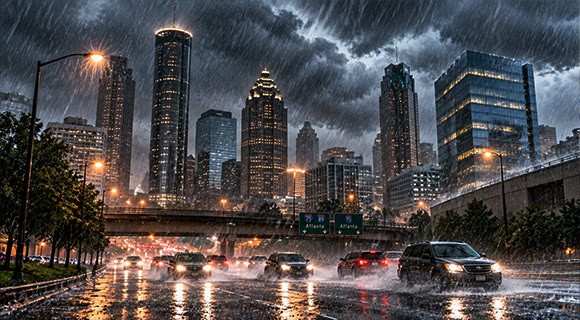 The Atlanta metropolitan area experiences thunderstorms, strong wind gusts, heavy rainfall, hail, and occasional tornado-producing weather systems. Tropical systems moving inland from the Gulf Coast or Atlantic Ocean can also bring substantial rainfall and damaging winds to Georgia. These conditions can affect multiple neighborhoods and commercial districts, creating a sudden demand for roofing, tree removal, electrical, and construction services.
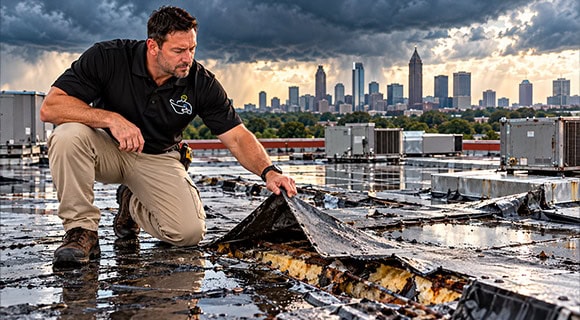
Commercial roofing systems are more vulnerable because they cover larger areas and contain multiple components working together. Wind can loosen membrane edges, damage metal panels, lift shingles, and compromise flashing around rooftop penetrations. Hail can bruise or puncture certain roofing materials, and wind-driven debris can create openings that allow water into the building.
Heavy rainfall creates additional problems when roof drains, gutters, scuppers, or downspouts become clogged or overwhelmed. Water may collect on low-slope roofs, enter through damaged seams, or travel into insulation and ceiling assemblies. Even a relatively small leak can damage inventory, electrical equipment, computers, documents, and interior finishes.
Structural damage can extend beyond roofing. Strong winds may damage siding, fascia, exterior doors, windows, loading dock areas, and wall assemblies. If water reaches concealed building materials, moisture can remain trapped and contribute to deterioration or microbial growth. A prompt professional assessment helps identify visible damage and potential problems that may not be immediately apparent.
Watch this video to see how severe wind ripped an awning from the front of a commercial building (depositing it intact on the roof).
Trees and electrical infrastructure also play an important role in commercial storm recovery. Fallen limbs can strike roofs, block entrances, damage vehicles, and obstruct emergency access. Downed power lines can create life-threatening hazards, while utility interruptions may disable security systems, refrigeration, computer networks, and essential equipment.
Because these problems often occur together, commercial recovery requires more than a roofing repair alone. Property owners benefit from a coordinated response that addresses the building envelope, surrounding trees, electrical hazards, and related construction needs.
What to Do Immediately After Commercial Storm Damage
 Once severe weather passes, assess conditions from a safe location. Do not enter areas with suspected structural instability, standing water near electrical equipment, exposed wiring, or other serious hazards. If there is an immediate threat to life or safety, contact emergency services.
Next, contact your property manager, insurance carrier, and appropriate repair professionals. A commercial roofing contractor can inspect accessible roofing components and identify damage requiring urgent protection. If trees have fallen or large limbs are suspended above a building, qualified tree professionals should evaluate the situation. Electrical hazards must be handled by the utility provider or licensed electrical professionals, as appropriate.
Document visible damage with photographs and written notes. Record the date and approximate time the damage occurred, the affected building areas, damaged equipment, and any steps taken to prevent further loss. Keep receipts for emergency services and temporary protection. Your insurer can explain applicable policy requirements, deductibles, deadlines, and procedures for obtaining approval before permanent work begins.
Temporary measures may include professionally installed tarps, temporary roof coverings, water removal, or securing exposed openings. These actions can limit additional damage while planning permanent repairs. Avoid climbing onto a wet or damaged commercial roof, especially during unstable weather.
Finally, develop a recovery schedule. Determine which areas can remain operational, which require restricted access, and which repairs must be completed before employees or customers return. Clear communication helps tenants, staff, vendors, and customers understand changing access arrangements and expected service interruptions.
Coordinated Recovery Across the Southeast and Florida
 Large storms can overwhelm local contractors, particularly when damage affects several counties or states. New Image Roofing Atlanta works with complementary service partners to help commercial property owners access a broader range of recovery resources.
New Image Roofing Atlanta provides roof inspections, repairs, replacements, and maintenance support for commercial and residential properties. Its role in storm recovery efforts includes roof evaluations, identifying potential water entry points, and recommending appropriate repairs based on observed conditions and roofing system requirements.
New Image Line Solutions can support recovery needs involving its line-service capabilities. When storm damage affects electrical infrastructure or utility-related systems, property owners should coordinate with the appropriate utility provider and qualified professionals. Work involving energized lines or electrical hazards should only be handled by authorized personnel.
New Image Tree Solutions supports recovery involving hazardous trees, damaged limbs, tree removal, pruning, and related property hazards. Removing storm-damaged vegetation can help restore access, address dangerous hanging limbs, and reduce ongoing risks around commercial buildings. Tree work near utility lines requires coordination with the responsible utility and qualified crews.
New Image Roofing Florida extends roofing services to Florida, where tropical storms, hurricanes, wind-driven rain, and intense seasonal weather create property protection challenges. Florida commercial properties may require prompt roof assessments, temporary protection, and repairs suited to local building conditions and applicable requirements.
D&D Village Construction provides construction support for recovery projects that extend beyond roofing. Depending on project scope and service availability, construction professionals may help address damaged building components, exterior elements, and other repairs needed to restore a property.
Together, these businesses provide a coordinated service network to connect property owners with relevant local capabilities and broader regional resources. Confirm service availability, licensing requirements, project scope, and scheduling directly with each provider. Coordinating work through appropriate professionals can simplify communication and keep recovery priorities organized.
New Image Roofing Atlanta Roof Maintenance Solutions
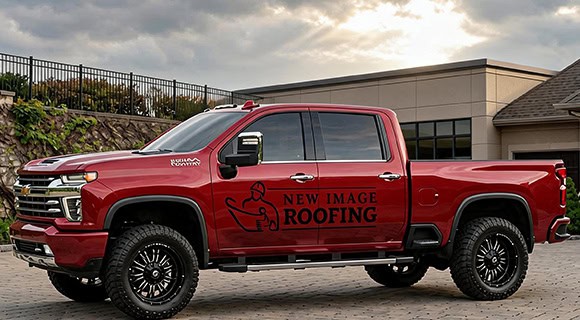 Preventive maintenance is an important part of commercial property management. No maintenance program can eliminate storm damage; regular inspections and timely repairs can identify weaknesses before severe weather exposes them.
New Image Roofing Atlanta Roof Maintenance Solutions focus on maintaining roof performance and identifying conditions that may require attention. A suitable maintenance plan can be tailored to roof type, building use, age, exposure, drainage design, and manufacturer requirements.
Routine inspections should evaluate roof membranes or shingles, seams, flashing, penetrations, edge metal, and transitions around rooftop equipment. Inspectors should also look for loose components, punctures, deteriorated sealants, corrosion, and evidence that water has entered the building. Check roof drains and other drainage components for blockages that could prevent water from leaving the roof efficiently.
Maintenance should include gutters, downspouts, and accessible areas where debris can accumulate. Rooftop equipment contractors may need to coordinate with roofing professionals when service work affects flashing, supports, or membrane surfaces. After major storms, an additional inspection can help identify damage that developed between scheduled maintenance visits.
Commercial property owners should retain inspection reports, photographs, repair invoices, and records showing completed maintenance. These documents provide a useful history for budgeting, evaluating recurring problems, and communicating with insurers or building stakeholders. They can also help managers prioritize repairs based on urgency and available funds.
A roof maintenance agreement should clearly define inspection frequency, included services, exclusions, emergency procedures, and pricing. Property managers should confirm whether the agreement includes minor repairs, storm-related assessments, or separate emergency response costs. They should also understand that maintenance does not automatically guarantee insurance coverage or preserve every manufacturer warranty; applicable policy and warranty terms still govern.
Proactive maintenance helps commercial property owners make informed decisions rather than waiting for a leak to disrupt operations. Addressing small problems early can reduce avoidable repair costs and extend the roof’s useful service life when conditions and materials permit.
Hiring Qualified Professionals for Commercial Storm Repairs
Commercial storm recovery involves safety, building performance, insurance documentation, and potentially significant financial commitments. Confirm that your contractors possess licenses, insurance, experience, and familiarity with the building’s roofing system before authorizing repairs.
Request a written scope of work that identifies the affected areas, proposed materials, repair methods, estimated timeline, and applicable warranties. If temporary protection is needed, ask how they document emergency work and how its cost relates to permanent repairs. For larger projects, consider obtaining additional estimates when circumstances allow without delaying essential measures to prevent further damage.
Be cautious about contractors who pressure you to sign immediately, promise guaranteed insurance payments, or recommend extensive replacement without explaining the supporting evidence. An insurer determines coverage under the applicable policy, while contractors assess and perform repair work. These are separate responsibilities.
Property managers should also consider how repairs will affect daily operations. Ask about access restrictions, noise, material deliveries, debris removal, employee safety, and communication during construction. For multi-tenant buildings, designate a point person to coordinate updates and report new problems.
New Image Roofing Atlanta helps commercial property owners address roofing needs through inspections, repairs, replacement services, and preventive maintenance. Working with New Image’s recovery partners can connect property owners with related tree, line-service, roofing, and construction resources when needed.
Hire New Image Roofing Atlanta at 404-680-0041
 When severe weather damages a commercial roof, delaying professional evaluations allows water intrusion and related problems to spread. New Image Roofing Atlanta provides commercial roofing services to help property owners assess storm damage, determine repair options, and plan for long-term roof performance.
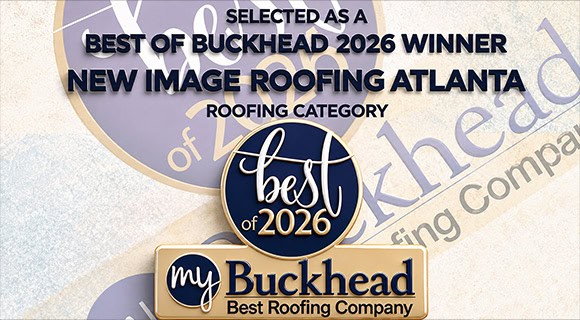
New Image Roofing Atlanta was selected as a Best of Buckhead 2026 Winner for Roofing Services. an achievement that can be highlighted when evaluating the company alongside its service offerings and project experience. Property owners should still review the proposed scope, insurance documentation, references where available, and suitability for their specific roofing system before proceeding.
For commercial roofing inspections, repair estimates, replacement discussions, or maintenance information, contact New Image Roofing Atlanta at 404-680-0041 or visit https://newimageroofingatlanta.com. Describe the building location, roofing system if known, visible damage, and any immediate concerns. Clear information helps the company understand the situation and determine appropriate next steps.
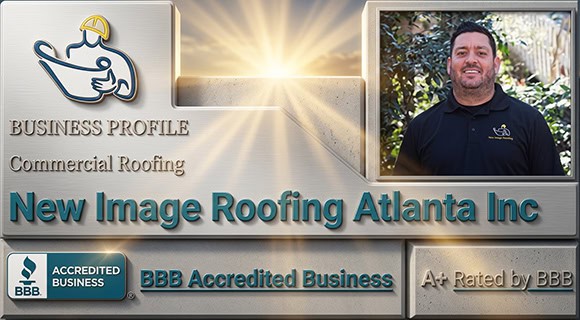 New Image Roofing Atlanta is a BBB accredited A+ Rated roofing contractor.
Call New Image Roofing Atlanta at 404-680-0041 to discuss your roofing needs.
When storm damage extends beyond roofing, ask about coordinating with New Image Line Solutions, New Image Tree Solutions, New Image Roofing Florida, and D&D Village Construction. The appropriate combination of services depends on the property, damage, location, and current contractor availability.
Prepare for Recovery Before the Next Storm
Commercial storm damage recovery requires property owners to recognize common hazards, document losses, protect exposed building areas, and coordinate qualified professionals. Atlanta-area storms can damage roofs, structural components, electrical infrastructure, and surrounding trees, making a coordinated response important. New Image Roofing Atlanta and its service partners offer a network that addresses roofing, tree, line-service, and construction-related recovery needs in their service areas.
Taking action before and after severe weather can help businesses protect employees, reduce unnecessary interruptions, manage repair expenses, and restore operations with greater confidence. A preventive roof maintenance plan, clear emergency procedures, reliable contractor relationships, and organized inspection records can all contribute to a more resilient commercial property. Preparation improves storm damage response time.
Ignoring maintenance or postponing necessary storm repairs can end up very costly. Minor roof defects can become persistent leaks, water intrusion may damage inventory and equipment, and unresolved tree or structural hazards may increase safety risks. Extended downtime, emergency repair costs, and avoidable disruption can place additional pressure on a business. By preparing early and working with qualified professionals, commercial property owners can reduce preventable risks and approach the next storm with a clearer recovery strategy.
Atlanta, GA 30318
(404) 680-0041


