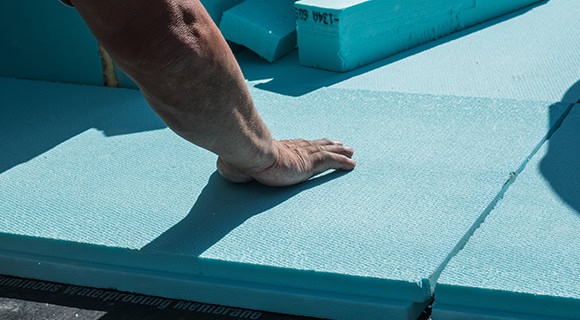
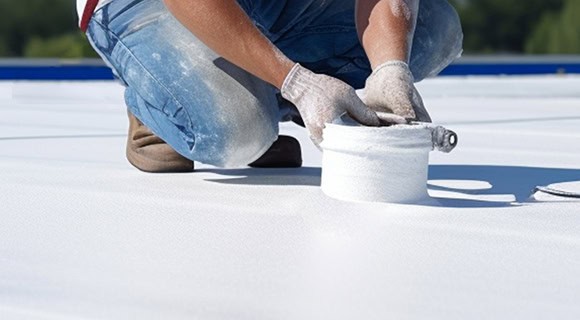
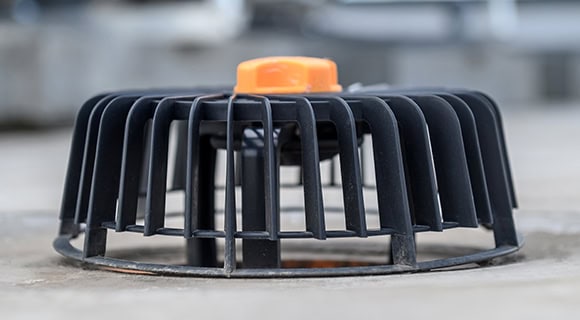
Keep your home’s roof from suffering costly damage and leaking during extreme heat. Knowing how to keep your roof in its best condition will help you make it through the hottest weather conditions.

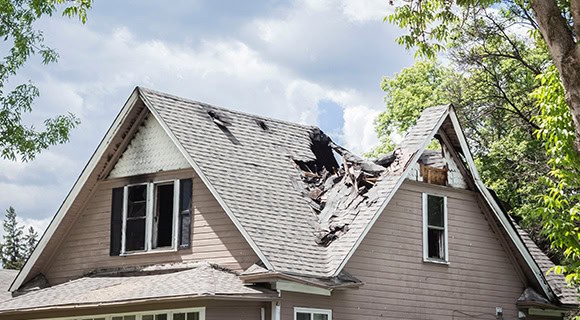
effects of extreme heat on residential roofs

New Image Roofing Atlanta gathered information about preparing your home’s roofing system for hot weather, identifying heat-related damages, and when to call a professional roofer.

Preparing Your Roof for Extremely Hot Weather

As temperatures soar during summer, your roof becomes the first line of defense against the relentless heat. Properly preparing your roof for extreme temperatures is crucial to maintaining its integrity and ensuring the longevity of your home. Address the following:

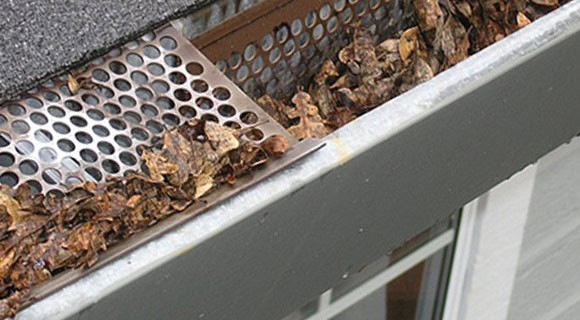
Inspect and Clean Gutters – Before the extreme heat sets in, inspect and clean your gutters and downspouts. Remove debris, leaves, and any other obstructions to ensure proper drainage. This prevents water buildup that can exacerbate the effects of extreme heat on your roof.

effects of extreme heat on residential roofs clogged gutters

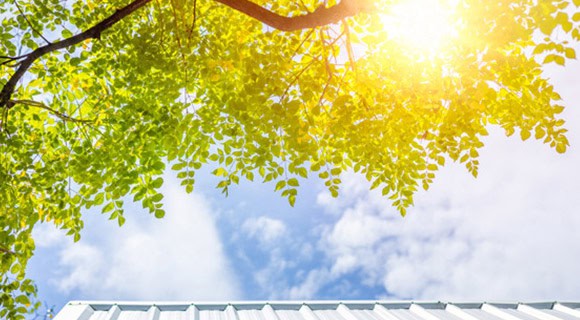
Trim Overhanging Branches – Overhanging branches can cast shadows on your roof, trapping heat and preventing proper ventilation. Trim branches that hang over your roof to allow for better air circulation and reduce the risk of damage from extreme heat.

Note: Tree branches touching your roof can cause shingle damage. Since the tree branch will grow towards the shingles, it will start to push on them. This can cause the shingles to become uplifted, cracked, or pushed out of place.

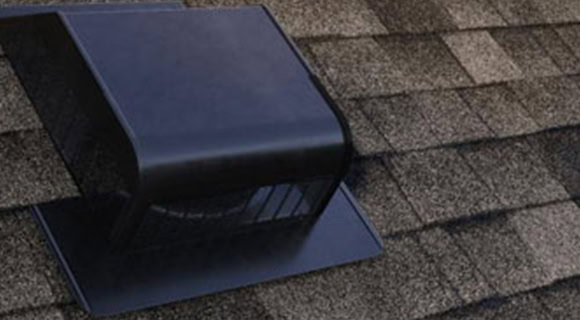
Check and Seal Roof Vents – Inspect your roof vents for damage or deterioration. Ensure that vents are properly sealed to keep hot air out of your attic. Proper ventilation helps regulate temperature and prevents heat-related issues such as warped shingles and accelerated aging.

effects of extreme heat on residential roofs roofing ventillation

Install Reflective Roofing Materials – Consider using reflective roofing materials to mitigate the impact of extreme heat. Reflective coatings or light-colored roofing materials can help bounce off sunlight, reducing heat absorption and keeping your home cooler.

Apply UV-Resistant Coating – Protect your roof from the damaging effects of UV rays by applying a UV-resistant coating. This coating acts as a barrier against the sun’s rays, preventing premature aging, discoloration, and deterioration of roofing materials.

Insulate Your Attic – Adequate attic insulation is essential in preventing heat transfer from the roof to the interior of your home. Proper insulation helps maintain a comfortable indoor temperature and reduces the strain on your cooling system.

Install Shade Structures – Consider installing shade structures, such as awnings or pergolas, to shield your roof from direct sunlight. These structures provide relief from extreme heat and help extend the life of your roofing materials.

Roof Damages Caused by Extreme Heat

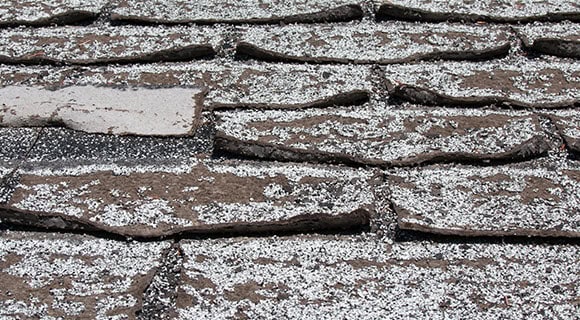
effects of extreme heat on residential roofs hot summer days

Like wood siding, asphalt shingles expand and contract in hot and cold temperatures. Eventually, the material wears and can result in cracks on the shingle surface. These cracks allow water to seep into your shingles, which can cause severe damage to your underlayment, decking, and, eventually, the attic. You should also be aware of the following:

Roof Warping and Buckling – Prolonged exposure to extreme heat can cause roofing materials to warp and buckle. This can compromise the structural integrity of your roof and lead to leaks and other issues.

Cracking and Splitting – Intense heat can cause asphalt shingles to crack and split. This damage allows water to penetrate, leading to leaks and water-related issues within your home.

Premature Aging – Extreme heat accelerates the aging process of roofing materials. This can result in faded colors, loss of granules, and a diminished ability to protect your home from the elements.

effects of extreme heat on residential roofs old warped shingles

UV Damage – UV rays from the sun can cause significant damage to roofing materials. This includes discoloration, degradation of protective coatings, and a reduction in the overall lifespan of your roof.

Poor Attic Ventilation – Insufficient attic ventilation due to extreme heat can trap hot air, leading to increased energy costs and potential damage to roofing materials. It can also contribute to the formation of ice dams in colder months.

When to Call Your Roofer

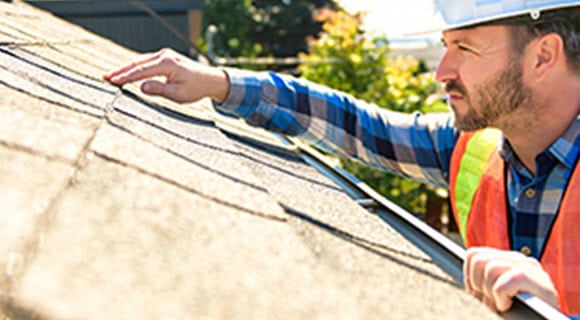
effects of extreme heat on residential roofs inspection

If your roof is older, shows signs of damage, or is sagging or drooping, it may be time to CALL A ROOFER. Consider the following signs:

Visible Signs of Damage – If you notice visible signs of damage like warped or buckled shingles, cracks, or other abnormalities, it’s time to call your roofer. Prompt attention to visible damage can prevent more extensive issues.

Leaks and Water Damage – If you experience leaks or water damage inside your home, this indicates that your roof may be compromised. Promptly addressing leaks is essential to prevent further damage to your home’s interior.

Loss of Granules – If you find excessive granules in your gutters or notice bald spots on your shingles, it indicates the loss of protective granules. This can leave your roof vulnerable to UV damage and weathering.

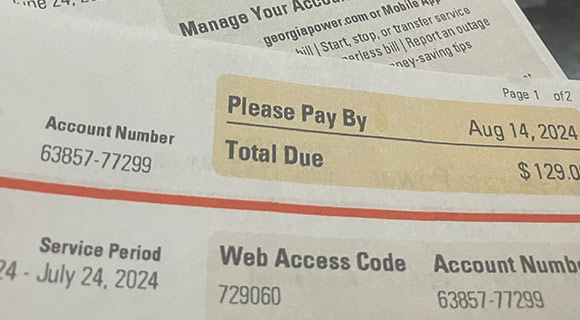
Unexplained Increase in Energy Bills – Poor attic ventilation caused by extreme heat can lead to increased energy costs. If you notice a spike in your energy bills (it may be due to inadequate attic ventilation). Your roofer can assess and address the issue.

effects of extreme heat on residential roofs power bill

Regular Inspections – Schedule regular inspections with your roofer, especially after extreme weather events. Professionals can identify potential issues early on and recommend preventive measures to protect your roof.

Residential Shingle Roofs in Extreme Heat

In this article, you discovered how to keep your roof ready for extreme heat, the damages high temperatures can cause, and when to call a professional roofer.

Preparing your roof for hot weather is a proactive step to ensure its resilience and longevity. Following the recommended strategies and being vigilant for potential damages caused by extremely high temperatures, helps you maintain a well-protected and comfortable home.

Failure to prepare your home’s roofing system for extreme heat may result in multiple leaks and costly structural damage.

Sources:
basc.pnnl.gov/resource-guides/asphalt-shingle-roofs
iibec.org/wp-content/uploads/2015-03-shaw-malarkey.pdf

  New Image Roofing Atlanta

    2020 Howell Mill Rd NW Suite 232
Atlanta, GA 30318
(404) 680-0041
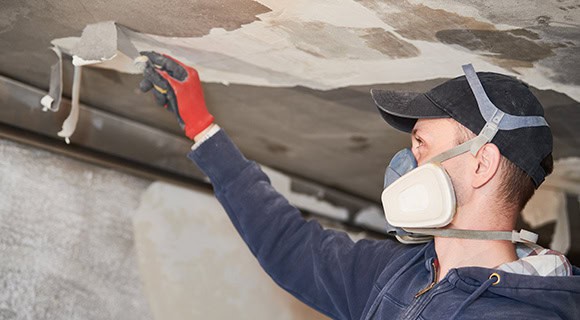
Avoid installing an inefficient, high-maintenance residential roofing system. Knowing the extreme benefits and durability of low-slope roofing systems will help you determine which roofing system to install on your Atlanta, Georgia, home.

Modified bitumen roofing system professional installation

New Image Roofing Atlanta gathered information detailing low-slope roofing system advantages and environmental benefits.

Residential Low-Slope Roof Energy Savings

Considering a residential low-slope roof can provide numerous benefits. From energy savings to maintenance advantages, a low-slope roof can be a wise investment for Atlanta homeowners looking to enhance the functionality and efficiency of their homes. Consider the following low-slope roofing advantages:

Enhanced Reflectivity and Cool Roofing Options

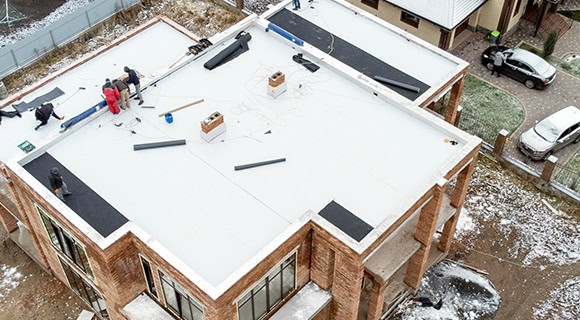
Atlanta Georgia residential low slope roof installation

A significant low-slope roof advantage is its potential for energy savings through enhanced reflectivity. Low-slope roofs can be equipped with “cool” roofing materials that reflect more sunlight and absorb less heat than traditional asphalt roofing. In a city like Atlanta, where summer temperatures can soar, having a reflective roof can significantly reduce the heat entering your home.

“Cool” roofing materials like TPO (Thermoplastic Olefin) membranes or specially coated reflective shingles can keep your home cooler. This means your air conditioning system doesn’t have to work as hard, leading to lower energy bills. According to the U.S. Department of Energy, cool roofs can reduce energy costs by up to 50% in the summer.

Read more suggestions about home design efficiency at energy.gov/energysaver/efficient-home-design

Improved Insulation

Atlanta Georgia residential low slope roofing insulation

Low-slope roofs also permit better insulation options. Because the roof space is more accessible and typically has less pitch, making high-quality insulation installation and maintenance easy. Insulation helps maintain a consistent indoor temperature, reducing the need for heating and cooling throughout the year.

Low-Slope Roofing Maintenance Benefits

Atlanta Georgia residential low slope roof maintenance

Low-slope roofing systems are significantly safer to inspect and repair than sloped roofs. Technicians can normally walk and work on low-slope roofs without using cumbersome ropes and bulky harnesses (simple tie-offs help prevent falls). Consider the following maintenance benefits:

Easier Access for Repairs and Inspections

Another low-slope roof advantage is easy maintenance access. Flat or nearly flat roofs are safer for professionals to walk on, making regular inspections and repairs less cumbersome. This accessibility ensures that issues can be detected and addressed promptly before they escalate into significant problems, extending the roof’s lifespan.

A minor leak in a low-slope roof can be easily detected and repaired, preventing water damage and mold growth, which are common concerns in the humid Atlanta climate.

Read more about fall protection systems and guidelines at osha.gov/sites/default/files/2018-11/fy14_sh-26317-sh4_FallProtectionChecklist–English.pdf

Durable Roofing Materials

Low-slope roofs can be constructed with durable materials to withstand extreme weather conditions. Materials like Modified Bitumen, EPDM (Ethylene Propylene Diene Monomer), and TPO are extreme temperature, UV radiation, and chemical exposure resistant. These materials have a long lifespan and require less frequent maintenance than traditional roofing materials.

In Atlanta, where weather can range from scorching heat to heavy rain, having a roof made from such robust materials means less worry about weather-related damage and fewer maintenance costs over time.

Effective Water Drainage Systems

Atlanta Georgia residential low slope roofing drain

Despite common misconceptions, low-slope roofs are designed with efficient drainage systems that prevent water pooling and leaks. Modern low-slope roofing systems incorporate slight pitches and advanced drainage solutions, like internal drains, scuppers, and gutters, to ensure water is effectively channeled off the roof.

This drainage is crucial in Atlanta, where sudden thunderstorms bring heavy rainfall. Properly designed low-slope roofs handle such weather efficiently, reducing water damage risks and resulting repairs.

Low-Slope Roof Cost-Effectiveness

Low-slope roof construction/installation (TPO, EPDM, PVC, etc.) typically involves fewer materials and less labor than steep-slope roofs, leading to lower installation costs. Consider the following:

Lower Initial Installation Costs

Low-slope roofing’s simple design means less structural support is needed, which can further reduce costs. Atlanta homeowners looking to balance budget and quality will find low-slope roofing an economically viable option.

Long-Term Savings

The energy efficiency and reduced maintenance needs combination translates to significant long-term savings. Lower energy bills, fewer repairs, and the extended lifespan of durable roofing materials contribute to the cost-effectiveness of a low-slope roof.

Investing in a cool roof with high reflectivity might have a slightly higher upfront cost. However, the energy savings during Atlanta’s hot summers can quickly offset this elevated expense. Over time, reduced energy consumption and maintenance expenses make a low-slope roof an intelligent financial decision.

Low-Slope Roofing System Environmental Benefits

The roof you install on your home will influence temperatures in your home, as well as the surrounding area. However slight, it does make a difference. Consider the following ways your roof influences the environment:

Reduced Urban Heat Island Effect

In urban areas like Atlanta, building concentration and paved surfaces can create a heat island effect, where temperatures are significantly higher than in surrounding rural areas. Low-slope roofs with “cool” roofing materials can help mitigate this effect by reflecting more sunlight and reducing heat absorption.

By choosing a low-slope roof, homeowners contribute to lowering the overall temperature in their neighborhood, improving comfort for everyone, and potentially reducing the demand for air conditioning, which benefits the environment.

Potential for Green Roof Installations

Atlanta Georgia residential green low slope roofing

Low-slope roofs are also ideal for green roof installations, where vegetation is planted on the rooftop. Green roofs provide natural insulation, reduce stormwater runoff, and improve air quality. In Atlanta, incorporating a green roof can enhance your home’s energy efficiency while providing a space for urban gardening or leisure.

Watch this video to see how green roof installations benefit the environment, people, and wildlife.

Residential Low-Slope Roofing

In this article, you discovered how residential low-slope roofing systems can be significantly more beneficial than traditional sloped shingle roofs in Atlanta, Georgia.

Installing a low-slope roofing system on your home can reduce heating and cooling costs, benefit the environment, and help reduce temperatures in your neighborhood.

Ignoring the opportunity to install a low-slope roofing system can result in higher installation and long-term air conditioning expenses while negatively influencing your local environment.

Sources:
energy.gov/energysaver/cool-roofs
epa.gov/heatislands/using-green-roofs-reduce-heat-islands
psci.princeton.edu/tips/2021/3/7/cool-roofs-reversing-the-urban-heat-island-effect-without-turning-on-the-ac
sites.evergreen.edu/urbanecologyw18/green-roofs-for-sustainable-urban-development-2/

  New Image Roofing Atlanta

    2020 Howell Mill Rd NW Suite 232
Atlanta, GA 30318
(404) 680-0041
Keep roof damage from developing into costly leaks and repairs. Being knowledgeable about your residential roofing system allows you to maintain it and get damages promptly fixed.

New Image Roofing Atlanta gathered information about 11 things you need to know about your residential roofing system to avoid severe damage and leaks and when to call a professional roofer. Consider the following:

1. Roof Material – Roofs come in various materials (asphalt shingles, metal, tile, and wood shakes). Each material has its lifespan and maintenance requirements. Understanding the roof material is the first step toward effective maintenance.

Homeowners need to know their roofing material

2. Roof Age – Knowing your roof’s age is crucial. Most asphalt shingle roofs last about 20-25 years, while metal and tile roofs can last longer, up to 50 years or more (with proper care and maintenance).

3. Regular Inspections – Ideally, twice a year, regular inspections can help identify minor issues before they become significant problems. Look for damage like cracked or missing shingles, rust spots on metal roofs, or algae growth.

4. Proper Ventilation – Proper attic ventilation is crucial for maintaining temperature and moisture levels in your home. Improper ventilation can lead to moisture buildup, which can cause mold, mildew, and premature roof deterioration.

Homeowners need to know how a roof is ventilated

Read more about residential roof ventilation at newimageroofingatlanta.com/residential-roof-ventilation

5. Gutter Maintenance – Clogged gutters can cause water to back up on the roof, leading to severe water damage and rot. Clean your gutters regularly and ensure they are correctly aligned to direct water away from your home’s foundation.

Click HERE for further reading on how roofing systems drain water.

6. Signs of Water Damage – Water stains on ceilings or walls, sagging spots on the roof, or mold growth in the attic are all signs of potential water damage. Quickly addressing water damage promptly can prevent structural issues and mold growth.

Homeowners need to know how to identify roof leaks

7. Ice Dams – In colder climates, ice dams can form on the roof’s edge, preventing proper drainage and causing water to seep under the shingles. Proper insulation and ventilation can help prevent ice dams from forming.

8. Roof Leaks – Small roof leaks can lead to significant damage if left untreated. Look for signs of water intrusion like, water stains, peeling paint, or dampness in the attic. Act quickly to repair roof leaks to prevent further damage to your home’s interior.

Homeowners need to know how to identify roof leaks

9. Storm Damage – Severe weather, including hailstorms and high winds, can cause damage to your roof. After a storm, inspect your roof for signs of damage and schedule repairs as needed to prevent further deterioration. Consider the following severe weather events:

Tip: Severe weather can happen throughout the year. If you suspect your roof has been damaged, call a roofer to have it inspected and repaired (if required) before the next significant weather event.

Watch this video to further understand how your deductible works when filing an insurance claim to repair or replace your roof after severe storm damage.

10. DIY Repairs – While minor repairs like replacing a few shingles can be done DIY, significant repairs or roof replacement should be left to professional roofers. Attempting complex repairs without proper knowledge and equipment can lead to further damage and safety hazards.

Note: Your roofing system’s warranty may prohibit any DIY repairs. Read your warranty thoroughly and contact your roofer with any questions or doubts.

11. When to Call a Roofer – There are several situations where it is essential to call a professional roofer. Consider the following:

  • Roof Leaks – If you notice signs of a roof leak, like water stains or dampness in your home (call a roofer to identify and repair the leak source).
  • Missing or Damaged Shingles – Missing or damaged shingles compromise the integrity of your roof and leave it vulnerable to water damage and rot. A roofer can assess the extent of the damage and recommend repairs or replacement.
  • Sagging Roof – A sagging roof is a sign of severe structural issues that require immediate attention from a professional roofer.
  • Severe Weather Damage – After severe weather, like hailstorms, hurricanes, or tornadoes, it is crucial to have your roof inspected for damage by a qualified roofer.
  • Roof Replacement – If your roof is nearing or exceeding its lifespan or has sustained extensive damage, it may be time for a replacement. A professional roofer can help you choose the most adequate material and ensure proper installation.

Homeowners need to know how to inspect and repair roof damage

Read about 15 top residential roofing questions at newimageroofingatlanta.com/15-top-roofing-questions-and-answers

Residential Roofing

In this article, you discovered 11 roofing facts a homeowner must know to properly maintain their roofing system and help it reach its expected lifespan.

Being knowledgeable about your roof and knowing when to call a roofer will help your roof reach or exceed its lifespan without permitting extensive water or structural damage.

Ignoring your roofing system’s needs or failing to promptly address issues will lead to extensive damage and costly repairs.

Sources:
sites.psu.edu/socialtrends/2022/11/16/is-your-roof-properly-maintained
campuspress.yale.edu/ledger/10-warning-signs-you-need-a-new-roof

  New Image Roofing Atlanta

    2020 Howell Mill Rd NW Suite 232
Atlanta, GA 30318
(404) 680-0041
Keep your home’s roof from appearing old and dirty. Knowing how to properly clean a shingle roof helps maintain its curb appeal, allowing you to spot damage and defects before causing costly leaks.

Cleaning residential shingle roofing systems

New Image Roofing Atlanta assembled the following step-by-step guide, demonstrating how to clean a shingle roof, what not to do, and when to call a professional roofer.

Cleaning a Shingle Roof – “Dos”

Before starting the cleaning process, conduct a thorough roof inspection. Look for damaged or missing shingles, areas with excessive moss or algae growth, and any signs of wear and tear (granule loss or Hail Damage). Addressing these issues beforehand is crucial to prevent further damage during cleaning.

Verify Proper Drainage – Your roof’s ability to efficiently shed water is crucial to prevent dirt, mold, and mildew buildup. Make sure valleys, gutters, and downspouts are debris-free and allow water to quickly and naturally drain from your roofing system.

Cleaning a residential shingle roofing system

Use the Right Cleaning Solution – Choose a cleaning solution for shingle roofs. Avoid harsh chemicals (they can damage the shingles and harm the environment). A mixture of water, mild detergent, and oxygen-based bleach is excellent for removing stains and debris.

Protect Your Landscaping – Wet your plants and landscaping around your home before applying a cleaning solution. Cover delicate plants with tarps to prevent damage from the cleaning solution. Rinse the plants thoroughly after cleaning to remove any residual solution.

Washing a residential shingle roof requires protecting plants and landscaping

Apply Cleaning Solution Evenly – Use a low-pressure sprayer or a garden hose with a soft spray attachment to apply the cleaning solution evenly across the roof. Allow the solution to sit for the recommended time to break down stains and organic growth.

Tip: Eliminate any guesswork and read the cleaning solution product label for its recommended use (application and removal).

Gentle Brushing for Stubborn Stains – Use a soft-bristled brush or broom to gently scrub the surface for stubborn stains or areas with heavy moss or algae growth. Avoid using abrasive tools or harsh brushes that will damage the shingles.

Rinse Thoroughly – After the cleaning solution has had sufficient time to work, rinse the roof thoroughly with a garden hose or a pressure washer (set to low pressure). Start from the top (and work your way down) to ensure all cleaning residues are washed away.

Regular Maintenance – Establish a routine for regular roof maintenance. Cleaning your shingle roof annually or biannually, depending on your climate, can help prevent debris and organic matter buildup.

Tip: Request a Roof Maintenance Program quote from your roofer. In most cases, you can determine how many visits and which maintenance activities will be performed.

Cleaning a Shingle Roof – “Don’ts”

Avoid High-Pressure Washing – While a pressure washer can be used for rinsing, avoid using high-pressure settings as they can severely damage shingles, dislodge granules, and compromise your roof integrity.

high pressure water

No Chlorine Bleach – Avoid using chlorine bleach (or other chlorine-based products) as a cleaning solution (it can discolor shingles), harm vegetation, and contribute to environmental pollution.

No Harsh Scrubbing – Refrain from using abrasive brushes, wire brushes, or tools that can scratch or gouge the shingle surface. Gentle scrubbing is sufficient to remove most stains without removing shingle granules.

Do Not Ignore Safety Precautions – Cleaning a roof can be hazardous (always prioritize safety). Use proper safety gear, including slip-resistant shoes, safety harnesses, and goggles. Work on dry days to minimize slip and fall risks.

Watch this video for a quick product and application demonstration.

When to Call a Professional Roofer

Extensive Damage – If your roof has extensive damage, like missing or damaged shingles, it is advisable to call a professional roofer. Attempting to clean a severely compromised roof without addressing underlying issues can worsen the damage significantly.

Steep Roofs – Steeply pitched roofs can be dangerous to navigate (especially without proper equipment). If your roof has a steep slope, it is safer to call a professional roofer with experience in roof cleaning.

Persistent Leaks – If you notice persistent leaks or water damage inside your home, it indicates potential roof issues. A professional roofer can assess the situation, identify the leak source, and recommend necessary repairs.

Lack of Experience – If you are uncomfortable or inexperienced in roof maintenance, it is best to call a professional. Roofers have the expertise, tools, and knowledge to properly clean and inspect roofs.

professional roofers clean residential shingle roofing

Aging Roofs – Older roofs may be more delicate and prone to damage. If your roof is aging, it is wise to consult a roofer who can assess its condition and recommend appropriate cleaning methods or repairs.

Shingle Roof Cleaning

In this article, you discovered how to properly clean a shingle roof without causing severe damage to its shingles.

Keeping your roof clean is crucial for its longevity and performance. It also helps maintain your home’s curb appeal and value.

Accumulated dirt, algae, moss, and debris (over the years) can compromise a shingle roof’s appearance and functionality. A dirty or damaged roof can adversely affect your home’s value.

Sources:
today.oregonstate.edu/news/maintaining-moss-free-roof-takes-some-effort
newswire.caes.uga.edu/story/482/spring-clean-shingles.html
asphaltroofing.org/algae-moss-prevention-cleaning-asphalt-roofing-systems

  New Image Roofing Atlanta

    2020 Howell Mill Rd NW Suite 232
Atlanta, GA 30318
(404) 680-0041