Looking for answers to your most urgent roofing questions? Answering your questions and asking the questions you didn’t know you needed to ask will help you better negotiate your roof maintenance, repairs, installation, or replacement.

Homeowners frequently ask questions about roofing services and maintenance

New Image Roofing Atlanta gathered the 15 most asked roof-related questions – and answered them. Consider the following:

1 – How often should I inspect my roof?

Homeowners frequently ask questions about roof inspections

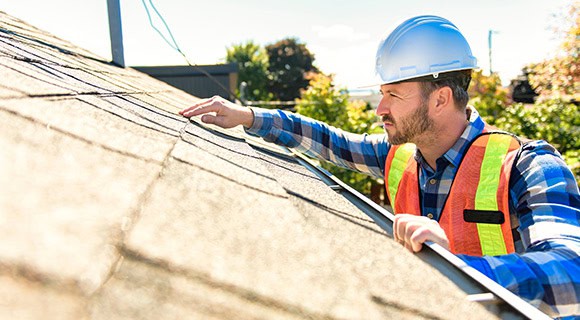
Answer: Regular inspections (twice a year) help identify potential issues before they develop into expensive repairs.

Tip: After severe weather events, it’s wise to meticulously check your roof and home for any storm damage.

2 – What are the signs of a damaged roof?

Answer: Look for the following:

  • Missing or damaged shingles
  • Leaks
  • Cracks or holes
  • Sagging areas
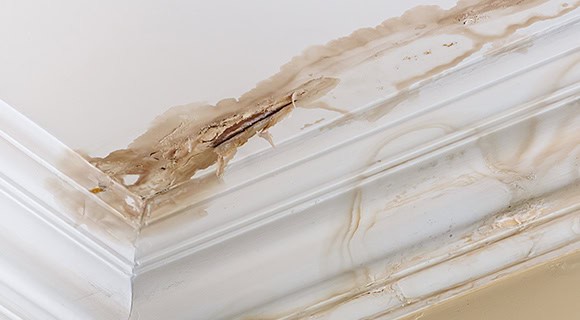
  • Signs of water damage (discoloration or moisture) on your ceiling
  • Sharp increases in heating or cooling expenses

Addressing these issues promptly can prevent more extensive damage.

3 – How long does a typical roof last?

Homeowners frequently ask questions about roofing system average lifespans

Answer: A roof’s lifespan varies based on the material:

Such extensive lifespans are only achieved with proper and consistent maintenance.

4 – Is it necessary to remove my old roof before installing a new one?

Answer: While it’s possible to layer a new roofing system over an existing one, it is often better to remove the old roof to inspect and address any underlying issues. This ensures a more reliable, long-lasting installation.

Tip: Your local building codes determine whether your old roof must be removed (typically, the limit is two roof layers on any structure).

5 – What influences the cost of a new roof?

Homeowners frequently ask questions about roof replacement costs

Answer: Material type, roof size, complexity, and your location are significant cost determinants. High-quality materials and professional installation contribute to a more durable and costly roof.

6 – Can I do roof repairs as a DIY project?

Answer: Minor repairs like replacing a shingle may be manageable for a DIY enthusiast. However, it is advisable to contract a professional roofer for more complex issues or complete roof replacements.

7 – How do I choose the correct roofing material for my home?

Homeowners frequently ask questions about residential roofing material

Answer: Consider factors like your budget, climate, and aesthetic preferences. Asphalt shingles are preferred for their affordability, while metal roofs offer durability and energy efficiency.

8 – What can I do to prevent roof leaks?

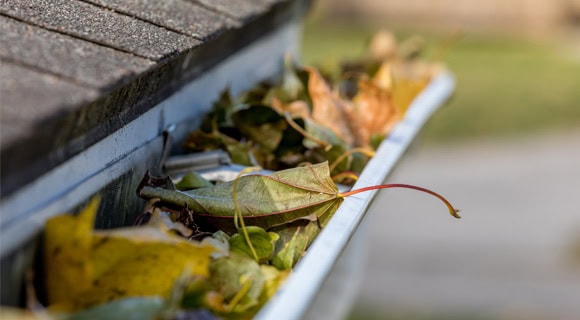
Answer: Regular maintenance, prompt repairs, and proper ventilation are crucial. Clear debris from gutters, inspect flashing and sealants around penetrations, and address any visible issues promptly to prevent leaks.

Note: Regular inspections, timely repairs, and choosing the correct materials contribute to the long-term health of your home.

Tip: Consult a professional roofing contractor for specific questions or concerns about your roof.

9 – How important is attic ventilation?

Homeowners frequently ask questions about attic ventilation

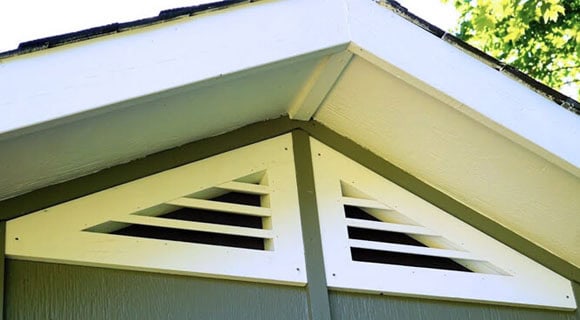
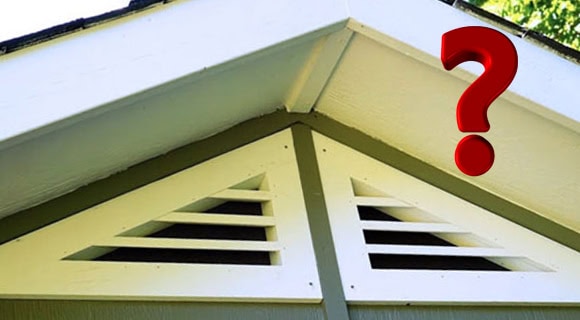
Answer: Proper attic and roof ventilation helps regulate temperature and humidity, preventing mold growth and premature aging. It also contributes to energy efficiency by significantly reducing the strain on your HVAC system.

10 – What is the significance of flashing on a roof?

Answer: Flashing, typically metal, seals the vulnerable areas of your roof, like intersections, valleys, and chimneys. Ensuring flashing is correctly placed, molded, and intact prevents water penetration and leaks.

11 – Are there environmentally friendly roofing options?

Homeowners frequently ask questions about eco friendly metal roofing

Answer: Yes, materials like metal, clay tiles, and recycled shingles are eco-friendly choices. They often have longer lifespans, reducing the need for frequent replacements.

12 – Can I install solar panels on my roof?

Answer: In many cases, yes. However, it’s essential to ensure your roof is structurally sound (to support the additional weight) and consult a professional to determine feasibility and assess the impact on your roof’s warranty.

Note: Solar panels must meet rigorous international inspection and testing standards, and a qualified installer will install them to meet local building, fire, and electrical codes. Solar energy systems undergo a thorough inspection (by a certified electrician) during installation.

13 – What steps should I take after a severe storm?

Homeowners frequently ask questions about storm roof damage

Answer: Immediately inspect your roof for visible damage. If you notice any issues, contact a roofing professional for a thorough inspection and necessary repairs.

14 – How do I find a reliable roofing contractor?

Answer: Seek recommendations from friends, family, or neighbors, and research online reviews. Ensure the contractor is licensed and insured (and provides a detailed written estimate).

15 – Is roof maintenance necessary if I don’t notice any issues?

Homeowners frequently ask questions about residential roof maintenance

Answer: Yes, preventive roof maintenance is crucial. Regular inspections and addressing minor problems promptly can extend your roof’s lifespan and save you from future costly repairs.

Note: Contact a Trusted Professional Roofer about a maintenance contract’s terms and price.

Common Roofing Questions

In this article, you discovered 15 commonly asked roofing questions addressing roof components, maintenance, cost factors, and their answers.

Knowing roofing basics will empower you to make well-informed decisions and keep a secure and durable roof over your head.

Ignoring roofing fundamentals will contribute to your roof and home’s decline in appearance and value.

Sources:
energy.gov/eere/solar/homeowners-guide-going-solar
wp.nyu.edu/insight/2023/03/30/is-your-roof-in-need-of-repair/
.nrcia.org/why-homeowners-need-annual-roof-inspections/

  New Image Roofing Atlanta

    2020 Howell Mill Rd NW Suite 232
Atlanta, GA 30318
(404) 680-0041

Avoid costly water damage from your roofing system’s inability to shed rainwater. Understanding how a roof sheds rainwater will help you determine what to install or repair to prevent leaks and costly water damages.

Roofing systems shed water using slope gravity gutters and downspouts

New Image Roofing Atlanta gathered information on how low-slope (flat) and steep-sloped roofing systems are engineered to shed rainwater.

Low-Slope Roofing System Water Drainage

Low-slope roofing systems, common in commercial and industrial buildings, present unique challenges when addressing water drainage. Unlike steep-slope roofs that allow water to naturally flow down and off the roof, low-slope roofs require a more intentional approach to prevent ponding while ensuring drainage.

Note: Low-slope roofing can be EPDM, TPO, PVC, or BUR systems.

Gravitational Flow and Slope Design

Successful water drainage on low-slope roofing systems relies in gravitational flow. While these roofs have a slight incline, it is not as steep as in residential roofing systems.

Low-slope roofs are designed to combat water accumulation challenges, with a subtle slope to guide water toward drainage points.

A roof’s slope is carefully calculated during the design phase, ensuring water flows efficiently toward designated areas where drains, scuppers, and gutters are placed strategically. This intentional slope is critical in preventing pooling water (ponding), as ponding leads to structural damage, leaks, and accelerated wear on the roofing material.

Roof Drains, Scuppers, and Gutters

Scuppers help low slope roofing systems shed water

Roof drains, scuppers, and gutters are the most common and cost-effective drainage solution for flat roofs. These components catch and direct rainwater as it rolls off the roof’s edge and divert the water into downspouts that dispense it at a safe distance from the foundation of the building. Consider the following:

  • Roof drains are essential components of low-slope roofing systems. These drains are typically installed at the lowest points of the roof to collect and funnel water away. They connect to a network of pipes that direct the water down and away from the building’s foundation.
  • Scuppers are openings along the edges of the roof’s parapet walls that allow water to drain into a downspout or directly off the roof. They act as overflow channels during heavy rainfall or when debris blocks primary drainage points.
  • Gutters are crucial in low-slope roofing systems as they channel water from the roof’s surface to downspouts. Regular maintenance (like keeping gutters clear of debris) is fundamental in preventing water blockages.

Low slope roofing systems shed water using drains

Note: Drains running through a building or structure (internal drains) are serviced by a plumber when they experience blockages.

Residential Shingle Roofing Systems

Roofing systems shed water using the roof slope and gravity

Residential shingle roofing systems with steeper slopes leverage gravity and the roofing materials’ natural properties to channel water efficiently. From asphalt to metal shingles, these systems shed water swiftly, preventing leaks and protecting the underlying structure.

Roof Slope and Gravity

The steep slope of residential shingle roofing systems is fundamental in their ability to shed water effectively. Gravity plays a significant role, pulling water downward and away from the roof’s surface. The slope’s angle, often significantly steeper than low-slope roofs, facilitates quick and efficient drainage.

The roof pitch is carefully calculated during the design phase to ensure optimal water shedding. While the primary purpose of this slope is to encourage water runoff, it naturally contributes to the structure’s aesthetic appeal, influencing its architectural style.

Visit this YouTube channel for informative roofing videos.

Overlapping Shingles and Surface Tension

Roofing systems shed water using overlapping shingles

The materials used in residential shingle roofing systems are selected for their durability and ability to shed water. These shingles overlap, creating a seamless barrier that prevents water from infiltrating the roof.

Surface tension, the cohesive property of water molecules, aids in shedding water. As rainwater flows down the roof, it adheres to the shingle surface. The overlapping design encourages the water to travel downward, preventing it from seeping between the shingles and compromising the roof’s integrity.

Note: Exposed nails may sometimes provide additional reinforcement. When said nails are not sealed properly, they may begin to back out, allowing water infiltration and costly damages.

Tip: Read more about residential sloped roofing systems at newimageroofingatlanta.com/residential-roofing-what-you-need-to-know/

Eaves, Flashing, Drip Edges, Gutters, and Downspouts

Collecting rain water and carrying it away from your home’s walls and foundation is the roof’s drainage system (eaves, flashing, drip edges, gutters, and downspouts). This system prevents soil erosion and foundation damage. Consider the following sloped roof drainage components:

Eaves – Eaves (the roof’s edges that overhang the exterior walls), play a crucial role in water drainage. They provide additional protection by preventing water from running down the walls and causing severe damage. Eaves also contribute to the roof’s aesthetic appeal, defining its silhouette.

Eaves at the edge of a roofing system help it shed water

Flashing – Flashing (typically metal) is strategically installed in vulnerable areas like roof valleys, chimneys, vents, and other penetrations. Flashing acts as a water-resistant barrier, directing water away from these critical points and preventing leaks.

Roofing system flashing helps it shed water

Drip Edges – Drip edges, installed along the outer edges of the roof, guide water into the gutters and away from the fascia. They protect the underlying structure from water damage and help prevent issues like wood rot.

Drip edges shed water off the roof away from the structure

Gutter Systems – Gutters and downspouts play a vital role in roofing systems by channeling water from the roof and away from the foundation. Regular maintenance (including keeping gutters clear of debris) is fundamental to prevent blockages that interrupt water flow.

Roofing systems shed water using gutters and downspouts

Note: Gutters and downspouts must be properly sized to accommodate water runoff volume. If a structure’s gutters are too small, they overflow when heavy rain falls.

Tip: A maintenance plan can help detect and correct drainage issues in their infancy before developing into costly damages.

Roof Drainage Systems

In this article, you discovered how roofing systems drain rainwater and the components that efficiently divert the runoff from the structure, preventing water damage.

Knowing how a roofing system sheds rainwater will enable you to make informed decisions when installing, maintaining, or repairing your residential or commercial roofing system.

Ignoring your roof’s drainage system can lead to leaks, costly water damages, and challenging structural repairs.

Sources:
nps.gov/crps/tps/roofdown/connections.htm
ctahr.hawaii.edu/wq/publications/Final_FactSheets/RoofRunoff558.pdf
nachi.org/roof-drainage-systems-part1-23.htm
nachi.org/roof-drainage-systems-part2-24.htm

New Image Roofing Atlanta

2020 Howell Mill Rd NW Suite 232
Atlanta, GA 30318
(404) 680-0041
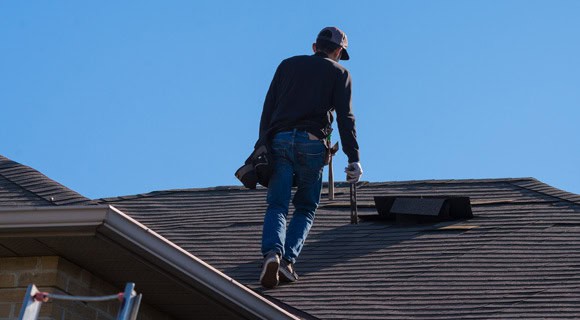
Prevent severe damage to your home and landscape and devastating injuries to your roofers and loved ones. When safety equipment is utilized properly, and safety procedures are adhered to, costly damages and severe injuries can be prevented.

Residential roofing safety includes using ppe hard hats and fall arrest systems

newimageroofingatlanta.com gathered essential information on equipment and requirements that ensure roofing crew and occupant safety, including any necessary permits, emergency preparedness plans, and severe weather forecasts.

Safety Equipment and Requirements

Roofing work can be hazardous, and the consequences of neglecting safety measures can be severe (ranging from minor injuries to fatal accidents). Ensuring safety is not only a legal and ethical obligation but a practical one that minimizes delays, additional costs, and potential damage to the property. Consider the following roofing crew safety equipment:

Personal Protective Equipment (PPE): Roofers should wear the appropriate PPE, including:

  • Hard Hats
  • Safety Glasses or Face Shields
  • Hearing Protection
  • Gloves
  • Non-Slip Footwear.

Residential roofing safety includes using personal protective equipment or ppe

PPE provides protection against falling debris, sharp objects, and noise-related issues.

Fall-Arrest Systems: Fall-arrest systems are critical for all roofing projects. Roofers must have access to fall arrest systems, which typically consist of:

  • Harnesses
  • Lifelines
  • Anchor points

Residential roofing safety includes using harnesses ropes and fall arrest systems

Note: Roofing companies must provide training on the proper use of these systems to prevent falls from heights.

Roof Brackets and Toe Boards: These devices help create a safer working platform on the roof, reducing slip or fall risks. Roof brackets secure to the roof’s surface and provide a stable platform for workers to stand on.

Ladders and Access Equipment: High-quality ladders and access equipment, like scaffolding, should be used to provide safe entry and exit points to the roof. Proper ladder setup and secure anchoring are essential to prevent accidents.

Roofing Tools and Equipment: Roofing crews should have access to specialized tools and equipment like:

  • Roofing Nail Guns
  • Roofing Knives
  • Safety Knives

Residential roofing safety includes using the right tools

Note: These tools are designed to enhance efficiency while minimizing risks associated with manual labor.

Tip: All cutting or trimming equipment must be kept sharpened to prevent incidents from over-used or dull blades.

Safety Requirements for Occupants

While much of the safety responsibility falls on the roofing crew, homeowners and occupants also have a crucial role to play in ensuring safety during a roof replacement project.

Clear the Work Area: Before the roofing crew arrives, homeowners should remove any obstacles around the house that could hinder their work. This includes:

  • Outdoor Furniture
  • Landscape Accessories
  • Vehicles
  • Equipment

Residential roofing safety includes removing outdoor furniture and equipment from the area around the home

Tip: If you have limited space to store these items, rent a storage unit for their safe-keeping.

Communication with Roofing Crew: Establishing clear communication with the roofing company and installation crew is essential. Discuss any concerns or special requirements you may have, like protecting delicate landscaping or pet safety.

Children and Pet Safety: Ensure that children and pets are kept safely away from the work area. The noise and presence of workers on the roof can be unsettling or disorienting for them. Consider temporary accommodations or playdates away from the home.

Secure Loose Items: Secure any loose items in your attic or upper floor to prevent them from falling during the roof replacement. Vibrations from the work can dislodge objects.

Tip: When roof installation is complete, verify that any wall fasteners haven’t come loose from vibrations caused by the nailing or pounding.

Follow Instructions from Roofing Crew: It’s crucial to follow any safety instructions provided by the roofing crew. This may include remaining inside the house or keeping windows closed during certain phases of the roofing project.

Read more about residential roofing systems at newimageroofingatlanta.com/residential-roofing-what-you-need-to-know/

Regulatory Compliance and Permits

Roofing projects are subject to local building codes and regulations. Compliance with these codes – when applicable – is mandatory to ensure the safety and structural integrity of the roof.

It’s essential for roofing companies to obtain any necessary permits and inspections before and after the project. Homeowners should verify that their roofing contractor is licensed, insured, bonded, and that they adhere to all local and/or regional regulations.

Emergency Preparedness

Both the roofing crew and occupants should be prepared for emergencies. Roofing companies should have an emergency plan in place, including:

  • First Aid Kits
  • Fire Extinguishers
  • Protocols for handling accidents or injuries

Residential roofing safety includes having a plan for incident and injury response

Homeowners should know how to contact emergency services and be familiar with evacuation routes in case of fire or other emergencies.

Weather Considerations

Weather can significantly impact the safety of a roofing project. Roofing work should not proceed in adverse weather conditions, like:

  • Rain
  • High Winds
  • Icy Conditions

It’s essential to monitor weather forecasts and reschedule work if necessary to prevent accidents related to slippery surfaces or unstable conditions.

Crew and Resident Communication

Residential roofing safety includes clear communication

Clear communication between the roofing crew and homeowners is vital for ensuring safety. Homeowners should be informed of the project’s timeline, potential disruptions, and safety measures. Likewise, the roofing crew should be aware of any unique circumstances or concerns within or around the home.

Note: Following safety requirements, complying with regulations, and maintaining open communication will keep the crew and occupants safe throughout a successful and secure roofing project. Safety should always be the top priority when embarking on any roofing endeavor, as it protects lives, property, and peace of mind.

Subscribe to this YouTube Channel to see informative videos about roofing topics.

Roof Replacement Safety

In this article, you discovered essential information about the safety equipment and requirements needed to keep your roofing crew and loved ones safe during a residential roof replacement.

Meticulous attention to safety procedures and equipment usage will keep your roofers and home’s occupants from suffering life threatening injuries when mishaps occur.

Disregard for safety protocols can lead to devastating injuries when a roofer loses their balance or material slides off the roof falling to the ground.

Sources:
osha.gov/sites/default/files/2018-11/fy12_sh-23536-12_StudentReferenceMaterials.pdf
cdc.gov/niosh/construction/pdfs/cf2022-wtw-508.pdf
nachi.org/fall-arrest-systems.htm

New Image Roofing Atlanta

2020 Howell Mill Rd NW Suite 232
Atlanta, GA 30318
(404) 680-0041

Keep catastrophic damages from significantly reducing your home’s value. Knowing how to maintain your home and what warning signs to watch for will protect your home’s value and potentially save your life.

Regular home maintenance includes inspecting and tightening loose ends

newimageroofingatlanta.com gathered the following home maintenance tips to help homeowners maintain their homes in the best possible condition while preserving their value.

Essential Home Maintenance Tips

Some repairs are inevitable as a homeowner, keeping caught up on monthly and seasonal tasks around your home can prevent major damages and save you significant money over time. Consider the following home maintenance tips:

HVAC System Maintenance – Heating, ventilation, and air conditioning (HVAC) systems are essential in maintaining indoor comfort. Consider the following HVAC requirements:

Regular home maintenance includes servicing your HVAC unit

  • Change air filters every 1-3 months to ensure proper air quality and system efficiency.
  • Schedule annual professional HVAC inspections to clean, service, and optimize the system’s performance.

Note: A malfunctioning HVAC unit can emit foul odors, cause severe water damages, and cause a life-threatening house fire.

Roof and Gutters – Your roof shields your home from the elements. It is essential to keep it in good condition. Be observant of the following tips:

Regular home maintenance includes roof and gutter inspections

  • Inspect your roof for missing or damaged shingles.
  • Address any issues promptly to prevent leaks.
  • Clean gutters and downspouts regularly to prevent water buildup (causes water damage and mold growth).

Read this article to understand why roof ventilation is crucial to your roofing system’s performance and longevity.

Tip: Contact this professional residential roofer to help keep your roofing system in its best condition.

Plumbing Maintenance – Prevent plumbing mishaps and disasters by promptly addressing corrosion, pipe bursts, leaks and clogs. The following tips will help you prevent significant plumbing malfunctions:

Regular home maintenance includes plumbing inspections and repair

  • Check faucets, toilets, and pipes for leaks regularly.
  • Learn the location of the main water shut-off valve to halt water flow in emergency situations.
  • Flush your water heater annually to prevent sediment buildup, maintaining its efficiency.
  • Protect external (outside) water lines from freezing weather.

Tip: Hire a professional plumber to thoroughly inspect your home’s plumbing system annually before freezing winter weather arrives.

Exterior Home Maintenance – Caring for your home’s exterior increases its curb appeal and protects it from the elements. Consider the following tips:

Regular home maintenance includes caring for its exterior

  • Refinish, repaint, or touch up siding and trim as needed to prevent weathering, rot, and decay.
  • Regularly inspect and clean decks, patios, and walkways to prevent decay, mold, mildew, and staining.
  • Maintain your trees pruned, mulched, and fertilized to keep them healthy and thriving.
  • Seasonally plant and refresh your garden with flowering plants and small shrubs.

Tip: Hire a local professional landscaper and tree service to keep your trees, garden, and lawn neat, trimmed, and healthy.

Window and Door Maintenance – Well-maintained windows and doors enhance energy efficiency and provide increased home security. Observe the following:

Regular home maintenance includes window and door inspections

  • Inspect doors and windows for drafts, cracks, or broken seals.
  • Lubricate hinges and locks to ensure they function smoothly.
  • Install door, window, and motion detectors.

Read more about window care and treatments at energy.gov/energysaver/articles/spring-home-maintenance-windows-windows-windows

Tip: Select a smart security system that automatically sends alerts to your smartphone and law enforcement when an intruder is detected.

Electrical Safety – Maintaining your home’s electrical system is crucial for safety. Routinely inspect the following:

Regular home maintenance includes inspecting your electrical system and connections

  • Test smoke detectors and carbon monoxide alarms monthly (annually replace batteries).
  • Check electrical outlets for loose panels, worn or frayed wiring, or signs of overheating.
  • Hire a professional electrician for periodic electrical system inspections.

Note: Signs of overheating include burn marks, sparks, warping, cracking, bubbling, and fixture malfunctions.

Pest Prevention – Regular pest inspections and prevention measures can save you from costly infestations and the illnesses they may bring into your home. Consider the following preventive measures:

Regular home maintenance includes regular pest control and prevention

  • Seal cracks and gaps around your home’s exterior to keep unwanted pests out.
  • Keep your living spaces clean and clutter-free, as pests are attracted to food residue, moisture, and clutter.

Tip: Hire a professional pest control service to inspect and treat your home after each winter season.

Appliance Maintenance – Home appliances provide daily conveniences (often overlooked), so it’s essential to keep them in working efficiently. Regularly clean refrigerator coils and clean lint filters in your dryer to prevent fire hazards.

Regular home maintenance includes taking care of your appliances

Tip: Follow manufacturer guidelines and timelines for maintaining appliances, like your dishwasher, oven, and washing machine.

Seasonal Maintenance – Different seasons bring unique maintenance challenges. Observe the following seasonal maintenance tasks:

  • Fall – Clean gutters and remove fallen leaves to prevent clogs. Winterize your home by insulating pipes and sealing gaps to conserve energy.
  • Spring – Check for winter damage and prepare your home for the warmer months.

Tip: Schedule maintenance visits after severe weather, tree falls, and other disruptive or unexpected events.

Maintenance Tips for Homeowners

In this article, you discovered several essential home maintenance tips to help keep your home functioning at peak performance.

Keeping your home properly maintained will enhance your comfort and foster a healthier environment for you and your loved ones.

Allowing your home’s maintenance to lapse can result in catastrophic damages and costly repairs.

Sources:
fcs.uga.edu/docs/HomeMaintChecklist_update_6.21.pdf
nwdistrict.ifas.ufl.edu/fcs/2020/11/02/8-fall-home-maintenance-tips/
extension.usu.edu/finance/faq/home-maintenance-checklist

New Image Roofing Atlanta

2020 Howell Mill Rd NW Suite 232
Atlanta, GA 30318
(404) 680-0041