Are you terrified by the thought of waking up to water stains creeping across your ceiling or shingles scattered across your yard after a storm? Discover how a free roof inspection offers a chance to spot trouble before it spirals into costly repairs or replacements.

free roof inspections

newimageroofingatlanta.com gathered information about common roof damage and why homeowners should take advantage of free inspections after storms, seasonal changes, when purchasing a home, and when to schedule an inspection.

When Should You Get a Free Roof Inspection?
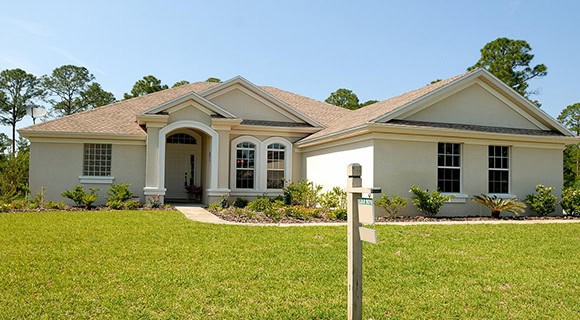
due diligence roof inspecttions

By the time damage is obvious inside your home, the roof has likely been compromised for weeks or even months. Homeowners often miss early warning signs because roof problems develop quietly and out of sight. Free roof inspections are not just marketing offers – they are essential opportunities to catch issues that may otherwise go unnoticed. Here are common situations where scheduling one makes sense:

After Severe Weather

High winds, heavy rain, hail, and falling branches can damage shingles, flashing, and gutters. Even if damage isn’t visible from the ground, granule loss, cracks, or loosened materials may compromise the roof’s ability to shed water.

Following Hailstorms

Hail strikes can dent, bruise, or crack shingles, creating weak spots (where leaks develop over time). Homeowners insurance often covers hail damage, but only if inspections document it.

When Buying or Selling a Home

A roof is one of the largest investments tied to a property. Buyers and sellers alike benefit from professional inspections that uncover hidden problems before closing a deal.

Note: When a report is issued on a roof’s condition and lifespan, a fee may be applied for this service.

Seasonal Transitions

Inspections before and after winter are critical. Ice, snow, and freezing temperatures expand small cracks, while spring rains expose weaknesses. Summer heat can damage shingles, especially on older roofs.

If You Notice Warning Signs

Missing shingles, sagging areas, clogged gutters, granules in downspouts, or interior leaks all demand immediate inspection. Even subtle signs should not be ignored.

Weather Events That Lead to Roof Damage
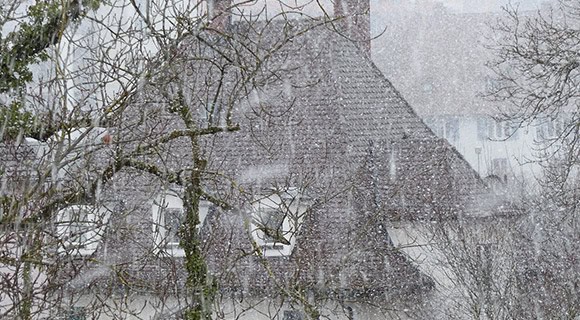
severe weather free roof inspections

Your roof serves as the first defense against harsh weather. Unfortunately, Mother Nature often tests it in ways that accelerate wear.

High Winds

Gusts exceeding 45 mph can tear shingles, loosen flashing, and lift edges, making roofs vulnerable to rain intrusion.

Hailstorms

Hailstones as small as a quarter can bruise or crack shingles. Larger stones cause immediate punctures, dent gutters, and damage skylights.

Heavy Rain

Persistent rainfall uncovers weak spots, particularly in valleys and near flashing. Water pooling can lead to leaks and rot.

Snow and Ice

Ice dams form when melting snow refreezes at the roof edges, trapping water that seeps beneath shingles.

Extreme Heat

Prolonged heat dries out asphalt shingles, causing brittleness, curling, and early granule loss.

These conditions don’t just cause cosmetic issues. They accelerate deterioration and increase the likelihood of leaks, mold growth, and structural damage.

New Image Roofing Atlanta Maintenance Contract
maintenance programs and free roof inspections

Preventive maintenance is the most cost-effective strategy to protect your roof investment. A New Image Roofing Atlanta maintenance contract provides:

  • Biannual Inspections – Scheduled checks in spring and fall to address seasonal damage before it spreads.
  • Detailed Reports – Documentation with photos outlining current roof conditions.
  • Proactive Repairs – Immediate attention to small issues (missing shingles or failing flashing) before they cause leaks.
  • Priority Service – Faster scheduling for inspections and repairs after storms.
  • Extended Roof Lifespan – Regular upkeep adds years to your roof’s service life.

This contract offers peace of mind and ensures that small, affordable fixes prevent major expenses.

Why Hire New Image Roofing Atlanta

free roof inspections bbb certified roofers

Choosing the right roofing company is as important as the inspection itself. Here’s why New Image Roofing Atlanta stands apart:

  • Experienced Professionals – Certified experts trained to identify subtle signs of roof damage.
  • Comprehensive Services – Inspections, repairs, replacements, and maintenance contracts under one roof.
  • Storm Damage Specialists – Skilled in documenting damage for insurance claims.
  • Local Knowledge – Familiarity with Atlanta’s weather patterns and roofing challenges.
  • Customer-Centered Approach – Clear communication, honest evaluations, and transparent pricing.
  • BBB Accredited Business – New Image Roofing Atlanta is an accredited – A+ Rated – roofing contractor.

With New Image Roofing Atlanta, you get more than a free inspection – you get a trusted partner in roof care.

Key Considerations for Free Residential Roof Inspections and Quotes
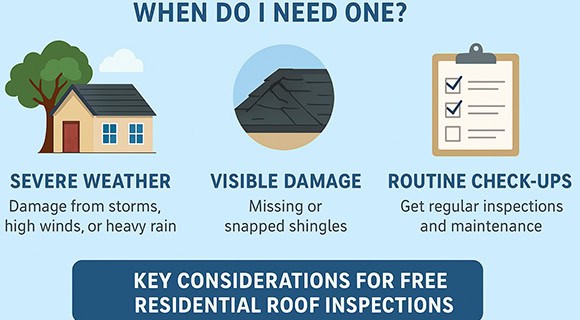
information for free roof inspecttions

A free inspection seems straightforward, but homeowners should consider several factors to maximize the service.

Documentation Matters

Always request a written report with photographs. This creates a record useful for future repairs or insurance claims.

Know What’s Included

A professional inspection should assess shingles, flashing, gutters, ventilation, and attic spaces. Surface-only checks miss hidden problems.

Be Cautious of High-Pressure Sales

Free inspections should never feel like bait for unnecessary repairs. A reputable company explains its findings clearly without intimidation tactics.

Compare Multiple Quotes

When repairs are necessary, obtain at least two estimates to ensure fair pricing and identify companies that cut corners.

Plan for Preventive Action

Even if no urgent repairs are needed, inspections will often identify maintenance tasks that extend roof life. Addressing them now avoids costly surprises later.

Insurance Timelines

Many policies limit the time you can file a claim after storm damage. Prompt inspections ensure documentation falls within these windows.

Taking time to understand inspection processes ensures you benefit from the service. It’s about protecting your investment, not just accepting a free offer.

Watch this video for a brief roof inspection and insurance deductible explanation.

Residential Roof Inspection

In this article, you discovered when inspections are necessary, what weather events accelerate roof damage, and how New Image Roofing Atlanta offers preventive maintenance and expert services.

When you take action by scheduling regular inspections and hiring trusted professionals, you gain peace of mind, extend your roof’s life, and often save thousands of dollars in avoided repairs.

On the other hand, ignoring warning signs or skipping inspections leaves you vulnerable to leaks, structural problems, and mounting repair bills. The cost of neglect is far greater than the time it takes to schedule a free inspection.

Sources:
nachi.org/documents2012/How_to_Perform_Roof_Inspections_THIRD_EDITION-revd-Dec-2013.pdf
blogs.oregonstate.edu/piperde/2023/06/20/roof-maintenance-tips-to-make-a-roof-last-longer/

  New Image Roofing Atlanta
 
    2020 Howell Mill Rd NW Suite 232
    Atlanta, GA 30318
    (404) 680-0041  
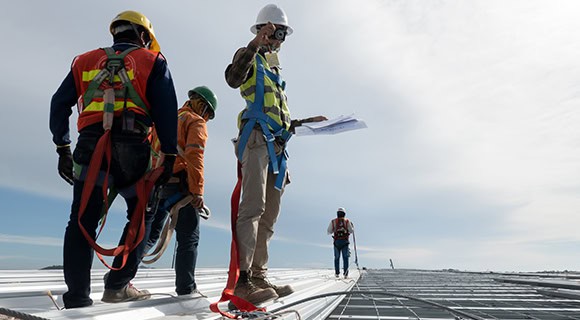
Avoid roof leaks and costly structural damage to your home. Understanding how residential roof inspections play a crucial role in identifying potential roofing system issues before they escalate into expensive repairs or replacements keeps your roof at its peak performance.

Inspection of a residential roof

New Image Roofing Atlanta gathered information about residential roof inspections, including why they are needed, when they should be performed, who should conduct them, and what details an inspector looks for.

Why Residential Roof Inspections Are Necessary?

Over time, residential roofs can deteriorate due to wear and tear, weather damage, or poor maintenance. Regular roof inspections are essential for identifying potential issues early and ensuring a home’s safety and integrity. A residential roof inspection is crucial for multiple reasons, including the following:

Early Damage Detection – Regular inspections allow homeowners to identify and address roof damage before it escalates into costly repairs or replacements.

Preventive Maintenance – Inspections help identify areas requiring preventive maintenance, like cleaning gutters, trimming overhanging branches, or repairing damaged shingles.

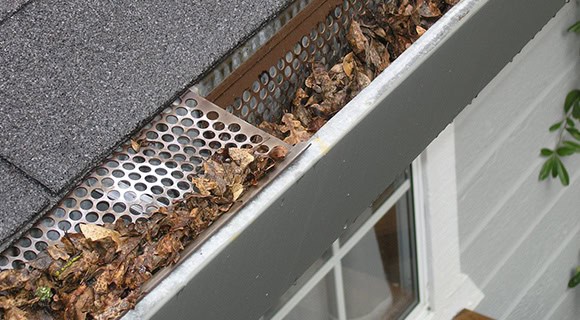
Gutter and downspout residential roof inspection

Safety – A structurally sound roof is essential for occupant safety. Inspections help ensure the roof can withstand the elements and prevent potential hazards like leaks, collapses, or mold growth.

Insurance Requirements – Some insurance policies require regular roof inspections as a condition of coverage. Failure to comply with inspection requirements may result in insurance claim denial related to roof damage.

Learn more about insurance claims and deductibles in this video.

Property Value – A well-maintained roof enhances your home’s curb appeal and value. Regular inspections and maintenance can help preserve its integrity and longevity, protecting your investment.

When Are Residential Roof Inspections Required?

While there is no set schedule for roof inspections, they are typically recommended under the following circumstances:

After Severe Weather Events – Inspect your roof after severe weather events like Hurricanes, Tornadoes, or Heavy Storms to assess for any damage caused by high winds, hail, or debris.

Seasonal Inspections – Consider scheduling annual or biannual roof inspections, especially before the start of the winter season when roofs are more vulnerable to damage from Snow, ice, and freezing temperatures.

Before Buying or Selling a Home – If you’re buying or selling a home, a professional roof inspection is essential to identify any existing issues or potential concerns that may affect the sale or purchase of the property.

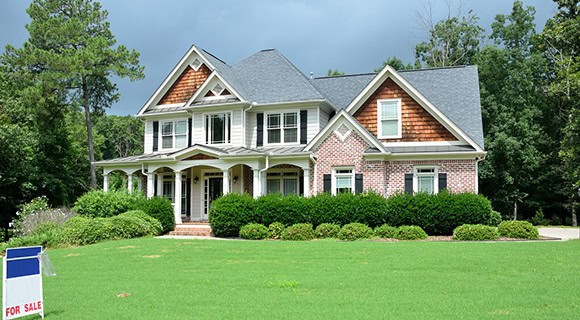
Home for sale residential roofing system inspection

Older Roofs – As roofs age, they become more susceptible to wear and deterioration. Regular inspections are crucial for older roofs to assess their condition and identify necessary repairs or replacements.

Renovations or Additions – If you’re planning renovations or additions to your home, consider including a roof inspection as part of the pre-construction process to ensure compatibility and structural integrity.

Who Should Conduct Residential Roof Inspections?

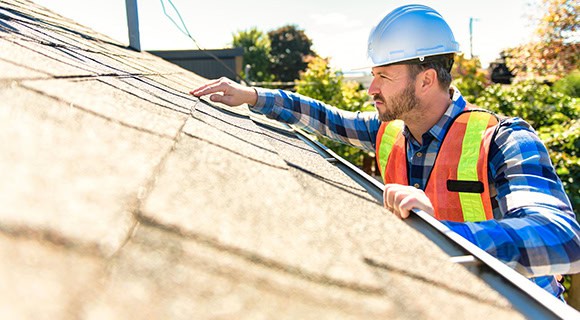
Qualified residential roofing system inspector

While homeowners can conduct visual inspections of their roofs from the ground, professional roof inspections are recommended for a thorough assessment. Qualified individuals who can perform residential roof inspections include:

Licensed Roofing Contractors – Roofing contractors are experienced professionals trained to assess the condition of residential roofs, identify potential issues, and recommend appropriate repairs or replacements.

Certified Home Inspectors – These inspectors have the knowledge and expertise to conduct comprehensive inspections of residential properties, including roofs, as part of pre-purchase inspections or routine maintenance checks.

Insurance Adjusters – In some cases, insurance adjusters may perform roof inspections to assess damage for insurance claims or policy renewals. However, it’s advisable to seek an independent inspection for unbiased assessment.

What Do Inspectors Look for During Residential Roof Inspections?

During a residential roof inspection, inspectors typically assess the following:

Roofing Materials – Inspectors examine the type and material condition, including shingles, tiles, or metal panels (for wear, damage, or deterioration signs).

Roof Structure – Inspectors check the roof’s structural integrity, including the decking, rafters, trusses, and support beams, for sagging, rot, or water damage signs.

Flashing and Sealants – Inspectors examine flashing around vents, chimneys, skylights, and other roof penetrations, including sealants and caulking, to ensure they are intact and effectively sealing against water intrusion.

Gutters and Drainage Systems – Inspectors assess gutter, downspouts, and drainage system conditions to ensure they are debris-free and effectively channeling water away from the roof and foundation.

Attic and Interior – If accessible, inspectors may examine the attic and interior spaces for water stains, mold, or moisture buildup, which could indicate roof leaks or ventilation issues.

The following is a comprehensive checklist for residential roof inspections:

  • Overall condition of the roof surface
  • Presence of any visible damage or wear
  • Integrity of shingles or roofing material
  • Proper alignment and placement of shingles
  • Condition of flashing around vents, chimneys, and skylights
  • Adequate ventilation in the attic
  • Properly sealed roof penetrations (e.g., vents, pipes)
  • Condition of gutters and downspouts
  • Potential signs of water damage or leaks
  • Condition of fascia and soffits
  • Presence of any debris or vegetation on the roof
  • Adequate drainage to prevent standing water
  • Condition of the underlayment beneath the shingles
  • Any signs of mold, mildew, or algae growth
  • Checking for proper insulation in the attic
  • Assessing for any structural issues or sagging
  • Verifying compliance with local building codes and regulations

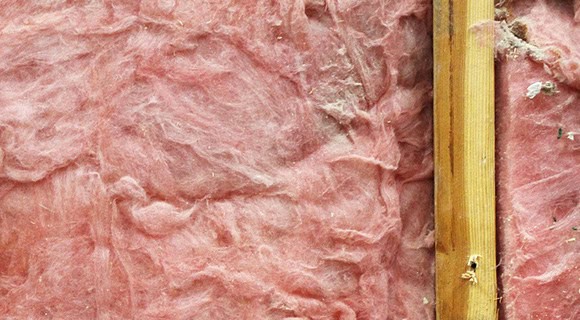
Attic inspection of a residential roof

Prioritizing regular roof inspections and addressing any issues enables homeowners to prolong their roof’s lifespan, maintain the home’s safety and integrity, and protect their investment.

Commercial Roofing System Inspection

In this article, you discovered residential roof inspection information, including why they are performed, when you should have them done, who should conduct them, and what inspectors look for during one.

Scheduling residential roof inspections keeps you ahead of potential roofing issues by keeping your roof in its best condition while significantly extending its lifespan.

Failure to stay on top of regular residential roof inspections will result in leaks and potentially catastrophic structural and internal damage.

Sources:
hud.gov/sites/documents/DOC_12334.PDF
fema.gov/press-release/20230502/fact-sheet-home-inspections-homeowners-and-renters
sites.psu.edu/socialtrends/2022/11/16/is-your-roof-properly-maintained/

  New Image Roofing Atlanta
 

    2020 Howell Mill Rd NW Suite 232
    Atlanta, GA 30318
    (404) 680-0041
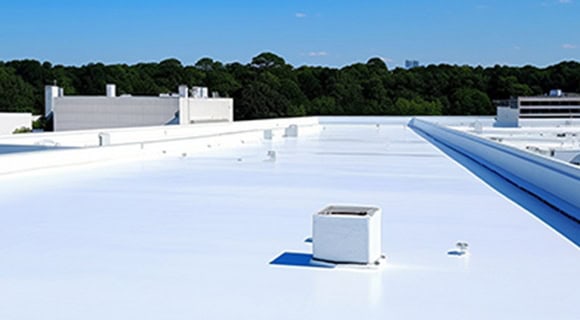
 

Avoid roof leaks and costly structural damage to your commercial structure. Understanding how commercial roof inspections play a crucial role in identifying potential roofing system issues before they escalate into expensive repairs or replacements keeps your roof at its peak performance.

Professional inspections of commercial roofing systems

New Image Roofing Atlanta gathered information about commercial roof inspections, including why they are necessary, when they should be performed, who should conduct them, and what an inspector looks for.

Why Commercial Roof Inspections Are Necessary

Commercial roofs are exposed to various weather conditions, including rain, snow, wind, and UV radiation, which can cause wear and tear over time. Poor installation, design flaws, or irregular maintenance can cause roof deterioration. Regular roof inspections help identify potential problems early on, allowing for timely repairs and maintenance to extend the roof’s lifespan and prevent more significant issues from developing.

When Are Commercial Roof Inspections Required?

While there is no regulation mandating how often commercial roof inspections should occur, they are typically recommended annually. However, certain factors may necessitate more frequent inspections, like severe weather events, age, or recent construction activities nearby that could inadvertently damage the roof. Inspections may be required as apart of a property sale, lease agreement, or insurance policy.

For more information about free commercial roof inspections and scheduling one, visit newimageroofingatlanta.com/roofing-services/roof-maintenance/roof-inspections

Watch this video to discover more about insurance and deductibles when roof repairs or replacements are needed.

Who Performs Commercial Roof Inspections?

Commercial roof inspections should be conducted by qualified professionals with expertise in commercial roofing systems. This could include licensed roofers, roofing contractors, or certified building inspectors. It’s essential to select inspectors with experience in commercial roofing, as they are familiar with these structures’ unique challenges and requirements. Additionally, inspectors should adhere to industry standards and best practices outlined by organizations like the National Roofing Contractors Association (NRCA) or the International Facility Management Association (IFMA).

What Do Inspectors Look for During a Commercial Roof Inspection?

Inspector for commercial roofs

During a commercial roof inspection, inspectors evaluate the roofing system to assess its condition and identify potential issues (if any). Here are some areas inspectors typically focus on:

Roofing Materials – Inspectors examine the roof type and material condition, including membranes, shingles, tiles, or metal panels, to ensure they are intact and free from damage or deterioration.

Roof Structure – The roof’s structural integrity, including the decking, support beams, and trusses, can identify any signs of sagging, rot, or corrosion that could compromise the roof’s stability.

Flashing and Sealants – Inspectors check flashing around roof penetrations like vents, chimneys, skylights, and HVAC units, as well as sealants along seams and joints, to ensure they are installed and sealed to prevent water intrusion.

Drainage System – Proper drainage prevents water ponding and potential leaks. Inspectors evaluate gutter conditions, downspouts, scuppers, and drains to ensure they are clear of debris and functioning effectively.

Roof Penetrations – Any openings or penetrations in the roof, like vents, pipes, or equipment mounts, are inspected for leaks or damage signs that could compromise the roofing system’s integrity.

Insulation and Ventilation – Inspectors assess the insulation and ventilation system quality and condition to ensure they meet building code requirements and provide adequate thermal comfort and moisture control.

Safety Features – Safety measures like roof access points, guardrails, and fall protection systems are inspected to ensure compliance with OSHA regulations and protect workers during maintenance and repair activities.

Environmental Factors – Inspectors consider factors like tree overhangs, nearby construction activities, or environmental hazards that could impact the roof’s integrity and longevity.

The following is a more complete checklist of areas covered during a commercial roof inspection:

  • Overall roof membrane or material condition
  • Completing a core sample to discover roof composition
  • Seam and joint integrity in the roofing system
  • Proper drainage system to prevent water pooling
  • Flashing condition around HVAC units, vents, and other penetrations
  • Adequate insulation to meet energy efficiency requirements
  • Wear, tear, or puncture signs in the roofing material
  • Roof coating condition, if applicable
  • Roof access points and equipment properly functioning
  • Adequate roof slope to facilitate water runoff
  • Roof curbs, parapet walls, and other roof accessories conditions
  • Rooftop equipment assessment for potential damage or leaks
  • Rooftop penetration inspection for proper sealing and flashing
  • Compliance Verification with local building codes and regulations
  • Checking for any ponding water or excessive moisture signs
  • Evaluation of any rooftop vegetation or debris that could impact drainage or cause damage
  • Assessment for proper fire protection measures, if applicable

Conducting thorough inspections and addressing any issues allows commercial property owners to prolong the roof’s lifespan, maintain a safe and secure building environment, and avoid costly repairs or replacements in the future.

Inspections of commercial roofing systems

Commercial Roofing System Inspection

In this article, you discovered commercial roof inspection information, including why they are performed, when you need them done, who should conduct them, and what inspectors look for during one.

Scheduling commercial roof inspections keeps you ahead of potential roofing issues by keeping your roof in its best condition while extending its lifespan.

Failure to stay on top of regular commercial roof inspections will result in leaks and potentially catastrophic structural and internal damage.

Sources:
gsa.gov/real-estate/historic-preservation/historic-preservation-policy-tools/preservation-tools-resources/technical-procedures/checklist-for-the-routine-inspection-of-buildings
nrca.net/roofing-inspection-checklist
wbdg.org/guides-specifications/building-envelope-design-guide/roofing-systems-commercial-buildings

  New Image Roofing Atlanta
 

    2020 Howell Mill Rd NW Suite 232
    Atlanta, GA 30318
    (404) 680-0041