Tag Archive for: Commercial Roofing Contractors Atlanta Ga

Wondering why there is a wall around your flat roof? Understanding why parapet walls are installed around low-slope roofing systems will give you crucial insight to their function and necessity.

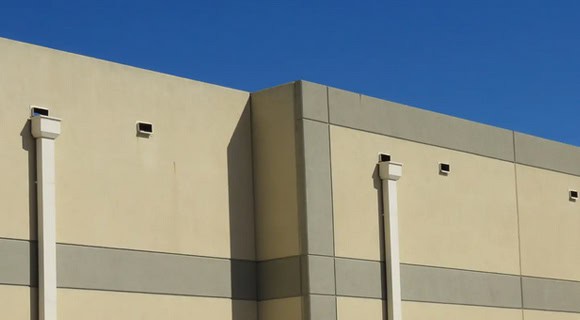
Parapet walls flat roofing systems

The professional roofers at New Image Roofing Atlanta assembled a comprehensive guide to parapet wall design, height, necessity, and waterproofing.

What is a Parapet Wall?

A parapet is a barrier that is an upward extension of a wall at the edge of a roof (seen in many flat roofing projects). This extension projects above the flat roof (can vary in height and width according to local building codes and its designed function). The word comes ultimately from the Italian parapetto.

Parapet Wall Design

A plain parapet wall is a simple vertical extension of the wall on the building’s outside. They are most common in commercial buildings without ornate decoration (it can be difficult to tell where parapet walls start looking from the building’s outside). They are generally more about functionality than design. Consider the following:

Purpose and Functionality – Parapet walls serve various functions for flat roofs, acting as aesthetic and functional elements. They provide a barrier that conceals rooftop equipment, helps prevent falls, and enhances the overall appearance of the building. Additionally, parapet walls are a crucial line of defense against water ingress, a common concern with flat roofs.

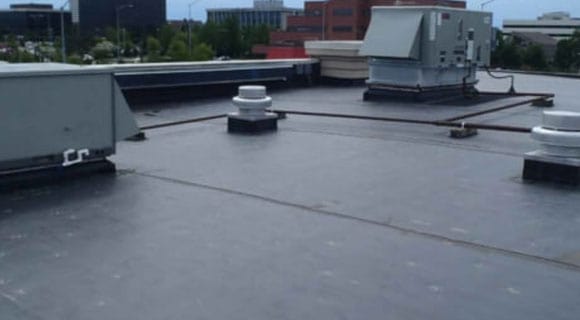
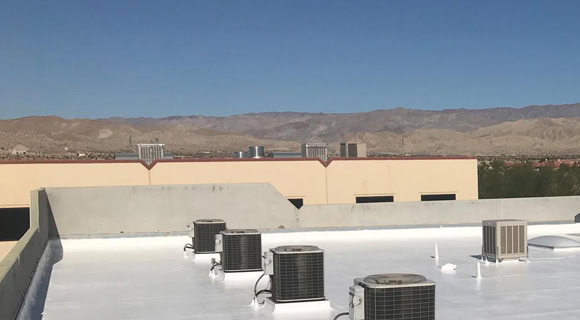
Parapet walls hide equipment and machinery

Aesthetic Considerations – From a design perspective, parapet walls contribute significantly to the visual appeal of a building. Architects often use them to create a uniform and pleasing silhouette, giving the structure a more finished and polished look. Parapets also offer opportunities for architectural creativity, with options for different materials, textures, and decorative elements.

Parapet Wall Height

Parapet walls on flat roofs for safety

Local building codes often determine how and when parapet walls should be constructed on commercial structures.

Building Codes and Safety – Determining parapet wall optimal height is a nuanced process that involves adherence to building codes and safety regulations. Building codes typically mandate minimum parapet heights to ensure occupant safety and prevent accidents. The International Building Code (IBC) and other regional codes provide guidelines on parapet wall heights based on factors like building occupancy, roof usage, and fire safety.

Read more about parapet wall specifications at codes.iccsafe.org/s/IBC2021P2/chapter-7-fire-and-smoke-protection-features/IBC2021P2-Ch07-Sec705.11

Wind Uplift Considerations – Parapet wall height is not solely about aesthetics and safety (it plays a crucial role in mitigating wind uplift forces). Tall parapets can act as a windbreak, reducing the impact of strong winds on the roof and preventing damage to roofing materials. Engineers must consider local wind patterns and calculate the appropriate parapet height to optimize wind resistance.

When Are Parapet Walls Necessary

Parapet walls are mainly found on flat roofs, extending a vertical wall at the side of a commercial, industrial, or residential structure past the roofline. Flat or low-slope roofing systems include:

Parapet walls are typically required when the roof must double as something like a terrace, balcony, facilities area, lounging area, or walkway, helping keep the area safe.

Parapet walls walkable roofs

Roof Access and Safety – Parapet walls become essential when rooftop access is necessary for maintenance, service, or other activities. They provide a protective barrier, considerably reducing accidental fall risks. OSHA (Occupational Safety and Health Administration) regulations often require the presence of parapet walls or other protective measures when employees work on flat roofs.

Read more about OSHA’s fall protection system criteria at osha.gov/laws-regs/regulations/standardnumber/1926/1926.502

Water Management – In regions with heavy rainfall or potential for flooding, parapet walls play a crucial role in:

  • Managing water runoff
  • Preventing water from cascading off the roof’s edge
  • Reducing erosion and water damage to the building’s foundation and landscape

Properly designed parapets incorporate drainage systems to efficiently guide water away from the roof surface.

Concealing Rooftop Equipment – Flat roofs often house HVAC units, solar panels, and other equipment or activities necessary for building functionality. Parapet walls offer an effective solution for concealing these elements, maintaining a clean and uncluttered appearance while providing easy access for maintenance.

Waterproofing Parapet Walls

Parapet walls flashing prevents leaks

Like your roofing system, parapet walls must repel and shed water efficiently. Parapet walls that allow water infiltration will lead to costly structural damages.

Flashing and Sealants – Effective waterproofing is paramount for parapet wall longevity and performance.

  • Flashing (water-resistant material) is installed at the roof and parapet junction to create a watertight seal
  • Sealants are used to fill gaps and joints, preventing water infiltration

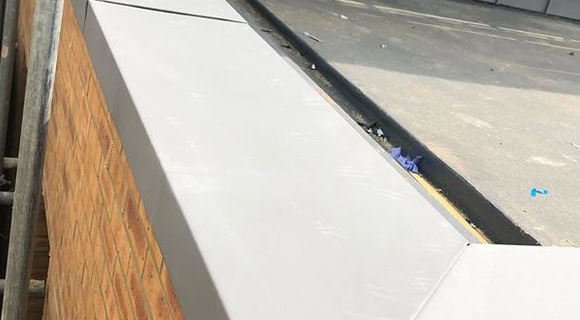
Cap Flashing – Cap flashing is an essential parapet waterproofing component (metal flashing installed at the parapet wall’s top, extending over the roof membrane). Cap flashing prevents water from seeping into the joint between the parapet and the roof, offering an additional protective layer against leaks.

Parapet walls metal caps and flashing

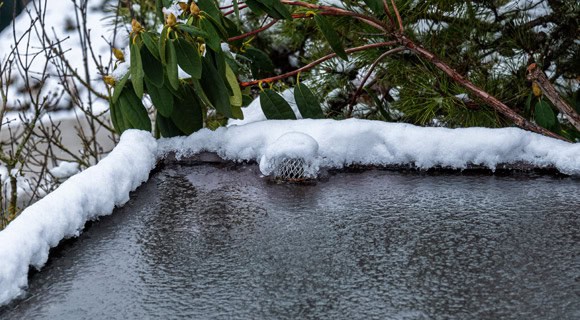
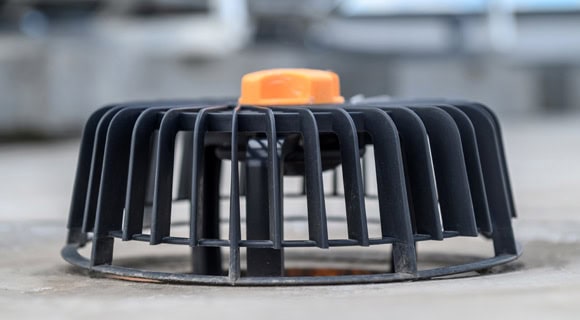
Proper Drainage – Adequate drainage prevents water buildup on flat roofs and parapet walls. Scuppers (openings in the parapet that allow water to drain) are commonly used with conductors, gutters, and downspouts to ensure efficient water management. Regular maintenance, including clearing debris from scuppers, is crucial for the effectiveness of the drainage system.

Parapet walls scuppers conductor heads downspouts

Read more about roof maintenance plans

Quality Materials and Construction – Choosing durable and weather-resistant materials for parapet walls is fundamental to their long-term waterproofing. Consider the following:

  • High-quality masonry, metal, or composite materials ensure durability and safety
  • Professional construction practices, contribute to the parapet wall resilience against water intrusion
  • Expert roof installation will ensure that parapet walls are protected and efficiently drain water

Tip: Thoroughly vet all of your contractors, verifying their credentials, past work, licenses, and insurance before contracting them.

Parapet Walls for Flat Roofs

In this article, you discovered crucial information about parapet wall design, height, necessity, and waterproofing for your commercial or residential low-slope roofing system.

Installing parapet walls around flat or low-slope roofing systems ensures occupant safety, building aesthetics, and supports effective water management.

Ignoring the need for parapet walls may leave your roof vulnerable to accidents and expose unsightly machinery or equipment on the rooftop, potentially decreasing your structure’s curb appeal and value.

Sources:
osha.gov/laws-regs/regulations/standardnumber/1926/1926.502
theconstructor.org/building/parapet-walls-types-uses/28646
codes.iccsafe.org

  New Image Roofing Atlanta

    2020 Howell Mill Rd NW Suite 232
Atlanta, GA 30318
(404) 680-0041
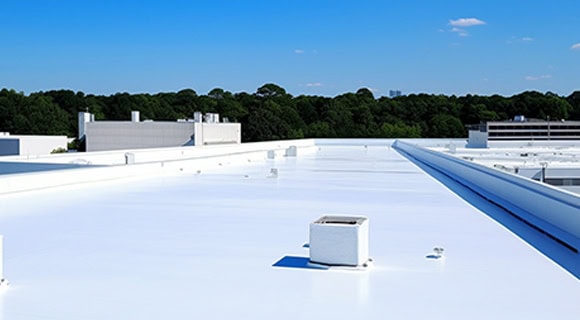
Are you looking for a roofing solution with durability, energy efficiency, and fire resistance? PVC roofing systems may be the answer you’re looking for.

PVC commercial roofing professional roofers

newimageroofingatlanta.com gathered essential information on PVC roofing systems, their benefits, installation, maintenance, and how they are manufactured. Consider the following:

PVC Roofing Advantages

PVC (Polyvinyl Chloride) roofing has emerged as a durable and versatile choice. With its unique combination of advantages and disadvantages, PVC roofing has gained popularity over the years. In this comprehensive guide, we’ll delve into everything you need to know about PVC roofing, from its notable benefits to potential drawbacks.

Durability – PVC roofing is renowned for its exceptional durability. It can withstand harsh weather conditions, including extreme temperatures, UV radiation, and high winds. PVC roofs are known to have a long lifespan, often exceeding 20 years or more with proper maintenance.

Low Maintenance – PVC roofing requires minimal maintenance. Regular inspections and occasional cleaning are usually sufficient to keep it in good condition. This low maintenance requirement translates to cost savings over time.

Waterproof – PVC is inherently waterproof, making it an excellent choice for flat or low-slope roofs. The seams in PVC roofing are heat-welded, creating a watertight seal that prevents leaks and water damage.

PVC roofing waterproof

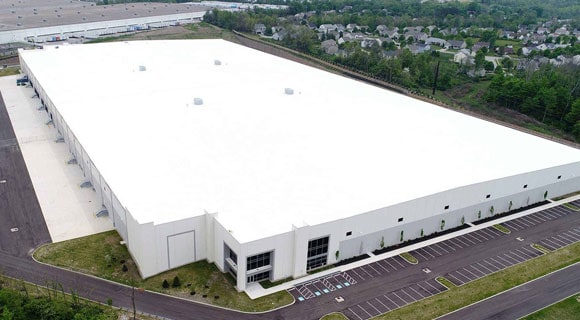
Energy Efficiency – PVC roofing is known for its reflective properties, which can help reduce energy costs. Its high solar reflectivity and emissivity ratings mean it reflects a significant portion of the sun’s heat, keeping the building cooler and reducing the load on HVAC systems.

Chemical Resistance – PVC is highly resistant to chemicals and pollutants, making it an ideal choice for roofs in industrial areas or locations with air pollution. It is also resistant to corrosion and rust.

Fire Resistance – PVC roofing materials are typically fire-resistant. They have a high ignition point and are classified as a Class A fire-rated roofing material.

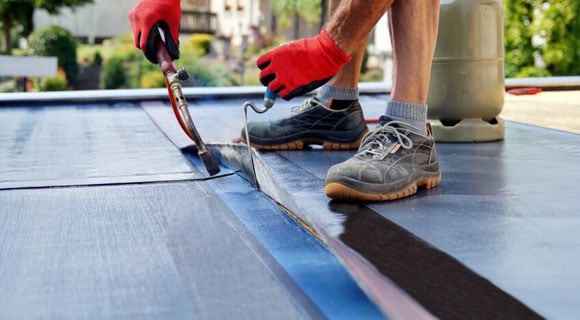
Easy Installation – PVC roofing membranes are lightweight and relatively easy to install. This can result in faster installation times and reduced labor costs compared to other roofing materials.

Watch this video to see how PVC roofing systems are adhered to the substrate.

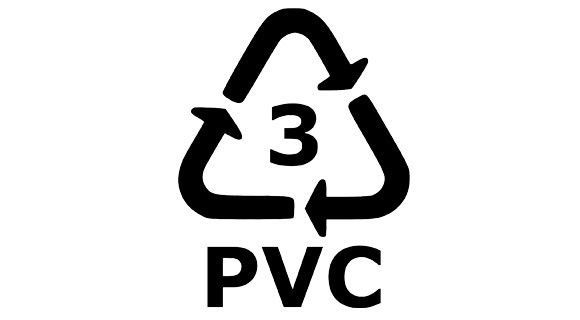
Recyclable – PVC roofing can be recycled at the end of its life, reducing environmental impact. Many manufacturers offer recycling programs for old PVC roofing materials.

PVC roofing system recyclable

PVC Roofing Disadvantages

Cost – PVC roofing can be more expensive upfront compared to some other roofing materials, such as EPDM (ethylene propylene diene monomer) or TPO (thermoplastic olefin). However, its durability and longevity often make it a cost-effective choice in the long run.

Plastic Appearance – Some people find the appearance of PVC roofing less aesthetically pleasing compared to traditional roofing materials like shingles or metal. It has a distinct plastic-like appearance.

Heat Welding Expertise – Expert heat welding is required for PVC roofing installation. If done incorrectly, it can lead to weak seams and potential water infiltration. Therefore, it’s essential to hire experienced roofing contractors.

Environmental Concerns – PVC is made from chlorine, a chemical that raises environmental concerns due to its production process. However, it’s worth noting that many PVC roofing manufacturers have taken steps to reduce the environmental impact of their products, including recycling initiatives.

Puncture Resistance – While PVC is generally durable, it may be susceptible to punctures from sharp objects or heavy debris. Regular inspections and maintenance can help address this issue.

Limited Color Options – PVC roofing typically comes in limited color options, primarily white or light colors. This can limit design choices for those looking for a specific aesthetic.

Expansion and Contraction – PVC roofing materials can expand and contract with temperature fluctuations. Proper installation techniques and considerations for thermal movement are necessary to prevent issues.

PVC Roofing Maintenance Tips

To ensure the longevity and performance of your PVC roofing, follow these maintenance tips:

Regular Inspections – Inspect your roof at least twice annually and after severe weather events to check for damage or debris.

Cleaning – Remove debris, leaves, and dirt from the roof’s surface to maintain its reflective properties.

Seam Checks – Pay special attention to the welded seams, as this is a common area for potential leaks. Repair any damaged seams promptly.

Trim Overhanging Branches – Trim tree branches that overhang the roof to prevent potential damage from falling limbs.

Tree branches trimmed back

Professional Inspections – Consider having professional roofing inspections periodically to catch any issues early and ensure proper maintenance.

Read more about home maintenance tips at newimageroofingatlanta.com/home-maintenance-tips-homeowners-must-know

How PVC Roofing is Manufactured

PVC (Polyvinyl Chloride) roofing, a popular choice for its durability and versatility, undergoes a meticulous manufacturing process. Here’s an overview of how PVC roofing is manufactured:

Material Preparation – The process begins with the preparing PVC resin, plasticizers, stabilizers, and other additives. These materials are carefully selected to achieve the desired characteristics, such as flexibility, UV-resistance, and fire resistance.

Mixing and Compounding – The raw materials are mixed and compounded in precise proportions to create a homogenous PVC compound. This compound is heated and blended to form a consistent, workable material.

Extrusion – The PVC compound is fed into an extruder, a machine that melts the material and shapes it into sheets or membranes. The extrusion process allows for precise control over the thickness and width of the PVC roofing material.

Reinforcement – To enhance the strength and dimensional stability of the PVC roofing membrane, a layer of reinforcement fabric, typically polyester or fiberglass, is added.

Fiberglass reinforces PVC membranes

This reinforcement layer is embedded within the PVC material during the extrusion process.

Cooling and Sizing – After extrusion, the PVC roofing material passes through cooling rollers to solidify it. It is then cut and sized according to the desired product specifications.

Rolling and Packaging – The finished PVC roofing sheets or membranes are rolled onto large spools or cut into manageable sizes for packaging and transportation.

Throughout PVC manufacturing, quality control measures are in place to ensure that the PVC roofing meets industry standards and specifications. This includes testing for thickness, strength, flexibility, and resistance to environmental factors like UV radiation. The result is a durable and reliable roofing material that can provide long-lasting protection for a wide range of commercial and industrial applications.

PVC Roofing Systems

In this article, you discovered essential information on PVC roofing, its advantages, disadvantages, and manufacturing.

Your decision to install a PVC roofing membrane can provide decades of protection and energy savings for your residential, commercial, or industrial structure.

Failure to vet and consider the pros and cons of the roofing systems available for your structure may leave you with an inappropriate or problematic roof.

Sources:
ncbi.nlm.nih.gov/pmc/articles/PMC9003350
pvcroofing.org/performance-of-pvc-vs-tpo-roofing-membranes
ibhs.org/guidance/ricowi-roof-guide-single-ply-membrane

Photo credit: GAF

New Image Roofing Atlanta

2020 Howell Mill Rd NW Suite 232
Atlanta, GA 30318
(404) 680-0041
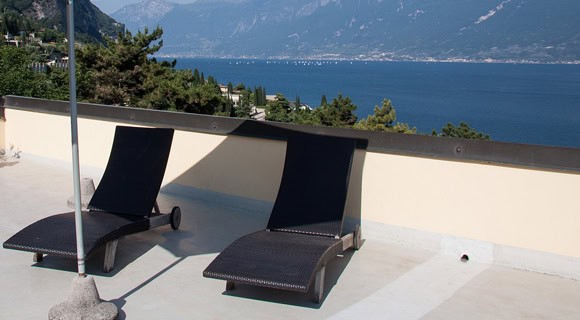
Avoid confusion with overwhelming roofing choices. Understanding the attributes and advantages of a TPO roofing system will help you make your commercial roofing selection with confidence.

TPO commercial roofing professional roofers

newimageroofingatlanta.com gathered essential information on TPO roofing systems, their benefits, installation, potential issues, and how they are manufactured.

What is TPO?

TPO is Thermoplastic Olefin. It is a single-ply roofing membrane used to cover flat and low-slope roofs. TPO roofing systems are made from blending polypropylene and ethylene-propylene rubber reinforced with polyester or fiberglass. The result is a flexible, durable, and energy-efficient roofing material used in residential and commercial applications. Consider the following TPO roofing system advantages:

Durability – TPO roofing systems are well-known for their durability. They can endure extreme weather conditions like:

  • High winds
  • Heavy rain
  • Hail

TPO is resistant to UV radiation and ozone, helping prevent premature degradation while extending your roof’s life.

Energy Efficiency – TPO roofing systems are highly reflective. This allows them to reflect a significant amount of sunlight and heat away from the building. This reflective property leads to lower cooling costs in the summer months, making TPO roofs environmentally friendly and cost-effective.

Cost-Effective – TPO roofing systems are affordable when compared to other roofing materials, like:

They offer a cost-effective solution for initial installation and long-term maintenance. Additionally, their energy efficiency can lead to significant savings on utility bills, further contributing to their cost-effectiveness.

Easy Installation – TPO roofing systems are lightweight and easy to install. This reduces labor costs and installation time, making them a practical choice for new construction and roof replacement projects.

TPO quickly installed

Environmentally Friendly – TPO roofing systems are recyclable, offering a significant advantage for those looking to reduce their environmental footprint. At the end of their lifespan, TPO membranes can be fully recycled into other products, reducing waste in landfills.

Versatility – TPO roofing membranes come in 3 thicknesses (45mil (15 year warranty), 60mil (20 year warranty), and 80mil (30 year warranty) and 3 colors (white, gray, and tan), allowing for customization to suit the aesthetic needs of your structure. This versatility and ability to handle hot and cold climates, makes TPO roofing systems suitable for many applications.

TPO Installation and Maintenance

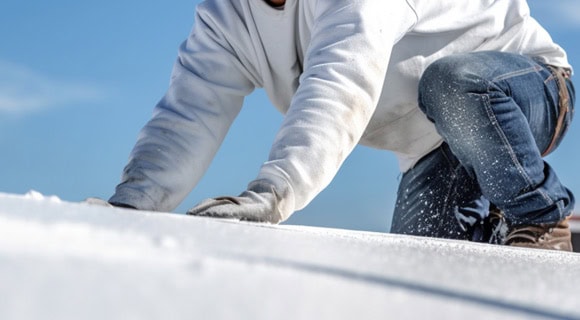
Installing a TPO roofing system should be done by qualified professionals. Proper installation is critical to ensuring the roof’s longevity and performance. The installation process is typically mechanically attached (screws and iso or TPO plates), fully adhered (glue or low rise foam), or ballasted (held down with gravel or rock). It’s essential to ensure seam integrity and make sure the membrane is securely fastened to prevent leaks.

TPO roofing welded at the seams

Regular maintenance is crucial to extend a TPO roofing system’s lifespan. Inspections should be conducted at least twice a year, with additional checks after severe weather events. Maintenance tasks often include cleaning the roof surface, inspecting seams and flashings, and repairing any punctures or tears promptly.

Potential Issues and Solutions

While TPO roofing systems are extremely durable, they are not entirely immune to issues. Some common problems that may arise include the following:

Punctures and Tears – Sharp objects, excessive foot traffic, or falling debris can puncture or tear a TPO membrane. These issues should be repaired promptly to prevent water infiltration.

Seam Failures – Regular seam inspections are essential to catch and repair any developing issues (weather related, foot traffic, ponding water, etc.).

Read more about roof maintenance plans at newimageroofingatlanta.com/residential-roofing-maintenance-plans-protecting-your-investment/

How is TPO Manufactured

Thermoplastic Olefin (TPO) roofing membranes are manufactured through a process combining multiple materials to create a flexible, durable, and thermoplastic roofing material. This process involves the following key steps:

Raw Material Selection – TPO membrane production begins with the selection of raw materials. A TPO membrane’s primary components are polypropylene and ethylene-propylene rubber. These materials are selected for their flexibility, durability, and resistance to environmental factors.

Polymer Blending – Raw materials (polypropylene and ethylene-propylene rubber) are blended together in predefined ratios to achieve TPO membrane’s desired characteristics. The blending process ensures the polymer’s uniform distribution, creating a homogenous mixture.

Reinforcement – To enhance TPO’s strength and dimensional stability, a reinforcement layer is added. This reinforcement layer is typically made of polyester or fiberglass fabric. It is embedded within the polymer blend during the manufacturing process.

Extrusion – The blended TPO compound is extruded through a die, forming a continuous sheet of TPO membrane. The thickness of the membrane can be controlled during the extrusion process by adjusting the die’s settings.

Calendering – After extrusion, the TPO membrane may go through a calendering process. This involves passing the membrane through a set of heated rollers, smoothing out the surface and adjusting the thickness to precise and consistent specifications.

Lamination (Optional) – Some TPO membranes undergo a lamination process, where an additional layer of TPO material is added to one side of the membrane. This enhances UV resistance and weatherability.

Cooling – The extruded and calendared TPO membrane is cooled to solidify the material and prepare it for further processing.

Cutting and Rolling – Once the TPO membrane has cooled and solidified, it is cut into predefined rolls. These rolls are then packaged and prepared for distribution to roofing contractors and manufacturers.

Quality Control – Throughout the manufacturing process, quality control measures ensure the TPO membrane meets specific industry standards and performance criteria. This includes testing for thickness uniformity, tensile strength, flexibility, and other desired properties.

Customization – Manufacturers can customize TPO membranes by adding colorants or pigments to achieve the desired color. Customization options allow the TPO roofing membranes to match the aesthetic requirements of multiple roofing projects.

Packaging – The finished TPO membrane rolls are packaged, labeled, and prepared for shipment to distributors or roofing contractors.

TPO roofing membranes are designed to offer excellent weather resistance, UV stability, flexibility, and ease of installation. Their thermoplastic nature means they can be heat-welded together during installation to create strong seams, which further enhance their waterproofing capabilities. Additionally, TPO roofing systems are known for their energy-efficient and reflective properties, making them the roofing industry’s “Gold Standard” for residential and commercial roofing applications.

Commercial TPO durable

Visit this YouTube channel for more information and valuable tips about this and other roofing systems.

TPO Roofing Membrane

In this article, you discovered essential information on TPO, its advantages, installation, problems, and manufacturing.

Your decision to install a TPO roofing membrane can provide decades of protection and energy savings for your residential or commercial structure.

Failure to fully evaluate and consider the pros and cons of the roofing systems available for your structure may leave you with an inappropriate roof.

Sources:
energystar.gov/products/cool_roofs_emissivity
epa.gov/sites/default/files/2017-05/documents/reducing_urban_heat_islands_ch_4.pdf
tporoofing.org/tpo-roofing-systems/
ibhs.org/guidance/ricowi-roof-guide-single-ply-membrane/

New Image Roofing Atlanta

2020 Howell Mill Rd NW Suite 232
Atlanta, GA 30318
(404) 680-0041
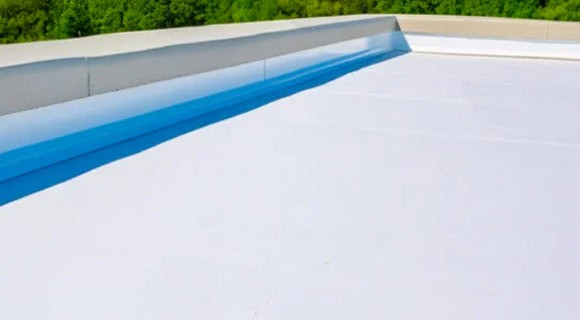
Avoid installing the wrong roofing system on your commercial building. Knowing the benefits of an EPDM roofing system and how one protects your structure will help you determine which commercial roofing system is best for your needs.

EPDM commercial roofing professional roofers

newimageroofingatlanta.com gathered essential information on EPDM roofing systems, their compelling benefits, and how they are manufactured.

What is EPDM?

EPDM (Ethylene Propylene Diene Monomer) is a synthetic rubber material commonly used in multiple applications, including roofing systems. This material is renowned for its excellent durability, weather resistance, and versatility. EPDM roofing membranes are widely used in the construction industry to install flat or low-slope roofs on industrial, commercial, and residential buildings. Consider the following benefits of EPDM roofing:

Exceptional Durability – One of the primary reasons for selecting an EPDM roofing system is its exceptional durability. EPDM is a synthetic rubber membrane that can withstand a range of environmental stressors, including:

  • Exposure to UV rays
  • Extreme temperatures
  • Inclement weather conditions

EPDM roofs have a proven track record of longevity. They can last anywhere from 20 to 30 years or more with proper maintenance, making them a durable, reliable, and cost-effective roofing solution.

Superior Weather Resistance – EPDM roofing systems are renowned for their ability to withstand a range of severe weather conditions. They are highly resistant to damage from rain, snow, hail, and ice. EPDM membranes are designed to expand and contract with temperature fluctuations, ensuring they remain intact and effective over time. This weather resistance provides unparalleled peace of mind to property owners, knowing that their roofs can stand up to the elements.

Energy Efficiency – EPDM roofs are excellent at reflecting sunlight and heat away from the structure, contributing to significant energy savings. EPDM roofing’s reflective nature helps reduce the cooling load on the building during hot summer months, leading to lower energy bills. EPDM roofing materials are often completely recyclable, further promoting environmental sustainability and reducing your carbon footprint (associated with cooling systems).

Low Maintenance Requirements – Maintaining an EPDM roofing system is straightforward, and its low maintenance requirements are another significant advantage. Routine inspections and occasional cleaning are typically all that’s required to keep your EPDM roof in excellent condition. EPDM’s resistance to mold and algae growth helps maintain its pristine appearance and structural integrity, reducing the need for frequent repairs or replacements.

Cost-Effective Installation – EPDM roofing systems are known for their cost-effective installation. They are lightweight and can be installed quickly, which leads to reduced labor costs. Additionally, EPDM membranes come in large rolls, allowing for seamless installation with minimal seams or joints, reducing the risk of leaks over time. This efficiency in installation can save property owners substantial time and money.

EPDM commercial roofing repair and maintain

Eco-Friendly Alternative – EPDM roofing systems are an eco-friendly roofing option. EPDM membranes are typically composed of recyclable materials and can be fully repurposed at the end of their useful life. This sustainable aspect aligns with the growing demand for environmentally responsible construction practices.

Note: EPDM roofs also contribute to energy efficiency, reducing the carbon footprint of the building and helping property owners reduce their environmental impact.

Versatility and Adaptability – EPDM roofing systems are incredibly versatile and adaptable to multiple architectural styles and roof designs. They can be installed on flat roofs, low-slope roofs, or even steep-slope roofs. EPDM roofing materials are available in different thicknesses and can be fully adhered, mechanically fastened, or ballasted, depending on your project’s specific needs. This versatility makes EPDM a suitable choice for both new construction and roof replacement projects.

See if an EPDM roofing system is appropriate for your structure by requesting a free roof inspection.

How is EPDM Manufactured?

To fully understand how EPDM offers so many incredible benefits, here’s an overview of how EPDM roofing membranes are manufactured:

Raw Materials – EPDM is made from a combination of several raw materials, including:

  • Ethylene
  • Propylene
  • Diene monomers

These materials are derived from petrochemical sources. The specific formulations and additives may vary depending on the manufacturer and the intended application.

Polymerization – The manufacturing process begins with the polymerization of the raw materials. This process chemically bonds the ethylene, propylene, and diene monomers to create the EPDM polymer. The polymerization is typically done using catalysts and heat.

Vulcanization – After the EPDM polymer is formed, it needs to be vulcanized to achieve its desired physical properties. Vulcanization is a polymer cross-linking process that increases strength, durability, and heat resistance. This is typically achieved by adding sulfur and using heat or chemical accelerators.

Processing – The vulcanized EPDM rubber is processed into the desired form, which is often in large sheets or rolls. During this stage, multiple additives may be mixed in to enhance specific properties, like UV resistance, flexibility, and/or flame resistance.

Sheet Formation – The EPDM rubber is then processed into sheets or rolls at a desired thickness. These sheets are typically available in various widths and lengths to suit different roofing applications.

Curing – The EPDM sheets may go through a curing process to ensure that they are fully set and ready for use. This process typically involves applying heat to further improve their physical properties.

Reinforcement – Some EPDM roofing membranes may have reinforcement layers incorporated into them. These reinforcement layers, often made of polyester or fiberglass, are embedded within the EPDM sheets (creating a composite) to provide additional strength and stability.

Final Quality Control – Before the EPDM roofing material is packaged and shipped to customers, it undergoes multiple rigorous quality control checks to ensure that it meets industry standards and specifications. This includes checking for defects, thickness consistency, and quality.

Once the EPDM roofing material is manufactured and quality-controlled, it is ready for distribution and installation on roofs. EPDM roofing systems are known for their ease of installation, as the sheets can be adhered to the roof substrate using various methods, like adhesive, ballast, or mechanical fasteners.

EPDM commercial roofing easy to install

Visit and subscribe to this commercial and residential roofing contractor’s YouTube channel for short informational videos on multiple roofing topics.

EPDM Roofing Systems

In this article, you discovered what EPDM is, its multiple benefits, and how it is manufactured for roofing systems.

Understanding what EPDM is, its valuable benefits, and its extreme versatility will contribute to making informed decisions when installing or replacing your roofing system.

Failure to educate yourself about different roofing systems can lead to an inadequate or problematic roof being installed on your structure with costly consequences.

Sources:
energystar.gov/products/building_products/roof_products/other_types_roofing_that_can_save_energy
gccds.msstate.edu/research/altconstruction/roof/roof.pdf
vtechworks.lib.vt.edu/bitstream/handle/10919/109460/polymers-14-01308.pdf?sequence=1&isAllowed=y
mulehide.com/en-us/News-Events/Blog/why-choose-epdm

New Image Roofing Atlanta

2020 Howell Mill Rd NW Suite 232
Atlanta, GA 30318
(404) 680-0041