Tag Archive for: Roofing Companies Atlanta Georgia

Are you seeking a roofing solution with durability, fire resistance, and energy efficiency? Standing seam roofing systems for structures with a low slope may be the answer you are looking for.

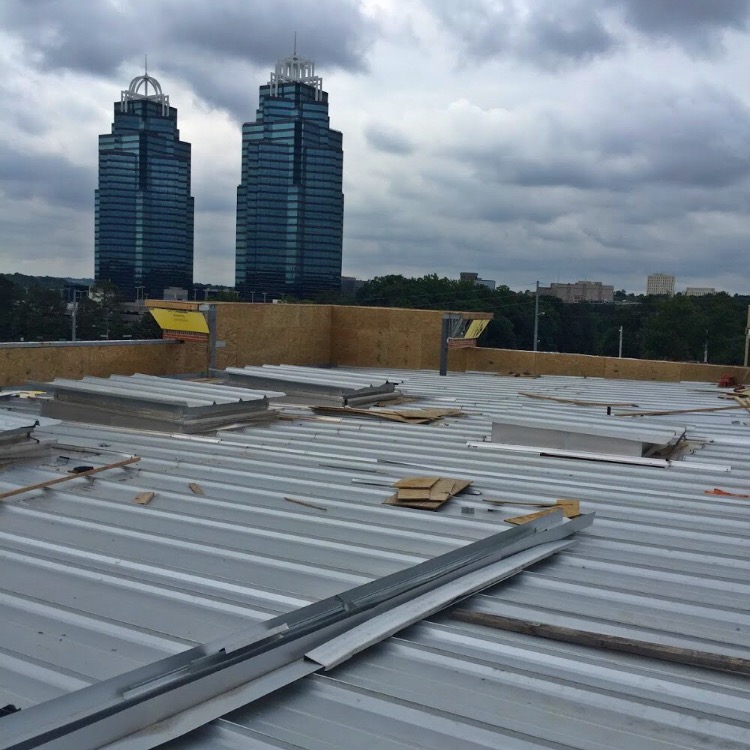
Low slope standing seam metal roofing professional installation

newimageroofingatlanta.com gathered essential information about standing seam systems for low-slope roofs, their advantages, and their disadvantages.

Understanding Standing Seam Roofing

Standing seam roofs feature raised seams that interlock to create a sleek, modern appearance. The seams run vertically along the roof’s surface, with panels typically made of metal, like steel, aluminum, or copper. These panels are joined using concealed fasteners, providing a clean, uninterrupted aesthetic while enhancing weather resistance and durability.

Read more about Metal Roofing at newimageroofingatlanta.com/roofing-services/roof-materials/metal-roof

Utilizing Standing Seam for Low-Slope Roofs
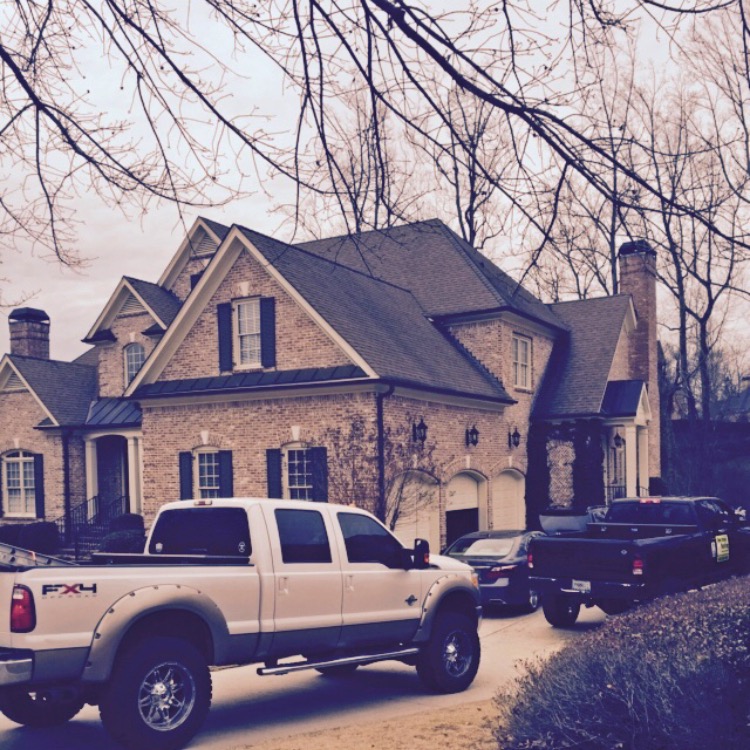
Low slope standing seam residential metal roofing

Traditionally, low-slope roofs have been dominated by materials like built-up roofing (BUR), modified bitumen, and single-ply membranes like EPDM and TPO. However, standing seam roofing systems are gaining popularity in this market segment due to their versatility and performance benefits. Here is how standing seam can be effectively used for low-slope roofs:

Enhanced Drainage – Standing seam roofs feature raised seams that create channels for water to flow off the roof surface quickly and efficiently. This enhanced drainage capability helps prevent water ponding and reduces the risk of leaks or water damage.

Sleek Aesthetic – A standing seam roof’s clean lines and modern aesthetic make it an attractive option for low-slope buildings, including commercial, industrial, and residential structures. The vertical orientation of the seams adds visual interest and architectural appeal to the overall design.

Long-Term Performance – Standing seam roofs are known for their durability and longevity, with metal panels offering excellent resistance to weathering, corrosion, and UV exposure. When properly installed and maintained, standing seam roofs can last 50 years or more, providing a long-term roofing solution for low-slope applications.

Customization Options – Standing seam roofs come in multiple materials, finishes, and colors, allowing customizations to match the building’s aesthetics and design. Architects and building owners can choose from several options to achieve the desired look and feel for their low-slope roofs.

Standing Seam Roofing for Low-Slope Application Advantages

Weather Resistance – Standing seam roofs offer superior weather resistance, with raised seams and concealed fasteners providing enhanced protection against water infiltration, wind uplift, and snow loads.

Minimal Maintenance – Metal roofing requires minimal maintenance compared to traditional roofing materials, withstanding weather and environmental exposure effects without deteriorating or needing frequent repairs.

Energy Efficiency – Standing seam roofs can be designed with insulation and ventilation features to improve energy efficiency and reduce heating and cooling costs. Reflective coatings and cool-roof options help minimize heat absorption and optimize thermal performance.
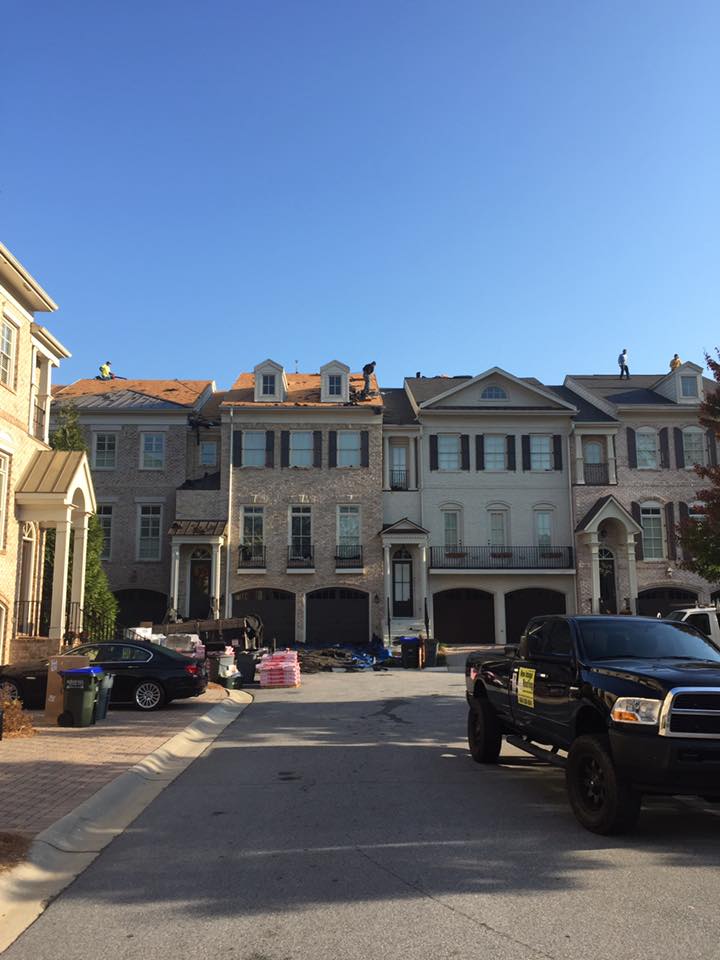
Low slope standing seam metal roofing green or cool roof option

Fire Resistance – Metal roofing is inherently fire-resistant, offering added protection against fire hazards and reducing ignition risks from airborne sparks or embers.

Note: Metal panel roofs are classified as Class A to meet the model building code’s fire provisions. However, the applicable building code may require a further fire-rated roof due to occupancy, construction type, and space conditions. Find additional information on fire protection for metal buildings HERE.

Standing Seam Roofing for Low-Slope Application Disadvantages

Cost – Standing seam roofs tend to have a higher upfront cost than traditional roofing materials, primarily due to the expense of materials, installation labor, and specialized equipment required.

Complex Installation – Installing standing seam roofs on low-slope surfaces can be complex and labor-intensive compared to steep-slope applications. Proper roof substrate preparation, flashing details, and seam connections are critical to ensuring a watertight seal and long-term performance.

Expansion and Contraction – Metal roofing materials are prone to expansion and contraction with temperature fluctuations, leading to stress on fasteners and seams over time. Proper installation techniques and allowances for thermal movement are essential to mitigate potential issues.

Noise – Metal roofs can be noisier than traditional roofing materials, especially during heavy rain or hailstorms. While sound-dampening underlayments and insulation can help mitigate noise transmission, some building occupants may find the sound of rain on a metal roof disruptive.

Low slope standing seam metal roofing weather resistance

Standing Seam Roofing System Installation

Standing seam roofing systems are renowned for their durability, sleek appearance, and weather resistance. Consider the following installation steps:

  • Installation begins with careful roof deck preparation, ensuring it is clean, dry, and structurally sound.
  • Underlayment is then applied to provide an additional moisture barrier.
  • The metal panels, typically steel or aluminum, are placed vertically from the roof’s ridge to the eaves.
  • Each panel features raised seams that interlock, often using hidden fasteners, creating a continuous, watertight surface.
  • This design enhances the roof’s aesthetic appeal and allows for thermal movement, reducing damage risks.
  • Precision and expertise are essential during installation to ensure proper panel alignment and secure attachment.
  • Flashing and trim pieces are installed at roof edges and around penetrations.
  • A professionally installed standing seam roof can last 40-70 years, offering excellent protection and energy efficiency.
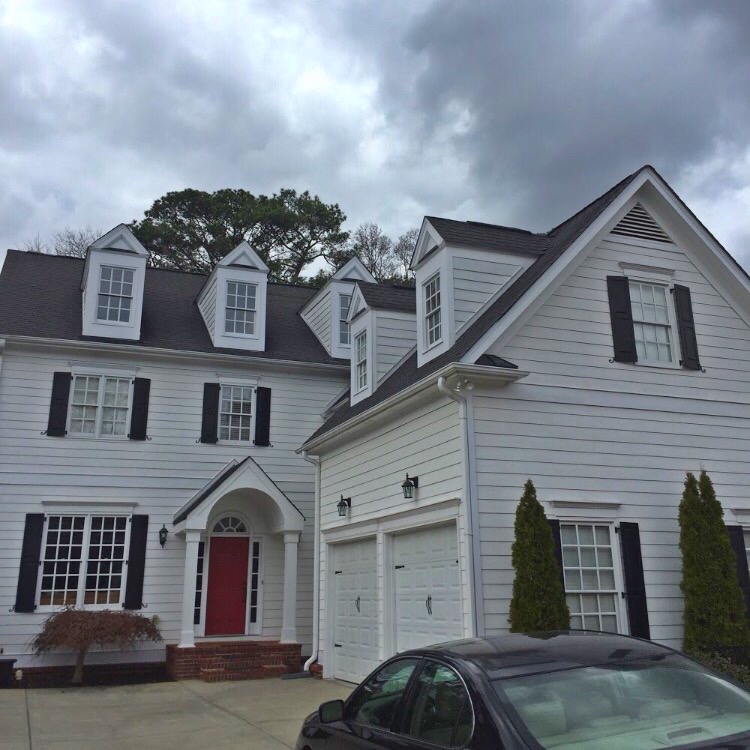
Low slope standing seam metal roofing installation and fastening

Contact THIS professional roofer for a free estimate.

Low-Slope Standing Seam Roofing Systems

In this article, you discovered how standing seam can be used for low-slope roofs and its advantages and disadvantages.

Your decision to install a standing seam roofing system can provide decades of protection, fire resistance, and energy savings for your residential, commercial, or industrial structure.

Failure to vet and consider standing seam for low-slope roofing systems pros and cons for your structure may leave you with an inappropriate or problematic roof.

Sources:
basc.pnnl.gov/resource-guides/metal-roofs
energy.gov/energysaver/cool-roofs
ibhs.org/guidance/ricowi-roof-guide-low-slope-metal

  New Image Roofing Atlanta
 

    2020 Howell Mill Rd NW Suite 232
    Atlanta, GA 30318
    (404) 680-0041
 

Avoid roof leaks and costly structural damage to your home. Understanding how residential roof inspections play a crucial role in identifying potential roofing system issues before they escalate into expensive repairs or replacements keeps your roof at its peak performance.

Inspection of a residential roof

New Image Roofing Atlanta gathered information about residential roof inspections, including why they are needed, when they should be performed, who should conduct them, and what details an inspector looks for.

Why Residential Roof Inspections Are Necessary?

Over time, residential roofs can deteriorate due to wear and tear, weather damage, or poor maintenance. Regular roof inspections are essential for identifying potential issues early and ensuring a home’s safety and integrity. A residential roof inspection is crucial for multiple reasons, including the following:

Early Damage Detection – Regular inspections allow homeowners to identify and address roof damage before it escalates into costly repairs or replacements.

Preventive Maintenance – Inspections help identify areas requiring preventive maintenance, like cleaning gutters, trimming overhanging branches, or repairing damaged shingles.

Gutter and downspout residential roof inspection

Safety – A structurally sound roof is essential for occupant safety. Inspections help ensure the roof can withstand the elements and prevent potential hazards like leaks, collapses, or mold growth.

Insurance Requirements – Some insurance policies require regular roof inspections as a condition of coverage. Failure to comply with inspection requirements may result in insurance claim denial related to roof damage.

Learn more about insurance claims and deductibles in this video.

Property Value – A well-maintained roof enhances your home’s curb appeal and value. Regular inspections and maintenance can help preserve its integrity and longevity, protecting your investment.

When Are Residential Roof Inspections Required?

While there is no set schedule for roof inspections, they are typically recommended under the following circumstances:

After Severe Weather Events – Inspect your roof after severe weather events like Hurricanes, Tornadoes, or Heavy Storms to assess for any damage caused by high winds, hail, or debris.

Seasonal Inspections – Consider scheduling annual or biannual roof inspections, especially before the start of the winter season when roofs are more vulnerable to damage from Snow, ice, and freezing temperatures.

Before Buying or Selling a Home – If you’re buying or selling a home, a professional roof inspection is essential to identify any existing issues or potential concerns that may affect the sale or purchase of the property.

Home for sale residential roofing system inspection

Older Roofs – As roofs age, they become more susceptible to wear and deterioration. Regular inspections are crucial for older roofs to assess their condition and identify necessary repairs or replacements.

Renovations or Additions – If you’re planning renovations or additions to your home, consider including a roof inspection as part of the pre-construction process to ensure compatibility and structural integrity.

Who Should Conduct Residential Roof Inspections?

Qualified residential roofing system inspector

While homeowners can conduct visual inspections of their roofs from the ground, professional roof inspections are recommended for a thorough assessment. Qualified individuals who can perform residential roof inspections include:

Licensed Roofing Contractors – Roofing contractors are experienced professionals trained to assess the condition of residential roofs, identify potential issues, and recommend appropriate repairs or replacements.

Certified Home Inspectors – These inspectors have the knowledge and expertise to conduct comprehensive inspections of residential properties, including roofs, as part of pre-purchase inspections or routine maintenance checks.

Insurance Adjusters – In some cases, insurance adjusters may perform roof inspections to assess damage for insurance claims or policy renewals. However, it’s advisable to seek an independent inspection for unbiased assessment.

What Do Inspectors Look for During Residential Roof Inspections?

During a residential roof inspection, inspectors typically assess the following:

Roofing Materials – Inspectors examine the type and material condition, including shingles, tiles, or metal panels (for wear, damage, or deterioration signs).

Roof Structure – Inspectors check the roof’s structural integrity, including the decking, rafters, trusses, and support beams, for sagging, rot, or water damage signs.

Flashing and Sealants – Inspectors examine flashing around vents, chimneys, skylights, and other roof penetrations, including sealants and caulking, to ensure they are intact and effectively sealing against water intrusion.

Gutters and Drainage Systems – Inspectors assess gutter, downspouts, and drainage system conditions to ensure they are debris-free and effectively channeling water away from the roof and foundation.

Attic and Interior – If accessible, inspectors may examine the attic and interior spaces for water stains, mold, or moisture buildup, which could indicate roof leaks or ventilation issues.

The following is a comprehensive checklist for residential roof inspections:

  • Overall condition of the roof surface
  • Presence of any visible damage or wear
  • Integrity of shingles or roofing material
  • Proper alignment and placement of shingles
  • Condition of flashing around vents, chimneys, and skylights
  • Adequate ventilation in the attic
  • Properly sealed roof penetrations (e.g., vents, pipes)
  • Condition of gutters and downspouts
  • Potential signs of water damage or leaks
  • Condition of fascia and soffits
  • Presence of any debris or vegetation on the roof
  • Adequate drainage to prevent standing water
  • Condition of the underlayment beneath the shingles
  • Any signs of mold, mildew, or algae growth
  • Checking for proper insulation in the attic
  • Assessing for any structural issues or sagging
  • Verifying compliance with local building codes and regulations

Attic inspection of a residential roof

Prioritizing regular roof inspections and addressing any issues enables homeowners to prolong their roof’s lifespan, maintain the home’s safety and integrity, and protect their investment.

Commercial Roofing System Inspection

In this article, you discovered residential roof inspection information, including why they are performed, when you should have them done, who should conduct them, and what inspectors look for during one.

Scheduling residential roof inspections keeps you ahead of potential roofing issues by keeping your roof in its best condition while significantly extending its lifespan.

Failure to stay on top of regular residential roof inspections will result in leaks and potentially catastrophic structural and internal damage.

Sources:
hud.gov/sites/documents/DOC_12334.PDF
fema.gov/press-release/20230502/fact-sheet-home-inspections-homeowners-and-renters
sites.psu.edu/socialtrends/2022/11/16/is-your-roof-properly-maintained/

  New Image Roofing Atlanta
 

    2020 Howell Mill Rd NW Suite 232
    Atlanta, GA 30318
    (404) 680-0041
 

Avoid roof leaks and costly structural damage to your commercial structure. Understanding how commercial roof inspections play a crucial role in identifying potential roofing system issues before they escalate into expensive repairs or replacements keeps your roof at its peak performance.

Professional inspections of commercial roofing systems

New Image Roofing Atlanta gathered information about commercial roof inspections, including why they are necessary, when they should be performed, who should conduct them, and what an inspector looks for.

Why Commercial Roof Inspections Are Necessary

Commercial roofs are exposed to various weather conditions, including rain, snow, wind, and UV radiation, which can cause wear and tear over time. Poor installation, design flaws, or irregular maintenance can cause roof deterioration. Regular roof inspections help identify potential problems early on, allowing for timely repairs and maintenance to extend the roof’s lifespan and prevent more significant issues from developing.

When Are Commercial Roof Inspections Required?

While there is no regulation mandating how often commercial roof inspections should occur, they are typically recommended annually. However, certain factors may necessitate more frequent inspections, like severe weather events, age, or recent construction activities nearby that could inadvertently damage the roof. Inspections may be required as apart of a property sale, lease agreement, or insurance policy.

For more information about free commercial roof inspections and scheduling one, visit newimageroofingatlanta.com/roofing-services/roof-maintenance/roof-inspections

Watch this video to discover more about insurance and deductibles when roof repairs or replacements are needed.

Who Performs Commercial Roof Inspections?

Commercial roof inspections should be conducted by qualified professionals with expertise in commercial roofing systems. This could include licensed roofers, roofing contractors, or certified building inspectors. It’s essential to select inspectors with experience in commercial roofing, as they are familiar with these structures’ unique challenges and requirements. Additionally, inspectors should adhere to industry standards and best practices outlined by organizations like the National Roofing Contractors Association (NRCA) or the International Facility Management Association (IFMA).

What Do Inspectors Look for During a Commercial Roof Inspection?

Inspector for commercial roofs

During a commercial roof inspection, inspectors evaluate the roofing system to assess its condition and identify potential issues (if any). Here are some areas inspectors typically focus on:

Roofing Materials – Inspectors examine the roof type and material condition, including membranes, shingles, tiles, or metal panels, to ensure they are intact and free from damage or deterioration.

Roof Structure – The roof’s structural integrity, including the decking, support beams, and trusses, can identify any signs of sagging, rot, or corrosion that could compromise the roof’s stability.

Flashing and Sealants – Inspectors check flashing around roof penetrations like vents, chimneys, skylights, and HVAC units, as well as sealants along seams and joints, to ensure they are installed and sealed to prevent water intrusion.

Drainage System – Proper drainage prevents water ponding and potential leaks. Inspectors evaluate gutter conditions, downspouts, scuppers, and drains to ensure they are clear of debris and functioning effectively.

Roof Penetrations – Any openings or penetrations in the roof, like vents, pipes, or equipment mounts, are inspected for leaks or damage signs that could compromise the roofing system’s integrity.

Insulation and Ventilation – Inspectors assess the insulation and ventilation system quality and condition to ensure they meet building code requirements and provide adequate thermal comfort and moisture control.

Safety Features – Safety measures like roof access points, guardrails, and fall protection systems are inspected to ensure compliance with OSHA regulations and protect workers during maintenance and repair activities.

Environmental Factors – Inspectors consider factors like tree overhangs, nearby construction activities, or environmental hazards that could impact the roof’s integrity and longevity.

The following is a more complete checklist of areas covered during a commercial roof inspection:

  • Overall roof membrane or material condition
  • Completing a core sample to discover roof composition
  • Seam and joint integrity in the roofing system
  • Proper drainage system to prevent water pooling
  • Flashing condition around HVAC units, vents, and other penetrations
  • Adequate insulation to meet energy efficiency requirements
  • Wear, tear, or puncture signs in the roofing material
  • Roof coating condition, if applicable
  • Roof access points and equipment properly functioning
  • Adequate roof slope to facilitate water runoff
  • Roof curbs, parapet walls, and other roof accessories conditions
  • Rooftop equipment assessment for potential damage or leaks
  • Rooftop penetration inspection for proper sealing and flashing
  • Compliance Verification with local building codes and regulations
  • Checking for any ponding water or excessive moisture signs
  • Evaluation of any rooftop vegetation or debris that could impact drainage or cause damage
  • Assessment for proper fire protection measures, if applicable

Conducting thorough inspections and addressing any issues allows commercial property owners to prolong the roof’s lifespan, maintain a safe and secure building environment, and avoid costly repairs or replacements in the future.

Inspections of commercial roofing systems

Commercial Roofing System Inspection

In this article, you discovered commercial roof inspection information, including why they are performed, when you need them done, who should conduct them, and what inspectors look for during one.

Scheduling commercial roof inspections keeps you ahead of potential roofing issues by keeping your roof in its best condition while extending its lifespan.

Failure to stay on top of regular commercial roof inspections will result in leaks and potentially catastrophic structural and internal damage.

Sources:
gsa.gov/real-estate/historic-preservation/historic-preservation-policy-tools/preservation-tools-resources/technical-procedures/checklist-for-the-routine-inspection-of-buildings
nrca.net/roofing-inspection-checklist
wbdg.org/guides-specifications/building-envelope-design-guide/roofing-systems-commercial-buildings

  New Image Roofing Atlanta
 

    2020 Howell Mill Rd NW Suite 232
    Atlanta, GA 30318
    (404) 680-0041
 

Keep roof damage from developing into costly leaks and repairs. Being knowledgeable about your residential roofing system allows you to maintain it and get damages promptly fixed.

Roof problems homeowners need to identify and repair

New Image Roofing Atlanta gathered information about 11 things you need to know about your residential roofing system to avoid severe damage and leaks and when to call a professional roofer. Consider the following:

1. Roof Material – Roofs come in various materials (asphalt shingles, metal, tile, and wood shakes). Each material has its lifespan and maintenance requirements. Understanding the roof material is the first step toward effective maintenance.

Homeowners need to know their roofing material

2. Roof Age – Knowing your roof’s age is crucial. Most asphalt shingle roofs last about 20-25 years, while metal and tile roofs can last longer, up to 50 years or more (with proper care and maintenance).

3. Regular Inspections – Ideally, twice a year, regular inspections can help identify minor issues before they become significant problems. Look for damage like cracked or missing shingles, rust spots on metal roofs, or algae growth.

4. Proper Ventilation – Proper attic ventilation is crucial for maintaining temperature and moisture levels in your home. Improper ventilation can lead to moisture buildup, which can cause mold, mildew, and premature roof deterioration.

Homeowners need to know how a roof is ventilated

Read more about residential roof ventilation at newimageroofingatlanta.com/residential-roof-ventilation

5. Gutter Maintenance – Clogged gutters can cause water to back up on the roof, leading to severe water damage and rot. Clean your gutters regularly and ensure they are correctly aligned to direct water away from your home’s foundation.

Click HERE for further reading on how roofing systems drain water.

6. Signs of Water Damage – Water stains on ceilings or walls, sagging spots on the roof, or mold growth in the attic are all signs of potential water damage. Quickly addressing water damage promptly can prevent structural issues and mold growth.

Homeowners need to know how to identify roof leaks

7. Ice Dams – In colder climates, ice dams can form on the roof’s edge, preventing proper drainage and causing water to seep under the shingles. Proper insulation and ventilation can help prevent ice dams from forming.

8. Roof Leaks – Small roof leaks can lead to significant damage if left untreated. Look for signs of water intrusion like, water stains, peeling paint, or dampness in the attic. Act quickly to repair roof leaks to prevent further damage to your home’s interior.

Homeowners need to know how to identify roof leaks

9. Storm Damage – Severe weather, including hailstorms and high winds, can cause damage to your roof. After a storm, inspect your roof for signs of damage and schedule repairs as needed to prevent further deterioration. Consider the following severe weather events:

Tip: Severe weather can happen throughout the year. If you suspect your roof has been damaged, call a roofer to have it inspected and repaired (if required) before the next significant weather event.

Watch this video to further understand how your deductible works when filing an insurance claim to repair or replace your roof after severe storm damage.

10. DIY Repairs – While minor repairs like replacing a few shingles can be done DIY, significant repairs or roof replacement should be left to professional roofers. Attempting complex repairs without proper knowledge and equipment can lead to further damage and safety hazards.

Note: Your roofing system’s warranty may prohibit any DIY repairs. Read your warranty thoroughly and contact your roofer with any questions or doubts.

11. When to Call a Roofer – There are several situations where it is essential to call a professional roofer. Consider the following:

  • Roof Leaks – If you notice signs of a roof leak, like water stains or dampness in your home (call a roofer to identify and repair the leak source).
  • Missing or Damaged Shingles – Missing or damaged shingles compromise the integrity of your roof and leave it vulnerable to water damage and rot. A roofer can assess the extent of the damage and recommend repairs or replacement.
  • Sagging Roof – A sagging roof is a sign of severe structural issues that require immediate attention from a professional roofer.
  • Severe Weather Damage – After severe weather, like hailstorms, hurricanes, or tornadoes, it is crucial to have your roof inspected for damage by a qualified roofer.
  • Roof Replacement – If your roof is nearing or exceeding its lifespan or has sustained extensive damage, it may be time for a replacement. A professional roofer can help you choose the most adequate material and ensure proper installation.

Homeowners need to know how to inspect and repair roof damage

Read about 15 top residential roofing questions at newimageroofingatlanta.com/15-top-roofing-questions-and-answers

Residential Roofing

In this article, you discovered 11 roofing facts a homeowner must know to properly maintain their roofing system and help it reach its expected lifespan.

Being knowledgeable about your roof and knowing when to call a roofer will help your roof reach or exceed its lifespan without permitting extensive water or structural damage.

Ignoring your roofing system’s needs or failing to promptly address issues will lead to extensive damage and costly repairs.

Sources:
sites.psu.edu/socialtrends/2022/11/16/is-your-roof-properly-maintained
campuspress.yale.edu/ledger/10-warning-signs-you-need-a-new-roof

  New Image Roofing Atlanta
 

    2020 Howell Mill Rd NW Suite 232
    Atlanta, GA 30318
    (404) 680-0041