Tag Archive for: Roofing Companies Near Me Ga

Commercial property owners often deal with leaks, grease exposure, standing water, and expensive repairs. Restaurants place tremendous stress on roofing systems because kitchen exhaust systems release oils and contaminants that gradually break down many traditional roofing materials. When roofing membranes fail, interior damage, business interruptions, and costly repairs can quickly follow. Understanding how Duro-last membrane roofing systems work and why they are widely trusted (within commercial roofing applications) can help property owners make better long-term decisions.

duro last membrane flat roofing

New Image Roofing Atlanta gathered information on Duro-last membrane roofing systems to help commercial property owners understand how these roofing systems differ from other membranes and why they are often preferred for restaurant roofing applications. This article explains what Duro-last membranes are, how they perform under demanding conditions, why certified installation is required, and how preventive maintenance can help maximize roof lifespan and performance.

Key Takeaways for Duro-last Roofing Systems

duro last membrane flat roofing infographic

Duro-last roofing systems are engineered for commercial flat and low-slope roofing applications. One major takeaway is that these roofing membranes are not installed like many traditional roofing systems. Duro-last membranes are custom-fabricated before arriving at job sites, which significantly reduces the number of seams and installation time. Fewer seams often translate into fewer leaks and improved long-term waterproofing performance.

Another important takeaway involves durability. Restaurants and commercial buildings frequently generate rooftop contaminants such as grease, oils, and chemical exhaust from HVAC systems and kitchen vents. Many standard roofing membranes deteriorate after prolonged exposure to these substances. Duro-last membranes are designed to resist grease infiltration and chemical exposure more effectively than many traditional roofing materials, making them especially attractive for restaurant roofing systems.

Certification requirements are another critical factor. Duro-last roofing systems require specially trained and certified contractors for installation, repairs, and maintenance. This certification process ensures roofing professionals understand manufacturer specifications, welding procedures, drainage requirements, and warranty compliance standards. Property owners should avoid hiring uncertified contractors because improper installation may void warranties and compromise roofing performance.

Energy efficiency also makes these systems highly desirable. Duro-last membranes are commonly manufactured in highly reflective white finishes that help reduce rooftop heat absorption. This reflective surface can increase energy efficiency by lowering cooling demands during the summer months, particularly in commercial kitchens and restaurant environments where temperatures are already elevated.

Preventive maintenance remains essential despite strong durability. Regular inspections, drainage cleaning, flashing evaluations, and seam inspections help identify potential issues before major failures occur. Even premium roofing systems benefit from proactive maintenance strategies.

Finally, working with experienced certified contractors ensures proper performance and long-term reliability. New Image Roofing Atlanta is licensed for Duro-last installation, repair, and maintenance, and earned recognition as a “Best of Buckhead” 2026 Winner for Roofing Services. Choosing qualified professionals helps commercial property owners protect their investment and maintain warranty compliance.

What Are Duro-last Membrane Roofs?

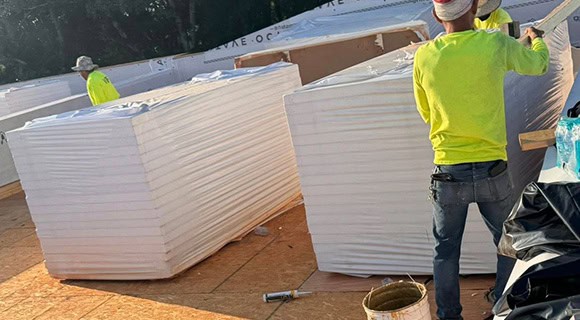
duro last rolls and material membrane flat roofing

Duro-last roofing systems are single-ply PVC membrane roofing systems designed primarily for commercial and industrial applications. These roofing systems are engineered for flat and low-slope roof structures where waterproofing reliability and long-term durability are essential.

Unlike many conventional membrane systems that require extensive installation and fabrication, Duro-last roofing materials are prefabricated in factory-controlled environments. Roofing sections are measured and manufactured according to specific building dimensions before delivery to job sites. This process reduces material waste and minimizes field seam requirements.

The membrane itself consists primarily of reinforced thermoplastic polyvinyl chloride material designed to resist punctures, moisture infiltration, ultraviolet exposure, and chemical contamination. Heat-welded seams create durable, watertight connections that enhance long-term performance.

Duro-last systems are commonly installed on:

  • Restaurants
  • Warehouses
  • Retail centers
  • Office buildings
  • Manufacturing facilities
  • Educational buildings

Their versatility and durability make them highly desirable for demanding commercial roofing environments.

How Duro-last Membranes Differ From Other Roofing Membranes

fully adhered duro last membrane flat roofing

Several characteristics set Duro-last systems apart from traditional membrane roofing products.

Prefabricated Design

Traditional roofing systems often require significant cutting and fabrication directly on rooftops. Duro-last membranes are custom-manufactured beforehand, reducing installation errors and minimizing exposed seams.

Heat-Welded Seams

Duro-last systems use hot air-welded seams rather than adhesive-dependent seam systems common in some roofing products. Welded seams create stronger, watertight connections that resist moisture infiltration more effectively.

Grease and Chemical Resistance

Restaurant rooftops frequently experience grease contamination from kitchen exhaust systems. Duro-last membranes resist grease and chemical exposure better than many EPDM or modified bitumen systems.

Reflective Energy Efficiency

White reflective surfaces help reduce rooftop temperatures and improve energy efficiency. This benefit becomes especially valuable in hot climates where cooling demands are significant.

Reduced Installation Time

Prefabrication allows installation crews to complete projects more efficiently with reduced rooftop labor and fewer weather-related delays.

Why Duro-last Roofing Is Preferred for Restaurants

duro last pvc membrane flat roofing

Restaurant roofing systems face unique challenges compared to many other commercial properties. Constant grease exhaust, elevated rooftop temperatures, moisture exposure, and HVAC activity place heavy stress on roofing materials.

Duro-last systems are often preferred because they offer:

Grease Resistance

Kitchen exhaust systems release oils that can degrade many roofing materials over time. Duro-last membranes resist grease absorption and chemical deterioration more effectively than several competing products.

Leak Prevention

Restaurants cannot afford significant interior water intrusion that disrupts operations or damages kitchen equipment. Reduced seam counts and welded connections help minimize leaks.

Easier Maintenance

Smooth membrane surfaces simplify cleaning and maintenance procedures around rooftop equipment and ventilation systems.

Energy Savings

Reflective membrane surfaces help reduce heat absorption, lowering cooling costs in commercial kitchen environments.

Long-Term Durability

Duro-last systems are engineered for demanding commercial conditions and can provide long service life when properly maintained.

Certified Installation and Maintenance Requirements

duro last membrane flat roofing certified contractor

One critical aspect many property owners overlook involves certification requirements. Duro-last roofing systems must be installed, repaired, and maintained by fully certified contractors.

Certification ensures roofing professionals understand:

  • Proper welding procedures
  • Drainage requirements
  • Flashing installation methods
  • Membrane attachment systems
  • Warranty compliance standards
  • Repair procedures

Improper repairs performed by uncertified contractors may void manufacturer warranties and compromise roofing integrity. Property owners should verify a contractor’s certification before authorizing any work on a Duro-last roofing system.

New Image Roofing Atlanta Roof Maintenance Contract
duro last membrane flat roofing certified maintenance

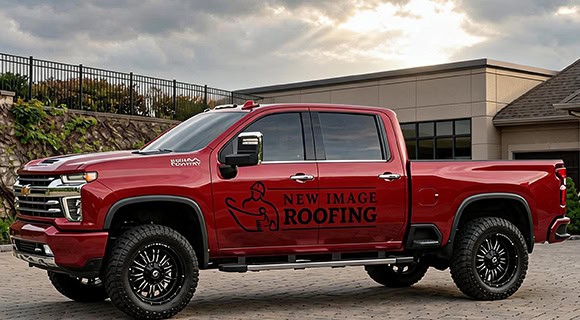
Preventive maintenance is crucial in maximizing the lifespan and performance of Duro-last roofing systems. New Image Roofing Atlanta offers roof maintenance contracts designed specifically for commercial roofing protection.

Maintenance services may include:

  • Roof inspections
  • Seam evaluations
  • Drainage cleaning
  • Flashing inspections
  • Grease contamination assessments
  • Minor repair services
  • Rooftop equipment evaluations

Routine maintenance helps identify vulnerabilities before major leaks or membrane failures develop. Preventive service also helps maintain manufacturer warranty compliance and extend roofing lifespan.

Hire New Image Roofing Atlanta 404-680-0041
best of buckhead duro last membrane flat roofing

Commercial roofing systems require experienced professionals with specialized training and certification. New Image Roofing Atlanta is fully licensed for Duro-last installations, repairs, and maintenance. New Image Roofing Atlanta earned recognition as a “Best of Buckhead” 2026 Winner for Roofing Services.

Their experienced team understands the unique challenges associated with restaurant roofing systems and commercial membrane roofing applications. From complete roof installations to preventive maintenance and emergency repairs, New Image Roofing Atlanta provides professional solutions designed to protect commercial properties and reduce long-term repair costs.

Working with a certified Duro-last contractor like New Image Roofing Atlanta ensures roofing systems remain compliant with manufacturer standards while maximizing durability and waterproofing performance.

bbb accredited roofer duro last membrane flat roofing

Duro-last Licensed Roofers

This article explained what Duro-last membrane roofing systems are, how they differ from traditional commercial roofing membranes, and why they are frequently preferred for restaurant roofing applications. You also learned why certified installation and maintenance are essential for warranty protection and long-term performance. Preventive maintenance and professional roofing expertise play significant roles in maximizing a roof’s lifespan and reducing any potential leaks.

Choosing a certified Duro-last roofing professional and maintaining your roofing system can improve waterproofing reliability, energy efficiency, and long-term cost savings. Strong commercial roofing systems help protect businesses from disruptions, interior damage, and expensive emergency repairs.

Ignoring maintenance requirements or hiring uncertified contractors can lead to seam failures, leaks, grease contamination damage, voided warranties, and costly structural repairs. Poor installation practices often shorten a roof’s lifespan and create unnecessary financial burdens for commercial property owners.

  New Image Roofing Atlanta
 

    2020 Howell Mill Rd NW Suite 232
    Atlanta, GA 30318
    (404) 680-0041
 

Hiring a roofing contractor without proper research can quickly turn a stressful roofing problem into a financial disaster. Many homeowners discover too late that poor workmanship, lack of insurance, unlicensed labor, and low-quality materials can lead to leaks, structural damage, failed inspections, and expensive repairs. Roofing projects represent a major investment, and choosing the wrong contractor can create long-term problems that affect both property value and safety. Knowing 10 crucial questions to ask before signing a contract can help homeowners avoid costly mistakes and hire qualified roofing professionals with confidence.

important roofing questions

New Image Roofing Atlanta gathered information about crucial roofing contractor qualifications, licensing requirements, warranties, insurance protections, and maintenance practices to help property owners make informed decisions before hiring a roofing company. This article outlines the ten most critical questions every homeowner should ask a roofer, explains desirable answers that indicate professionalism and reliability, and discusses the risks associated with hiring contractors without proper verification.

Key Takeaways for 10 Roofing Contractor Questions

important roofing questions infographic

One major takeaway is that roofing contractors should always be fully licensed and insured. A professional roofing company should willingly provide proof of business licensing, general liability insurance, and workers’ compensation coverage. These protections help shield homeowners from liability if accidents, injuries, or property damage occur during roofing projects. Contractors who hesitate to provide documentation may lack proper credentials or attempt to avoid accountability.

Another important takeaway involves experience and specialization. Roofing systems vary significantly between residential and commercial structures, and different materials require unique installation methods. Homeowners should hire contractors with direct experience related to their specific roofing type, whether asphalt shingles, metal roofing, tile roofing, or commercial membrane systems. Experienced contractors are more likely to recognize hidden structural issues and install roofing systems correctly.

Written estimates and detailed contracts are also essential. Reputable roofing companies provide clear written proposals outlining labor, materials, timelines, warranties, and payment schedules. Vague pricing or verbal agreements often lead to misunderstandings and unexpected costs later in projects.

Manufacturer certifications can further demonstrate professionalism. Some roofing systems require specialized training and certifications before installation or repair work can be performed according to manufacturer standards. Certified contractors generally receive updated training regarding installation techniques and product specifications.

References and previous project examples provide valuable insight into contractor reliability and workmanship quality. Established roofing companies should have portfolios, reviews, and references available for review. Homeowners should never rely solely on advertisements without verifying the actual project performance.

Maintenance planning is another critical factor many property owners overlook. Roofs require periodic inspections and preventive maintenance to maximize lifespan and reduce repair costs. Contractors offering maintenance programs demonstrate their long-term commitment to roofing performance rather than short-term sales.

Finally, choosing award-winning and trusted professionals improves project confidence. New Image Roofing Atlanta was selected as a “Best of Buckhead” 2026 Winner in Roofing Services because of its commitment to quality workmanship, customer service, and professional roofing expertise.

1. Are You Fully Licensed and Insured?

important roofing questions business license

This question should always come first.

Desirable Answer

A professional roofing company should immediately provide proof of:

  • State business licensing
  • General liability insurance
  • Workers compensation coverage

Why It Matters

Licensing demonstrates legal compliance and professional accountability. Insurance protects homeowners from financial responsibility if injuries or property damage occur during roofing work.

2. How Long Have You Been in Business?

important roofing company age questions

Experience matters significantly within the roofing industry.

Desirable Answer

Established roofing companies should have several years of documented experience and a strong local reputation.

Why It Matters

Long-standing companies are generally more stable and reliable. Contractors with extensive experience are better equipped to identify hidden roofing problems and provide durable solutions.

3. Do You Specialize in My Roofing System?

important roofing system questions

Not all roofers work with every roofing material.

Desirable Answer

Professional contractors should explain their direct experience with your roofing type, including:

  • Asphalt shingles
  • Metal roofing
  • Tile roofing
  • Flat roofing systems
  • Commercial membranes

Why It Matters

Incorrect installation methods can void warranties and shorten roof lifespan.

4. Can You Provide References and Work Examples?

important roofing questions work references

Reputable contractors should proudly showcase previous work.

Desirable Answer

Roofers should provide customer references, project photos, online reviews, and examples of completed projects.

Why It Matters

References help homeowners verify workmanship quality and customer satisfaction before signing contracts.

5. Will You Provide a Detailed Written Estimate?

important roofing questions estimates

Professional estimates should always be documented clearly.

Desirable Answer

Written estimates should include:

  • Material costs
  • Labor costs
  • Project timelines
  • Warranty details
  • Cleanup procedures
  • Payment schedules

Why It Matters

Detailed contracts reduce misunderstandings and protect both parties during roofing projects.

6. What Warranties Do You Offer?

important roofing warranty questions

Roof warranties vary significantly between contractors.

Desirable Answer

Roofing companies should explain both manufacturer warranties and workmanship warranties in writing.

Why It Matters

Strong warranty coverage demonstrates contractor confidence in installation quality and material performance.

7. Who Will Supervise My Roofing Project?

important roofing project supervision questions

Homeowners should know who oversees daily operations.

Desirable Answer

Professional companies should identify project managers or supervisors responsible for quality control and communication.

Why It Matters

Strong supervision improves organization, safety, and project consistency.

8. How Will You Protect My Property During Construction?

important roofing property protection questions

Roof replacements can create debris and landscaping risks.

Desirable Answer

Roofers should explain protective measures such as:

  • Tarp placement
  • Magnetic nail cleanup
  • Landscape protection
  • Debris containment

Why It Matters

Protective measures reduce property damage and improve overall project safety.

9. Do You Pull Required Permits?

important roofing questions permitting

Roofing permits are often legally required.

Desirable Answer

Professional contractors should handle permitting procedures and explain inspection requirements.

Why It Matters

Improper permitting can lead to fines, failed inspections, and future complications when trying to sell the property.

10. What Happens If Unexpected Damage Is Found?

important roofing damage discovery questions

Roofing projects sometimes reveal hidden structural issues.

Desirable Answer

Experienced contractors should explain how additional problems will be documented, priced, and communicated before repairs proceed.

Why It Matters

Clear communication prevents surprise expenses and project disputes.

Consequences of Hiring a Roofer Without Verification

important roofing questions qualifications

Failing to verify contractor credentials can create serious financial and structural problems.

Poor Workmanship

Unqualified contractors may install roofing materials incorrectly, resulting in leaks, premature deterioration, and warranty failures.

Lack of Insurance Protection

If uninsured workers are injured on your property, the homeowner may face legal liability and medical expenses.

Low Quality Materials

Some contractors cut costs by using substandard roofing products that fail prematurely.

Fraud and Abandonment

Dishonest contractors may demand large upfront payments before abandoning projects unfinished.

important roofing questions verification

Failed Inspections

Improper installation methods may violate local building codes and fail municipal inspections.

Reduced Property Value

Poor roofing workmanship negatively affects curb appeal, resale value, and buyer confidence.

New Image Roofing Atlanta Roof Maintenance Contract

important roofing maintenance questions

Preventive maintenance helps extend the roof’s lifespan and reduces repair costs. New Image Roofing Atlanta offers roof maintenance contracts designed to identify roofing issues before they become major structural problems.

Maintenance services may include:

  • Roof inspections
  • Flashing evaluations
  • Sealant repairs
  • Drainage cleaning
  • Minor shingle replacement
  • Storm damage assessments

Routine maintenance improves roof performance and helps homeowners address minor issues before major weather events occur.

Hire New Image Roofing Atlanta 404-680-0041

important roofing questions best of buckhead

Choosing a trusted roofing contractor provides peace of mind during roofing projects and emergency repairs. New Image Roofing Atlanta was selected as a “Best of Buckhead” 2026 Winner in Roofing Services because of its dedication to customer service, professional craftsmanship, and roofing expertise.

Their experienced team provides inspections, repairs, maintenance programs, and complete roof replacement services for residential and commercial properties throughout Atlanta. Professional roofing specialists understand local weather conditions, building requirements, and proper installation practices necessary for long-lasting roofing performance.

Working with qualified professionals helps homeowners protect their investment while ensuring roofing systems remain durable, safe, and code-compliant.

important roofing questions bbb accreditation

What To Ask A Roofer Before Signing A Contract

This article explained ten crucial questions homeowners should ask before hiring a roofing contractor and described desirable answers that indicate professionalism and reliability. You learned why licensing, insurance, references, warranties, written estimates, and experience are essential when evaluating roofing companies. You also discovered how preventive maintenance and professional oversight help protect roofing investments.

Asking these questions before hiring a roofer can help homeowners avoid scams, poor workmanship, and unnecessary financial risk. Careful contractor selection improves project quality, strengthens warranty protection, and increases confidence throughout roofing installation or repair processes.

Failing to verify roofing credentials and work quality can result in leaks, structural damage, failed inspections, financial losses, and dangerous safety risks. Hiring unqualified contractors is often more expensive than taking the time to properly evaluate professional roofing companies before work begins.

  New Image Roofing Atlanta
 

    2020 Howell Mill Rd NW Suite 232
    Atlanta, GA 30318
    (404) 680-0041
 

If you have ever looked up at your roof and noticed stones or gravel spread across its surface, you may have felt confused or even concerned. Many property owners assume something is wrong or that debris has accumulated over time. In reality, those stones are often placed there intentionally and play a critical role in protecting your roofing system. Understanding why they are there can help you avoid costly repairs and extend your roof’s lifespan.

rocks stone gravel ballast system low slope membrane roof

New Image Roofing Atlanta gathered information about commercial roofing systems, membrane applications, and ballast techniques to help property owners better understand this common yet often misunderstood feature. This article breaks down why stones are used, how ballast systems function, which membranes can be ballasted, and how proper maintenance ensures long-term performance.

Key Takeaways for Stones on My Roof

rocks stone gravel ballast system low slope membrane roof infographic

Gravel or stones on a roof are not random debris. They are a purposeful component used in specific roofing systems known as ballasted membrane roofs. These systems rely on weight rather than adhesives or mechanical fasteners to hold roofing materials securely in place. The stones act as a stabilizing layer that protects underlying membranes from wind uplift, UV exposure, and temperature fluctuations.

One major takeaway is that ballast improves durability. By shielding membranes from direct sunlight, stones reduce thermal expansion and contraction, which helps prevent cracking and premature aging. This added protection significantly extends roof life when compared to unprotected membrane systems.

Another key point is that ballast systems are cost-effective. Since they require fewer adhesives and fasteners, installation can be faster and less labor-intensive. This makes them an attractive option for large commercial buildings where efficiency and cost control are critical.

It is also important to understand that not all roofs use ballast. Gravel is typically found on flat or low-slope roofs rather than steep residential systems. These roofs are engineered to support added weight, making them suitable for stone application.

Maintenance is another critical factor. While ballast protects your roof, it must be evenly distributed and kept clean. Drainage systems can become clogged if debris mixes with stones, leading to water pooling. Routine inspections ensure that the ballast remains effective and that underlying membranes stay intact.

Finally, safety and expertise matter. Walking on a ballasted roof without proper knowledge can disturb stone distribution or damage hidden components. Professional inspections and maintenance services help preserve structural integrity and performance.

What Is a Ballasted Roofing System?

rocks stone gravel ballast system commercial low slope membrane roof

A ballasted roofing system is a flat or low-slope roof with a membrane laid loosely across a roof deck and held in place using heavy materials such as gravel, river rock, or concrete pavers. Instead of relying solely on adhesives or mechanical fasteners, the system uses weight to resist wind uplift and movement.

These systems are commonly used in commercial construction due to their efficiency, durability, and cost-effectiveness. The ballast layer serves multiple functions beyond stabilization, including protection and insulation support.

Types of Ballast Used on Roofs

There are several ways a membrane roofing system can be ballasted. Each method provides unique benefits depending on building design and environmental conditions.

Gravel Ballast

stone gravel ballast system low slope roof

Gravel is one of the most common ballast materials. Typically ranging between 1/4 inch and 1 1/2 inches in size, it is spread evenly across membrane surfaces.

Benefits include:

  • Uniform weight distribution
  • UV protection
  • Cost efficiency

Gravel ballast is often used in traditional built-up roofing systems and single-ply membranes.

River Rock Ballast

river rock ballast system low slope membrane roof

River rock consists of larger, rounded stones. These are heavier than standard gravel and are often used in areas exposed to higher wind conditions.

Advantages:

  • Increased wind resistance
  • Enhanced durability
  • Reduced movement during storms

Concrete Paver Ballast

paver ballast system low slope membrane roof

Concrete pavers provide a structured ballast system. These are large, flat slabs placed in a grid pattern across roof surfaces.

Benefits:

  • Superior weight and stability
  • Walkable surface for maintenance
  • Modern appearance for rooftop spaces
  • Pavers are often used for rooftop patios or areas requiring regular foot traffic.

Vegetative Ballast Systems

rocks stone gravel ballast system low slope membrane green roof

Green roofing systems use soil and plant layers as ballast. While more complex, these systems offer environmental benefits.

Advantages:

  • Natural insulation
  • Stormwater management
  • Improved air quality

Which Membrane Systems Can Be Ballasted?

Not all roofing membranes are suitable for ballast application. The following systems are commonly used with ballast:

EPDM (Ethylene Propylene Diene Monomer)

EPDM is a durable synthetic rubber membrane widely used in commercial roofing. It performs well under ballast due to its flexibility and resistance to weathering.

TPO (Thermoplastic Polyolefin)

TPO membranes can be installed in ballasted systems, though they are more commonly mechanically fastened or fully adhered. When ballasted, they benefit from additional protection against UV exposure.

PVC (Polyvinyl Chloride)

Duro-last or PVC membranes are another option for ballasted systems. They offer strong chemical resistance and durability, making them suitable for industrial environments.

Built-Up Roofing (BUR)

BUR systems often incorporate gravel as a top layer. This traditional method combines multiple layers of bitumen and reinforcing fabrics, finished with stone ballast for protection.

Why Stones Are Essential for Roof Performance

stone ballast system low slope membrane roof

Stones are not simply a weight layer. They provide multiple functional benefits:

  • Protect membranes from UV radiation
  • Reduce thermal stress caused by temperature swings
  • Minimize wind uplift risk
  • Extend service life
  • Improve fire resistance in some cases

Without ballast, membranes are more exposed to environmental damage, which may lead to faster deterioration and increased repair costs.

New Image Roofing Atlanta Maintenance Contract

maintenance program rocks stone gravel ballast system low slope membrane roof

Preventive maintenance is critical for any roofing system, especially ballasted roofs. New Image Roofing Atlanta offers a comprehensive roof maintenance contract designed to protect your investment and ensure long-term performance.

This program includes routine inspections, debris removal, and ballast redistribution to maintain even coverage. Technicians evaluate drainage systems to prevent water buildup and identify early signs of membrane wear or damage. By addressing minor issues before they escalate, property owners can avoid costly repairs and extend the roof’s lifespan.

Maintenance contracts also provide documentation for insurance and warranty compliance. Regular service ensures your roof continues to meet manufacturer requirements and building standards. With scheduled inspections and proactive care, your roofing system remains reliable year-round.

Hire New Image Roofing Atlanta 404-680-0041

rocks stone gravel ballast system low slope membrane roof best of buckhead

Choosing a trusted roofing contractor is essential for installation, repair, and maintenance. New Image Roofing Atlanta has built a strong reputation for quality workmanship, attention to detail, and customer satisfaction.

  • New Image Roofing Atlanta was recognized as a 2026 Best of Buckhead Winner for Roofing Services, reflecting workmanship acuity, customer satisfaction, and community trust. This distinction highlights consistent performance across commercial roofing projects.
  • Collaborative Approach – Seamless communication with architects, engineers, and general contractors ensures on-time delivery.
  • Commitment to Quality – Meticulous installation and maintenance methods backed by warranties, skill, and dedicated customer service.
  • BBB Accredited Business – New Image Roofing Atlanta is an accredited A+ Rated roofing contractor.

bbb accredited roofer rocks stone gravel ballast system low slope membrane roof

New Image Roofing Atlanta specializes in ballasted roofing systems, membrane installation, inspections, and long-term maintenance. Their experienced team understands local climate challenges and provides tailored solutions that maximize durability and performance.

From initial consultation to ongoing service, clients receive expert guidance and reliable support. Whether you need a new installation or maintenance for an existing roof, their team ensures your system performs at its best.

Ballasted Roofing Systems

You now understand why stones appear on certain roofs and how they serve as a critical component in ballasted roofing systems. From improving durability to protecting membranes and reducing maintenance costs, ballast plays an essential role in roof performance.

Taking action by maintaining your roof and working with experienced professionals can lead to a longer lifespan, fewer repairs, and greater peace of mind. A properly installed and maintained ballasted system provides reliable protection for years to come.

Ignoring these factors can result in uneven ballast distribution, drainage issues, and premature membrane failure. Without proper care, small problems can quickly become expensive repairs or full roof replacement.

  New Image Roofing Atlanta

    2020 Howell Mill Rd NW Suite 232
Atlanta, GA 30318
(404) 680-0041
Strange weather events can strike without warning, leaving property owners staring at seemingly impossible damage. Powerful gusts, sudden microbursts, or rotating storm cells can turn ordinary objects into airborne hazards (capable of landing in places no one expects). One moment, a commercial roof appears perfectly safe. The next moment, debris from another structure may appear across the roof surface, damaging membranes, puncturing flashing, or blocking drainage. Knowing how unusual weather damage occurs and understanding recovery options can help property owners respond quickly and prevent costly structural issues.

storm damage commercial low slope roof

New Image Roofing Atlanta gathered information about unusual storm damage patterns, structural vulnerabilities created during severe weather, and practical recovery strategies for commercial roofing systems. Roofing professionals across the Atlanta region occasionally encounter damage scenarios that appear unbelievable. One recent situation involved a steel awning torn from the front entrance of a commercial building and deposited intact on the building’s flat roof. This unusual incident highlights the power storms can create, leaving roofing troubles that require immediate professional attention.

Key Takeaways for Bizarre Weather Events

storm damage commercial low slope roof information

Severe weather often brings predictable damage, such as missing shingles or torn flashing. However, certain storms produce unusual wind patterns that create surprising damage scenarios. Sudden microbursts or rotating gust fronts may lift large objects and carry them across short distances before dropping them onto roofs or nearby structures.

One important lesson from bizarre weather events is to be prepared. Many property owners focus on common risks such as leaks or aging roofing materials, but rarely consider the impact of unexpected debris. Large items such as awnings, signage panels, construction materials, or HVAC components may become airborne during intense storms.

Commercial roofs with flat surfaces are especially vulnerable because wide open areas allow debris to land without obstruction. When heavy objects land on membrane roofing systems, they may puncture waterproof layers or crush insulation beneath the surface.

Regular roof inspections help identify vulnerabilities before storms occur. Loose flashing, unsecured rooftop equipment, and weakened roofing seams can worsen damage during strong wind events. Maintenance programs help technicians locate and correct these issues early.

Another takeaway is the rapid response after unusual storm damage. Even when a roof appears undamaged from ground level, hidden punctures or structural stress may exist. Professional roofing technicians can inspect membrane surfaces, seams, drains, and flashing systems to ensure waterproof protection remains intact.

Insurance documentation also becomes easier when maintenance records exist. Property owners who maintain organized inspection reports often resolve claims faster because the roof condition can be verified before the storm.

Finally, preventive planning reduces downtime. When property owners establish relationships with experienced roofing contractors before emergencies occur, response time improves dramatically after severe weather. Quick action prevents minor damage from becoming major structural problems.

How Severe Weather Can Cause Unimaginable Roof Damage

severe weather storm damage commercial low slope roof

Storm systems produce powerful forces capable of moving heavy materials in surprising ways. High velocity winds may create pressure differences between building surfaces that lift structural components or detach exterior fixtures.

One common example involves rooftop equipment becoming airborne. HVAC units that are poorly secured can shift or break loose during high-wind events. Once lifted, heavy equipment can slide across roof surfaces or fall onto adjacent structures.

Another example involves construction materials. During storms, unsecured plywood sheets, metal panels, or scaffolding components may become airborne before landing on nearby buildings. These materials often strike roofs with tremendous force, causing punctures or structural dents.

Signage panels represent another hazard. Large commercial signs mounted near rooflines sometimes break free during intense gusts. Once detached, they behave like giant sails, capable of traveling surprising distances before crashing onto roofing systems below.

However, one particularly unusual situation occurred recently when a steel awning detached from the front entrance area of a commercial building. Watch this CCTV footage of the awning being torn from the front of this commercial building.

Powerful wind lifted the structure completely and carried it up, depositing it intact onto the flat roof of the building. The awning remained largely undamaged, but the weight and impact placed enormous stress on the roof membrane beneath it.

Watch this video taken during the commercial roof inspection – showing the intact awning resting on the roof.

Flat roofs are designed to support environmental loads such as rainfall and equipment weight. They are not designed to absorb sudden impact from airborne steel structures. Even when damage appears minor initially, compression beneath membrane layers may compromise waterproof protection.

Situations like this demonstrate why professional inspection becomes essential after severe storms. Roofing technicians must examine the surface for hidden punctures, compressed insulation, or weakened seams that may allow water infiltration later.

New Image Roofing Atlanta Maintenance Contract

maintenance and repair storm damage commercial low slope roof

Preventive maintenance programs provide one of the strongest defenses against unexpected roof damage. A structured maintenance contract ensures commercial roofs receive consistent professional attention throughout the year.

New Image Roofing Atlanta offers maintenance programs designed to detect problems before storms expose vulnerabilities. During scheduled inspections, technicians examine roofing membranes, flashing systems, rooftop equipment mounts, and drainage systems.

Maintenance visits typically include debris removal from drains and gutters. Blocked drainage systems can cause water accumulation, adding stress to the roof structure during storms. Clearing debris reduces the risk of standing water, which weakens membranes over time.

Technicians also inspect flashing around vents, skylights, HVAC units, and parapet walls. Flashing protects critical transition points where water infiltration commonly begins. Early repair prevents leaks from developing during severe weather.

Roof maintenance programs also include documentation. Inspection reports provide clear records that describe the roof condition during each visit. This documentation helps property owners understand long-term performance while also supporting insurance claims (when storm damage occurs).

Another advantage involves rapid emergency response. Clients with maintenance contracts often receive priority scheduling during storm recovery periods. When bizarre weather events strike, technicians already familiar with the building structure can quickly assess damage and begin repairs.

Regular maintenance reduces long-term costs. Small repairs performed early prevent expensive reconstruction projects later. Property owners benefit from extended roof lifespan and improved protection against unusual storm damage.

Hiring New Image Roofing Atlanta

best of buckhead storm damage commercial low slope roof

Choosing experienced roofing professionals is crucial when severe weather events create unexpected damage. New Image Roofing Atlanta brings extensive commercial roofing expertise combined with rapid response capabilities.

Technicians understand how wind forces interact with various roofing systems including modified bitumen, TPO, EPDM, and built up roofing assemblies. This knowledge allows accurate damage assessment even when unusual debris impact occurs.

Company teams use advanced inspection techniques that include detailed surface evaluation and structural analysis. These inspections ensure hidden damage receives proper attention before leaks develop. Consider the following:

  • New Image Roofing Atlanta was recognized as a 2026 Best of Buckhead Winner for Roofing Services, reflecting workmanship acuity, customer satisfaction, and community trust. This distinction highlights consistent performance across residential roofing projects.
  • Collaborative Approach – Seamless communication with architects, engineers, and general contractors ensures on-time delivery.
    Commitment to Quality – Meticulous installation and maintenance methods backed by warranties, skill, and dedicated customer service.
  • BBB Accredited Business – New Image Roofing Atlanta is an accredited A+ rated roofing contractor.

bbb accredited storm damage commercial low slope roof

Reliable roofing contractors become valuable partners when unexpected damage occurs. Experience, reputation, and rapid response capabilities allow businesses to recover quickly after severe weather.

Bizarre Weather Damage

This article explored how bizarre weather events can create surprising roofing damage scenarios. Readers learned how strong winds can carry heavy objects such as signage panels, construction materials, HVAC equipment, or even steel awnings across short distances before depositing them onto nearby roofs. One unusual incident involving a steel awning (landing intact) on a commercial flat roof demonstrated how severe storms can become unpredictable. The article also explained how regular maintenance programs and professional inspections help property owners identify vulnerabilities and recover quickly after storms.

Following preventive maintenance practices can protect commercial roofing systems from unexpected damage. Regular inspections, debris removal, flashing repairs, and documentation create a strong defense against severe weather. Working with experienced professionals such as New Image Roofing Atlanta ensures a rapid response when severe storm events occur.

Without routine maintenance or inspections, slight issues can turn into severe structural problems. Hidden punctures or weakened seams caused by airborne debris can lead to water infiltration, insulation damage, and interior repairs that disrupt business operations. Preventive care and trusted roofing professionals help property owners avoid these costly consequences.

Sources:
news.okstate.edu/articles/agriculture/2021/stotts_storm-home-damage.html
wp.nyu.edu/mind/2023/03/10/tips-for-assessing-damage-to-your-home-after-a-storm

  New Image Roofing Atlanta
 

    2020 Howell Mill Rd NW Suite 232
    Atlanta, GA 30318
    (404) 680-0041