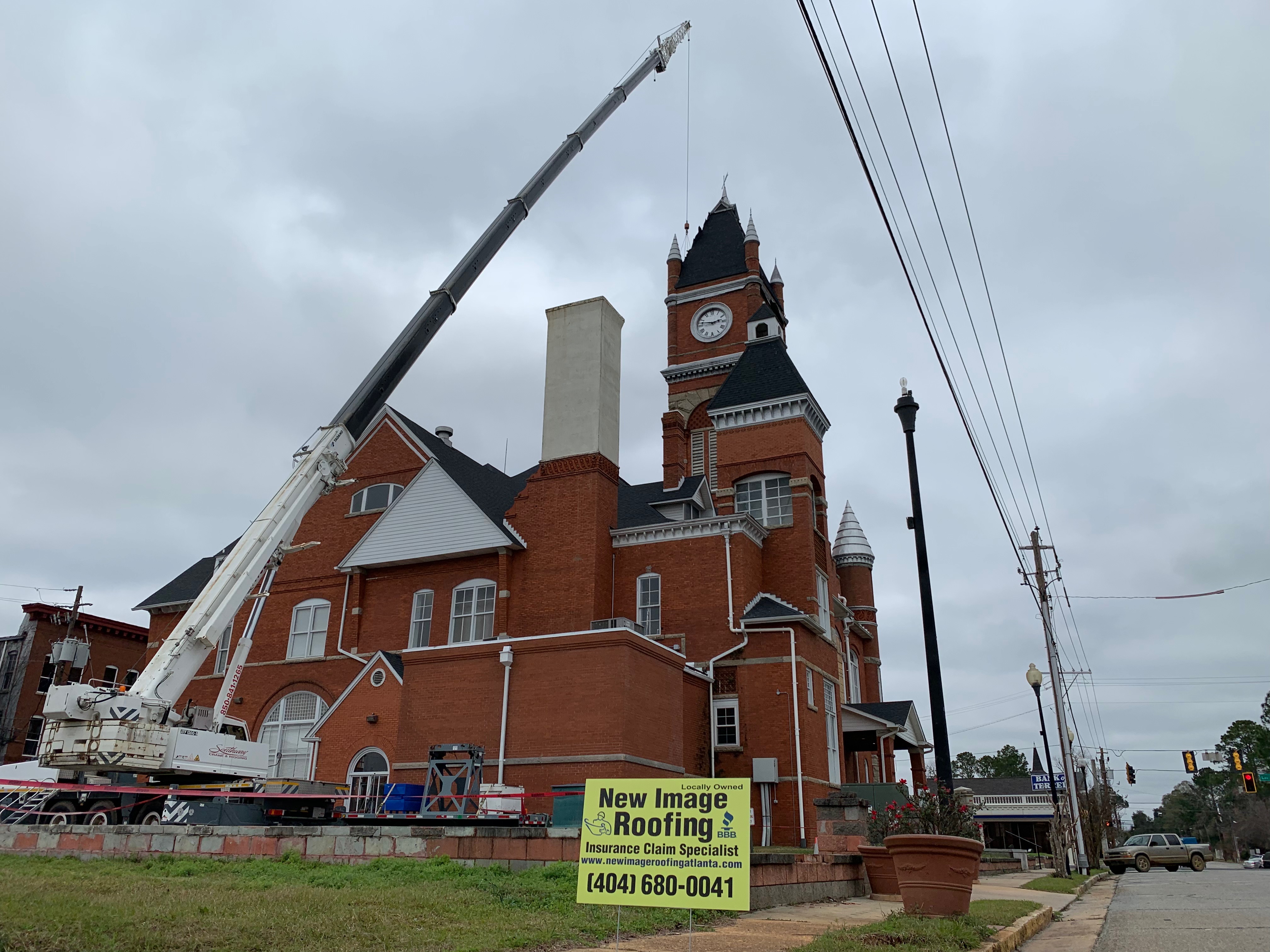
Tag Archive for: Roofing Companies Near Me Ga

Avoid prolonged business closure and revenue loss when a fire damages your commercial building. Knowing how to react to a building fire will save lives and minimize structural and cosmetic damage.

Fire damage commercial building roofing system

New Image Roofing Atlanta gathered crucial information about emergency procedures, damage assessment, cleanup, and restoration when a fire breaks out in your commercial building.

1. Evacuating a Commercial Building

A commercial building fire can be devastating and costly. Immediate action after the event can help mitigate damage and ensure a safe return to business operations. Consider the following information:

Stay Calm and Follow the Evacuation Plan

Fire alarm activation commercial building and roof fire damage recovery

The first and most crucial step during a fire is ensuring everyone’s safety. Ensure your commercial building has a well-communicated and regularly practiced evacuation plan. During a fire:

  • Activate the Fire Alarm: Ensure the fire alarm system is triggered to alert all occupants in the building.
  • Guide Employees and Visitors: Designated fire wardens should guide everyone to the nearest safe exit, following the evacuation routes.
  • Avoid Elevators: Use stairways, not elevators, as elevators could malfunction or become traps during a fire.
  • Close Doors Behind You: As you exit, close doors to contain the fire and slow its spread.
  • Account for Everyone: Once outside, gather at a pre-designated assembly point and account for all employees and visitors.

Assist The Elderly and Disabled

Ensure that elderly and disabled occupants are given priority assistance and have an assigned helper if needed. Ensure all staff knows the procedures for assisting anyone needing extra help evacuating.

2. Calling Emergency Responders

Emergency services for commercial building and roof fire damage recovery

Contact 911 Immediately

As soon as the fire is detected, call 911 to report the fire. Provide the dispatcher with:

  • The building’s address.
  • The nature of the fire (if known).
  • Any known hazards, like flammable materials.
  • The number of people in the building, if known.
  • The condition of the fire (e.g., visible flames, smoke).

Tip: While some fire alarms automatically alert emergency responders, call them anyway. The fire could disrupt communication lines.

Notify Key Personnel

Contact building management, security, and other essential personnel to inform them of the situation. This ensures that everyone is aware and can assist in managing the emergency.

3. Cleanup After the Fire

Cleanup after commercial building and roof fire damage

Prompt action after a fire is required to halt soot’s acidic properties and remove lingering odors from the building. Consider the following steps to make your commercial building habitable again:

Assess the Damage

Once the fire is extinguished and it’s safe to re-enter the building, conduct a damage assessment. This includes:

  • Smoke and Soot Damage: Smoke and soot can cause extensive damage to walls, ceilings, and furniture. The acidic nature of smoke and soot can corrode metals and stain surfaces if not removed promptly.
  • Water Damage: Water used to extinguish the fire can also cause damage. Flooded areas, soaked walls, and electrical systems must be addressed immediately to prevent further damage, corrosion, or mold growth.
  • Structural Damage: Inspect the building for any structural damage signs. Pay particular attention to load-bearing walls, support beams, and the roof.

Hire a Professional Cleanup Crew

Consider hiring a professional fire damage restoration company to ensure a thorough cleanup and restoration job. They have the tools and expertise to:

  • Remove Smoke and Soot Residue: Use specialized cleaning agents and equipment to remove smoke and soot from surfaces.
  • Water Extraction and Drying: Use high-powered fans and dehumidifiers to dry out soaked areas and prevent mold growth.
  • Debris Removal: Safely remove fire-damaged materials and debris from the site.

Air Out the Building

Open windows and doors to ventilate the building. This helps to remove lingering smoke odors and starts the drying process for any water-damaged areas.

4. Ensuring Building Integrity

Inspection for commercial building and roof fire damage recovery

Before reopening your commercial building to employees and visitors, you must ensure their safety by completing the following:

Structural Assessment

Before any repairs begin, a structural engineer should inspect the building to ensure it is safe for occupancy. The engineer will:

  • Evaluate the Stability: Assess the overall stability of the building and determine if any sections are a collapse risk.
  • Check Load-Bearing Walls and Beams: Ensure these components are intact and secure.
  • Roof Inspection: Inspect the roof for signs of damage, such as warping, sagging, or holes caused by the fire.

Making the Roof Safe

Commercial roof fire damage

A critical part of the post-fire inspection is assessing the roof’s condition. Even if the fire didn’t appear to reach the roof, it might still be compromised by:

  • Heat Damage: Intense heat can warp roofing materials and weaken the structure.
  • Water Damage: Water from firefighting efforts can seep into the roof, leading to potential water damage or mold.
  • Debris: Debris from the fire, such as charred materials, could be resting on the roof, adding weight and causing further damage.

Repairs or replacement may be necessary. It’s crucial to address roof damage quickly to prevent leaks, structural failure, or other problems that could arise.

5. Post-Fire Resources

After a fire, several key organizations and service providers need to be contacted to help restore your building and resume operations.

Insurance Company

Contact your insurance company as soon as possible to report the fire. They will:

  • Assign an adjuster to assess the damage.
  • Guide you through the claims process.
  • Provide coverage for fire, water, and smoke damage per your policy.

Watch this video for more information about insurance policies and deductibles.

Property Management

If you rent or lease your commercial space, notify your property management company. They can:

  • Coordinate with your insurance and restoration teams.
  • Provide guidance on your responsibilities versus the landlord’s for repairs and restoration.

Power Company

Contact your utility provider to:

  • Have the electricity turned off if it wasn’t already done by emergency responders.
  • Ensure that power is safely restored once repairs are complete.

Water Company

If your building suffered water damage, contact the water company to:

  • Address any potential issues with water lines or flooding.
  • Ensure that water service is safe to resume.

Gas Company

If your building uses natural gas, it’s crucial to contact the gas company to:

  • Ensure that the gas supply is safely shut off.
  • Conduct an inspection of the gas lines before turning the service back on.

Fire Restoration Services

Restoration services commercial building and roof fire damage

A professional fire restoration service can handle the entire cleanup and restoration process. These providers will work with your insurance company and can often provide comprehensive services, including:

  • Smoke and soot removal.
  • Water extraction and drying.
  • Structural repairs.
  • Roof inspection and repairs.

Local Government or Building Inspector

In some cases, local authorities or a building inspector may need to certify the commercial building is safe to occupy again. They will:

  • Conduct a final inspection after repairs.
  • Issue any necessary permits or certifications for reopening.

Commercial Building and Roof Fire Damage

In this article, you discovered crucial information and guidance on surviving a commercial building fire and how to get repairs done quickly.

Recognizing the extreme dangers of a commercial building fire will help you save occupant lives and get your business operational after a prompt cleanup and restoration.

Failure to take immediate action during a commercial building fire can result in excessive structural damage, severe revenue loss, indefinite business closure, and death.

Sources:
osha.gov/etools/evacuation-plans-procedures/eap/elements/floorplan-demo
fairfaxcounty.gov/fire-ems/building-evacuation-safety
smallbusinesscoach.org/essential-steps-for-successful-commercial-damage-restoration/
obpeace.org/index-3090.html

  New Image Roofing Atlanta
 

    2020 Howell Mill Rd NW Suite 232
    Atlanta, GA 30318
    (404) 680-0041
 

Avoid panic and confusion when a fire threatens to destroy your home. Knowing what to do after a home fire will help you secure your home and protect your loved ones.

Severe damage residential fire recovery

New Image Roofing Atlanta gathered crucial information and guidance on surviving and recovering from a catastrophic house fire.

1. Evacuating Your Home

Evacuating loved ones residential fire recovery

Experiencing a house fire will change your life in several (often traumatic or overwhelming) ways. Knowing the necessary steps required after the fire can help you regain control, ensure safety, and begin the recovery process. Consider the following:

Stay Calm and Follow Your Evacuation Plan

The first priority during a fire is your and your family’s safety. It’s vital to have an established evacuation plan that everyone in the household knows. During a fire:

  • Alert Everyone: If you detect a fire, immediately alert everyone in the house. Ensure that everyone knows how to get out quickly and safely.
  • Use the Safest Exit: Use the nearest exit to leave the house. Use a secondary exit or window when your primary exit is blocked by fire or smoke.
  • Avoid Smoke: If there is smoke, stay low where the air is cleaner, and cover your nose and mouth with a cloth.
  • Do Not Delay: Do not attempt to collect belongings or pets; focus on getting everyone out safely.
  • Gather at a Safe Location: Once outside, gather at a pre-designated meeting spot, away from the house, and ensure everyone is accounted for.

Assisting Those with Disabilities or the Elderly

Ensure that elderly or disabled family members are assisted during the evacuation. Assign a family member to help them if necessary and ensure everyone knows how to assist those who need it.

2. Calling Emergency Responders

Emergency responders residential fire recovery

The faster you engage emergency services, the less damage a fire can inflict on your home. Emergency responders typically arrive within minutes after an emergency call. Immediately do the following:

Contact 911 Immediately

Once everyone is safely outside, call 911 to report the fire. Provide the dispatcher with:

  • Your home’s address.
  • The nature and extent of the fire (if known).
  • Any known hazards, such as gas lines or flammable materials.
  • Whether anyone is still inside the house.

Tip: When calling emergency services, remain calm and concise (ensure the operator can understand you clearly).

Notify Neighbors

If the fire threatens neighboring homes, notify your neighbors and urge them to evacuate if necessary.

3. Cleanup After the Fire

Restoration services residential fire recovery

Fire and smoke damage may appear (and smell) much worse than it is. Here are the steps to get the cleanup started:

Assess the Damage

After the fire is extinguished and authorities have declared it safe to return, assess the damage. This includes:

  • Smoke Damage: Smoke can cause significant damage to walls, ceilings, and belongings. Smoke residue is acidic and can corrode metals and permanently stain surfaces.
  • Water Damage: Water used to extinguish the fire can cause its own set of problems, including waterlogged furniture, soaked walls, and potential mold growth.
  • Structural Damage: Inspect the home for any signs of structural damage, such as weakened walls, floors, or roofing.

Hire a Professional Cleanup Service

Ensure a thorough cleanup and restoration by considering a professional fire damage restoration company. These experts can:

  • Remove Smoke Residue: Use specialized cleaning agents and equipment to remove smoke stains and odors.
  • Water Extraction and Drying: Deploy industrial fans and dehumidifiers to dry out water-damaged areas and prevent mold.
  • Debris Removal: Safely remove fire-damaged materials and debris from your home.

Ventilate the Home

Open windows and doors to allow fresh air to circulate and help remove lingering smoke odors. This also aids in drying out any moisture from firefighting efforts.

Tip: Air movers (high-powered fans) can be placed near doors and windows to accelerate ventilation.

4. Ensuring Structural Integrity

The intense heat a fire produces can severely damage your home’s support beams (wood, metal, or concrete). Use the following to ensure you are entering a safely supported home.

Structural Inspection

Before making any repairs, it’s crucial to have your home inspected by a structural engineer to ensure it is safe to reoccupy. The engineer will:

  • Evaluate the Stability: Check the overall stability of the home, including load-bearing walls and support beams.
  • Inspect for Hidden Damage: Look for hidden damage that could compromise the home’s structural integrity.
  • Roof Inspection: Pay special attention to the condition of the roof, which may have been damaged by the fire or firefighting efforts.

Roof damage repair residential fire recovery

Roof Safety

A critical part of the post-fire inspection is assessing the roof’s condition. Even if the fire didn’t reach the roof, it might still be compromised by:

  • Heat Damage: Intense heat can cause roofing materials to warp or weaken.
  • Water Damage: Water used to fight the fire can seep into the roof structure, leading to potential water damage or mold growth.
  • Debris: Fire debris could have fallen onto the roof, adding weight and possibly causing damage.

If any issues are found, immediate repair or replacement is necessary to prevent leaks or further damage.

5. Post-Fire Resources

Roof damage residential fire recovery

After a fire, several key organizations and service providers should be contacted to help restore your home and begin the recovery process.

Insurance Company

Notify your insurance company as soon as possible to report the fire. They will:

  • Assign an adjuster to assess the damage.
  • Guide you through the claims process.
  • Cover fire, water, and smoke damage according to your policy.

Watch this video for more information about insurance policies and deductibles.

Property Management (if applicable)

If you rent your home, contact your property management company or landlord. They can:

Coordinate with your insurance and restoration teams.
Provide guidance on your responsibilities versus theirs in terms of repairs and restoration.

Utility Companies

Power Company

Contact your power company to:

  • Ensure the electricity is safely turned off if it wasn’t already done by emergency responders.
  • Safely restore power once repairs are complete.

Water Company

Reach out to your water company to:

  • Address any potential issues with water lines or flooding.
  • Ensure that water service is safe to resume.

Gas Company

If your home uses natural gas, contact the gas company to:

  • Ensure that the gas supply is safely shut off.
  • Conduct an inspection of the gas lines before turning the service back on.

Fire Restoration Services

damage restoration services residential fire recovery

A professional fire restoration service can handle the entire cleanup and restoration process. These professionals can work with your insurance company and can often provide comprehensive services, including:

  • Smoke and soot removal.
  • Water extraction and drying.
  • Structural repairs.
  • Roof inspection and repairs.

Local Government or Building Inspector

Damage inspection residential fire recovery

In some cases, local authorities or a building inspector may need to certify that the home is safe to occupy again. They will:

  • Conduct a final inspection after repairs are complete.
  • Issue any necessary permits or certifications for reoccupation.

Mental Health Services

Experiencing a fire can be a traumatic event. If you or your family members are struggling to cope with the aftermath, consider reaching out to mental health professionals for support.

Community Assistance Programs

Many communities have assistance programs for families affected by fires, including temporary housing, food, and clothing. Contact your local Red Cross or community center for help.

Before A House Fire

Installing fire detectors residential fire prevention

A crucial preventive measure to keep you and your loved ones safe from a fire in your home is:

Installing Smoke Alarms and CO2 Detectors

  • Properly working smoke alarms and CO2 detectors decrease your chances of dying in a fire by half.
  • Place smoke alarms and CO2 detectors on every level of your residence. Place them outside bedrooms on the ceiling or high on the wall (4 to 12 inches from ceiling), at the top of open stairways, or at the bottom of enclosed stairs and near (not in) the kitchen.
  • Test and clean smoke alarms and CO2 detectors once a month, and if your model uses a 9-volt battery, be sure to replace the battery annually when you change your clocks back to Standard Time in the fall.
  • Newer alarms with a lithium battery may not need to be changed annually but still require periodic cleaning and testing. Be sure to follow the manufacturer’s instructions for the model you have (if you do not have the physical instructions, they can be found with a simple Google search – type in the device’s make and model number and instructions). Replace smoke alarms and CO2 detectors every 10 years.

Read more about installing and maintaining smoke alarms at fortsmithar.gov/government/departments/fire/citizen-fire-resources/smoke-alarm-safety

Recovering from a House Fire

In this article, you discovered information and detailed guidance on surviving and recovering from a destructive house fire.

Recognizing the structural dangers your home presents after a fire will help you take the necessary steps to make sure your home is safe to occupy and get repairs and cleanup done quickly and efficiently.

Failing to quickly take action after a house fire will leave you with an uninhabitable and severely damaged home requiring extensive and costly repairs.

Sources:
usfa.fema.gov/downloads/pdf/publications/fa_46.pdf
gema.georgia.gov/house-fires
ready.gov/home-fires

  New Image Roofing Atlanta
 

    2020 Howell Mill Rd NW Suite 232
    Atlanta, GA 30318
    (404) 680-0041
 

Keep your home’s roof from suffering costly damage and leaking during extreme heat. Knowing how to keep your roof in its best condition will help you make it through the hottest weather conditions.

effects of extreme heat on residential roofs

New Image Roofing Atlanta gathered information about preparing your home’s roofing system for hot weather, identifying heat-related damages, and when to call a professional roofer.

Preparing Your Roof for Extremely Hot Weather

As temperatures soar during summer, your roof becomes the first line of defense against the relentless heat. Properly preparing your roof for extreme temperatures is crucial to maintaining its integrity and ensuring the longevity of your home. Address the following:

Inspect and Clean Gutters – Before the extreme heat sets in, inspect and clean your gutters and downspouts. Remove debris, leaves, and any other obstructions to ensure proper drainage. This prevents water buildup that can exacerbate the effects of extreme heat on your roof.

Effects of extreme heat on residential roofs clogged gutters

Trim Overhanging Branches – Overhanging branches can cast shadows on your roof, trapping heat and preventing proper ventilation. Trim branches that hang over your roof to allow for better air circulation and reduce the risk of damage from extreme heat.

Note: Tree branches touching your roof can cause shingle damage. Since the tree branch will grow towards the shingles, it will start to push on them. This can cause the shingles to become uplifted, cracked, or pushed out of place.

Check and Seal Roof Vents – Inspect your roof vents for damage or deterioration. Ensure that vents are properly sealed to keep hot air out of your attic. Proper ventilation helps regulate temperature and prevents heat-related issues such as warped shingles and accelerated aging.

effects of extreme heat on residential roofs roofing ventilation

Install Reflective Roofing Materials – Consider using reflective roofing materials to mitigate the impact of extreme heat. Reflective coatings or light-colored roofing materials can help bounce off sunlight, reducing heat absorption and keeping your home cooler.

Apply UV-Resistant Coating – Protect your roof from the damaging effects of UV rays by applying a UV-resistant coating. This coating acts as a barrier against the sun’s rays, preventing premature aging, discoloration, and deterioration of roofing materials.

Insulate Your Attic – Adequate attic insulation is essential in preventing heat transfer from the roof to the interior of your home. Proper insulation helps maintain a comfortable indoor temperature and reduces the strain on your cooling system.

Install Shade Structures – Consider installing shade structures, such as awnings or pergolas, to shield your roof from direct sunlight. These structures provide relief from extreme heat and help extend the life of your roofing materials.

Roof Damages Caused by Extreme Heat

effects of extreme heat on residential roofs hot summer days

Like wood siding, asphalt shingles expand and contract in hot and cold temperatures. Eventually, the material wears and can result in cracks on the shingle surface. These cracks allow water to seep into your shingles, which can cause severe damage to your underlayment, decking, and, eventually, the attic. You should also be aware of the following:

Roof Warping and Buckling – Prolonged exposure to extreme heat can cause roofing materials to warp and buckle. This can compromise the structural integrity of your roof and lead to leaks and other issues.

Cracking and Splitting – Intense heat can cause asphalt shingles to crack and split. This damage allows water to penetrate, leading to leaks and water-related issues within your home.

Premature Aging – Extreme heat accelerates the aging process of roofing materials. This can result in faded colors, loss of granules, and a diminished ability to protect your home from the elements.

effects of extreme heat on residential roofs old warped shingles

UV Damage – UV rays from the sun can cause significant damage to roofing materials. This includes discoloration, degradation of protective coatings, and a reduction in the overall lifespan of your roof.

Poor Attic Ventilation – Insufficient attic ventilation due to extreme heat can trap hot air, leading to increased energy costs and potential damage to roofing materials. It can also contribute to the formation of ice dams in colder months.

When to Call Your Roofer

effects of extreme heat on residential roofs inspection

If your roof is older, shows signs of damage, or is sagging or drooping, it may be time to CALL A ROOFER. Consider the following signs:

Visible Signs of Damage – If you notice visible signs of damage like warped or buckled shingles, cracks, or other abnormalities, it’s time to call your roofer. Prompt attention to visible damage can prevent more extensive issues.

Leaks and Water Damage – If you experience leaks or water damage inside your home, this indicates that your roof may be compromised. Promptly addressing leaks is essential to prevent further damage to your home’s interior.

Loss of Granules – If you find excessive granules in your gutters or notice bald spots on your shingles, it indicates the loss of protective granules. This can leave your roof vulnerable to UV damage and weathering.

Unexplained Increase in Energy Bills – Poor attic ventilation caused by extreme heat can lead to increased energy costs. If you notice a spike in your energy bills (it may be due to inadequate attic ventilation). Your roofer can assess and address the issue.

effects of extreme heat on residential roofs power bill

Regular Inspections – Schedule regular inspections with your roofer, especially after extreme weather events. Professionals can identify potential issues early on and recommend preventive measures to protect your roof.

Residential Shingle Roofs in Extreme Heat

In this article, you discovered how to keep your roof ready for extreme heat, the damages high temperatures can cause, and when to call a professional roofer.

Preparing your roof for hot weather is a proactive step to ensure its resilience and longevity. Following the recommended strategies and being vigilant for potential damages caused by extremely high temperatures, helps you maintain a well-protected and comfortable home.

Failure to prepare your home’s roofing system for extreme heat may result in multiple leaks and costly structural damage.

Sources:
basc.pnnl.gov/resource-guides/asphalt-shingle-roofs
iibec.org/wp-content/uploads/2015-03-shaw-malarkey.pdf

  New Image Roofing Atlanta
 

    2020 Howell Mill Rd NW Suite 232
    Atlanta, GA 30318
    (404) 680-0041
 

Avoid catastrophic financial loss and indefinite business closure from a collapsed commercial roof. Knowing the warning signs that indicate an imminent roof collapse and taking preventative measures can save you from such a disaster.

commercial flat roof collapse

New Image Roofing Atlanta gathered information to help you detect and prevent an unthinkable commercial roof collapse.

Signs of an Imminent Roof Collapse

The following signs indicate something is terribly wrong with your roof and/or building structure. Be on the lookout for the following:

1. A Sagging Roof or Ceiling – If your ceiling or roof starts to sag, contact your roofing company immediately. This signals structural failure that needs to be investigated and corrected before your roof fails.

Solution: Immediately call your roofer, and be prepared to call a general contractor.

2. Leaking Roof or Water Stains on the Ceiling – A leaking roof is never a good sign. Roof leaks indicate water is reaching your roof’s support structure and potentially causing devastating damage. Any time your roof leaks, it is alarming and needs to be fixed promptly.

Solution: Once you spot a leak, have your roofer:

  • Identify the leak source
  • Evaluate any sustained damage
  • Provide a detailed quote for immediate repairs

3. Misaligned Sprinkler Heads and Ceiling Tiles – If your ceiling tiles or sprinkler heads are out of alignment, your ceiling has shifted. Ceilings are not supposed to move.

Sprinkler and tile misalignment before commercial flat roof collapse

Solution: If you detect a sudden or developing misalignment of your ceiling tiles or sprinklers, call a professional roofer and/or general contractor to discover why and immediately correct it.

4. Difficulty Opening or Closing Doors and Windows – Similar to ceiling tiles or sprinkler heads being out of alignment, if your doors and windows have become increasingly difficult to open or close, structural shifting has likely occurred. This shifting can cause your roof’s support system to buckle and fail.

Solution: If your doors and windows have become difficult to open or close, call a professional roofer and/or general contractor to discover why and immediately correct it.

5. Cracks in Exterior Walls – Cracks in the masonry on the exterior of your building are a clear indication of uneven settling or severe structural issues. It could signal that your roof has become unstable and is nearing premature failure.

Solution: Have your building engineers inspect the structure and request a roof inspection from your roofer to evaluate the roof’s integrity.

Note: Cracks in the interior walls, support columns, and ceiling also indicate potential structural issues. These cracks should also be promptly investigated.

Severe Weather Damage

Severe weather commercial flat roof collapse

Depending on your region, many weather-related factors can cause or contribute to severe roof damage and failure:

Your roof should be inspected immediately following severe weather events. Ensure your roof/building insurance covers damages from specific weather events.

Solution: Purchase a maintenance program with an annual inspection/report provided by your roofer. Most maintenance programs include a severe weather clause in which an inspection team is automatically dispatched after severe weather events.

Watch this video for more information on insurance, deductibles, and how New Image Roofing Atlanta can help you with a claim.

Roof Equipment Installation

Installing new equipment on your roof may add considerable weight. In some cases, you may exceed your commercial roof load and put the roof and building’s integrity at risk. When planning to install equipment on your roof, calculate your roof’s dead load, live load, and transient load capacity to avoid exceeding your total roof load capacity.

Excess equipment weight commercial flat roof collapse

Solution: Find your building’s roof load on the blueprints used to construct your commercial structure. If your blueprints are unavailable or lost, you can obtain copies from your city planning department (a copy should have been submitted to ascertain permits when the building was constructed). You can hire a general contractor to evaluate your structure and calculate its roof load.

Ponding Water

Ponding water happens when a roof’s drain systems get clogged, the roof is poorly installed, or the roof is poorly maintained. Regardless, ponding water adds immense weight to your roof structure. When this water accumulates and persists, your roof’s load may be exceeded, leading to failure.

Ponding water before commercial flat roof collapse

Note: One gallon of water weighs 8.34 pounds; 100 gallons of rainwater can add 834 pounds of dead weight to your roof.

Solution: Keep your roof debris-free by purchasing a maintenance program with seasonal or annual inspections/cleanings provided by your roofer. Have any overhanging branches pruned away from your roof.

Creaking and Popping Sounds

Popping and creaking sounds in buildings are often dismissed as normal (as if the building is “settling”). Never assume your building is just settling. These sounds may be occurring due to structural defects or failure.

Solution: If you hear these sounds, have your building engineer and roofer investigate them immediately.

Building Shift

If your building exhibits the following signs, it may indicate a structural shift:

  • Floors become warped/uneven
  • The building “feels” tilted
  • Support columns and vertical installations appear angled

Building support columns commercial flat roof collapse

If your building has shifted on a structural level, your roof may fail, and your building may collapse.

Solution: When the above signs are recognized, your building engineer or general contractor should be called to investigate this immediately.

Signs of a Potential Commercial Roof Collapse

In this article, you discovered signs that your commercial roof is failing and how to prevent an unthinkable and deadly commercial roof collapse.

Recognizing roof failure signs (and resolving them) protects your business’s assets and avoids a potentially lethal situation. Failure to act on signs of your roof’s structural failure can result in catastrophic production and financial losses if the roof collapses.

If your commercial roof collapses, all production will cease, and the building will close until your roof is replaced and OSHA inspectors allow reoccupation. Your insurance claim can be denied if the collapse results from a lack of maintenance or a preventable structural failure.

Sources:
osha.gov/emergency-preparedness/guides/structural-collapse
eng-resources.uncc.edu/failurecasestudies/building-failure-cases/hartford-civic-center/

  New Image Roofing Atlanta
 

    2020 Howell Mill Rd NW Suite 232
    Atlanta, GA 30318
    (404) 680-0041