Tag Archive for: Roofing Companies Near Me Ga

When a building owner or manager begins to notice leaks, insulation issues, or higher-than-normal energy costs, the problem often starts at the roof. However, not every roof is built the same way. One of the biggest mistakes property owners make is assuming commercial and industrial roofing systems are the same. In reality, they differ in structure, materials, installation, and maintenance requirements. Understanding these differences helps decision-makers choose the right system for their property, prevent premature failure, and save money throughout the building’s lifespan.

installation and maintenance of industrial and commercial roofing systems

New Image Roofing Atlanta gathered information on how commercial and industrial roofing systems differ in scale, complexity, materials, installation needs, and maintenance requirements. This article addresses roofing types used in each category, why working with specialists (who understand code compliance and structural design) is crucial, and the long-term advantages of preventive maintenance.

Roof Scale and Complexity

installation and maintenance of industrial and commercial roofing systems infographic

Industrial Roofing:

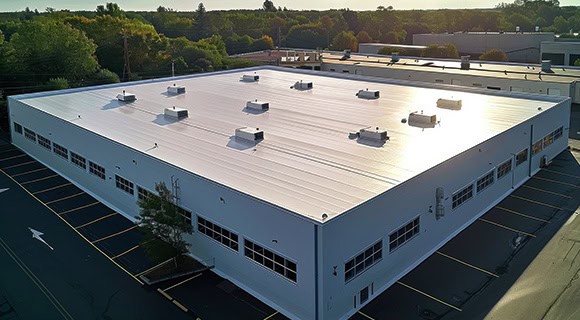
Industrial roofing systems are built to handle immense scale and operational stress. They cover massive facilities like factories, distribution centers, and manufacturing plants (often spanning hundreds of thousands of square feet). These roofs must accommodate heavy machinery, ventilation systems, and chemical exhausts. Industrial roof design is intended for durability, function, and safety. Due to the sheer size of these structures, the installation process requires specialized equipment and planning to ensure stability and load-bearing integrity.

Commercial Roofing:

Commercial roofing systems are smaller in comparison and typically found on retail spaces, restaurants, offices, and hotels. These roofs combine energy efficiency and visual appeal, as these buildings interact with the public more directly. While smaller than industrial facilities, commercial roofs require careful planning to integrate aesthetic details (like color and shape). Installation must often occur around business hours to avoid disrupting customers and employees.

Primary Function and Material Selection

installation and maintenance of warehouse industrial and commercial roofing systems

Industrial Roofing:

Industrial roofs center on durability and performance under demanding conditions. These roofs must resist high temperatures, chemicals, and vibrations from machinery. Common materials include:

  • Metal Roofing: Known for exceptional longevity, load capacity, and heat resistance.
  • PVC Membranes: Offer strong chemical resistance. Ideal for factories and processing plants.
  • Modified Bitumen and Built-Up Roofing (BUR): Provide superior waterproofing and toughness in large-scale settings.

Industrial roofs rarely focus on aesthetics. They are intended for function and protection.

Commercial Roofing:

Commercial roofing materials prioritize energy efficiency and clean design. Public-facing buildings benefit from reflective surfaces and insulation that control indoor temperatures.

Popular options include:

  • TPO (Thermoplastic Polyolefin): A reflective, energy-efficient single-ply material ideal for flat or low-slope roofs.
  • EPDM (Ethylene Propylene Diene Monomer): A flexible and durable synthetic rubber known for easy repair.
  • PVC Roofing: Offers strength, flexibility, and resistance to environmental stress.
  • Built-Up Roofing (BUR): A layered system that provides consistent waterproofing.

Each material offers unique advantages depending on environmental conditions, operational needs, and budget.

Installation and Maintenance Requirements

equipment and walkway installation and maintenance of industrial and commercial roofing systems

Industrial Roofing Installation:

Industrial roofing installation involves complex logistical planning. The presence of heavy machinery, large ventilation systems, and specialized exhaust ducts requires precise design coordination. Roofers must ensure each component supports the overall structure and maintains safety standards. Industrial facilities also demand strict adherence to local building codes and Occupational Safety and Health Administration (OSHA) regulations.

Maintenance plays a crucial role in preserving industrial roofing systems. Regular inspections prevent issues from escalating into major structural failures. Leaks, corrosion, or chemical exposure can lead to costly downtime or equipment damage if not addressed promptly.

Commercial Roofing Installation:

supervised installation and maintenance of industrial and commercial roofing systems

Commercial installations are for buildings where appearance and efficiency are equally important. Contractors plan projects to minimize business disruptions, often scheduling work after operational hours. Proper drainage, insulation, and flashing details are essential for comfort and preventing water pooling.

Maintenance includes checking seams, drains, and flashing for leaks, cleaning debris, and verifying that reflective coatings remain intact for optimal energy performance. Preventive maintenance extends lifespan and reduces unexpected repair costs.

Expertise and Code Compliance

Both commercial and industrial roofing systems require specialists trained in blueprint reading, roofing materials, and local building codes. Done the right way, roofs depend on accurate load-bearing calculations, ensuring they sufficiently support equipment weight and environmental pressures without compromising safety.

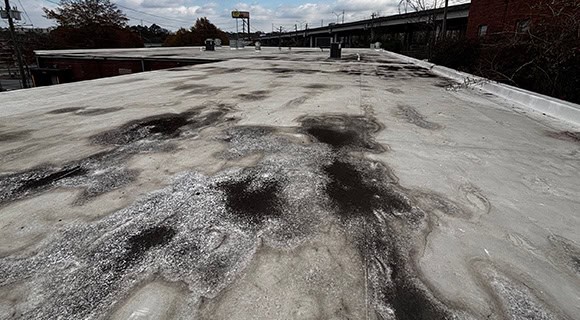
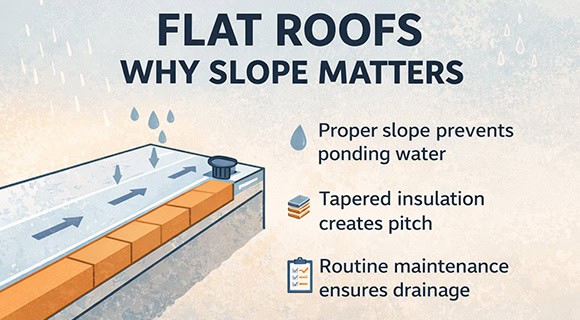
For example, industrial roofs must handle the weight of HVAC systems, vents, and piping. Commercial roofs require precise slope design to ensure proper water runoff and insulation placement, to comply with energy codes.

Roofing specialists also ensure compliance with fire ratings, wind resistance standards, and insulation performance set by the International Building Code (IBC) and energy efficiency regulations. Using unqualified contractors can result in non-compliance, structural weaknesses, and voided warranties.

Common Roof Types for Commercial and Industrial Structures

Commercial Structures:

  • TPO Roofing: Cost-effective, reflective, and easy to maintain.
  • EPDM Roofing: Flexible with long-term resistance to ultraviolet light.
  • PVC Roofing: Durable, heat-welded seams for leak prevention.
  • Built-Up Roofing: Traditional asphalt layers provide reliable protection.

Industrial Structures:

  • Metal Roofing: High strength, long lifespan, and low maintenance.
  • Modified Bitumen: Excellent for chemical resistance and flexibility.
  • PVC Membranes: Resistant to harsh conditions and ideal for complex industrial settings.
  • Single-Ply Membranes: Lightweight and durable, allowing large coverage areas.

Selecting the right roof type depends on operational demands, climate, and maintenance capacity.

New Image Roofing Atlanta Maintenance Contract
installation and expert maintenance of industrial and commercial roofing systems

Preventive maintenance is the foundation for extending the life of any roofing system. New Image Roofing Atlanta’s Maintenance Contract offers customized care plans designed to identify potential issues early and keep roofs at peak efficiency.

Each contract includes scheduled inspections, detailed reports, and prompt repair recommendations. Maintenance tasks include clearing debris, checking seals, inspecting drains and flashing, and monitoring for structural stress. For industrial clients, specialized services address corrosion prevention, membrane reinforcement, and chemical damage monitoring.

Regular maintenance protects against premature wear, ensures warranty compliance, and saves money by preventing small leaks from becoming major repairs. Commercial properties also benefit from seasonal checkups that prepare roofs for rain, heat, or cold.

New Image Roofing Atlanta employs advanced diagnostic tools (like infrared moisture detection and drone inspections) to ensure no issue goes unnoticed. Every service is performed with safety, accuracy, and long-term value in mind.

Why Hire New Image Roofing Atlanta

bbb accredited installation and maintenance of industrial and commercial roofing systems

Hiring New Image Roofing Atlanta means partnering with a trusted leader in Georgia’s commercial and industrial roofing industry. With decades of experience, their certified team delivers dependable service, precise installation, and proactive maintenance tailored to your property type.

They understand that no two roofs are identical. Each project begins with a detailed assessment that accounts for structural load, drainage, energy performance, and design requirements. Their team adheres to strict safety protocols and complies with all local and federal codes. Consider the following:

  • Expertise in New Construction – Specialists with extensive knowledge in blueprint reading and code compliance.
  • Versatile Installation Skills – Skilled teams trained in single-ply, BUR, modified bitumen, metal, and green roof systems.
  • Proven Track Record – A portfolio of successful projects across retail, industrial, healthcare, and office sectors.
  • Collaborative Approach – Seamless communication with architects, engineers, and general contractors ensures on-time delivery.
  • Commitment to Quality – Meticulous installation methods backed by warranties and dedicated customer service.
  • BBB Accredited Business – New Image Roofing Atlanta is an accredited – A+ Rated – roofing contractor.

From emergency repairs to full-scale replacements, New Image Roofing Atlanta combines modern technology with craftsmanship to ensure every roof performs efficiently for years to come. Businesses and facility managers across Georgia rely on them for reliability, expertise, and results-driven solutions.

Key Considerations for Commercial and Industrial Roof Differences

torch down system installation and maintenance of industrial and commercial roofing systems

Understanding the distinctions between commercial and industrial roofs allows property owners to make informed decisions about maintenance, materials, and investment.

Purpose and Function:

For structural integrity and durability under extreme conditions, industrial roofs are installed. Commercial roofs emphasize energy savings and design integration.

Material Durability:

Industrial environments require heavy-duty materials (metal or reinforced membranes) that resist chemicals and heat. For comfort and curb appeal, commercial structures utilize reflective or energy-efficient materials.

Installation Complexity:

Industrial roofs require detailed planning (due to larger machinery and ventilation systems). Commercial installations must minimize disruption during business hours.

Maintenance Requirements:

Industrial roofs require regular inspections to manage stress from equipment and environmental exposure. Commercial roofs benefit from regular cleaning, leak detection, and coating maintenance.

Cost and Longevity:

Industrial systems typically have higher upfront costs but longer lifespans. Commercial systems may need more frequent repairs, but are easier to maintain.

Code Compliance:

Both roof types must meet load-bearing, fire resistance, and insulation standards. Only certified contractors can ensure compliance and performance.

Return on Investment:

A properly installed and maintained roof increases property value (while protecting assets and reducing operating expenses).

By recognizing these factors, property owners can select an appropriate roofing system and maintenance plan to meet their operational goals.

Commercial and Industrial Roofing

In this article, you discovered the critical differences between commercial and industrial roofing systems, their materials, installation processes, and maintenance requirements. It also emphasized the importance of hiring qualified professionals for compliance and longevity.

By understanding these differences and maintaining your roof with expert help (like that from New Image Roofing Atlanta), property owners ensure lasting protection, energy efficiency, and peace of mind. A proactive approach saves money, extends lifespan, and enhances performance.

Choosing the wrong roofing system or delaying maintenance can lead to premature roof failure, safety hazards, and expensive downtime. Poor planning today can result in significant losses tomorrow.

Sources:
construction21.org/articles/h/differences-between-commercial-and-residential-roofing.html
crca.org/Resources/Roofing-Specialties/Low-Slope-Commercial-Industrial-Institutional-Roofing

  New Image Roofing Atlanta
 

    2020 Howell Mill Rd NW Suite 232
    Atlanta, GA 30318
    (404) 680-0041
 

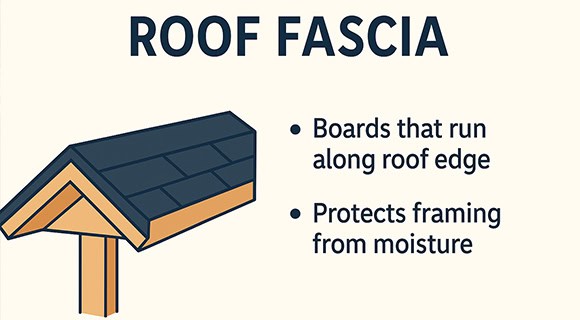
Water damage to fascia and soffit boards is a common – and underestimated – issue that homeowners face. It may start with peeling paint or minor discoloration near the roof edges. In time, the damage spreads deeper into wooden structures, insulation, and interior walls. Unchecked, this type of deterioration can lead to roofline failure, gutter collapse, and mold growth that threatens structural safety. Homeowners often discover the problem only when costly repairs are unavoidable. Understanding what causes fascia and soffit water damage, and knowing how to prevent it, can save thousands in repair costs while preserving curb appeal and property value.

water damage repair soffit and fascia

newimageroofingatlanta.com gathered information about the causes, prevention strategies, and key repair practices for fascia and soffit water damage. This guide explains what contributes to water infiltration, when to schedule preventive maintenance, and why professional roof specialists are essential for long-term protection.

Four Reasons Fascia and Soffits Suffer Water Damage

mold water damage repair soffit and fascia

1. Improper Gutter Installation or Maintenance

Gutters are the first defense against water infiltration. When they become clogged, detached, or poorly angled, rainwater overflows and seeps behind fascia boards. Continuous exposure leads to rot, mold, and eventual decay. Water-soaked gutters can even pull away from fascia boards due to excess weight, compounding structural damage. Routine cleaning and inspection prevent overflow and ensure drainage systems work efficiently during heavy rainfall.

2. Damaged or Missing Roof Flashing

Flashing acts as a seal around roof edges, penetrations, and joints. If flashing corrodes, cracks, or loosens, water finds its way beneath shingles and behind soffits. In time, trapped moisture weakens wooden fascia boards and promotes fungal growth. Properly installed and maintained flashing prevents this, especially in transition areas between roof planes, chimneys, and gutter lines.

3. Poor Attic Ventilation

Ventilation plays a critical role in maintaining balanced temperature and humidity. Inadequate airflow allows condensation to form under the roof decking. Moisture accumulation seeps downward into soffit panels and fascia boards, accelerating decay. Soffits are designed to ventilate the attic, but if they are blocked or undersized, moisture builds up faster than it can dissipate. Regular soffit vent inspections and cleaning can mitigate this issue and protect underlying materials.

4. Aging or Low-Quality Materials

Older fascia and soffit systems built with untreated wood or low-grade composites deteriorate quickly when exposed to water. Paint and sealant break down over time, leaving raw surfaces vulnerable. Using modern, weather-resistant materials such as PVC, fiber cement, or aluminum-clad wood can significantly reduce maintenance needs. Upgrading aging components prevents future damage, enhances energy efficiency, and increases curb appeal.

Preventing Fascia and Soffit Water Damage

severe water damage repair soffit and fascia

Prevention begins with proper installation, regular inspection, and seasonal maintenance. Homeowners should have gutters cleaned twice a year and securely fastened. Roof flashing must be checked for gaps or corrosion, and soffit vents should be kept clear of debris and insect nests. Painting or sealing wooden fascia and soffit boards every few years helps shield them from water penetration. Additionally, any signs of leaks near eaves, gutters, or siding should be investigated immediately to stop minor problems from escalating.

New Image Roofing Atlanta Roof Maintenance Contract

maintenance plan water damage repair soffit and fascia

New Image Roofing Atlanta offers a comprehensive Roof Maintenance Contract that includes detailed inspections, cleaning, and preventive services to safeguard fascia and soffit systems year-round. Under this plan, technicians assess roof drainage, flashing, and ventilation conditions to identify hidden moisture issues before they cause structural deterioration.

Each service visit includes:

  • Gutter and downspout cleaning to maintain optimal drainage.
  • Fascia and soffit panel inspection for cracks, paint failure, and water infiltration.
  • Sealant and caulk replacement along joints and seams.
  • Ventilation evaluation to ensure airflow efficiency and prevent condensation.
  • Minor repairs and adjustments to extend the roofline longevity.

This proactive approach saves homeowners from costly emergency repairs and helps maintain warranty coverage on roofing systems. Investing in a maintenance contract extends the roof’s lifespan, preserves structural integrity, and ensures energy efficiency.

Why Hire New Image Roofing Atlanta

bbb accredited water damage repair soffit and fascia

Fascia and soffit repairs require technical skill, precise installation, and a thorough understanding of roofing systems. New Image Roofing Atlanta employs licensed professionals trained in moisture control, load-bearing assessments, and exterior weatherproofing. The company’s team uses advanced diagnostic tools to detect hidden leaks, replace compromised boards, and restore full roofline functionality without disrupting daily life.

Choosing New Image Roofing Atlanta means partnering with a local leader committed to transparency, quality workmanship, and durable results. Consider the following:

  • Expertise – Decades of experience handling residential and commercial roofs.
  • Trusted inspections – Honest evaluations backed by detailed photos and reports.
  • Preventive solutions – Focus on extending roof life rather than rushing into replacement.
  • Emergency readiness – Quick response to storm damage or sudden leaks.
  • Commitment to customers – Transparent pricing, professional communication, and long-term support.
  • BBB Accredited Business – New Image Roofing Atlanta is an accredited A+ Rated roofing contractor.
From emergency repairs to complete roofline restoration, their solutions attend to residential and commercial roofing systems. They emphasize safety, longevity, and aesthetic appeal, ensuring every project exceeds industry standards.

Key Considerations for Fascia and Soffit Water Damage Repair

infographic water damage repair soffit and fascia

When addressing fascia and soffit water damage, understanding the underlying causes is essential to achieving lasting repairs. Below are the key considerations every homeowner should keep in mind:

1. Identify Source Before Replacing Materials

Repairing visible damage without locating the leak will only provide a temporary fix. Technicians should trace water intrusion back to its origin (gutters, roof flashing, or ventilation issues) to eliminate recurring problems.

2. Choose Weather-Resistant Materials

Modern construction materials offer significant advantages over traditional wood. PVC, aluminum, and fiber cement fascia and soffits resist rot, warping, and insect damage. These materials require minimal maintenance and are available in finishes that complement any architectural style.

3. Proper Installation Techniques

Incorrect installation is a leading cause of early water damage. Boards must be properly sealed and aligned, with precise overlaps and fastener spacing. Soffit vents should not be obstructed, and fascia boards must support gutter systems. Certified roofing professionals ensure correct installation to prevent moisture intrusion.

4. Routine Inspection and Maintenance

Even durable materials require upkeep. Annual inspections reveal small cracks, peeling paint, or signs of dampness before major issues develop. A professional inspection ensures ventilation remains clear and drainage systems operate correctly during storms.

5. Integrate Repairs With Broader Roof Care

Fascia and soffit systems are integral to roof performance. Repairs should be coordinated with general roof maintenance to maintain a balance between structure, drainage, and ventilation. Addressing roofline components holistically ensures consistent protection from weather extremes.

6. Consider Environmental Conditions

Regional climate affects roofline durability. In humid or high-rainfall regions, mold-resistant materials and sealants take priority. In colder climates, insulation and vapor barriers prevent ice dam formation that can damage fascia and soffit edges.

By approaching fascia and soffit repairs strategically, homeowners preserve both the functional and aesthetic aspects of their roofline. Proper planning and professional intervention deliver stronger, longer-lasting results that protect property value for decades.

weathering water damage repair soffit and fascia

Fascia and Soffit Damage

In this article, you discovered how fascia and soffit systems can suffer water damage (what causes these issues, and the preventive maintenance and professional repair that restore and protect the roof). Timely inspections, top-quality materials, and expert installation are priorities for these essential exterior components.

By following the practices outlined here and relying on professionals like New Image Roofing Atlanta, homeowners can prevent water infiltration, increase ventilation, and maintain a strong, attractive roofline. A proactive approach ensures that the home remains protected year-round, with lower maintenance costs and improved energy efficiency. Preventive care and timely repair are the most effective strategies for protecting your home’s exterior from long-term water damage.

Neglecting fascia and soffit maintenance can lead to progressive structural deterioration, hidden mold growth, and expensive repairs. Left untreated, minor leaks can undermine entire sections of roofing and siding, creating safety hazards and costly restoration projects.

Sources:
content.ces.ncsu.edu/preventative-home-maintenance
fieldreport.caes.uga.edu/publications/C1047-1/preventing-mold-in-your-home

  New Image Roofing Atlanta
 

    2020 Howell Mill Rd NW Suite 232
    Atlanta, GA 30318
    (404) 680-0041
 

Investing millions into a new commercial property only to discover roof leaks, structural weaknesses, or code violations is a nightmare. For many developers and property owners, this scenario becomes reality when roofing contractors lack the expertise required for new construction projects. Commercial roofing requires specialists who can interpret blueprints, apply building codes, and ensure the system supports an adequate load-bearing capacity.

new construction commercial roofer

New Image Roofing Atlanta gathered information about how new construction commercial roofing projects succeed when specialists are involved from the beginning. With knowledge of building regulations, structural engineering requirements, and diverse roofing systems, these professionals guarantee durability, compliance, and performance that align with long-term business needs.

Why New Construction Commercial Roofing Requires Specialists

blueprints new construction commercial roofer

Commercial roofing differs dramatically from residential roofing. A new construction project demands precision, collaboration, and technical expertise. Specialists play critical roles in:

1. Reading Blueprints Accurately

A roof design must integrate seamlessly with architectural plans. Misreading blueprints can lead to improper installation, structural inefficiencies, and future maintenance issues.

2. Applying Building Codes

new construction commercial low slope roofing material

Local and national building codes dictate fire resistance, wind uplift ratings, drainage slopes, and insulation values. Specialists ensure compliance, avoiding costly penalties or rework.

3. Load Bearing Capacity

Commercial structures often support heavy HVAC systems, solar arrays, or rooftop equipment. Engineers and roofing experts must coordinate to guarantee load distribution across roof trusses and joists.

4. Coordination with Other Trades

Plumbing stacks, electrical conduits, and ventilation units penetrate commercial roofs. Specialists work alongside contractors to seal penetrations properly, preventing leaks.

new construction commercial membrane roofer

The role of a commercial roofing specialist extends beyond installation – it’s about building a reliable protective system that aligns with architectural vision and safety standards.

Commercial Roof Systems

new construction commercial tpo low slope roofer

Different structures require unique roofing solutions – based on climate, budget, and function. Specialists help select and install the following roof types:

  • Single-Ply Membrane Roofing (TPOPVCEPDM) – Known for flexibility and resistance to UV rays, single-ply membranes are lightweight and ideal for flat or low-slope roofs. TPO offers energy efficiency, while EPDM provides long-term durability.
  • Built-Up Roofing (BUR) – A multi-layer system using asphalt and gravel, BUR creates redundancy and excellent waterproofing. It is heavy but long-lasting, making it suitable for industrial facilities.
  • Modified Bitumen Roofing – This asphalt-based system (reinforced with fiberglass or polyester) provides strength, flexibility, and resistance to extreme weather. It is often installed with heat-welding or cold adhesives.
  • Metal Roofing – Standing seam and corrugated metal roofs deliver superior longevity and resistance to wind and fire. They are used for warehouses, retail centers, and office complexes.
  • Green and Cool Roofs – Sustainable options such as vegetative systems or reflective coatings improve insulation, reduce energy costs, and contribute to environmental certifications like LEED.

The right choice depends on project specifications, and specialists ensure materials and installation methods align with long-term performance goals.

New Image Roofing Atlanta Maintenance Contract

new construction commercial roofer maintenance plan

Even the best-installed commercial roofs require ongoing care. That’s why New Image Roofing Atlanta offers a comprehensive maintenance contract designed for property managers and building owners.

  • Scheduled Inspections – Twice-yearly checks ensure early detection of membrane cracks, seam separations, or drainage issues.
  • Detailed Reporting – Photo documentation provides clarity on roof conditions, making it easy to track repairs.
  • Preventive Repairs – Small leaks or punctures are fixed immediately, preventing widespread water damage.
  • Priority Emergency Service – Contract holders receive faster response during storm damage events.
  • Extended Roof Lifespan – Routine upkeep can add a decade or more to the life of a roof, protecting budgets and assets.

This proactive approach ensures that commercial roofing systems continue to perform long after installation is complete.

Why Hire New Image Roofing Atlanta

new construction commercial bbb accredited roofer

When selecting a roofing partner for new construction, experience and reliability are crucial factors. New Image Roofing Atlanta brings unique advantages:

  • Expertise in New Construction – Specialists with extensive knowledge in blueprint reading and code compliance.
  • Versatile Installation Skills – Skilled teams trained in single-ply, BUR, modified bitumen, metal, and green roof systems.
  • Proven Track Record – A portfolio of successful projects across retail, industrial, healthcare, and office sectors.
  • Collaborative Approach – Seamless communication with architects, engineers, and general contractors ensures on-time delivery.
  • Commitment to Quality – Meticulous installation methods backed by warranties and dedicated customer service.
  • BBB Accredited Business – New Image Roofing Atlanta is an accredited – A+ Rated – roofing contractor.

With New Image Roofing Atlanta, developers and property owners gain confidence that roofing systems will be built to last.

Key Considerations for New Construction Commercial Roofing

new townhome construction commercial roofer

Every commercial project is unique, but some key considerations apply universally. Property owners and project managers should keep the following in mind:

1. Blueprint Integration

Roofing specialists must analyze blueprints to ensure slope, drainage, and equipment placement are feasible. Collaboration during planning prevents misalignment during construction.

2. Building Code Compliance

Fire resistance, insulation R-values, and wind uplift ratings vary by jurisdiction. Codes evolve regularly, so up-to-date knowledge is crucial.

3. Budget vs. Longevity

Lower-cost roofing materials may reduce upfront expenses, but increase long-term repair costs. Specialists help balance immediate budgets with life-cycle value.

4. Energy Efficiency

new construction commercial reflective membrane roofer

Roof design influences heating and cooling costs. Reflective membranes, proper insulation, or vegetative systems improve building performance.

5. Future Maintenance Needs

A well-designed roof should simplify inspections and repairs. Accessible drainage systems and durable materials minimize future disruptions.

6. Load Bearing and Safety

Heavy equipment or foot traffic requires reinforcement. Skipping structural analysis can jeopardize safety and lead to premature failure.

7. Contractor Reputation

Not all roofing companies are equal. Checking references, reviewing past projects, and confirming certifications reduces risk.

Keeping these considerations in focus ensures roofing systems meet performance standards and avoid costly setbacks.

new construction commercial low slope roofer

New Construction Roofing Atlanta

In this article, you discovered why expertise matters, the most common types of commercial roof systems, and how New Image Roofing Atlanta offers maintenance contracts and professional installation.

When you hire trained specialists and prioritize preventive maintenance, you secure roofing systems that last decades, safeguard tenants, and reduce long-term costs.

On the other hand, neglecting these measures invites hidden leaks, structural failures, and financial setbacks that can undermine the success of your entire property.

Sources:
ibhs.org/wp-content/uploads/Commercial-Roofs-Best-Practices.pdf
eere.energy.gov/buildings/pdfs/cool_roof_fact_sheet.pdf

  New Image Roofing Atlanta
 

    2020 Howell Mill Rd NW Suite 232
    Atlanta, GA 30318
    (404) 680-0041
 

Are you terrified by the thought of waking up to water stains creeping across your ceiling or shingles scattered across your yard after a storm? Discover how a free roof inspection offers a chance to spot trouble before it spirals into costly repairs or replacements.

free roof inspections

newimageroofingatlanta.com gathered information about common roof damage and why homeowners should take advantage of free inspections after storms, seasonal changes, when purchasing a home, and when to schedule an inspection.

When Should You Get a Free Roof Inspection?

due diligence roof inspecttions

By the time damage is obvious inside your home, the roof has likely been compromised for weeks or even months. Homeowners often miss early warning signs because roof problems develop quietly and out of sight. Free roof inspections are not just marketing offers – they are essential opportunities to catch issues that may otherwise go unnoticed. Here are common situations where scheduling one makes sense:

After Severe Weather

High winds, heavy rain, hail, and falling branches can damage shingles, flashing, and gutters. Even if damage isn’t visible from the ground, granule loss, cracks, or loosened materials may compromise the roof’s ability to shed water.

Following Hailstorms

Hail strikes can dent, bruise, or crack shingles, creating weak spots (where leaks develop over time). Homeowners insurance often covers hail damage, but only if inspections document it.

When Buying or Selling a Home

A roof is one of the largest investments tied to a property. Buyers and sellers alike benefit from professional inspections that uncover hidden problems before closing a deal.

Note: When a report is issued on a roof’s condition and lifespan, a fee may be applied for this service.

Seasonal Transitions

Inspections before and after winter are critical. Ice, snow, and freezing temperatures expand small cracks, while spring rains expose weaknesses. Summer heat can damage shingles, especially on older roofs.

If You Notice Warning Signs

Missing shingles, sagging areas, clogged gutters, granules in downspouts, or interior leaks all demand immediate inspection. Even subtle signs should not be ignored.

Weather Events That Lead to Roof Damage

severe weather free roof inspections

Your roof serves as the first defense against harsh weather. Unfortunately, Mother Nature often tests it in ways that accelerate wear.

High Winds

Gusts exceeding 45 mph can tear shingles, loosen flashing, and lift edges, making roofs vulnerable to rain intrusion.

Hailstorms

Hailstones as small as a quarter can bruise or crack shingles. Larger stones cause immediate punctures, dent gutters, and damage skylights.

Heavy Rain

Persistent rainfall uncovers weak spots, particularly in valleys and near flashing. Water pooling can lead to leaks and rot.

Snow and Ice

Ice dams form when melting snow refreezes at the roof edges, trapping water that seeps beneath shingles.

Extreme Heat

Prolonged heat dries out asphalt shingles, causing brittleness, curling, and early granule loss.

These conditions don’t just cause cosmetic issues. They accelerate deterioration and increase the likelihood of leaks, mold growth, and structural damage.

New Image Roofing Atlanta Maintenance Contract

maintenance programs and free roof inspections

Preventive maintenance is the most cost-effective strategy to protect your roof investment. A New Image Roofing Atlanta maintenance contract provides:

  • Biannual Inspections – Scheduled checks in spring and fall to address seasonal damage before it spreads.
  • Detailed Reports – Documentation with photos outlining current roof conditions.
  • Proactive Repairs – Immediate attention to small issues (missing shingles or failing flashing) before they cause leaks.
  • Priority Service – Faster scheduling for inspections and repairs after storms.
  • Extended Roof Lifespan – Regular upkeep adds years to your roof’s service life.

This contract offers peace of mind and ensures that small, affordable fixes prevent major expenses.

Why Hire New Image Roofing Atlanta

free roof inspections bbb certified roofers

Choosing the right roofing company is as important as the inspection itself. Here’s why New Image Roofing Atlanta stands apart:

  • Experienced Professionals – Certified experts trained to identify subtle signs of roof damage.
  • Comprehensive Services – Inspections, repairs, replacements, and maintenance contracts under one roof.
  • Storm Damage Specialists – Skilled in documenting damage for insurance claims.
  • Local Knowledge – Familiarity with Atlanta’s weather patterns and roofing challenges.
  • Customer-Centered Approach – Clear communication, honest evaluations, and transparent pricing.
  • BBB Accredited Business – New Image Roofing Atlanta is an accredited – A+ Rated – roofing contractor.

With New Image Roofing Atlanta, you get more than a free inspection – you get a trusted partner in roof care.

Key Considerations for Free Residential Roof Inspections and Quotes

information for free roof inspecttions

A free inspection seems straightforward, but homeowners should consider several factors to maximize the service.

Documentation Matters

Always request a written report with photographs. This creates a record useful for future repairs or insurance claims.

Know What’s Included

A professional inspection should assess shingles, flashing, gutters, ventilation, and attic spaces. Surface-only checks miss hidden problems.

Be Cautious of High-Pressure Sales

Free inspections should never feel like bait for unnecessary repairs. A reputable company explains its findings clearly without intimidation tactics.

Compare Multiple Quotes

When repairs are necessary, obtain at least two estimates to ensure fair pricing and identify companies that cut corners.

Plan for Preventive Action

Even if no urgent repairs are needed, inspections will often identify maintenance tasks that extend roof life. Addressing them now avoids costly surprises later.

Insurance Timelines

Many policies limit the time you can file a claim after storm damage. Prompt inspections ensure documentation falls within these windows.

Taking time to understand inspection processes ensures you benefit from the service. It’s about protecting your investment, not just accepting a free offer.

Watch this video for a brief roof inspection and insurance deductible explanation.

Residential Roof Inspection

In this article, you discovered when inspections are necessary, what weather events accelerate roof damage, and how New Image Roofing Atlanta offers preventive maintenance and expert services.

When you take action by scheduling regular inspections and hiring trusted professionals, you gain peace of mind, extend your roof’s life, and often save thousands of dollars in avoided repairs.

On the other hand, ignoring warning signs or skipping inspections leaves you vulnerable to leaks, structural problems, and mounting repair bills. The cost of neglect is far greater than the time it takes to schedule a free inspection.

Sources:
nachi.org/documents2012/How_to_Perform_Roof_Inspections_THIRD_EDITION-revd-Dec-2013.pdf
blogs.oregonstate.edu/piperde/2023/06/20/roof-maintenance-tips-to-make-a-roof-last-longer/

  New Image Roofing Atlanta
 
    2020 Howell Mill Rd NW Suite 232
    Atlanta, GA 30318
    (404) 680-0041