How Well Do You Know Your Roof?

Your roof protects your home every day, but how much do you really know about it? If you cannot name its age, material, repair history, or last major inspection, you may be making expensive roofing decisions without critical information. Understanding your roof’s history gives you a clearer picture of its current condition and helps you plan repairs, maintenance, or replacement before a small issue becomes a major problem.

New Image Roofing Atlanta gathered information about the most important details every homeowner should know about their roof, including age, material, repair history, storm history, maintenance, and warranties. Every roof has a history. Learning that history can help you understand your current roofing conditions, recognize potential problems, budget for future work, and make better decisions about what comes next.
Key Takeaways for Knowing Your Roof’s History

Knowing your roof goes far beyond identifying its color or choosing a shingle style. Your roof has a timeline, and each event during that timeline can affect its present condition and future performance. Accurate records help when deciding whether to repair, maintain, or replace your roofing system.
1. Know Your Roof’s Age
Age provides an important starting point when evaluating a roof. Different roofing materials have different expected service lives, and climate, installation quality, ventilation, maintenance, and weather exposure can affect longevity.
If you do not know when your roof was installed, check closing documents, inspection reports, invoices, permits, warranty paperwork, or records from previous homeowners. A professional roof inspection can also help estimate age when documentation is unavailable.
Knowing the age does not automatically mean you need a replacement. A well-maintained roof may continue performing effectively for years. However, an older roof deserves closer attention because normal wear and weather exposure accumulate over time.
2. Identify Your Roofing Material
Knowing your roofing material helps determine the appropriate maintenance, needed repairs, and replacement options. Asphalt shingles, metal, tile, TPO, PVC, EPDM, modified bitumen, and other roofing systems each have different characteristics and maintenance requirements.
Material also matters when selecting replacement components. Using incompatible products or improper repair techniques can create additional problems. If you know exactly what covers your building, you can communicate more effectively with roofing professionals and make more informed decisions.
3. Document Your Repair History
A roof repair should become part of your roof’s permanent history. Keep invoices, photographs, inspection reports, contractor information, and descriptions of work completed.
Repair records can reveal patterns. For example, repeated repairs around one roof penetration could indicate an underlying flashing or installation problem rather than several unrelated leaks.
A complete repair history also helps a roofing contractor understand previous work before recommending new repairs. This can prevent unnecessary duplication and help identify areas that deserve additional inspection.
4. Record Storm History
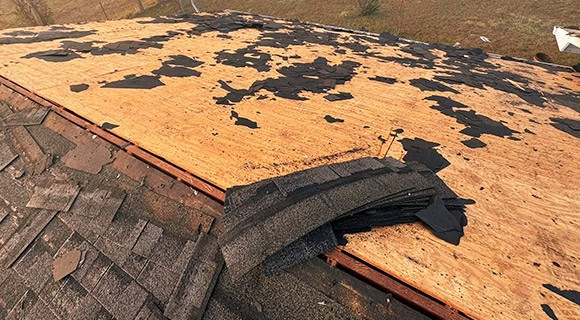
Atlanta-area roofs can experience intense weather, including thunderstorms, heavy rain, high winds, hail, and occasional severe storm events. Storm history matters because damage does not always become obvious immediately.
After a significant storm, document when it occurred and arrange a professional inspection if damage may have occurred. Photographs can provide useful evidence for future reference and insurance discussions.
Storm records become especially valuable when combined with repair records. If a roof experienced hail damage several years ago and received repairs afterward, that information gives a contractor useful context during a later inspection.
5. Track Maintenance
Preventive maintenance can extend useful roof life and help identify problems before they become expensive. Keep records showing when inspections occurred, what a contractor found, and what maintenance or repairs were completed.
Maintenance records can include gutter cleaning, flashing inspections, sealant replacement, drainage checks, membrane inspections, shingle evaluations, and other appropriate services.
A roof that receives regular attention provides more opportunities to identify developing problems early. A neglected roof can allow minor defects to progress into leaks, structural damage, interior damage, or premature replacement.
6. Understand Your Warranties
Roof warranties contain essential information about materials, installation, coverage periods, exclusions, maintenance requirements, and the claim submission procedures.
Keep copies of manufacturer and contractor warranties in a location where you can easily find them. Know which products were installed, who performed the work, and what conditions could affect warranty coverage.
Warranty information becomes particularly important when you experience a roofing problem. Before authorizing major work, review applicable warranty documents and determine whether a manufacturer or contractor should be involved.
Your Roof’s History Helps Tell Its Future
These six categories work together. Age tells you where your roof sits within its expected service life. Material tells you how to evaluate and maintain it. Repair history reveals previous problems and solutions. Storm history provides information about weather exposure. Maintenance records show how consistently your roof got attention. Warranty documents explain available protections.
Together, these details create a roofing record that can help you make decisions based on evidence rather than guesswork.
Why Every Roof Has a History
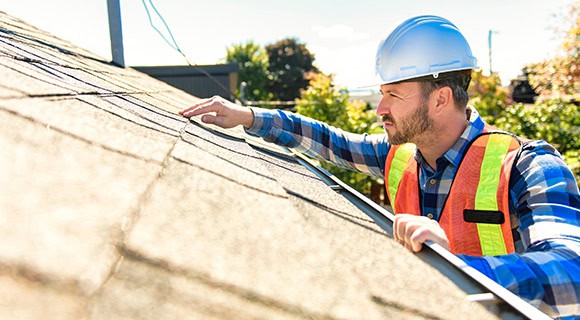
A roof does not suddenly become old or damaged overnight. Its condition develops through years of installation, weather exposure, repairs, maintenance, and environmental conditions.
Consider a roof that is 12 years old. Age alone tells only part of its story. Perhaps it received regular inspections, experienced minimal storm damage, and had prompt repairs whenever minor issues appeared. Another 12-year-old roof may have experienced multiple severe storms, recurring leaks, neglected maintenance, and several temporary repairs.
Both roofs are the same age but may show conditions differently.
This is why homeowners should avoid judging roofing needs based solely on age. A roofing professional needs to consider the complete picture.
Your roof’s history can also become important when buying or selling a property. A documented history demonstrates responsible maintenance and gives prospective buyers useful information about past roofing work.
Good records also make conversations with contractors easier. Instead of saying, “I think someone repaired this area a few years ago,” you can provide dates, invoices, photographs, and descriptions. Better information supports better decisions.
New Image Roofing Atlanta Roof Maintenance Solutions
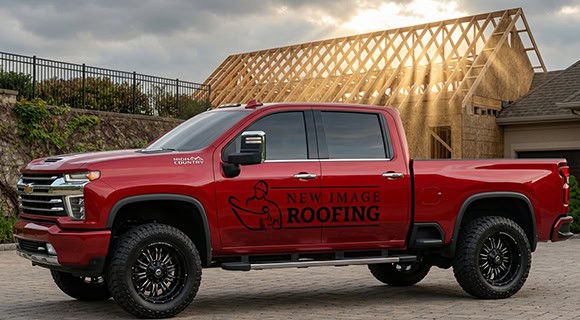
Preventive maintenance addresses roofing concerns before developing into larger problems. New Image Roofing Atlanta can help property owners evaluate roofing conditions and identify areas that may require attention.
A maintenance program can include professional inspections, roofing material evaluation, flashing and penetration examination, drainage assessments, and identification of visible deterioration. Commercial properties may benefit from scheduled inspections because larger roofing systems can have multiple areas where problems may develop.
Maintenance also creates documentation. Each inspection and completed service becomes another chapter in your roof’s history.
Rather than waiting for water stains, active leaks, or visible damage to force a decision, preventive maintenance allows you to stay ahead of developing problems.
For homeowners and commercial property owners, the goal is simple – understand current conditions, address problems appropriately, and protect long-term roofing performance.
When Should You Update Your Roof Records?
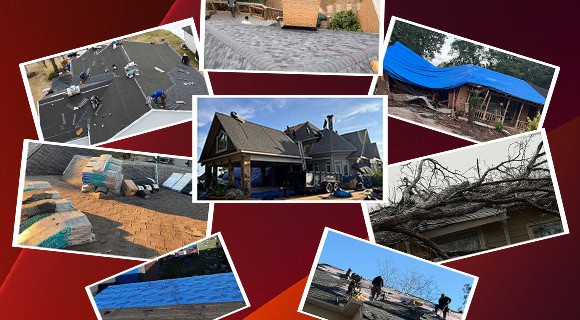
Update your roofing records whenever something changes. This includes:
- A professional roof inspection
- A completed repair
- A major storm
- A roof cleaning or maintenance service
- A warranty claim
- Replacement of flashing or other components
- Installation of a new roof
- Discovery of a recurring leak
- A change in property ownership
Take photographs when appropriate and keep invoices with your roofing records. Digital copies stored in a secure location can make information easier to retrieve when needed.
You can create a simple roof history document with the installation date, material, contractor, repairs, inspections, storm events, maintenance dates, and warranty information.
That document may become one of your most useful home maintenance records.
Hire New Image Roofing Atlanta 404-680-0041

When you need professional assistance evaluating your roof, New Image Roofing Atlanta can help you understand its current condition and determine its next steps. Professional inspections can uncover visible concerns that may not be apparent from ground level and provide valuable information for future planning.
New Image Roofing Atlanta was chosen as a Best of Buckhead 2026 Winner for Roofing Services, recognizing the company within Buckhead’s local business community.
Whether you need a roof inspection, repair evaluation, maintenance planning, or a better understanding of an aging roofing system, an experienced roofing contractor can give you more confidence in your next decision.

New Image Roofing Atlanta is an accredited A+ Rated roofing contractor.
Call New Image Roofing Atlanta at 404-680-0041 to discuss your roofing needs.
How Your Roof History Can Save You Money
Understanding your roof does not necessarily mean spending more money. In many situations, better information can help you spend money more strategically.
For example, identifying a minor flashing problem during a routine inspection may allow you to correct it before water enters the building. Knowing your roof’s age can help you prepare financially for eventual replacement rather than being surprised by an emergency. Understanding warranty coverage may prevent you from paying for work that could qualify for available coverage.
Roof history can help distinguish between a roof that needs targeted repairs and one that has reached a point where replacement makes better financial sense.
The goal is not to replace a roof simply because it is old. The goal is to understand its condition well enough to make an appropriate decision.
Knowing Your Roofing System
Your roof’s history includes far more than its installation date. You discovered why age, material, repair history, storm history, maintenance records, and warranties all provide valuable information about your roofing system. You also learned that every roof has a history and how that history can guide future decisions.
When you know your roof, you can plan instead of react. Accurate records and regular professional evaluations can help you identify developing problems, maintain roofing performance, prepare for future expenses, and choose repairs or replacement based on actual conditions.
Without knowing your roof’s history, important information can disappear. Missed maintenance, undocumented repairs, unknown storm damage, and overlooked warranty requirements can contribute to unnecessary expenses and unexpected roofing problems. Start documenting your roof today, and use that information to make smarter decisions about what comes next.
Atlanta, GA 30318
(404) 680-0041