Tag Archive for: Commercial Roofer Atlanta Georgia

A water stain on your ceiling can trigger immediate panic. You may assume you need a costly roof repair or replacement, but water inside your home does not always come through your roof. Condensation, HVAC equipment, plumbing, flashing, and ventilation problems can look like a roof leak. Knowing how to distinguish these problems can help you avoid unnecessary repairs and identify the real source before additional damage occurs.

what problems mimic roof leaks

New Image Roofing Atlanta gathered essential information on how condensation and other moisture sources can appear to be roof leaks, including situations involving attic-based HVAC compressor units, ductwork, plumbing, ventilation, and temperature changes. Understanding these possibilities can help homeowners recognize why water appears in unexpected places and why a professional inspection should be thorough when searching for a leak.

Key Takeaways for Water Damage Imitating a Roof Leak

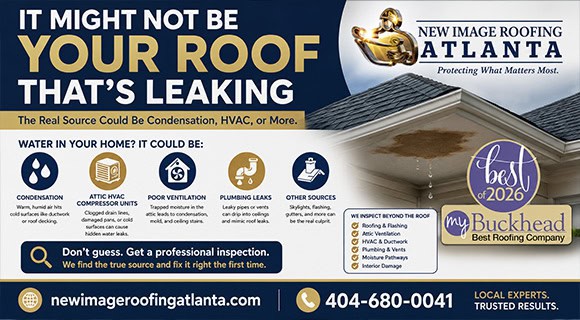
what problems mimic roof leaks infographic

A ceiling stain does not automatically mean your roof has failed. Water can travel through building materials before becoming visible, which increases the difficulty when locating the original source. A stain appearing several feet away from a roof penetration may have started somewhere completely different.

Condensation represents one frequently overlooked cause. Warm, humid air can come in contact with a cold surface and produce water droplets. During certain weather conditions, attic temperatures can change significantly while HVAC equipment may create additional temperature differences. If condensation accumulates faster than ventilation can remove moisture, droplets may eventually fall onto insulation, framing, drywall, or other building components.

Attic-based HVAC compressor units deserve particular attention. Depending on system design and equipment placement, condensation from HVAC equipment can collect around drain pans, condensate lines, coils, fittings, or nearby ductwork. A clogged condensate drain can cause water to overflow. A damaged drain pan can produce similar symptoms. Cold duct surfaces can also collect moisture when humid attic air comes in contact with them.

Other potential sources include plumbing vents, bathroom exhaust fans, poorly insulated ductwork, skylights, chimneys, flashing, and exterior wall penetrations. Water entering through one location can travel along rafters, trusses, insulation, or ceiling framing before appearing inside a room.

The timing of a leak can provide useful clues. If water appears only after heavy rain, a roofing problem becomes more likely. If moisture appears during hot, humid weather even without rainfall, condensation or HVAC-related moisture deserves consideration. However, timing alone cannot establish a diagnosis.

Homeowners should avoid cutting into ceilings or removing roofing materials to locate a suspected leak. A professional inspection can trace moisture patterns while examining roofing materials, attic conditions, ventilation, flashing, HVAC components, and other potential sources.

Preventive maintenance also plays an important role. Regular inspections can identify deteriorated flashing, blocked drainage, inadequate attic ventilation, damaged sealants, and moisture accumulation before these conditions produce visible interior damage.

The most important takeaway is simple: water damage displays where moisture became visible, not necessarily where moisture originated. Finding the actual source prevents unnecessary repairs, allowing the correct problem to receive attention.

How Condensation Can Imitate a Roof Leak

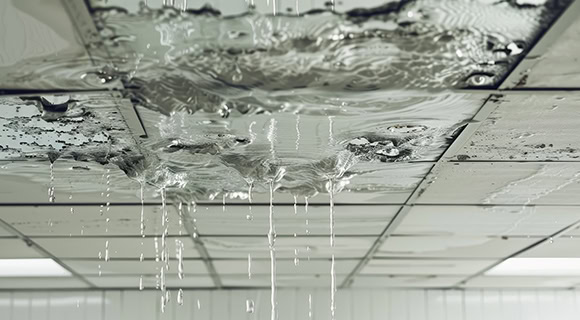
what problems mimic commercial roof leaks

Condensation occurs when warm air encounters a surface cold enough to cause moisture in the air to turn into liquid water.

Atlanta’s humid climate can make this problem more noticeable, particularly during periods when warm outdoor air penetrates attic spaces and reaches cooler surfaces.

Several situations can create roof leak symptoms.

Cold HVAC Ductwork

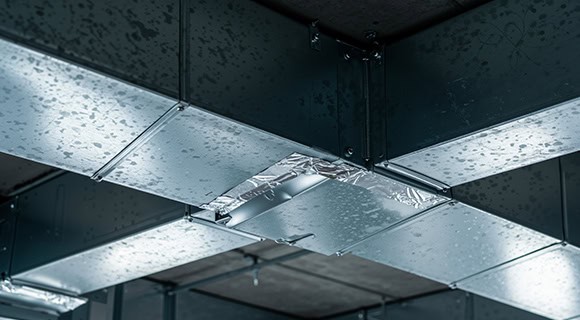
what problems mimic roof leaks hvac ductwork

Air conditioning ductwork can become considerably cooler than surrounding attic air. When humid air contacts inadequately insulated ducts, condensation may form along exterior surfaces.

Eventually, droplets can fall onto insulation or framing. Moisture may then travel and stain drywall.

Attic-Based HVAC Compressor Units

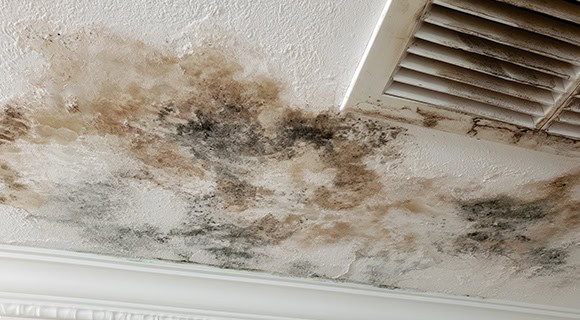
what problems mimic roof leaks hvac condensation

Some homes have HVAC equipment located within attic spaces. These installations require careful management of condensate.

Air conditioning systems naturally remove moisture from indoor air during normal operation. That moisture collects as condensate and normally drains through a dedicated system.

Problems can occur when:

  • A condensate drain becomes clogged
  • A drain pan develops damage
  • A condensate line disconnects
  • A drain line lacks proper slope
  • A pump malfunctions
  • Connections develop leaks
  • Insulation around cold components becomes inadequate

Water from HVAC equipment can spread across attic materials and eventually appear as a ceiling leak.

Bathroom Exhaust Fans

Bathroom exhaust fans should move humid indoor air outside rather than into an attic. If an exhaust duct terminates in an attic space, moisture can accumulate against cooler surfaces.

Condensation may then develop around roof decking, insulation, framing, or nearby ductwork.

Poor Attic Ventilation

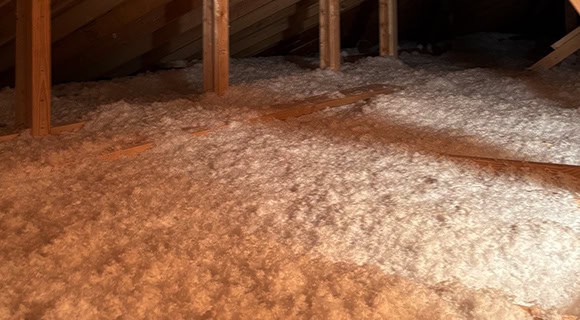
what problems mimic roof leaks wet insulation

Attic ventilation helps remove heat and moisture. Inadequate airflow can allow humid air to remain trapped for extended periods.

Persistent moisture may contribute to:

  • Damp insulation
  • Mold growth
  • Wood deterioration
  • Condensation
  • Reduced energy efficiency
  • Ceiling stains

A ventilation problem can cause water damage that looks like roofing failure.

Why Water Can Appear Far From Its Source

Water rarely travels in a perfectly vertical path.

Once moisture enters an attic or wall assembly, gravity and building materials can direct it along different routes. Water may follow a rafter, drip across insulation, move along framing, or travel beneath a roof deck before reaching drywall.

This explains why a homeowner might see a stain near one side of a room while the actual moisture source sits several feet away.

For example, rainwater entering around a roof penetration could travel along framing before appearing near a ceiling fixture. Conversely, condensation from an HVAC component could move toward a low point and create a stain that appears to indicate a roof leak.

This makes moisture tracing an important part of accurate diagnosis.

Other Problems That Can Mimic a Roof Leak

what problems mimic roof leaks flashing plumbing

Condensation represents only one possibility.

Plumbing Problems

A leaking supply line, drainpipe, or plumbing vent can release water into attic or ceiling spaces. Plumbing leaks often become more noticeable after using showers, sinks, toilets, or other fixtures.

Chimney Flashing

Homes with chimneys can develop moisture intrusion around the flashing, masonry, vent caps, or surrounding roof intersections. Water may enter during rainfall and travel before appearing indoors.

Skylights

Damaged seals, flashing, or surrounding roofing materials can allow water to enter around skylights. Interior stains may appear around the skylight or farther away.

Roof Penetrations

Plumbing vents, exhaust vents, satellite equipment, and other penetrations create potential entry points. Deteriorated seals can allow small amounts of water to enter during storms.

Gutters and Drainage

Clogged gutters can cause water to back up near roof edges. Overflow may reach fascia boards, soffits, walls, and interior spaces.

How Roofing Professionals Find the Actual Source

what problems mimic roof leaks roof attic hvac inspection

A professional roofing inspection should consider the entire moisture pathway rather than simply looking for damaged shingles.

New Image Roofing Atlanta examines areas such as:

  • Roofing materials
  • Flashing
  • Roof penetrations
  • Attic ventilation
  • Roof decking
  • Insulation
  • HVAC-related moisture
  • Drainage systems
  • Visible interior damage
  • Moisture patterns

This comprehensive approach helps distinguish a genuine roof failure from condensation or another building system problem.

New Image Roofing Atlanta states that its inspection process examines underlying infrastructure rather than focusing only on surface conditions. The company also provides reports with photos or videos to help property owners understand identified problems.

New Image Roofing Atlanta Roof Maintenance Contract

what problems mimic roof leaks maintenance strategies

Preventive maintenance can reduce the likelihood that a small moisture problem becomes an expensive repair.

A roof maintenance contract provides a structured approach to monitoring roofing conditions throughout a roof’s service life. Regular inspections can uncover problems involving flashing, sealants, drainage, ventilation, shingles, and other components before water reaches interior spaces.

A maintenance program may include:

  • Scheduled roof inspections
  • Flashing inspections
  • Sealant evaluation
  • Shingle condition assessments
  • Roof penetration inspections
  • Drainage evaluations
  • Ventilation assessments
  • Minor repair recommendations
  • Storm damage inspections
  • Documentation of roof conditions

Maintenance helps to identify developing moisture problems before stains appear inside living or working spaces.

Hire New Image Roofing Atlanta 404-680-0041
what problems mimic roof leaks best of buckhead

When water appears inside your home, determining its source should come before deciding what repair you need. A professional roofing contractor can evaluate roofing components while considering other possible moisture sources.

New Image Roofing Atlanta provides residential and commercial roofing services throughout Atlanta and the Metro Atlanta area. The company offers roof inspections, repairs, replacements, maintenance services, and emergency roofing assistance.

New Image Roofing Atlanta also earned recognition as a “Best of Buckhead” 2026 Winner in Roofing Services because of its commitment to quality workmanship, customer service, and professional roofing expertise after hundreds of nominations and thousands of votes.
This recognition adds another reason for Atlanta property owners to consider an experienced local roofing professional when unexplained moisture appears.

what problems mimic roof leaks bbb accredited roofer

New Image Roofing Atlanta is an accredited A+ Rated roofing contractor.

If you notice ceiling stains, attic moisture, unexplained dripping, or suspected roof damage, contact New Image Roofing Atlanta at 404-680-0041 to schedule an inspection.

What You Should Do When You Find a Water Stain

Do not immediately assume you need a new roof.

Start by documenting where you noticed moisture and when it appeared. Pay attention to weather conditions, HVAC operation, and household activities that occurred before the stain developed.

If possible, check your attic for visible moisture without disturbing insulation or walking across unsupported areas. Look for wet insulation, water droplets, staining, damaged wood, or moisture around HVAC equipment.

Then contact a qualified professional.

An experienced inspection can evaluate multiple potential sources and help determine whether you are dealing with a roofing problem, condensation, HVAC moisture, plumbing, ventilation, or another issue.

Water Stains Mimicking Roof Leaks

A ceiling stain can look like a roof leak even when your roofing system is not responsible. In this article, you discovered how condensation can collect around cold ductwork, attic-based HVAC compressor units, ventilation systems, and other components. You also learned how plumbing, skylights, chimneys, flashing, and drainage problems can create similar symptoms.

Having your property professionally inspected can help identify moisture sources before unnecessary repairs occur. Regular maintenance, proper attic ventilation, functional HVAC drainage, sound flashing, and roof repairs can protect your home from water damage.

Ignoring unexplained moisture can allow a minor problem to become more expensive. Persistent condensation can contribute to mold and material deterioration. Roof leaks can damage insulation, decking, framing, ceilings, and interior finishes. Addressing moisture promptly gives you a better chance of correcting the underlying problem before significant damage develops.

  New Image Roofing Atlanta
 

    2020 Howell Mill Rd NW Suite 232
    Atlanta, GA 30318
    (404) 680-0041
 

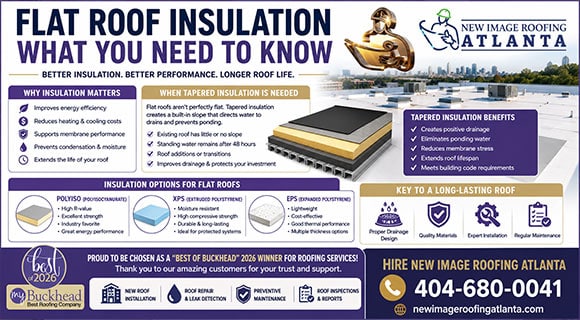
Commercial and residential flat roofs offer excellent durability and modern appearance, but they require careful design to perform properly. Without adequate insulation and proper drainage, a flat membrane roof can experience excessive heat transfer, standing water, higher utility bills, premature membrane deterioration, and costly repairs. Understanding how flat roof insulation works helps property owners protect their investment while improving energy efficiency and extending roof lifespan.

expert flat roof insulation

New Image Roofing Atlanta gathered essential information on flat roof insulation systems, membrane roofing assemblies, tapered insulation, drainage design, and preventive maintenance practices, helping commercial and residential property owners maximize roof performance. This guide explains why insulation plays a critical role in flat roofing systems, when tapered insulation becomes necessary, and how routine maintenance protects your roofing investment for many years.

Key Takeaways for Flat Roof Insulation

expert flat roof insulation infographic

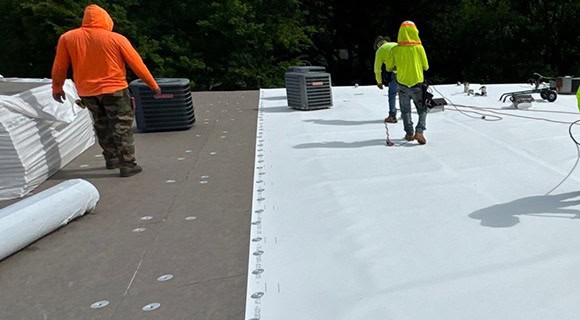
Flat membrane roofing systems depend upon much more than a waterproof membrane. Beneath TPO, PVC, EPDM, modified bitumen, or built-up roofing lies an insulation system that performs several critical functions. Proper insulation improves energy efficiency, increases occupant comfort, supports membrane performance, and creates positive drainage across roof surfaces.

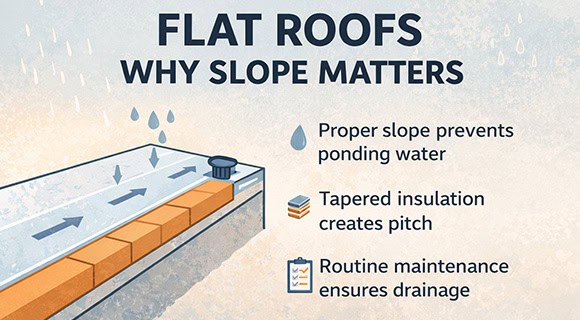
Unlike steep-slope roofs that naturally shed water, flat roofs rely upon carefully engineered slopes that direct rainwater toward drains, scuppers, or gutters. Since most flat roofs are not completely level, roofing professionals create subtle slopes using tapered insulation systems. These systems reduce standing water while protecting roofing materials from premature deterioration.

Modern insulation products also increase compressive strength beneath roofing membranes. Strong insulation boards provide a stable substrate that resists foot traffic, rooftop equipment loads, and weather-related movement.

Energy performance remains another major advantage. Well-insulated roofing systems reduce heat entering buildings during summer while minimizing heat loss during winter. Lower HVAC demand frequently results in reduced utility costs throughout a building’s lifetime.

Choosing proper insulation thickness depends on several factors, including local building codes, climate zone, roof design, occupancy type, and energy-efficiency goals. Professional roofing contractors evaluate each project individually before recommending appropriate insulation values.

Another important takeaway involves preventive maintenance. Even high-quality roofing systems require periodic inspections to identify damaged flashing, punctures, loose seams, clogged drains, deteriorated sealants, or ponding water. Early repairs often prevent expensive structural damage later.

Finally, installation quality remains just as important as material selection. Proper fastening methods, correctly installed vapor barriers when required, compatible membrane systems, and accurately designed drainage plans all contribute to long-term roofing success.

Why Flat Roof Insulation Is Crucial

expert flat roofing membrane installation over insulation

Flat roof insulation serves several purposes beyond improving thermal performance.

Proper insulation helps:

  • Improve energy efficiency
  • Reduce heating and cooling costs
  • Increase occupant comfort
  • Protect roofing membranes
  • Support the roof structure
  • Reduce condensation
  • Improve drainage design
  • Extend roof lifespan

Without adequate insulation, interior temperatures become difficult to control, and roofing materials experience greater thermal movement during changing weather conditions.

Typical Flat Roof Insulation Materials

Several insulation products perform well beneath membrane roofing systems.

Polyisocyanurate (Polyiso)

Polyiso remains one of the preferred insulation products because it provides excellent thermal resistance while maintaining relatively lightweight construction.

Benefits include:

  • High R-value
  • Excellent compressive strength
  • Compatible with multiple membrane systems
  • Widely accepted by roofing manufacturers

Extruded Polystyrene (XPS)

XPS performs well where moisture resistance is particularly important.

Advantages include:

  • Water resistance
  • Strong compressive strength
  • Durable performance
  • Suitable for protected membrane assemblies

Expanded Polystyrene (EPS)

EPS offers economical insulation for many roofing applications.

Benefits include:

  • Lightweight installation
  • Good thermal performance
  • Cost-effective pricing
  • Multiple thickness options

Why Flat Roofs Need Positive Drainage

expert flat roof insulation slope

Despite their name, flat roofs are rarely perfectly flat.

Building codes require positive drainage that removes rainwater within a reasonable period after rainfall ends. Standing water places unnecessary stress on roofing systems, increasing the potential for leaks.

Proper drainage protects:

  • Roofing membranes
  • Roof decking
  • Structural framing
  • Insulation
  • Interior finishes

Poor drainage significantly shortens roof lifespan.

What Is Tapered Insulation?

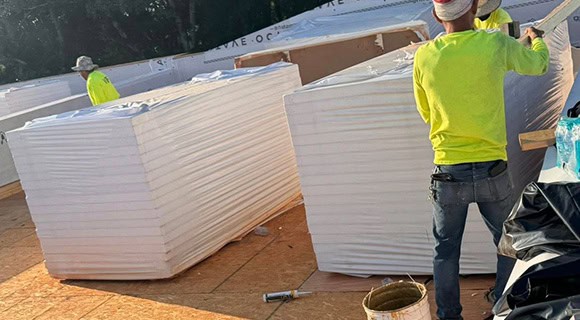
tapered insulation kit installation expert flat roof technicians

Tapered insulation consists of specially manufactured insulation boards that gradually change thickness across roof surfaces.

Rather than remaining uniform, these panels create subtle slopes directing water toward:

  • Interior roof drains
  • Scuppers
  • Gutters
  • Downspouts

Typical roof slopes created through tapered insulation include:

  • 1/8 inch per foot
  • 1/4 inch per foot
  • Custom-engineered slopes

Although nearly invisible from ground level, these slight elevations dramatically improve water movement.

When Tapered Insulation Kits Are Necessary

Tapered insulation kits become valuable whenever existing roof structures cannot provide adequate drainage.

Common situations include:

Existing Flat Roof Renovations

Older buildings frequently contain little or no slope. During reroofing projects, tapered insulation creates proper drainage without major structural reconstruction.

Persistent Ponding Water

Standing water in place for more than 48 hours typically indicates drainage problems.

Tapered insulation redirects water toward drainage points while reducing ponding.

Roof Additions

Building additions often create elevation differences requiring custom drainage design.

Tapered insulation transitions roof elevations smoothly while maintaining proper watershed.

Energy Efficiency Upgrades

Many reroofing projects combine additional insulation with new tapered systems that improve both drainage and thermal performance simultaneously.

How Tapered Insulation Improves Watershed

Roofing professionals commonly use the term “watershed” to describe how rainwater travels across roof surfaces toward drainage points.

Proper watershed design helps:

  • Eliminate ponding
  • Reduce membrane stress
  • Minimize algae growth
  • Improve drainage speed
  • Extend roof lifespan

Computer-generated layout drawings often determine the exact placement for each tapered insulation panel before installation begins.

Membrane Roofing Systems That Benefit from Proper Insulation

Most modern flat roofing systems utilize insulation beneath waterproof membranes.

These include:

TPO RoofingTPO combines excellent energy efficiency with durable welded seams.

PVC (Duro-Last) RoofingPVC performs exceptionally well around restaurants and facilities exposed to grease or chemicals.

EPDM Roofing – EPDM provides dependable long-term waterproof protection while accommodating building movement.

Modified Bitumen – Modified bitumen remains popular because it combines durability and flexible installation methods.

Built-Up Roofing – BUR systems continue serving many commercial facilities where multiple waterproof layers remain desirable.

Each system performs best when supported by properly designed insulation assemblies.

New Image Roofing Atlanta Roof Maintenance Contract

maintenance strategy expert flat roof insulation

Even premium roofing systems require regular maintenance. Small punctures, clogged drains, deteriorated sealants, and loose flashing will become expensive repairs when ignored.

A New Image Roofing Atlanta Roof Maintenance Contract helps protect commercial roofing investments through scheduled inspections and preventive maintenance services. Experienced roofing professionals inspect membrane seams, flashing, rooftop penetrations, insulation performance, drainage systems, roof-mounted equipment, and surrounding components while identifying concerns before they become significant problems.

Maintenance services may include:

  • Scheduled roof inspections
  • Drain and scupper cleaning
  • Minor membrane repairs
  • Flashing inspections
  • Seam evaluations
  • Sealant replacement
  • Debris removal
  • Storm damage assessments
  • Detailed maintenance reports

Routine maintenance extends roof lifespan while helping property owners avoid costly emergency repairs.

Hire New Image Roofing Atlanta 404-680-0041

best of buckhead expert flat roof insulation

When selecting a commercial roofing contractor, experience and workmanship make a significant difference. New Image Roofing Atlanta specializes in flat membrane roofing systems, including TPO, PVC, EPDM, modified bitumen, and built-up roofing. Their experienced team designs insulation systems that improve drainage, maximize energy efficiency, and support long-term membrane performance.

New Image Roofing Atlanta proudly earned recognition as the “Best of Buckhead” 2026 Winner for Roofing Services, reflecting a strong commitment to quality craftsmanship, dependable customer service, and professional roofing solutions throughout Metro Atlanta.

Whether your property requires new roof installation, tapered insulation design, roof replacement, leak repair, preventive maintenance, or emergency roofing services, New Image Roofing Atlanta delivers customized solutions designed for lasting performance.

expert flat roof insulation bbb accredited

For a free commercial roof inspection or estimate, call New Image Roofing Atlanta at 404-680-0041 or visit newimageroofingatlanta.com.

Insulation for Commercial Flat Roofs

Flat roof insulation plays a critical role in energy efficiency, membrane protection, drainage performance, and long-term roof durability. This guide explained why insulation remains essential beneath membrane roofing systems, how tapered insulation improves watershed, when tapered insulation kits become necessary, and why preventive maintenance protects commercial roofing investments.

Property owners who invest in properly designed insulation systems enjoy lower utility costs, improved indoor comfort, better drainage, longer membrane life, and fewer unexpected roofing repairs. Working with experienced roofing professionals further ensures that insulation and drainage systems perform exactly as intended throughout many years.

Ignoring insulation performance, drainage design, or routine maintenance can lead to standing water, premature membrane failure, interior leaks, structural damage, mold growth, and expensive repairs. Taking a proactive approach today helps protect your building, your occupants, and your investment well into the future.

  New Image Roofing Atlanta
 

    2020 Howell Mill Rd NW Suite 232
    Atlanta, GA 30318
    (404) 680-0041
 

If you have ever looked up at your roof and noticed stones or gravel spread across its surface, you may have felt confused or even concerned. Many property owners assume something is wrong or that debris has accumulated over time. In reality, those stones are often placed there intentionally and play a critical role in protecting your roofing system. Understanding why they are there can help you avoid costly repairs and extend your roof’s lifespan.

rocks stone gravel ballast system low slope membrane roof

New Image Roofing Atlanta gathered information about commercial roofing systems, membrane applications, and ballast techniques to help property owners better understand this common yet often misunderstood feature. This article breaks down why stones are used, how ballast systems function, which membranes can be ballasted, and how proper maintenance ensures long-term performance.

Key Takeaways for Stones on My Roof

rocks stone gravel ballast system low slope membrane roof infographic

Gravel or stones on a roof are not random debris. They are a purposeful component used in specific roofing systems known as ballasted membrane roofs. These systems rely on weight rather than adhesives or mechanical fasteners to hold roofing materials securely in place. The stones act as a stabilizing layer that protects underlying membranes from wind uplift, UV exposure, and temperature fluctuations.

One major takeaway is that ballast improves durability. By shielding membranes from direct sunlight, stones reduce thermal expansion and contraction, which helps prevent cracking and premature aging. This added protection significantly extends roof life when compared to unprotected membrane systems.

Another key point is that ballast systems are cost-effective. Since they require fewer adhesives and fasteners, installation can be faster and less labor-intensive. This makes them an attractive option for large commercial buildings where efficiency and cost control are critical.

It is also important to understand that not all roofs use ballast. Gravel is typically found on flat or low-slope roofs rather than steep residential systems. These roofs are engineered to support added weight, making them suitable for stone application.

Maintenance is another critical factor. While ballast protects your roof, it must be evenly distributed and kept clean. Drainage systems can become clogged if debris mixes with stones, leading to water pooling. Routine inspections ensure that the ballast remains effective and that underlying membranes stay intact.

Finally, safety and expertise matter. Walking on a ballasted roof without proper knowledge can disturb stone distribution or damage hidden components. Professional inspections and maintenance services help preserve structural integrity and performance.

What Is a Ballasted Roofing System?

rocks stone gravel ballast system commercial low slope membrane roof

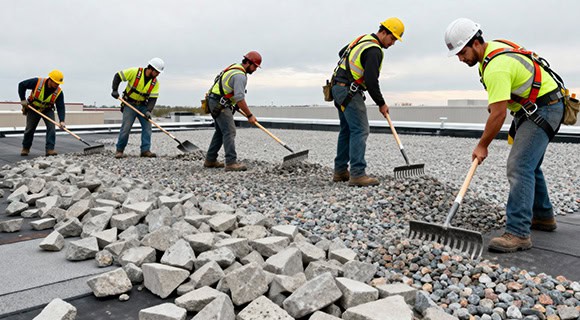
A ballasted roofing system is a flat or low-slope roof with a membrane laid loosely across a roof deck and held in place using heavy materials such as gravel, river rock, or concrete pavers. Instead of relying solely on adhesives or mechanical fasteners, the system uses weight to resist wind uplift and movement.

These systems are commonly used in commercial construction due to their efficiency, durability, and cost-effectiveness. The ballast layer serves multiple functions beyond stabilization, including protection and insulation support.

Types of Ballast Used on Roofs

There are several ways a membrane roofing system can be ballasted. Each method provides unique benefits depending on building design and environmental conditions.

Gravel Ballast

stone gravel ballast system low slope roof

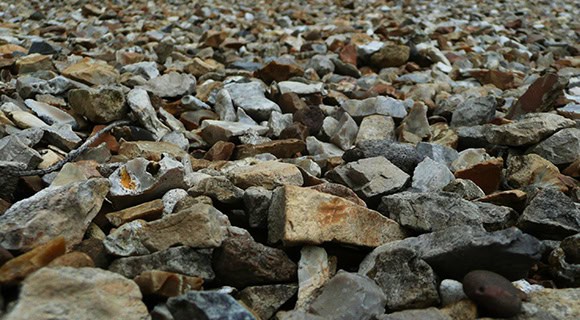
Gravel is one of the most common ballast materials. Typically ranging between 1/4 inch and 1 1/2 inches in size, it is spread evenly across membrane surfaces.

Benefits include:

  • Uniform weight distribution
  • UV protection
  • Cost efficiency

Gravel ballast is often used in traditional built-up roofing systems and single-ply membranes.

River Rock Ballast

river rock ballast system low slope membrane roof

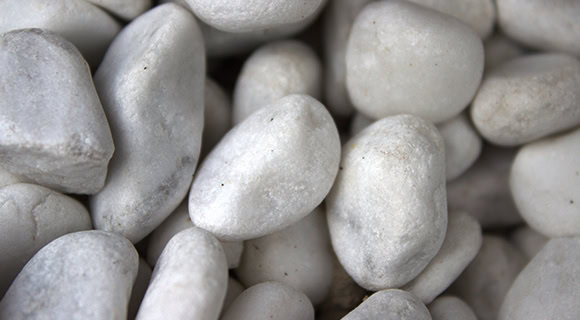
River rock consists of larger, rounded stones. These are heavier than standard gravel and are often used in areas exposed to higher wind conditions.

Advantages:

  • Increased wind resistance
  • Enhanced durability
  • Reduced movement during storms

Concrete Paver Ballast

paver ballast system low slope membrane roof

Concrete pavers provide a structured ballast system. These are large, flat slabs placed in a grid pattern across roof surfaces.

Benefits:

  • Superior weight and stability
  • Walkable surface for maintenance
  • Modern appearance for rooftop spaces
  • Pavers are often used for rooftop patios or areas requiring regular foot traffic.

Vegetative Ballast Systems

rocks stone gravel ballast system low slope membrane green roof

Green roofing systems use soil and plant layers as ballast. While more complex, these systems offer environmental benefits.

Advantages:

  • Natural insulation
  • Stormwater management
  • Improved air quality

Which Membrane Systems Can Be Ballasted?

Not all roofing membranes are suitable for ballast application. The following systems are commonly used with ballast:

EPDM (Ethylene Propylene Diene Monomer)

EPDM is a durable synthetic rubber membrane widely used in commercial roofing. It performs well under ballast due to its flexibility and resistance to weathering.

TPO (Thermoplastic Polyolefin)

TPO membranes can be installed in ballasted systems, though they are more commonly mechanically fastened or fully adhered. When ballasted, they benefit from additional protection against UV exposure.

PVC (Polyvinyl Chloride)

Duro-last or PVC membranes are another option for ballasted systems. They offer strong chemical resistance and durability, making them suitable for industrial environments.

Built-Up Roofing (BUR)

BUR systems often incorporate gravel as a top layer. This traditional method combines multiple layers of bitumen and reinforcing fabrics, finished with stone ballast for protection.

Why Stones Are Essential for Roof Performance

stone ballast system low slope membrane roof

Stones are not simply a weight layer. They provide multiple functional benefits:

  • Protect membranes from UV radiation
  • Reduce thermal stress caused by temperature swings
  • Minimize wind uplift risk
  • Extend service life
  • Improve fire resistance in some cases

Without ballast, membranes are more exposed to environmental damage, which may lead to faster deterioration and increased repair costs.

New Image Roofing Atlanta Maintenance Contract

maintenance program rocks stone gravel ballast system low slope membrane roof

Preventive maintenance is critical for any roofing system, especially ballasted roofs. New Image Roofing Atlanta offers a comprehensive roof maintenance contract designed to protect your investment and ensure long-term performance.

This program includes routine inspections, debris removal, and ballast redistribution to maintain even coverage. Technicians evaluate drainage systems to prevent water buildup and identify early signs of membrane wear or damage. By addressing minor issues before they escalate, property owners can avoid costly repairs and extend the roof’s lifespan.

Maintenance contracts also provide documentation for insurance and warranty compliance. Regular service ensures your roof continues to meet manufacturer requirements and building standards. With scheduled inspections and proactive care, your roofing system remains reliable year-round.

Hire New Image Roofing Atlanta 404-680-0041

rocks stone gravel ballast system low slope membrane roof best of buckhead

Choosing a trusted roofing contractor is essential for installation, repair, and maintenance. New Image Roofing Atlanta has built a strong reputation for quality workmanship, attention to detail, and customer satisfaction.

  • New Image Roofing Atlanta was recognized as a 2026 Best of Buckhead Winner for Roofing Services, reflecting workmanship acuity, customer satisfaction, and community trust. This distinction highlights consistent performance across commercial roofing projects.
  • Collaborative Approach – Seamless communication with architects, engineers, and general contractors ensures on-time delivery.
  • Commitment to Quality – Meticulous installation and maintenance methods backed by warranties, skill, and dedicated customer service.
  • BBB Accredited Business – New Image Roofing Atlanta is an accredited A+ Rated roofing contractor.

bbb accredited roofer rocks stone gravel ballast system low slope membrane roof

New Image Roofing Atlanta specializes in ballasted roofing systems, membrane installation, inspections, and long-term maintenance. Their experienced team understands local climate challenges and provides tailored solutions that maximize durability and performance.

From initial consultation to ongoing service, clients receive expert guidance and reliable support. Whether you need a new installation or maintenance for an existing roof, their team ensures your system performs at its best.

Ballasted Roofing Systems

You now understand why stones appear on certain roofs and how they serve as a critical component in ballasted roofing systems. From improving durability to protecting membranes and reducing maintenance costs, ballast plays an essential role in roof performance.

Taking action by maintaining your roof and working with experienced professionals can lead to a longer lifespan, fewer repairs, and greater peace of mind. A properly installed and maintained ballasted system provides reliable protection for years to come.

Ignoring these factors can result in uneven ballast distribution, drainage issues, and premature membrane failure. Without proper care, small problems can quickly become expensive repairs or full roof replacement.

  New Image Roofing Atlanta

    2020 Howell Mill Rd NW Suite 232
Atlanta, GA 30318
(404) 680-0041
A commercial roof failure rarely announces itself quietly. Water intrusion, membrane separation, rising energy costs, or tenant complaints can disrupt operations and damage inventory within hours. Property owners/managers often struggle to determine whether a repair will suffice or full replacement is required. Understanding available commercial roofing services allows you to control risk, manage budget responsibly, and protect revenue streams before small defects escalate into structural liabilities.

professional services for commercial roofing

New Image Roofing Atlanta gathered information about commercial roof performance, inspections, material science, installation standards, maintenance strategy, and lifecycle cost analysis to provide building owners with a clear roadmap for roof management. This guide explores each service in detail (so you can make informed decisions that preserve asset value and operational continuity).

Key Takeaways for Commercial Roofing Services

professional service information for commercial roofing

Commercial roofing strategy requires proactive management rather than reactive repair. Inspections form the foundation for informed decision-making. A comprehensive evaluation identifies membrane degradation, moisture infiltration, drainage inefficiencies, and flashing failure before damage spreads to insulation or interior structure.

  • Due diligence inspections protect financial stakeholders during acquisition or refinancing. Reliable roof data influences capital allocation and lease negotiations. Accurate lifespan projections prevent budget surprises.
  • System selection must align with building use and environmental exposure. Metal roofing delivers longevity and structural strength. PVC systems resist chemical exposure. TPO enhances energy efficiency through reflective surfaces. EPDM offers flexibility in temperature extremes. BUR and Modified Bitumen provide layered waterproof redundancy. Hot tar and torch-applied membranes require skilled installation but deliver strong performance when properly executed.
  • New construction and blueprint projects require early coordination and code compliance. Roofing integration during the construction phase ensures insulation, vapor control, and drainage planning function cohesively.
  • Preventive maintenance contracts provide a measurable return on investment. Scheduled inspections and minor corrections cost significantly less than emergency replacement or interior restoration. Documentation supports warranty claims and long-term planning.
  • Contractor selection can influence outcomes greater than material choice alone. Installation precision, seam welding quality, fastening patterns, and flashing detail determine system longevity. Recognition such as “Best of Buckhead” demonstrates sustained performance and customer trust.

Ignoring roof management invites structural deterioration, tenant dissatisfaction, operational downtime, and increased liability. Strategic roofing oversight safeguards revenue, asset value, and reputation.

Comprehensive Free Roof Inspections

professional inspection services for commercial roofing

Every commercial roofing project begins with a thorough evaluation. New Image Roofing Atlanta provides comprehensive free roof inspections tailored to flat and low-slope systems common in commercial construction.

Technicians assess membrane integrity, seam performance, flashing condition, drainage function, insulation moisture levels, and substrate stability. Infrared scanning may be used when necessary to detect trapped moisture beneath membrane surfaces. Detailed photo documentation and written findings support transparent recommendations.

This process ensures decisions are based on measurable data rather than assumptions, reducing the risk of unnecessary replacement or incomplete repair.

Due Diligence Roof Inspections

Commercial property transactions require clarity regarding roof condition and remaining service life. Due diligence inspections performed by New Image Roofing Atlanta provide structured reporting for buyers, sellers, lenders, and asset managers.

Reports detail the material type, installation history when available, visible deficiencies, repair priority, and estimated remaining lifespan. This information supports capital planning, lease negotiations, and acquisition decisions. Accurate roof data strengthens investment strategy and protects stakeholders from unexpected capital expenditure.

Note: New Image Roofing Atlanta charges a fee for these inspections, as a detailed roof report is produced after the inspection. This fee may be absorbed into the cost of any subsequent repair or replacement work completed by New Image Roofing Atlanta. Call 404-680-0041 or fill out this online submission form for more information.

Free Service Quotes

Following an inspection, clients receive a free service quote detailing scope, material specifications, labor requirements, projected timeline, and warranty coverage. Transparent pricing and defined deliverables allow building owners to evaluate return on investment before project initiation.

Commercial Roof System Types

Commercial buildings require roofing systems engineered for durability, load performance, and environmental exposure. Below is a detailed overview of systems installed by New Image Roofing Atlanta.

Metal Roofing

professional services for metal commercial roofing

Commercial metal roofing systems utilize structural steel or aluminum panels designed for strength and longevity. Lifespan often ranges between 40 and 60 years, depending on the coating and environmental exposure.

Installation requires precision fastening systems that accommodate thermal expansion and contraction. Proper insulation and vapor barrier integration are critical for energy performance. Metal roofing performs well in high wind conditions and offers strong resistance to fire and impact.

PVC and Duro-Last Roofing

professional services for commercial pvc and duro last roofing

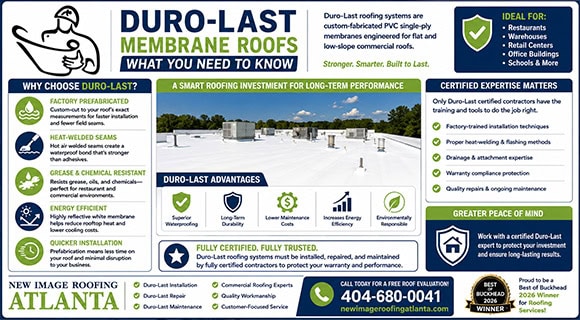
PVC membranes, including Duro-Last systems, are single-ply thermoplastic materials engineered for chemical resistance and durability. Average lifespan spans 20 to 30 years.

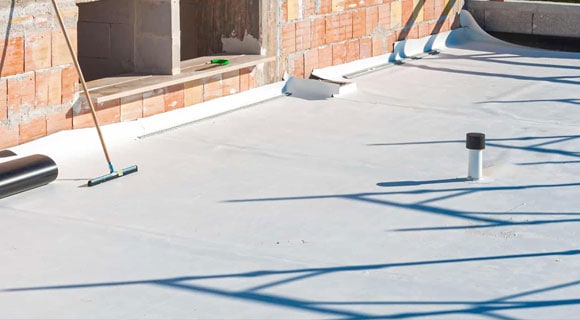
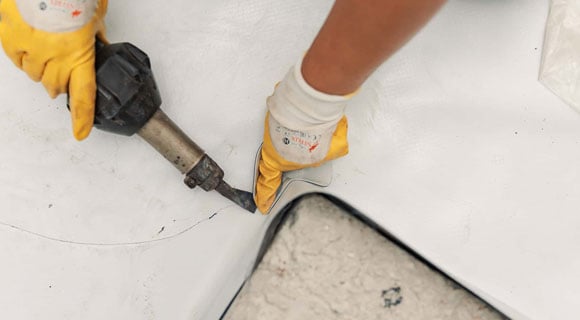
Installation involves heat-welded seams that create monolithic waterproof surfaces. Prefabricated sections may reduce field seaming and accelerate installation. PVC performs exceptionally well in restaurants and industrial facilities exposed to grease or chemical discharge.

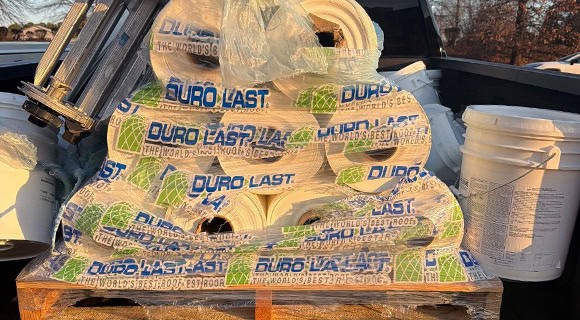
Note: Duro-Last roofing systems may only be installed and maintained by Duro-Last certified technicians. Using unqualified installers and technicians will void any and all manufacturer’s guarantees and warrantees. New Image Roofing Atlanta is fully qualified and certified to install and maintain Duro-Last roofing systems.

TPO Roofing

professional services for commercial tpo roofing

Thermoplastic Polyolefin, or TPO, is a reflective white membrane widely used in commercial construction. Lifespan typically ranges from 20 to 30 years.

Installation methods include mechanical fastening or full adhesion with heat-welded seams. TPO offers strong UV resistance and energy efficiency benefits, reducing cooling demand in warm climates.

EPDM Roofing

EPDM is a synthetic rubber membrane known for flexibility and resilience. The lifespan commonly reaches 20 to 25 years with proper maintenance.

Installation may be ballasted, mechanically fastened, or fully adhered. EPDM performs reliably under temperature fluctuation and resists hail impact.

Note: While EPDM roofing systems are no longer a “top choice” for roof installations, New Image Roofing Atlanta still provides full service and maintenance for installed EPDM systems.

BUR Roofing

professional services for commercial built up roofs

Built Up Roofing, known as BUR, uses multiple layers of asphalt and reinforcing fabric. The lifespan can reach 20 to 30 years, depending on maintenance practices.

Installation involves sequential layering, creating a thick waterproof protection. BUR systems are valued for redundancy and puncture resistance.

Modified Bitumen Roofing

Modified Bitumen membranes incorporate polymer-modified asphalt for enhanced flexibility and strength. Expected lifespan ranges between 15 and 25 years.

Installation methods include torch-applied, cold adhesive, or self-adhered systems. These membranes provide impact resistance and strong waterproofing performance.

Hot Tar and Torch Down Roofing

professional hot tar services for commercial roofing

Hot tar systems utilize heated asphalt that is applied in layers to create durable, waterproof barriers. Torch-down systems involve heat fusion of modified bitumen membranes.

These systems require experienced crews due to heat application procedures. When installed correctly, the lifespan typically ranges from 15 to 25 years.

New Construction Roofing

professional services for new construction commercial roofing

New Image Roofing Atlanta collaborates with developers and general contractors on new construction projects. Roofing systems are selected based on building use, load calculations, energy codes, and architectural design.

Early coordination ensures proper deck preparation, insulation thickness compliance, and drainage planning. Correct sequencing prevents future moisture intrusion and premature membrane failure.

Blueprint Projects

Blueprint-driven installations demand strict adherence to engineered specifications. New Image Roofing Atlanta executes roofing plans aligned with structural drawings and code requirements.

Precise measurement, flashing fabrication, and drainage integration are essential. These projects often involve coordination with mechanical contractors and structural engineers to ensure seamless performance.

New Image Roofing Atlanta Maintenance Contract

professional services and maintenance for commercial roofing

Preventive maintenance protects commercial roofing investment and extends service life. New Image Roofing Atlanta offers structured roof maintenance contracts designed for roof preservation.

Maintenance typically includes semi-annual inspections, debris removal, drain clearing, seam reinforcement when necessary, flashing resealing, and minor repair correction. Detailed documentation supports warranty compliance and capital forecasting.

Routine oversight reduces risks of catastrophic leak events and helps facilities maintain operational stability.

Why Hire New Image Roofing Atlanta

best of buckhead professional services for commercial roofing

Commercial roofing demands technical expertise, safety compliance, and disciplined project management. New Image Roofing Atlanta combines experience with rigorous installation standards.

Each project adheres to structured safety protocols, manufacturer specifications, and quality assurance checks. Clear communication ensures that building owners understand the timeline, budget, and performance expectations.

In 2026, New Image Roofing Atlanta was recognized as a Best of Buckhead 2026 Winner for Roofing Services. This distinction reflects customer satisfaction, workmanship quality, and consistent service delivery within the commercial sector. Consider the following:

Versatile Installation and Maintenance Skills – Skilled teams trained in single-ply, BUR, modified bitumen, metal, and green roof systems.
Proven Track Record – A portfolio of successful projects across retail, industrial, healthcare, and office sectors.
Collaborative Approach – Seamless communication with architects, engineers, and general contractors ensures on-time delivery.
Commitment to Quality – Meticulous installation and maintenance methods backed by warranties, skill, and dedicated customer service.
BBB Accredited Business – New Image Roofing Atlanta is an accredited A+ rated roofing contractor.

bbb accredited professional services for commercial roofing

Clients benefit from transparency, accountability, and long-term partnership rather than transactional service.

Commercial Roofing Services

This article explained commercial roofing services offered by New Image Roofing Atlanta, beginning with inspections and due diligence evaluations, followed by a detailed review of roofing systems, maintenance programs, and construction coordination.

Implementing these services leads to improved building performance, predictable budgeting, and extended roof lifespan. Proactive inspection and maintenance preserve structural integrity and minimize operational disruption.

Neglecting roofing strategy exposes commercial property to leaks, structural compromise, tenant complaints, and escalating repair costs. Informed planning protects business continuity and long-term asset value.

Sources:
crca.org/Resources/Roofing-Specialties/Low-Slope-Commercial-Industrial-Institutional-Roofing
nrca.net

  New Image Roofing Atlanta

    2020 Howell Mill Rd NW Suite 232
Atlanta, GA 30318
(404) 680-0041